Choosing the Right 282105-1 Connector: Key Features and Applications for Engineers
Choosing the Right 282105-1 Connector: Key Features and Applications for Engineers Introduction In the ever-evolving landscape of electronics engineering, selecting the right connector can signific
Introduction
In the ever-evolving landscape of electronics engineering, selecting the right connector can significantly impact the performance and reliability of your design. The 282105-1 connector stands out due to its unique specifications and wide range of applications. As the industry continues to grow, with global semiconductor revenue projected to reach $595.2 billion by 2026, understanding the nuances of component selection has never been more critical. This article delves into the key features of the 282105-1 connector, providing engineers with the insights necessary to make informed decisions.
Technical Overview
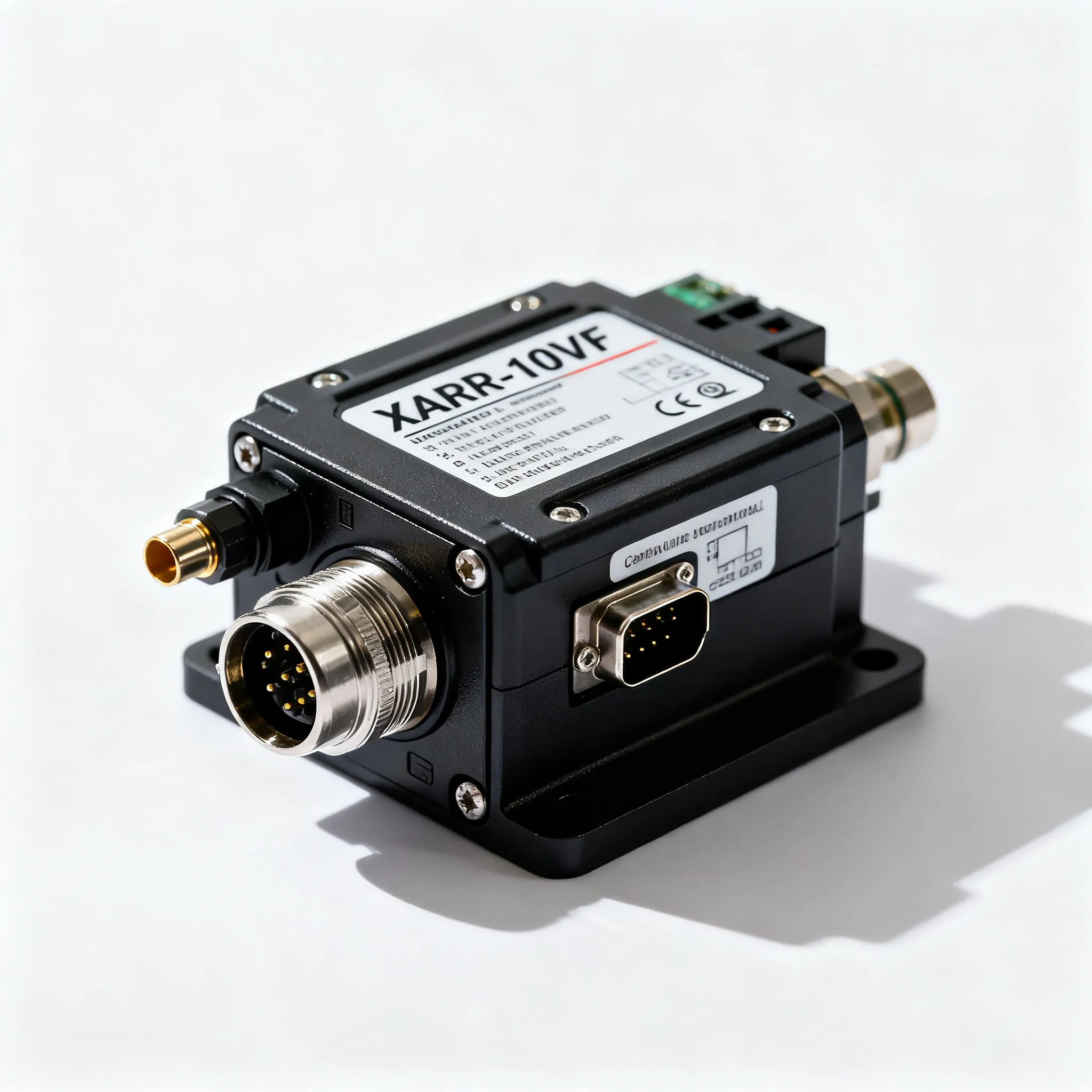
The 282105-1 connector is designed to facilitate reliable electrical connections in various applications. Its robust construction ensures durability and efficiency, making it a preferred choice for engineers. This connector is integral to ensuring seamless data transfer and power management in electronic systems. Understanding core concepts such as contact resistance, current rating, and insulation is crucial for leveraging the full potential of the 282105-1. Additionally, its compatibility with different wire sizes and configurations provides versatility in design applications.
Detailed Specifications
| Parameter | Value | Units | Notes |
|---|---|---|---|
| Contact Resistance | 20 | mΩ | Max |
| Current Rating | 15 | A | Per contact |
| Voltage Rating | 600 | V | AC/DC |
| Dielectric Withstanding Voltage | 1500 | V | AC |
| Insulation Resistance | 5000 | MΩ | Min |
| Wire Gauge | 18-24 | AWG | Range |
| Number of Positions | 4 | - | Standard configuration |
| Termination Style | Crimp | - | |
| Connector Type | Plug | - | |
| Contact Material | Phosphor Bronze | - | Gold plated |
| Parameter | Value | Units | Notes |
|---|---|---|---|
| Operating Temperature | -55 to 105 | °C | |
| Storage Temperature | -65 to 125 | °C | |
| Vibration | 10-2000 | Hz | Per MIL-STD-202 |
| Shock | 50 | g | Per MIL-STD-202 |
| Durability | 500 | Cycles | Min |
| Housing Material | Thermoplastic | - | UL 94V-0 |
| Flammability Rating | UL 94V-0 | - | |
| Locking Mechanism | Latch | - |
| Application | Use Case | Benefits | Notes |
|---|---|---|---|
| Automotive | Infotainment Systems | High reliability | Resistant to vibration |
| Industrial | Control Panels | Durability | Handles harsh environments |
| Consumer Electronics | Home Appliances | Compact design | Easy integration |
| Telecommunications | Networking Equipment | Efficient signal transfer | Supports high-speed data |
| Medical Devices | Diagnostic Equipment | Precision | Ensures accurate readings |
The above tables outline the comprehensive specifications and potential applications of the 282105-1 connector. These details are critical for engineers to assess compatibility with their projects and ensure optimal performance. By examining electrical, thermal, and mechanical properties, one can make informed decisions tailored to specific design requirements.
Design Considerations
When integrating the 282105-1 connector into your design, several factors must be considered to ensure reliability and efficiency. Firstly, the electrical specifications such as current and voltage ratings must align with the system's requirements. Overloading the connector can lead to failures and potential safety hazards.
Thermal management is another crucial aspect. The operating temperature range of -55 to 105 °C offers flexibility, but it's essential to ensure that the connector's environment remains within these limits. Excessive heat can deteriorate the connector's materials and impact performance.
The mechanical specifications, including vibration and shock resistance, are particularly relevant in automotive and industrial applications where harsh conditions are prevalent. The connector's durability rating of 500 cycles ensures longevity, but regular maintenance checks are advisable to maintain optimal performance.
Furthermore, the choice of contact and housing materials, such as gold-plated phosphor bronze and UL 94V-0 rated thermoplastic, contribute to the connector's reliability and safety standards. Engineers must also consider the connector's locking mechanism, especially in applications where secure connections are critical.
Step-by-Step Guide
Integrating the 282105-1 connector into your design involves several steps to ensure optimal performance and reliability:
- Identify Requirements: Determine the electrical, thermal, and mechanical requirements of your application. Ensure that the connector's specifications meet or exceed these requirements.
- Review Datasheets: Examine the datasheet for the 282105-1 connector, paying close attention to its specifications, compatibility, and application notes.
- Design the PCB Layout: Design the PCB to accommodate the connector. Ensure that the footprint matches the connector's physical dimensions and pin layout.
- Consider Thermal Management: Implement thermal management strategies, such as heat sinks or ventilation, to maintain operating temperatures within specified limits.
- Perform Mechanical Fit: Test the physical fit of the connector in your application. Ensure that the locking mechanism is secure and that the connector is accessible for maintenance.
- Conduct Electrical Testing: Test the electrical connections to verify signal integrity and ensure that there are no issues such as short circuits or excessive contact resistance.
- Prototype and Validate: Build a prototype to validate the design under real-world conditions. Monitor the connector's performance over time to identify any potential issues.
- Finalize the Design: Once testing is complete and the connector's performance is satisfactory, finalize the design for production.
Common Issues & Solutions
When using the 282105-1 connector, engineers may encounter several issues. Here are common problems and their solutions:
- Issue: Poor Contact Quality
Solution: Ensure that the contacts are clean and free from oxidation. Use gold-plated contacts to minimize resistance and improve conductivity. - Issue: Overheating
Solution: Check for proper thermal management. Use heat sinks or fans to dissipate excess heat and maintain the connector within its operating temperature range. - Issue: Mechanical Failure
Solution: Verify that the connector is not subjected to stress beyond its mechanical specifications. Ensure proper alignment and secure locking mechanisms. - Issue: Signal Interference
Solution: Use shielded cables and connectors to reduce electromagnetic interference. Ensure proper grounding and isolation of signal paths. - Issue: Connector Damage
Solution: Inspect connectors regularly for signs of wear and tear. Replace damaged connectors promptly to prevent system failures.
Applications & Use Cases
The 282105-1 connector finds applications across various industries due to its robust design and versatility. In automotive applications, it is used in infotainment systems where reliability and resistance to vibration are critical. Industrial control panels benefit from its durability, capable of withstanding harsh environments. Consumer electronics, such as home appliances, leverage its compact design for easy integration. In telecommunications, the connector supports efficient signal transfer in networking equipment, while in medical devices, it ensures precision and accuracy in diagnostic equipment.
Selection & Sourcing Guide
For engineers looking to source the 282105-1 connector, it is crucial to choose authorized distributors to ensure authenticity and quality. IC Online offers competitive pricing and fast delivery, making it a reliable choice for sourcing electronic components. Always verify the connector's specifications to match your application needs before purchasing.
FAQ
Here are some frequently asked questions about the 282105-1 connector:
- What applications are best suited for the 282105-1 connector?
The connector is ideal for automotive, industrial, consumer electronics, telecommunications, and medical device applications. - What is the current rating of the 282105-1 connector?
It has a current rating of 15A per contact. - Can the 282105-1 connector withstand high temperatures?
Yes, it operates effectively within a temperature range of -55 to 105 °C. - Is the 282105-1 connector resistant to vibration?
Yes, it is designed to withstand vibrations as per MIL-STD-202 standards. - What materials are used in the 282105-1 connector?
It uses gold-plated phosphor bronze for contacts and UL 94V-0 rated thermoplastic for housing. - How can I ensure a secure connection with the 282105-1 connector?
Ensure that the locking mechanism is properly engaged and that the connector is not subject to excessive stress. - What steps should I take to prevent signal interference?
Use shielded cables and ensure proper grounding to minimize electromagnetic interference. - Where can I source the 282105-1 connector?
You can source it from authorized distributors like IC Online.
Conclusion
Choosing the right connector, such as the 282105-1, is vital for the success of electronic designs. By understanding its specifications, applications, and potential issues, engineers can optimize their designs for performance and reliability. Whether in automotive, industrial, or consumer electronics, the 282105-1 connector provides the versatility and robustness needed for a wide range of applications.