Connecting Components Easily with 4mm Banana Jack Connectors
You want your DIY electronics projects to look clean and work reliably. 4mm banana jack connectors let you connect component
You want your DIY electronics projects to look clean and work reliably. 4mm banana jack connectors let you connect components quickly and easily. You can use these connectors in audio setups, testing circuits, or general electronics. Their universal compatibility means you don’t have to worry about mismatched parts. You’ll find these connectors offer stackable designs and panel mount options, giving you flexibility. Try banana connectors for stable connections and smoother builds.
- Universal fit for most components
- Reliable and sturdy for repeated use
- Options for stacking and panel mounting
Key Takeaways
- 4mm banana jack connectors fit most audio and test equipment, making your projects easy to connect and reliable.
- These connectors use strong materials like brass and gold plating to ensure long-lasting, stable connections.
- Stackable and panel mount designs help you build neat, flexible circuits without tangled wires.
- Choosing the right cable and assembling plugs carefully keeps your connections safe and secure.
- Regular testing and cleaning of your banana plugs prevent problems and keep your projects working smoothly.
4mm Banana Jack Connectors Overview
Universal Compatibility
You want your projects to work with different devices. 4mm banana jack connectors make this easy. These connectors fit most audio systems, test equipment, and educational kits. You can use them with speakers, amplifiers, and receivers. They also work with electronic test instruments and custom test leads. The 4mm size is the standard for banana sockets, so you don’t have to worry about mismatched parts.
Tip: Always check the connector size before you buy new leads or banana sockets. The 4mm size gives you a snug fit and reliable connection.
Here’s a quick look at how 4mm banana jack connectors compare to other types:
| Connector Type | Compatibility | Common Use |
|---|---|---|
| 4mm Banana Jack | Universal | Audio, testing, education |
| 2mm Mini Banana | Niche, low-power | Lab testing |
| RCA/XLR | Not compatible | Audio/video |
Versatile Applications
You can use 4mm banana jack connectors in many ways. These connectors show up in audio setups, school labs, and even industrial machines. You might see them in:
- Electronic test equipment for checking circuits
- Speaker wires and amplifiers for clear sound
- Probe leads and custom test leads for experiments
- Power supplies and educational kits for learning projects
Industries like aerospace, medical, and factory automation trust these connectors for reliable leads. You can build toggle switch circuits, smart sensor hubs, or stepper motor controls using banana sockets and leads. The simple design lets you connect and disconnect parts quickly.
Durable Materials
You want connectors that last. Most 4mm banana jack connectors use brass, copper, or gold-plated metals. Brass and copper give you strong mechanical strength and great electrical conductivity. Gold plating helps prevent corrosion, so your connectors stay reliable even after many uses. High-quality connectors keep your leads secure and stable.
Some connectors use plastic for insulation and safety. In tough environments, you might find titanium shells or ceramic inserts for extra durability. These materials help connectors resist heat, vibration, and moisture. You get long-lasting performance for your custom test leads and banana sockets.
Benefits of Banana Plugs in DIY
Secure Connections
You want your DIY projects to work every time you power them up. Banana plugs give you that peace of mind. These connectors create secure and stable connections, so you do not have to worry about signal loss or static. You can use screw terminals to lock wires in place without soldering. The spring-loaded design keeps the plugs tight inside banana connectors, even if your project moves or shakes. Gold-plated contacts help prevent corrosion, so your connections stay strong for a long time. Durable PVC insulation adds another layer of safety and keeps your setup protected.
Tip: Color-coded plugs make it easy to match wires and avoid mistakes. You can spot problems fast and fix them before they cause trouble.
Here’s why banana plugs stand out for secure connections:
- They reduce the risk of short circuits.
- They keep wires from pulling out.
- They work well in mobile or high-vibration projects.
- They make installation easy, even for beginners.
Stackable Design
If you like building complex circuits, stackable banana plugs make your life easier. You can connect several leads to the same point by stacking plugs on top of each other. This design saves space and keeps your workbench neat. You do not have to untangle a mess of wires. Color-coded cables help you organize your setup and avoid mix-ups. Gold-plated brass connectors give you reliable performance, even with high voltage or current.
- Stackable banana plugs let you add or remove components without taking apart the whole circuit.
- The stacking feature helps you test new ideas quickly.
- You can keep your workspace tidy and organized.
Note: Stackable designs are perfect for labs, classrooms, and hobby stations where you need flexibility and speed.
Panel Mount Options
Panel mount banana connectors help you build organized and modular projects. You can screw these connectors right into your project’s enclosure. This gives you a fixed spot for positive and negative cables. You do not need to solder every time you want to change something. The connectors keep cables in place, so they do not move or touch metal panels by accident. This makes your build safer and neater. If you want to upgrade or change your setup, you can swap out connectors or use 3D printed parts for custom fits.
Panel mount options help you:
- Attach and detach cables easily.
- Keep your project tidy and safe.
- Adapt your build for new ideas or upgrades.
With 4mm banana plugs, you get a cleaner, more professional look for your DIY electronics. You can focus on creating, not fixing messy connections.
Using 4mm Banana Plugs
Cable Selection
Choosing the right cable makes your connections strong and safe. You want leads that match your project’s needs. For most DIY setups, cables between 10 AWG and 8 AWG work best with 4mm banana plugs. If you need to handle high current, 8 AWG cables can carry up to 30 amps. These thick wires need connectors with good mechanical grip, so check that your banana plugs fit tightly.
Silicone insulation is a smart choice. It stays flexible, even in hot conditions, and resists damage up to 200°C. You can bend and twist silicone leads without cracking the insulation. PVC insulation costs less, but it feels stiff and may not last as long. If you want your custom test leads to last, pick silicone.
Here’s a quick guide for cable selection:
| Cable Gauge | Current Capacity | Insulation Type | Best Use |
|---|---|---|---|
| 10 AWG | Up to 30A | Silicone or PVC | General electronics |
| 8 AWG | 20-30A | Silicone (preferred) | High-current projects |
| Multi-stranded cable | Flexible | Silicone | Audio, testing, labs |
Tip: Always match your cable gauge and insulation to your project’s voltage and current. Using the wrong size can cause overheating or poor connections.
Assembly Steps
You want your banana plugs to stay secure and work every time. Follow these steps to assemble your leads:
- Pick the right wire size for your project. For most banana connectors, 2.5mm² or 6mm² wires fit well.
- Strip the insulation from the end of your wire. Make sure you do not cut any strands.
- Twist the wire strands tightly. This keeps them together and makes a solid connection.
- Slide a ferrule onto the stripped end. Crimp it with a proper tool. Ferrules help the screw grip the wire and stop stray strands from causing shorts.
- Loosen the screw on your 4mm banana plug. Find the side hole or terminal.
- Insert the ferrule-crimped wire into the hole. Make sure it fits snugly.
- Tighten the screw until the wire is firmly clamped inside the plug. Do not over-tighten, or you might damage the wire.
- Add strain relief if your plug does not have it built in. You can use heat shrink tubing or tape to protect the wire from bending and pulling.
- Check the connection by gently tugging the wire. It should not move or slip out.
Note: Always insert the wire at a right angle to the plug. This helps the wire fit properly and keeps your leads neat.
Here’s a checklist for assembling banana plugs:
- Strip wires cleanly and twist strands.
- Use ferrules for a solid grip.
- Tighten screws firmly, but not too much.
- Add strain relief for durability.
- Double-check polarity before connecting to banana sockets.
Reliability Testing
Testing your leads is important. You want to catch problems before they cause trouble in your project. Start by inspecting each banana plug for a tight fit. Loose plugs can lead to signal drop-outs or measurement errors. Try plugging and unplugging each lead several times. If you notice any wobble or poor grip, replace the plug.
Check for oxidation, especially if you use nickel-plated plugs. Humid environments can cause corrosion, which leads to unreliable contact. Gold-plated banana plugs resist oxidation and keep your connections stable. Look for spring fatigue in your plugs. Weak springs make connections loose and can cause intermittent problems.
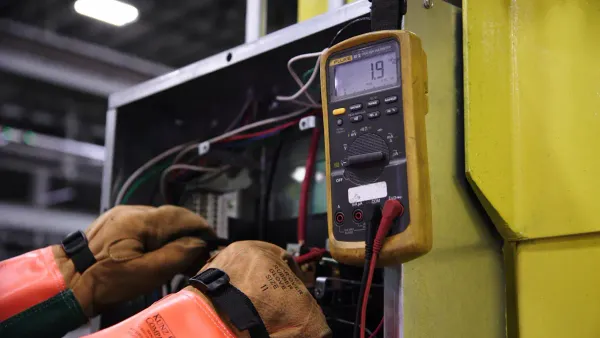
Test your leads with a multimeter. Measure resistance from end to end. If you see a high reading, you may have a bad connection. Use leads with silicone insulation for heavy lab use. These leads bend easily and last longer than PVC-insulated ones.
Here are some common issues and troubleshooting tips:
- Loose plugs: Replace with better quality banana connectors.
- Oxidation: Clean contacts with a soft cloth or use gold-plated plugs.
- Spring fatigue: Swap out old plugs for new ones.
- Poor strain relief: Add heat shrink tubing or choose leads with built-in support.
- Measurement errors: Inspect for physical damage or contamination.
Safety Tip: For high-voltage or high-current projects, use sheathed banana plugs rated above 1kV. Always wear rubber-soled shoes and avoid jewelry when working with live circuits.
Regular cleaning and inspection help your leads last longer. Use dielectric grease if you need extra protection against moisture. Always check that your leads meet safety standards and have clear electrical ratings.
Tips for Banana Connectors
Organizing Connections
You want your workspace to stay neat and easy to use. Banana connectors make this simple. Stackable banana plugs let you connect several leads at one spot. You can build complex circuits without a tangled mess. Color coding helps you spot which wire goes where. You avoid mistakes and save time.
Here’s a table showing standard color codes and connector types you might use:
| Aspect | Details |
|---|---|
| Standard Color Codes | 0 - Black, 1 - Brown, 2 - Red, 3 - Orange, 4 - Yellow, 5 - Green, 6 - Blue, 7 - Violet, 8 - Grey, 9 - White |
| Sleeve Types | Unshrouded (bare pin), Retractable Shrouded, Shrouded (insulated) |
| Stackable Banana Plugs | Connect multiple plugs together for organized wiring |
| Application Advice | Pick the right type, pin style, color, and size for safety and fewer errors |
You can use structured wiring with banana connectors to protect cables and keep everything tidy. Retractable designs and binding post compatibility give you more options. These features help you work faster and safer. If you label your plugs, you reduce confusion and make troubleshooting easier.
Tip: Try using colored sleeves or tape to mark your banana plugs. You’ll find it much easier to match leads to banana sockets during testing or repairs.
Troubleshooting
Sometimes, you notice signal loss or poor connections. Banana plugs can act up if you don’t assemble them right. You can fix most problems with a few simple steps.
- Take apart the plug to reach the wire and screws.
- Trim a few strands from the wire core if it feels too thick. This helps the screws grip better.
- Tighten the screws so they sit below the cap level. The cap should fit snugly.
- Use heat shrink tubing if you want a cleaner look and better fit.
- Check that the wire sits deep inside the plug. Tug gently to make sure it’s secure.
Loose or faulty banana connectors cause intermittent connections. You might hear crackling or distortion. Try a wiggle test to spot bad plugs. Look for corrosion or damage. Clean connectors with contact cleaner if you see oxidation. Swap out parts to find the problem. Sometimes, humidity or static electricity causes disconnects. You can use a humidifier to keep the air above 50%. If you keep your plugs clean and tight, you avoid most issues.
Note: Always manage your cables well. Avoid sharp bends and keep your connectors clean. High-quality banana plugs and proper assembly give you reliable connections every time.
You can count on 4mm banana jack connectors for almost any DIY project. These connectors give you secure, modular, and easy-to-use connections for audio, testing, and custom test leads. Many users love how stackable banana plugs let you build flexible setups and connect multiple leads at once. You can even use panel mount banana sockets for a clean, pro look.
If you want reliable results, try 4mm banana plugs with multi-stranded cable. You’ll find these connectors last a long time and make your projects easier to build and upgrade.
FAQ
What is a 4mm banana jack connector?
A 4mm banana jack connector is a small plug or socket. You use it to connect wires in electronics. The “4mm” means the pin is 4 millimeters wide. It fits most test equipment and audio gear.
Can I use banana plugs for high current?
Yes, you can. Many 4mm banana plugs handle up to 30 amps. Always check the rating on your plug and wire. If you use thick cables and quality plugs, you get safe, strong connections.
How do I keep banana connectors from coming loose?
You should tighten the screws on the plug. Use ferrules for a better grip. Always push the plug in all the way. If you move your project a lot, check the plugs often.
Are banana plugs safe for kids to use?
Banana plugs are safe if you follow basic rules. Use insulated plugs and avoid live circuits. Always supervise kids during projects. Teach them to check for loose wires and never touch metal parts when powered.
What is the difference between stackable and regular banana plugs?
Stackable banana plugs let you connect more than one wire at the same spot. Regular plugs only hold one wire. Stackable plugs help you build bigger circuits without a mess.