Designing Efficient Circuits: A Step-by-Step Guide to Selecting Semiconductor Chips
Expert guide on Designing Efficient Circuits: A Step-by-Step Guide to Selecting Semiconductor Chips. Technical specs, applications, sourcing tips for engineers and buyers.
Introduction
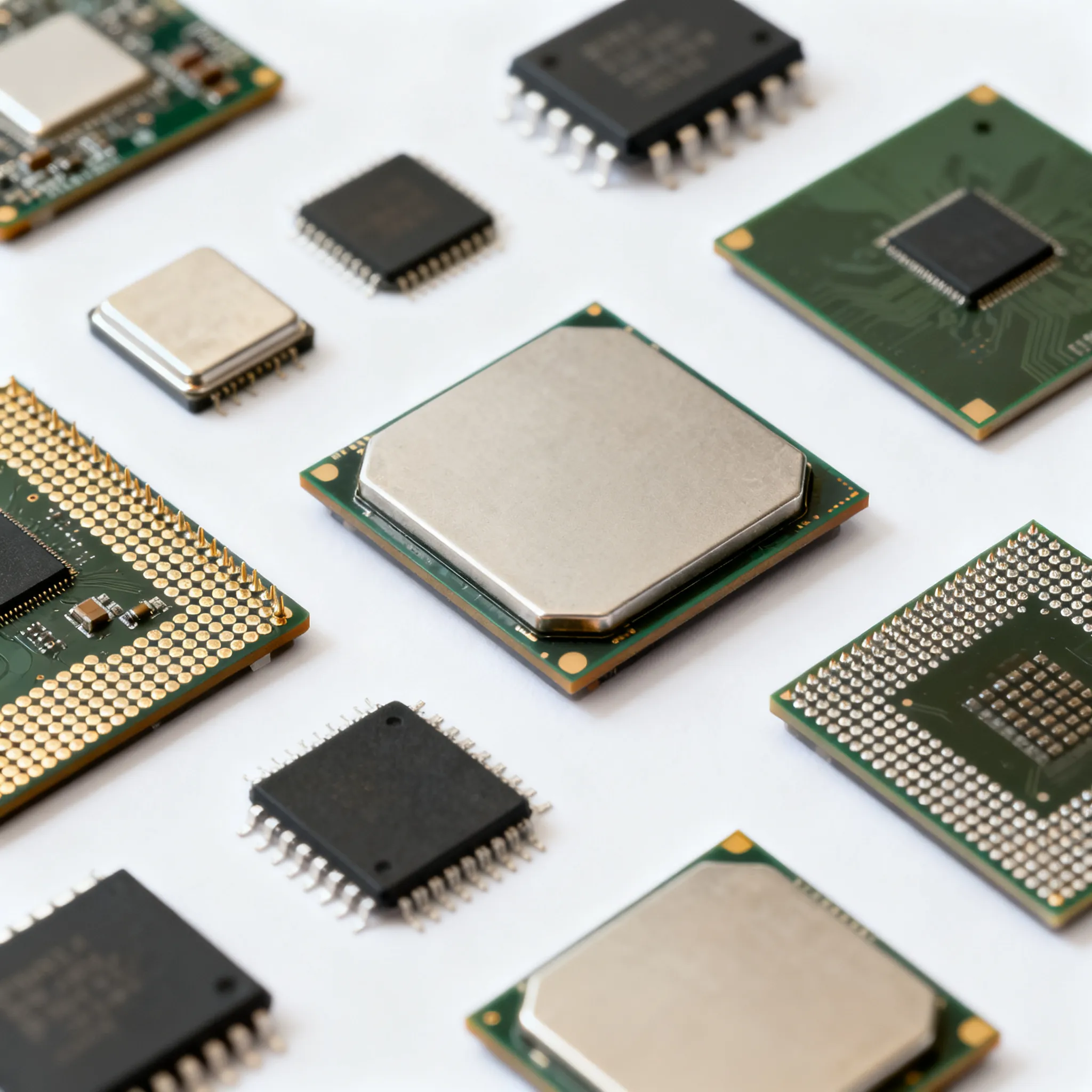
In the rapidly evolving field of electronics engineering, designing efficient circuits is paramount for achieving optimal performance and reliability. The selection of semiconductor chips plays a crucial role in circuit design, affecting everything from power consumption to signal integrity. With global semiconductor revenue projected to reach $595.2 billion by 2026, the importance of selecting the right components cannot be overstated. This article provides a comprehensive guide to understanding and selecting semiconductor chips, focusing on component specifications, datasheets, and application circuits to help engineers make informed decisions.
Technical Overview
At the heart of any electronic device lies a complex network of semiconductor chips, each tailored to perform specific functions. The selection of these components is guided by several core principles, including electrical, thermal, and mechanical specifications. Understanding these parameters is crucial for ensuring that the components meet the desired performance criteria and can withstand the operational environment.
Electrical specifications typically include parameters such as voltage ratings, current capacity, and switching speeds. Thermal specifications focus on the component's ability to dissipate heat and operate within safe temperature ranges, while mechanical specifications concern the physical dimensions and mounting options. These specifications are detailed in datasheets provided by manufacturers, serving as a critical resource for engineers during the design phase.
Application circuits demonstrate how components are used in real-world scenarios, providing insights into their functionality and performance. By examining these circuits, engineers can gain a deeper understanding of how to integrate components effectively into their designs. This technical overview sets the stage for a detailed exploration of specifications and design considerations, providing a solid foundation for selecting the right semiconductor chips.
Detailed Specifications
| Parameter | Value | Units | Notes |
|---|---|---|---|
| Operating Voltage | 3.3 - 5.5 | V | Common range for digital ICs |
| Max Current | 20 | mA | Per I/O pin |
| Switching Speed | 10 | MHz | Typical for general-purpose logic |
| Input Capacitance | 5 | pF | Low input capacitance for fast response |
| Output Impedance | 50 | Ω | Standard for signal integrity |
| Power Dissipation | 250 | mW | Max at 25°C |
| ESD Protection | 2 | kV | Human Body Model |
| Leakage Current | 1 | µA | At 25°C |
| Logic Levels | TTL/CMOS | - | Compatibility with various systems |
| Propagation Delay | 5 | ns | Typical for fast logic gates |
| Parameter | Value | Units | Notes |
|---|---|---|---|
| Thermal Resistance (Junction to Ambient) | 50 | °C/W | With standard heatsink |
| Operating Temperature Range | -40 to 85 | °C | Industrial grade |
| Storage Temperature Range | -55 to 150 | °C | - |
| Package Type | SOP-16 | - | Standard package type |
| Mounting Style | SMD | - | Surface Mount Device |
| Weight | 0.2 | g | Typical for the package |
| Lead Finish | Matte Tin | - | Lead-free |
| Moisture Sensitivity Level | 3 | - | JEDEC standard |
| Application | Component | Notes |
|---|---|---|
| Power Supply | LM7805 | Voltage regulator for stable output |
| Microcontroller | ATmega2560 | For complex control tasks |
| Signal Amplification | OPA2134 | Low noise operational amplifier |
| LED Driver | LM317 | Current regulation for LEDs |
| Data Conversion | ADS1115 | 16-bit ADC for precise measurements |
The tables above provide a detailed overview of the specifications necessary for selecting semiconductor chips. Electrical specifications outline the operational limits and capabilities, such as voltage, current, and speed. Thermal and mechanical specifications highlight the physical and environmental constraints, including thermal resistance, temperature ranges, and packaging details. The application comparison table illustrates various use cases for specific components, demonstrating their versatility and adaptability in different scenarios.
Design Considerations
Designing efficient circuits requires a careful balance of performance, cost, and reliability. When selecting semiconductor chips, engineers must consider several key factors to ensure optimal functionality and longevity of the circuit. One of the primary considerations is the electrical characteristics of the component. This includes ensuring that the voltage and current ratings align with the requirements of the application, as well as evaluating the switching speed and logic levels for compatibility with other components.
Thermal management is another critical aspect of circuit design. Components must be capable of dissipating heat effectively to prevent thermal runaway and ensure stable operation. This is particularly important for high-power applications, where inadequate heat dissipation can lead to component failure. Engineers must assess the thermal resistance and consider the use of heatsinks or other cooling methods to maintain safe operating temperatures.
Mechanical considerations, such as the package type and mounting style, also play a significant role in component selection. Surface mount devices (SMD) are popular for their compact size and ease of assembly, but engineers must ensure that the chosen package is compatible with the manufacturing process and the physical constraints of the design.
Finally, the availability and cost of components are practical considerations that cannot be overlooked. Engineers must ensure that the selected components are readily available through reliable distributors, such as DigiKey Electronics, and that they fit within the project's budget constraints.
Step-by-Step Guide
Designing efficient circuits involves a systematic approach to selecting semiconductor chips. The following step-by-step guide outlines the process for making informed decisions:
- Define the Application Requirements: Begin by clearly defining the requirements of your application, including the electrical, thermal, and mechanical parameters.
- Research Component Options: Utilize resources such as EE Times and component databases like DigiKey to research available components that meet your criteria.
- Evaluate Electrical Specifications: Compare the electrical specifications of potential components, ensuring they match the voltage, current, and speed requirements of your application.
- Assess Thermal Capabilities: Evaluate the thermal specifications, considering the thermal resistance and operating temperature range. Plan for adequate heat dissipation if necessary.
- Check Mechanical Compatibility: Ensure that the package type and mounting style are suitable for your design and assembly process.
- Review Application Circuits: Examine application circuits in datasheets to understand how the component performs in real-world scenarios.
- Consider Cost and Availability: Verify the cost and availability of the component through distributors like IC Online, ensuring it fits within your budget and timeline.
- Prototype and Test: Once a component is selected, build a prototype and conduct thorough testing to validate its performance in your application.
Common Issues & Solutions
While designing circuits, engineers often encounter various challenges. Here are some common issues and their solutions:
- Overheating: If a component overheats, consider using a heatsink or fan to improve heat dissipation. Ensure the thermal design is adequate for the power levels involved.
- Signal Integrity Problems: Poor signal integrity can be addressed by optimizing trace layout, using proper termination, and selecting components with suitable rise and fall times.
- Component Mismatch: Ensure all components are compatible with each other in terms of voltage levels and logic families. Mismatches can lead to malfunction or damage.
- Supply Chain Issues: If a component becomes unavailable, have alternative components in mind and verify their compatibility with the existing design.
- Unexpected Electrical Noise: Use filtering techniques, such as decoupling capacitors, to reduce noise and improve circuit stability.
Applications & Use Cases
Semiconductor chips are used in a wide range of applications, from consumer electronics to industrial automation. For example, microcontrollers like the ATmega2560 are used in robotics and IoT devices for their processing capabilities and versatility. Voltage regulators such as the LM7805 ensure stable power supply in various electronic devices, while operational amplifiers like the OPA2134 are essential in audio applications for signal amplification.
These components are integral to the functionality and performance of modern electronic systems, enabling innovation and technological advancement across industries.
Selection & Sourcing Guide
When selecting and sourcing components, it is essential to rely on reputable distributors to ensure quality and availability. IC Online offers a wide range of electronic components with competitive pricing and fast delivery, making it a valuable resource for engineers and designers.
FAQ
- What is the importance of semiconductor chip selection in circuit design?
Proper selection ensures optimal performance, reliability, and cost-effectiveness of the circuit. - How do I read a component datasheet?
Focus on key parameters like electrical, thermal, and mechanical specifications, as well as application circuits. - What are the common thermal management techniques?
Heatsinks, fans, and thermal pads are commonly used to manage heat dissipation. - How can I ensure component compatibility?
Check voltage levels, logic families, and electrical specifications to match components. - What should I do if a component is unavailable?
Identify alternative components and verify their compatibility with the existing design. - Why is signal integrity important?
Maintaining signal integrity ensures accurate data transmission and prevents errors. - How do I reduce electrical noise in my circuit?
Use filtering techniques such as decoupling capacitors and proper grounding. - What are some common applications of microcontrollers?
Microcontrollers are used in robotics, IoT devices, and consumer electronics for control and processing tasks. - How do I choose the right voltage regulator?
Select based on output voltage, current rating, and load requirements. - What role do operational amplifiers play in circuits?
They amplify signals and are used in applications like audio processing and sensor interfacing.
Conclusion
Selecting the right semiconductor chips is a critical aspect of designing efficient circuits. By understanding the detailed specifications and considering practical design factors, engineers can create reliable and high-performance electronic systems. This guide provides the knowledge and tools needed to make informed component selections, ensuring the success of your electronic designs.