Designing with the 24-21SURC/S530-A3/TR8: A Step-by-Step Guide for Engineers
Designing with the 24-21SURC/[sku:S530-A3]/TR8: A Step-by-Step Guide for Engineers table { border-collapse: collapse; width: 100%; } th, td {
Introduction
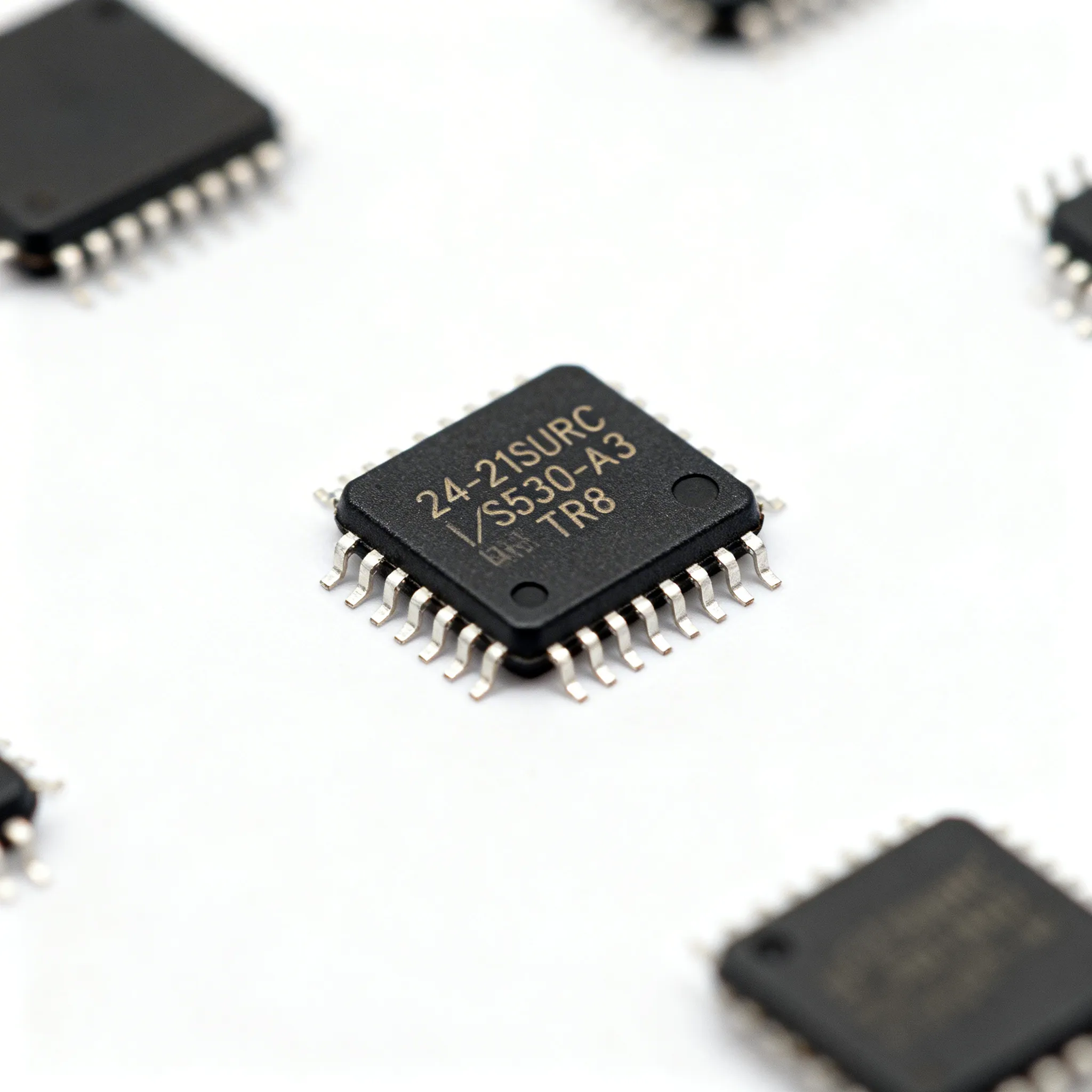
In the rapidly evolving world of electronics, designing with precision and efficiency is paramount. The 24-21SURC/S530-A3/TR8 is a high-performance surface-mount LED that offers engineers a reliable solution for a variety of applications. Understanding the process parameters, equipment requirements, and potential issues associated with this component is crucial for successful implementation. As global semiconductor revenue continues to rise, reaching $595.2 billion in 2026 according to the Semiconductor Industry Association, mastering the use of components like the 24-21SURC/S530-A3/TR8 is increasingly important for staying competitive in the market.
Technical Overview
The 24-21SURC/S530-A3/TR8 is a high-intensity red LED that is widely used in industrial, automotive, and consumer electronics applications. This LED offers superior brightness and energy efficiency, making it an ideal choice for applications requiring high visibility and low power consumption. The key specifications include a forward voltage of 1.8V to 2.4V, a luminous intensity of 1120 mcd, and a viewing angle of 120 degrees. These features make it suitable for a wide range of applications, from indicator lights to backlighting and more.
Understanding the core principles of LED technology is essential when designing with the 24-21SURC/S530-A3/TR8. LEDs operate by emitting light through electroluminescence, a process in which a semiconductor material emits light in response to an electric current. This technology offers advantages such as longer lifespan, lower energy consumption, and reduced heat output compared to traditional light sources. Engineers must consider these factors when integrating the 24-21SURC/S530-A3/TR8 into their designs to ensure optimal performance and reliability.
Detailed Specifications
| Parameter | Value | Unit | Tolerance | Notes |
|---|---|---|---|---|
| Forward Voltage | 1.8 - 2.4 | V | ±0.1 | Typical operating range |
| Luminous Intensity | 1120 | mcd | ±10% | At 20mA current |
| Viewing Angle | 120 | Degrees | N/A | Uniform light distribution |
| Reverse Voltage | 5 | V | ±0.5 | Maximum allowable |
| Operating Temperature | -40 to 85 | °C | N/A | Ambient conditions |
| Storage Temperature | -40 to 100 | °C | N/A | Non-operational conditions |
| Power Dissipation | 75 | mW | ±5 | Maximum |
| Current Rating | 20 | mA | ±1 | Nominal forward current |
| ESD Threshold | 2,000 | V | N/A | Human Body Model |
| Lead Soldering Temperature | 260 | °C | ±5 | Maximum for 10 seconds |
The above specifications provide a comprehensive overview of the 24-21SURC/S530-A3/TR8's performance parameters. Engineers must adhere to these specifications to ensure optimal functionality and longevity of the LED. By maintaining the recommended operating conditions, including forward voltage and current ratings, designers can prevent premature failure and maintain consistent light output.
Design Considerations
When integrating the 24-21SURC/S530-A3/TR8 into a design, several key considerations must be taken into account to ensure optimal performance. First, thermal management is critical, as excessive heat can degrade LED performance and reduce lifespan. Engineers should incorporate heat sinks or thermal pads to dissipate heat effectively. Additionally, proper current regulation is essential to prevent overdriving the LED, which can lead to increased power consumption and potential damage.
Another important consideration is the LED's viewing angle. The 24-21SURC/S530-A3/TR8 offers a 120-degree viewing angle, providing uniform light distribution. Designers should ensure that the LED's orientation and placement within the design accommodate this wide viewing angle to achieve the desired lighting effect. Furthermore, the LED's luminous intensity must be suitable for the intended application, whether it be for indicator lights, backlighting, or decorative lighting.
Proper electrical connections are also crucial when designing with the 24-21SURC/S530-A3/TR8. Engineers should use high-quality soldering techniques to ensure robust connections and prevent issues such as cold solder joints. Additionally, the use of appropriate resistors can help regulate current flow and prevent overcurrent conditions. By considering these factors, engineers can design reliable and efficient systems that maximize the potential of the 24-21SURC/S530-A3/TR8.
Step-by-Step Guide
- Component Selection: Begin by selecting the 24-21SURC/S530-A3/TR8 LED, ensuring it meets the requirements of your specific application in terms of brightness, color, and viewing angle.
- Circuit Design: Design the circuit layout, incorporating a current-limiting resistor to ensure the LED operates within its specified current range. Use Ohm's Law to calculate the appropriate resistor value based on the supply voltage and desired current.
- PCB Layout: Create a printed circuit board (PCB) layout that accommodates the LED's package dimensions and pin configuration. Ensure adequate spacing for thermal management and ease of soldering.
- Thermal Management: Integrate heat sinks or thermal pads into the design to dissipate excess heat generated during operation, thereby extending the LED's lifespan.
- Soldering: Carefully solder the 24-21SURC/S530-A3/TR8 onto the PCB using high-quality solder and appropriate techniques to avoid cold solder joints or damage to the component.
- Testing: Conduct thorough testing to verify the LED's performance, checking for proper brightness, color consistency, and thermal stability under operating conditions.
- Assembly: Assemble the final product, ensuring all components are securely mounted and electrically connected. Perform a final inspection to verify the integrity of the assembly.
- Quality Control: Implement quality control measures, such as automated optical inspection (AOI) and functional testing, to ensure the final product meets all specifications and performance criteria.
Common Issues & Solutions
| Issue | Cause | Solution |
|---|---|---|
| LED Flickering | Insufficient current regulation | Use a constant current driver to stabilize current flow |
| Reduced Brightness | Overheating | Implement better thermal management with heat sinks |
| Color Inconsistency | Batch variation | Select LEDs from the same production batch |
| Cold Solder Joints | Poor soldering technique | Ensure proper soldering temperature and technique |
| Short Circuit | Improper PCB layout | Redesign PCB with adequate spacing between traces |
| LED Failure | Overcurrent | Use appropriate current-limiting resistors |
Addressing common issues associated with the 24-21SURC/S530-A3/TR8 is essential for maintaining reliable performance. Flickering, for example, can often be resolved by ensuring proper current regulation through the use of constant current drivers. Similarly, overheating issues can be mitigated by implementing effective thermal management strategies, such as the use of heat sinks or thermal pads.
Applications & Use Cases
The 24-21SURC/S530-A3/TR8 finds application across numerous industries due to its high brightness and energy efficiency. In the automotive industry, it is commonly used for dashboard indicators and brake lights, where reliable performance and visibility are critical. In consumer electronics, it serves as an ideal choice for backlighting in displays and keypads, providing uniform illumination with low power consumption.
Additionally, the 24-21SURC/S530-A3/TR8 is utilized in industrial applications for status indicators on machinery and equipment. Its robust design and wide operating temperature range make it suitable for harsh environments. By leveraging its versatile properties, engineers can implement this LED in a variety of innovative applications, enhancing functionality and user experience.
Selection & Sourcing Guide
When selecting and sourcing the 24-21SURC/S530-A3/TR8, it is important to consider factors such as availability, pricing, and supplier reliability. Authorized distributors like IC Online offer competitive pricing and fast delivery, ensuring that engineers can obtain the components they need in a timely manner. Conducting thorough market research and comparing options across multiple suppliers can help ensure the best sourcing decisions.
FAQ
- What is the operating voltage range of the 24-21SURC/S530-A3/TR8?
The operating voltage range is 1.8V to 2.4V.
- How does the viewing angle affect the design?
A 120-degree viewing angle allows for uniform light distribution, which is important for applications requiring wide coverage.
- What measures can be taken to prevent overheating?
Implementing heat sinks or thermal pads can effectively dissipate heat and prevent overheating.
- Is the 24-21SURC/S530-A3/TR8 suitable for outdoor applications?
Yes, its wide operating temperature range makes it suitable for outdoor use, provided it is protected from direct exposure to elements.
- How can color inconsistency be minimized?
Using LEDs from the same production batch can help ensure color consistency across multiple units.
- What is the maximum power dissipation?
The maximum power dissipation is 75 mW.
- How should the LED be stored?
The storage temperature should be between -40°C and 100°C in a dry, static-free environment.
- What is the ESD threshold for the 24-21SURC/S530-A3/TR8?
The ESD threshold is 2,000V according to the Human Body Model.
- Can the LED be used in high-vibration environments?
Yes, provided it is securely mounted and proper shock-absorbing measures are in place.
- What soldering temperature is recommended?
The recommended soldering temperature is 260°C for a maximum of 10 seconds.
Conclusion
Designing with the 24-21SURC/S530-A3/TR8 requires a comprehensive understanding of its specifications, design considerations, and potential issues. By following detailed guidelines and implementing best practices, engineers can harness the full potential of this high-performance LED for a wide range of applications. With the continued growth of the semiconductor industry, mastering the use of components like the 24-21SURC/S530-A3/TR8 is essential for innovation and success in the field of electronics engineering.