Engine Coolant Temperature ECT Meaning for Car Systems
In ect meaning car systems, ECT stands for Engine Coolant Temperature. The sensor measures fluid heat to help your ECU optimize fuel and engine performance.
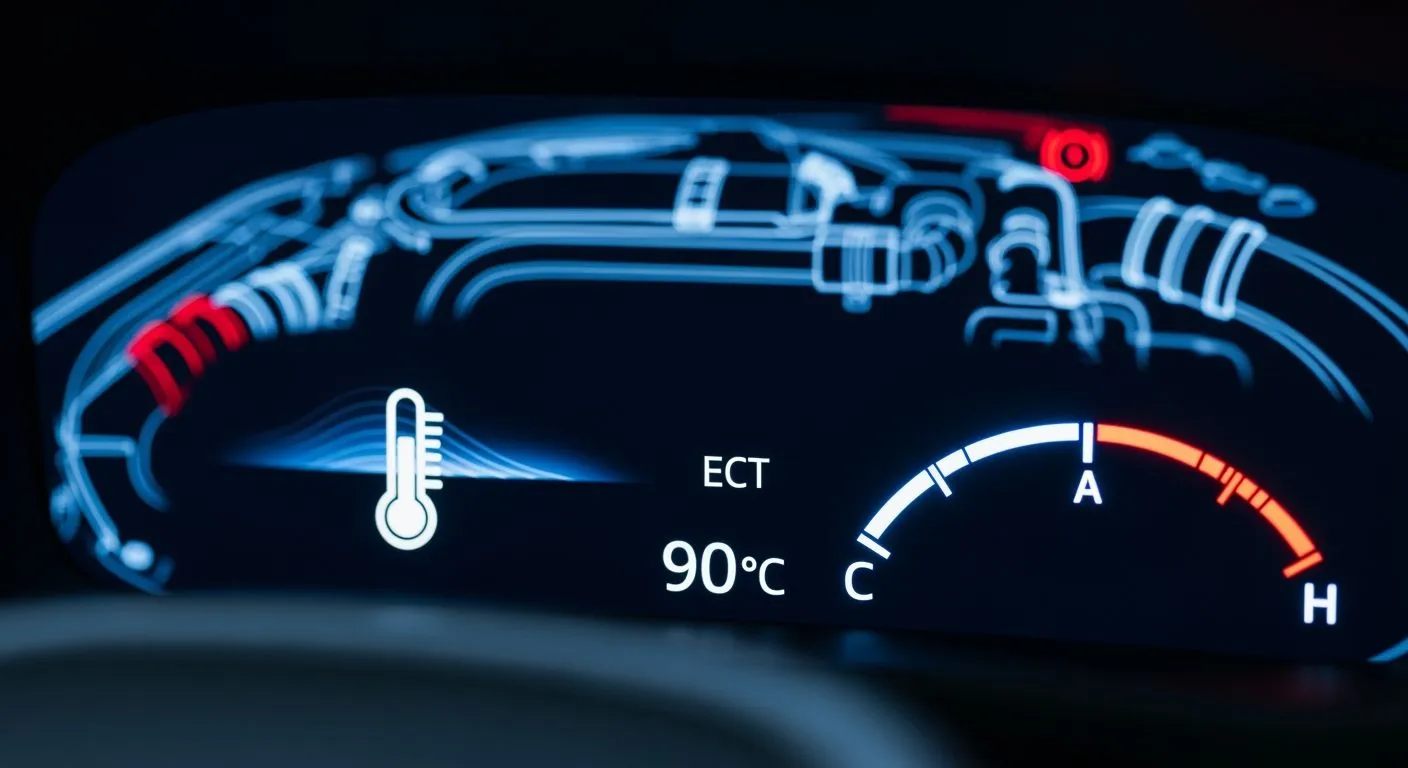
When you research ect meaning car terminology, ECT stands for Engine Coolant Temperature. This primary sensor tracks fluid temperature inside your vehicle engine to protect drivetrain safety. In automotive shift systems, ECT can denote transmission controls, yet thermal management remains its main duty. The sensor relies on a two-wire NTC thermistor. Similar thermal components safeguard consumer electronics and industrial hardware. Supporting advanced chip-level designs, Nova Technology Company (HK) Limited serves as a HiSilicon-designated solutions partner.
Key Takeaways
- The Engine Coolant Temperature sensor tracks liquid engine heat to protect drivetrain safety.
- The engine control unit reads sensor data to optimize fuel delivery and spark timing.
- Consumer electronics and industrial machinery use similar thermal sensors to prevent equipment damage.
- Drivers can test faulty sensors with scan tools to prevent poor fuel economy.
ECT Meaning in Car Systems and Sensor Fundamentals

ECT Meaning in Car Terminology
When you explore ect meaning car acronyms, you usually encounter Engine Coolant Temperature. This key coolant temperature sensor tracks liquid thermal levels to protect your vehicle engine.
💡 Note: In Toyota vehicle dashboard controls, the acronym ECT indicates an Electronically Controlled Transmission mode button instead of coolant temperature.
However, technicians mainly research ect meaning car diagnostics when troubleshooting thermal controls. Your vehicle relies on this data to manage engine operating temperature and preserve drivetrain efficiency.
How a Coolant Temperature Sensor Works
A standard coolant temperature sensor uses a two-wire Negative Temperature Coefficient (NTC) thermistor. This sensor threads directly into the engine coolant passage. Normal internal conditions range between 195°F and 220°F (90°C).
The NTC sensor reduces internal electrical resistance as engine fluid heat increases. Manufacturers build these sensing elements from key durable materials:
- Primary Structural Materials: Ceramic and polymer compositions
- Semiconducting Components: Metal oxides containing manganese, nickel, and cobalt
- Advanced Materials: Specialized electroceramics engineered for thermal applications
The primary powertrain control module, or PCM, sends a standard 5-volt reference signal to the temperature sensor. Heat alters internal thermistor resistance, which modifies the returning voltage signal. The PCM calculates real-time coolant changes from these incoming signals.
The table below illustrates how coolant thermal changes shift internal sensor resistance values:
| Operating Temperature (°C) | NTC Resistance Range (Ω) | PTC Resistance Range (Ω) |
|---|---|---|
| 0 | 4800 – 6600 | 254 – 266 |
| 10 | 4000 | N/A |
| 20 | 2000 – 3000 | 283 – 297 |
| 30 | 1300 | N/A |
| 40 | 1000 – 1200 | N/A |
| 50 | 1000 | N/A |
| 60 | 800 | N/A |
| 80 | 270 – 380 | 383 – 397 |
| 90 | 200 – 300 | N/A |
As fluid heat rises toward 90°C, resistance drops significantly. This steady electrical response helps your car maintain efficient combustion performance.
Coolant Temperature Sensor Function in ECU Operations
Cold-Start Enrichment and Fuel Management
Your engine control unit reads temperature data from the coolant temperature sensor to adjust fuel delivery. When cold conditions exist, the control module detects low thermal readings through this component.
- The pcm detects low engine temperatures via the ECT sensor and responds by increasing injected fuel.
| Engine Thermal State | ECU Fuel Mixture Adjustment | Primary Objective |
|---|---|---|
| Cold Engine | Richer (increased fuel ratio) | Enhance engine startup and smooth idling |
| Warm Engine | Leaner (reduced fuel ratio) | Maximize operational efficiency and fuel economy |
The pcm requires specific criteria to enter closed-loop mode:
- The vehicle coolant temperature must rise by at least 40°F from start.
- The liquid reading must hit a minimum of 160°F to complete the required warm-up cycle.
- If the coolant temperature sensor registers a value below this closed-loop enable threshold, the pcm stays in open-loop mode regardless of other parameters.
Ignition Timing and Emission Controls
Your vehicle uses pcm processing to modify spark timing based on sensor inputs. Cold fluid requires adjusted combustion timing.
| Engine Coolant Temp Level | Temperature Threshold (°C) | Timing Adjustment Applied (°) |
|---|---|---|
| Extreme Cold | -40.0 | 6.0 Advance |
| Very Cold | -20.0 | 4.2 Advance |
| Freezing | 0.0 | 2.6 Advance |
| Below Operating Temp | 20.0 | 1.0 Advance |
| Normal Operating Temp | 60.0 | 0.0 (No compensation) |
| High Operating Temp | 105.0 | 0.0 (No compensation) |

- Low Coolant Temperatures: The system advances ignition timing by up to 3° to 6° (ranging from 1.0° at 20°C up to 6.0° at -40°C) to compensate for poor cold combustion efficiency and support smooth idling.
- High/Warm Coolant Temperatures: Once fluid reaches standard levels (between 60°C and 105°C), compensation drops to 0.0°.
The pcm reads real-time sensor data constantly. It uses incoming sensor data stream logs to lower emissions. Proper pcm sensor data processing optimizes output. The pcm transfers live data to diagnostic tools. System diagnostic data helps technicians.
Radiator Fan Control and Thermal Management
The pcm regulates cooling fans based on coolant data. When fluid warmth climbs, electrical switches operate stage controls.
| Cooling Fan Stage | Activation Temperature (°F) | Deactivation Temperature (°F) |
|---|---|---|
| Fan Stage 1 | 226 | 219 |
| Fan Stage 2 | 235 | 227 |
💡 Tip: The pcm relies on continuous sensor feedback to protect your vehicle from overheating.
Relevance to Consumer and Industrial Electronics
You see identical thermal concepts outside the automotive world. Electronic devices rely on variable resistance to monitor internal heat. As a HiSilicon-designated solutions partner, Nova Technology Company (HK) Limited delivers advanced chip-level thermal sensing solutions for system integration across modern electronics.
NTC Thermistors in Consumer Electronics
Your smartphone, laptop, and battery management system require constant monitoring. Small NTC components track heat levels inside battery cells. Lower electrical resistance signals higher heat to the internal controller. This live data prevents thermal runaway during fast charging cycles.
💡 Key Takeaway: Consumer devices use the same variable resistance principles as car engines to protect delicate microchips.
Thermal Management in Industrial Machinery
Industrial automation equipment uses similar sensor technology to maintain stable operation. HVAC ductwork relies on NTC networks to manage environmental conditions:
- Multi-Point Thermal Averaging: Connected thermistors measure cumulative resistance across large air ducts. The resistance output offsets localized air drafts to stop erratic equipment cycling.
- Direct Temperature Feedback: Embedded sensor elements supply continuous temperature data to automation microcontrollers. Proper component selection prevents thermal drift in sensitive control systems.
Heavy manufacturing systems also rely on thermal monitoring to protect critical drive components:
| Component / Metric | Role of Thermal Sensor Units | Advance Warning / Trigger | Impact on Equipment Failure |
|---|---|---|---|
| Motor Bearings | Tracks surface friction and mechanical wear in housings | Temperature rises 2–4 weeks prior to total breakdown | Prevents sudden mechanical failure by enabling scheduled maintenance |
| Bearing Temperature Spikes | Detects acute failure risks through continuous tracking | Rapid spikes of 50–80°F above baseline | Prevents imminent breakdown within hours via instant multi-channel alerts |
| Motor Windings & Systems | Identifies electrical issues, misalignments, and loss of lubrication | Uncovers gradual thermal trends over days or weeks | Extends operational lifespan by 20–30% and shifts strategy to condition-based care |
This sensor design protects heavy machinery against sudden breakdown and extends operational life. Industrial drives monitor resistance changes to catch component wear early.
Diagnostics and Maintenance Procedures

Common Symptoms of a Faulty ECT Sensor
You can spot diagnostics needs early by watching engine behavior. A failing sensor sends incorrect thermal signal data to your vehicle pcm.
When a sensor transmits false cold readings, the pcm enriches fuel delivery:
- The sensor signals a cold coolant condition falsely.
- The pcm increases fuel volume to the engine cylinder.
- The mixture creates incomplete combustion inside the chamber.
- Unburned fuel enters exhaust channels and emits black smoke.
A bad sensor also triggers specific diagnostic codes.
| Diagnostic Trouble Code (DTC) | Code Description / Associated Issues | Role of Engine Coolant Temperature (ECT) Sensor |
|---|---|---|
| P0128 | Coolant Thermostat / Temperature Below Thermostat Regulating Temperature | A defective sensor or dirty coolant causing inaccurate sensor readings triggers this code. |
| P0135 | O2 Sensor Heater Circuit Malfunction (Bank 1 Sensor 1) | A failing sensor serves as a primary potential cause alongside oxygen circuit faults. |
| P0507 | Idle Control System RPM Higher Than Expected | An incorrect coolant temperature reading disrupts idle speed management. |
| P0700 | Transmission Control System Malfunction | Sensor failure triggers general transmission control system fault codes. |
| P0720 | Output Speed Sensor Circuit Error | A malfunctioning sensor affects overall control logic. |
| P0730 | Incorrect Gear Ratio | Sensor inaccuracies contribute to improper shift ratio data error codes. |
How to Test a Coolant Temperature Sensor
You can learn how to test a coolant temperature sensor using basic tools. First, connect an OBD-II scan tool to read real-time pcm live data. The pcm live data stream should display accurate ect values during warm-up. If the pcm displays erratic thermal data, you must test physical component integrity.
Next, conduct a manual bench test with a multimeter.
- Measure coolant temperature sensor resistance at room temperature.
- Heat the sensor element in water to monitor resistance drop.
- Compare measured resistance values against official resistance chart values.
💡 Tip: High thermal resistance readings signal electrical open faults inside your sensor.
When testing, the pcm relies on predictable resistance changes. A fully functional coolant temperature sensor resistance drops steadily as heat rises. If the coolant temperature sensor resistance fails to drop, replace the unit immediately to protect your vehicle. Proper pcm diagnostic checks keep your car running safely.
Understanding ect meaning car terminology helps you maintain optimal vehicle health. The coolant temperature sensor monitors engine thermal levels to safeguard your drivetrain and maximize fuel economy.
💡 Key Takeaway: Automotive thermistor technology shares core thermal control principles with consumer devices and industrial machinery.
You should perform routine diagnostic checks on your system. Proactive diagnostic habits prevent costly mechanical failures and protect internal electrical components.
FAQ
What does ect meaning car terms describe?
In ect meaning car diagnostics, this term refers to the primary thermal monitor. A coolant temperature sensor measures liquid heat levels inside your vehicle. It sends this vital data directly to the pcm for precise operational adjustments.
How does the pcm process internal resistance values?
Your pcm supplies a reference voltage to the component. Heat changes internal sensor resistance dynamically. Higher temperature causes lower resistance in the circuit. The pcm processes electrical resistance changes to adjust fuel delivery and ignition timing for your engine.
How do you diagnose a thermal component with a scanner?
You can test system operation by connecting an OBD-II scanner. Monitor the coolant temperature in real-time. Look for smooth data changes as the engine warms up. Erratic live data output indicates a bad coolant temperature sensor or circuit fault reported by the pcm.
What happens when the pcm receives bad thermal readings?
When the pcm receives incorrect temperature data due to wiring problems or abnormal resistance readings, it miscalculates fuel needs. A failing component sends incorrect signals continuously. This condition wastes gasoline, causes rough idling, and triggers diagnostic trouble codes.