

Flexible MOQ and Mixed BOM Sourcing for NPI: BOM Upload and RFQ on IC‑Online
BOM and RFQ best practices for electronic component procurement. Upload your BOM or request a quote for mixed lines and flexible MOQ.
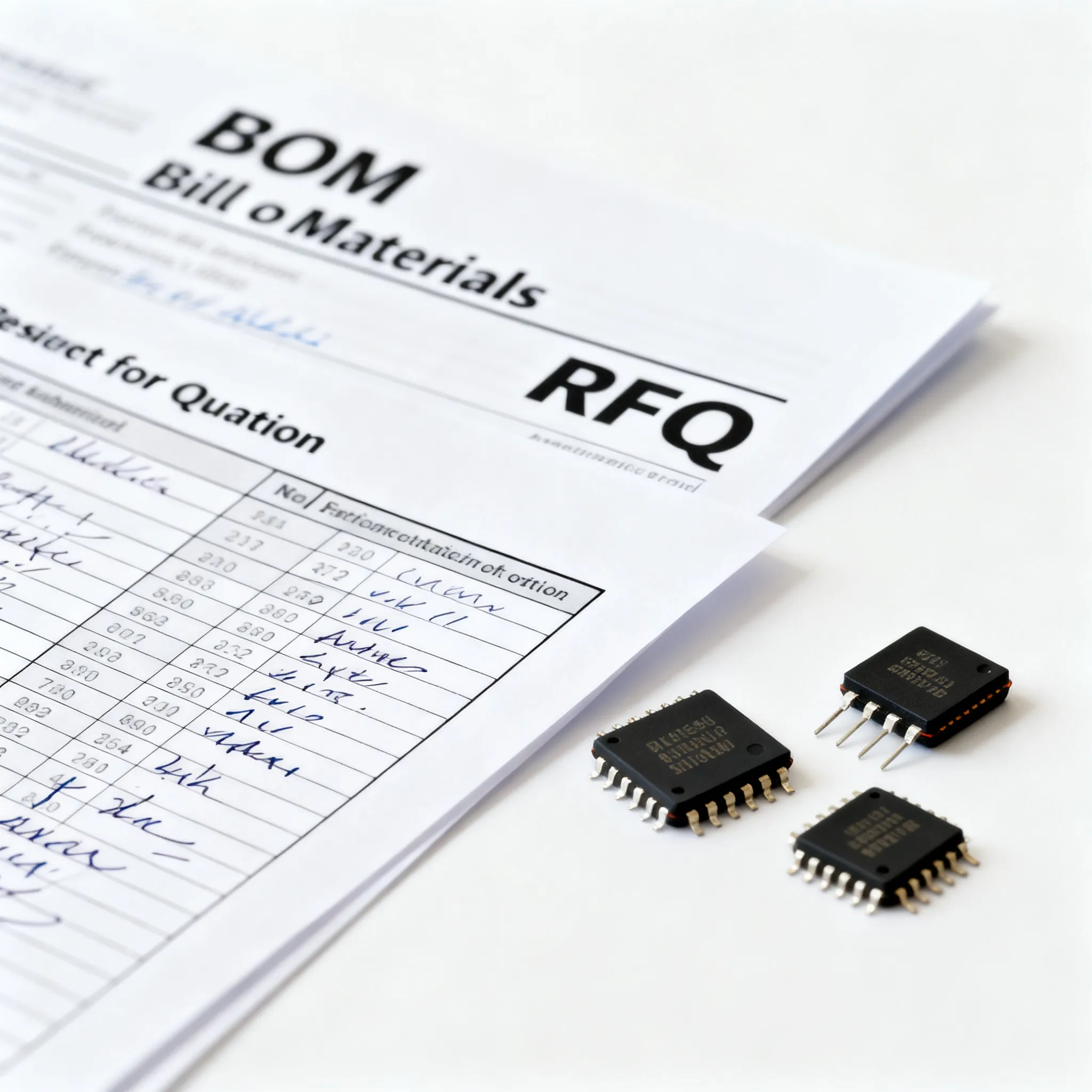
Why Flexible MOQ and Mixed BOM Sourcing Is a Lifeline for NPI in 2026
New product introduction cycles have never faced a more unforgiving procurement landscape. Engineering teams push to freeze bills of materials, only to discover that the passive components spec’d during design carry a 10,000-unit minimum order quantity — and the microcontroller is allocation‑sensitive, with distributors unwilling to commit without a full production forecast. In 2025, the electronics supply chain absorbed a wave of shortages that spilled into 2026, making allocation-aware sourcing the single most critical skill for any OEM or EMS team that wants to keep NPI builds on schedule. IC-Online’s 2026 Electronic Component Shortage Update outlines how these constraints forced buyers to move from single‑source, high‑MOQ orders toward flexible, mixed‑bill strategies that separate high‑runner parts from low‑volume evaluation devices inside the same RFQ.
Yet flexible MOQ alone isn’t enough. When a BOM lands on a procurement desk carrying phantom routing codes — internal part numbers that don’t map to buyable manufacturer MPNs — the sourcing cycle restarts, eating weeks that an NPI timeline can’t afford. LightSource’s deep dive on BOM data controls puts this bluntly: “Set hard systemic rules and logic validations for phantom routing. Mandate cross‑functional MBOM reviews to ensure all non‑designed consumables and packaging are appended before NPI release.” This discipline is what separates a mixed‑BOM sourcing process that accelerates builds from one that limps through endless re‑quoting loops.
The table below captures the macro forces reshaping how procurement teams approach BOMs in 2026. Each driver reinforces why mixed‑BOM upload and packaged RFQ are no longer nice‑to‑have — they are the default operating model for NPI.
| Driver | Mechanism | Procurement Impact |
|---|---|---|
| Allocation‑sensitive semiconductor supply | Fab capacity constraints and foundry prioritisation limit uncommitted inventory for mature nodes. | Buyers must confirm allocation‑backed lead times via RFQ; single‑source BOMs risk months‑long delays if one line goes on allocation. |
| Rigid MOQ on production‑oriented components | Reel‑ and tray‑packaged parts carry tape‑and‑reel minimums that far exceed NPI prototype quantities. | Without a flexible MOQ wrapper, teams either over‑buy and waste working capital or split orders manually across multiple suppliers, losing cost leverage. |
| Phantom routing and incomplete MBOM data | Engineering BOMs use internal part codes; manufacturing BOMs require manufacturer MPNs, packaging types, and consumables. | Manual phantom cleanup after BOM release introduces sourcing delays and version mismatches, forcing re‑quotes that stall NPI builds. |
| Multi‑supplier pricing opacity | Distributors and brokers quote different Incoterms, currency bases, and packaging surcharges that hide true landed cost. | Normalising quotes without automated RFQ packaging adds 2–5 days of manual calculation and exposes the buyer to hidden logistics premiums. |
| NPI‑driven mix of high‑volume and one‑off lines | A single BOM includes production‑volume MCUs, small‑batch connectors, and evaluation‑only sensor modules. | Traditional sourcing treats each line independently, losing the opportunity to bundle freight, negotiate volume breaks on the high runners, and secure supply commitments across the whole BOM. |
Mixed BOM sourcing attacks these problems head‑on. Instead of treating a 200‑line BOM as 200 individual purchase orders, it wraps everything into a single, line‑item‑aware RFQ that respects the real minimum order quantity per MPN while aggregating freight, packaging, and allocation conditions. The next section unpacks exactly how BOM upload and RFQ packaging on IC‑Online turn this concept into a repeatable workflow.
How BOM Upload and RFQ Work Together to Unlock Mixed‑Line Sourcing
The IC‑Online flow is designed to mirror how engineering and procurement actually hand off data — often messy, sometimes raw, but always urgent. You upload a BOM file, which the platform parses line by line, extracting manufacturer part numbers, quantities, reference designators, and any packaging hints present in the spreadsheet. From that moment, the system does not treat the BOM as a flat list. It groups parts by category, flags MOQ constraints, and builds an RFQ package where a production‑volume STM32 sits next to a handful of prototyping connectors, and the quote you receive respects the distinct supply realities of each line.
The OpenBOM fundamentals note that the RFQ specifies the Minimum Order Quantity. On IC‑Online, this principle is applied at the individual line level. A passive like a 100 nF MLCC in 0402 may carry a full‑reel MOQ of 10,000 pieces, while the adjacent voltage regulator is available in cut‑tape minimums of 50. The RFQ engine doesn’t blindly impose the same MOQ across the board; it matches each line to suppliers willing to meet the requested quantity or proposes an economically sensible increment that avoids dead stock. This is the practical expression of flexible MOQ — and it’s what allows an NPI build to proceed without tying up capital in 18 months of buffer inventory for a single passive.
When the system encounters a line that triggers an MOQ far above the requested quantity, it can optionally surface alternative supplier parts — functionally equivalent devices with relaxed minimums — following a confidence‑rated suggestion model analogous to Altium 365’s sourced manufacturer data. Procurement then accepts or declines alternates inside the quote, maintaining full control while cutting days of manual cross‑reference work.
The BOM cost reduction and PPV management post on IC‑Online’s blog shows how packaging mixed parts reveals real cost comparisons, not supplier risk premiums. That’s essential: when freight and handling are spread across a single consolidated shipment, the apparent price delta between two suppliers often shrinks dramatically. The table below contrasts the traditional single‑BOM, single‑supplier mindset with what mixed‑BOM sourcing delivers for a representative NPI assembly — microcontrollers, passives, connectors, and power management ICs.
| Parameter | Traditional Single‑BOM Sourcing | Mixed‑BOM Sourcing on IC‑Online | NPI Benefit |
|---|---|---|---|
| MOQ treatment | One MOQ per supplier; over‑buy on low‑volume lines to meet reel minimums. | Line‑level MOQ matching; alternate part suggestions for high‑MOQ lines. | Lower prototype‑stage inventory; working capital stays focused on volume runners. |
| Alternate part handling | Engineer manually cross‑references and re‑releases BOM; version chaos. | Confidence‑rated alternates proposed within the RFQ; accept/decline inline. | Hours saved per revision; BOM freezes faster. |
| Freight and packaging costs | Hidden per‑supplier surcharges; buyer normalises currencies and Incoterms manually. | Packaged quote shows landed cost inclusive of handling, consolidated freight. | True cost comparison within one business day; no post‑award surprises. |
| Phantom routing readiness | Raw eBOM passes with internal codes; procurement asks engineering for MPNs. | Upload validates MPN‑to‑description mapping; early flag if a line can’t be sourced. | One less iteration during the sourcing window. |
| Allocation risk visibility | Discover allocation at order‑placement time; lead‑time swing kills schedule. | Confirmation of allocation‑backed supply during RFQ; supplier diversification built into the package. | Schedule confidence; go/no‑go decision anchored in real data. |
What makes this work is not just the parsing layer. It’s the discipline that the platform imposes on the buyer’s data. As soon as phantom codes or ambiguous descriptions appear, the upload flags them, pushing the cleanup upstream where it belongs — ideally during schematic capture, not after layout completion. This is a direct application of the practices detailed in Altium’s BOM error‑reduction guide: catch the error when the design is still malleable, not when the purchase order is about to be cut.
BOM Sourcing Platforms for Mixed‑Line Orders: IC‑Online, Altium BOM Portal, and Elisa Industriq Compared
Engineers and buyers today have several tools that advertise BOM management, but their design philosophies diverge sharply when it comes to mixed‑line sourcing and flexible MOQ handling. Understanding these differences helps teams decide where to anchor their NPI procurement workflow. The comparison below looks at IC‑Online alongside two prominent alternatives — the Altium BOM Portal, deeply integrated with the design environment, and the Elisa Industriq RFQ platform, which emphasises procurement analytics and multi‑supplier normalisation.
| Platform / Feature | IC‑Online | Altium BOM Portal | Elisa Industriq | Procurement Decision Note |
|---|---|---|---|---|
| Primary user | Procurement leads and buyer teams handling NPI BOMs. | Design engineers transitioning to procurement within the Altium ecosystem. | Strategic procurement managers and supply chain analysts. | Choose based on who owns the sourcing: procurement or engineering. |
| BOM upload & parsing | Accepts raw Excel/CSV; parses MPN, quantity, description; flags phantom codes and MOQ mismatches during upload. | Direct sync from Altium Designer; BOM is already “clean” with manufacturer data linked. Multi‑level BOM support for complex assemblies. | Ingests structured BOMs and supplier templates; less forgiving of raw engineering data; designed for mature, standardised part lists. | IC‑Online is built for the messy handoff typical in NPI. Altium requires design‑side discipline. Elisa expects procurement‑ready data. |
| Flexible MOQ handling | Core feature: line‑level MOQ matching, alternate suggestions for high‑MOQ parts, consolidated RFQ packaging. | Order List compares stock, pricing, MOQs across enabled distributors; suggests alternates based on side‑by‑side comparisons. | Automated MOQ adjustments and compliance checks across supplier quotes; normalisation removes manual effort. Packaging cost alignment built into the workflow. | All three handle MOQ variation. IC‑Online’s strength is bundling mixed lines into a single quote; Altium’s strength is in‑design alternates; Elisa’s strength is post‑RFQ analytics. |
| Reverse‑RFQ / alternate engine | Supplier‑side alternates suggested with confidence ratings during quotation; buyer accepts/declines inline. | Confidence‑rated alternates based on manufacturer data; integrated into the BOM Portal with stock availability. Altium 365 sourced data. | Alternatives flagged during the RFQ analysis phase, tied to lead‑time and cost deviations; less design‑centric. | IC‑Online delivers alternatives in the quote context; Altium in the design context; Elisa in the spend‑analysis context. |
| Post‑RFQ analytics | Landed‑cost comparison, allocation alerts, supplier mix visible in the quote package. PPV tracking available through platform. | Dashboards within Altium 365 for procurement health, cost variance, but analytics are design‑centric. | Rich procurement analytics dashboards; cost variance, lead‑time risks, supplier performance trends. Elisa Industriq’s analytics. | Teams focused solely on supply‑side analytics may prefer Elisa; those wanting a procurement‑first mixed‑BOM workflow lean toward IC‑Online. |
IC‑Online’s native value proposition rests in its upload‑and‑package approach, which was purpose‑built for procurement‑led NPI sourcing rather than design‑authoring workflows. This means the platform doesn’t require a specific ECAD tool — you can drag in a procurement BOM from any ERP or spreadsheet — and the RFQ you receive is ready for a purchase decision without extra data massaging. For organisations where the buyer owns the sourcing strategy and the engineer is the approval checkpoint, this separation of concerns removes the bottleneck that often forms when procurement must wait for engineering to “clean up” a BOM inside a design tool.
Seven Rules for BOM Upload and RFQ Packaging That Prevent MOQ Pitfalls and NPI Delays
Flexible MOQ and mixed BOM sourcing are powerful concepts, but their effectiveness hinges on the hygiene of the data that enters the RFQ process. The following seven rules are derived from real NPI scenarios — where a single line with an unverified MOQ held a prototype build for three weeks, or where hidden packaging charges erased the savings of a “cheap” copper‑wire connector. They translate the research‑backed best practices into actions that any procurement engineer can apply immediately on IC‑Online.
- Validate BOM data during schematic and layout stages — not post‑layout. Errors like missing manufacturer part numbers, stale internal codes, and incorrect package designators are exponentially cheaper to fix before the first RFQ is issued. Altium’s BOM error reduction guide stresses that verification should happen when the design is still open, using vetted component libraries, so you avoid manual BOM edits that introduce new errors.
- Set hard systemic rules for phantom routing. Phantom codes — internal part numbers that don’t resolve to a buyable MPN — are the single largest source of re‑quoting delays. LightSource’s BOM data controls advocate for mandatory cross‑functional MBOM reviews before NPI release, ensuring every line maps to a real manufacturer part and every consumable—labels, packaging, sealing materials—appears in the BOM.
- Flag MOQ mismatches and packaging charges early. When the RFQ engine surfaces lines where the requested quantity is far below the standard reel minimum, don’t wait for the supplier to propose a compromise. Pre‑emptively set alternate‑part acceptance criteria in the upload notes. This primes the platform to prioritise lines where a cut‑tape or small‑reel option exists, or to propose an electrically equivalent device with a lower MOQ.
- Normalise currency, Incoterms, and handling surcharges across supplier submissions. Automated normalisation — rule‑based standardisation of currency, delivery terms, and packaging fees — removes days of manual cleanup and exposes the true landed cost. Elisa Industriq’s RFQ analytics describe how templates that normalise these elements give procurement a single view of sourcing health, and the same logic applies when you package mixed BOMs on IC‑Online: the quote you receive should show landed cost on every line, not just ex‑works price.
- Always request alternative supplier parts with confidence ratings. The platform can propose substitutes based on electrical and physical equivalency, stock availability, and suitable MOQ, drawing on a mechanism similar to Altium 365’s sourced manufacturing data. Accepting an alternate without re‑validating the pinout and firmware compatibility is a risk — treat every alternate as a candidate, not a guaranteed drop‑in — but having the option presented inside the RFQ compresses the sourcing decision cycle by hours.
- Confirm allocation‑backed lead times before freezing the BOM. For lines identified as allocation‑sensitive in the 2026 shortage guide, request an allocation‑backed lead time commitment as part of the RFQ. This doesn’t mean a generic “8–12 week” estimate; it means a written confirmation from the supplier that stock is reserved against your order, with a committed ship date. Freezing a BOM without this confirmation is the fastest way to discover that your critical MCU is 20 weeks out when the build was supposed to start in four.
- Include split‑order scenarios as a standard part of the RFQ for allocation‑sensitive parts. If one component in the BOM triggers a high MOQ that you cannot absorb, ask the RFQ to present options for splitting the demand across two or three suppliers. This turns what would otherwise be an over‑buy into a network‑fill strategy, ensuring you get the quantity you actually need while staying within the suppliers’ minimums. The 2026 shortage update repeatedly frames flexibility as the buyer’s strongest countermeasure to allocation, and this rule operationalises that advice.
When these seven rules become embedded in your team’s standard operating procedure, the BOM upload and RFQ flow on IC‑Online stops being a transactional “send‑and‑wait” event and starts functioning as a risk‑management instrument. You surface component availability constraints, hide‑cost traps, and path‑to‑market obstacles in hours, not weeks.
NPI BOM Sourcing FAQs: MOQ Flexibility, Mixed Parts, and RFQ Response Times
Procurement leads and design engineers who are new to mixed‑BOM sourcing on IC‑Online frequently raise the same practical questions. The answers below draw on the platform’s documented mechanics, the supplier‑side realities of component allocation, and the RFQ processing rules that the industry has adopted over the past two years.
Q: Can I upload a BOM that contains both production‑volume parts and one‑off prototype samples and receive a single RFQ with flexible MOQs?
Yes. IC‑Online’s upload engine processes mixed lines natively and exposes the real minimum order quantity for every line item, whether it’s a 10,000‑piece reel of decoupling capacitors or five evaluation boards for a sensor. The RFQ packages high‑volume and low‑volume lines together so you compare landed costs without running separate negotiations. The foundation here is the rule that the RFQ specifies the Minimum Order Quantity — and on this platform, that specification is applied line‑by‑line rather than across the whole BOM.
Q: How does the IC‑Online RFQ handle alternate parts when original components have MOQ constraints?
During quotation, the system can propose alternative supplier parts based on electrical and physical equivalency, stock availability, and an MOQ that fits your requested quantity. This mechanism mirrors the sourced data model in Altium 365, where alternatives carry a confidence rating. You evaluate the alternate as a candidate — verifying package, pinout, and firmware compatibility — and then accept or decline it directly inside the quote. That keeps the decision within procurement’s workflow while still giving engineering the final sign‑off window.
Q: What turnaround time should I expect for a mixed BOM RFQ during NPI?
Turnaround depends on BOM complexity and current market conditions. The IC‑Online shortage blog underscores the priority to keep production lines moving by delivering requests quickly. For BOMs composed of previously vetted, standard‑shelf part numbers, quotes typically land within one business day. BOMs heavy with allocation‑sensitive or niche parts may require an extra day while the supply team confirms availability and allocation windows. The platform’s design goal is to compress the sourcing decision cycle so that NPI timelines don’t drift while you wait for a spreadsheet to become a purchase order.
Q: Do I need to clean my BOM before uploading, or can I send raw engineering data?
IC‑Online accepts raw BOMs — Excel, CSV, and even lightly formatted engineering outputs — but a clean BOM dramatically reduces re‑quoting cycles. The industry’s consensus, articulated in Altium’s BOM error guide, is that errors are best caught by validating package, MOQ, and component data during schematic or layout stages, not after layout completion. Sending a BOM with phantom codes or ambiguous descriptions may still generate a quote, but the supplier interactions required to resolve those ambiguities add latency. For NPI speed, aim to upload a BOM where every line carries a valid manufacturer part number, description, and package code.
Q: How does IC‑Online address packaging mismatches and hidden logistics costs in the quoted prices?
The RFQ packaging methodology surfaces extra handling or packaging charges before you commit. This mirrors the MOQ adjustment and packaging cost alignment steps described by Elisa Industriq, where costs for break‑out, re‑packaging, and freight consolidation are normalised early. IC‑Online’s own BOM cost reduction approach is built around the idea that a quoted price isn’t real until the landed cost — inclusive of all logistics and handling surcharges — is visible. That visibility eliminates the supplier risk premiums that often hide in the fine print of a DAP or Ex‑Works quote.
Q: What if allocation‑sensitive components still force a high MOQ? Can I split the line across suppliers?
Yes, the RFQ can be structured to include multiple supplier options for the same part number, giving you side‑by‑side split‑order scenarios. You can, for example, take 60% of the required quantity from a supplier who can ship now but demands a higher unit price, and the remaining 40% from a supplier with a slightly longer lead time but better cost. Sourcing teams use this technique to meet total demand without over‑buying, guided by the allocation alerts and supplier‑diversification thinking highlighted in the 2026 shortage update. It’s a pragmatic countermeasure to a supply chain that no longer offers all‑you‑can‑order availability on every node.
The common thread across all these FAQs is that flexible MOQ and mixed BOM sourcing are not features bolted onto a traditional procurement portal — they are the foundational logic of IC‑Online’s RFQ engine. When you upload a BOM, you’re not triggering a blind distributor query; you’re activating a structured sourcing event that respects the economic realities of each line while fighting to consolidate everything into a single, schedule‑defending package.
References & Further Reading
Related Articles
 Blog
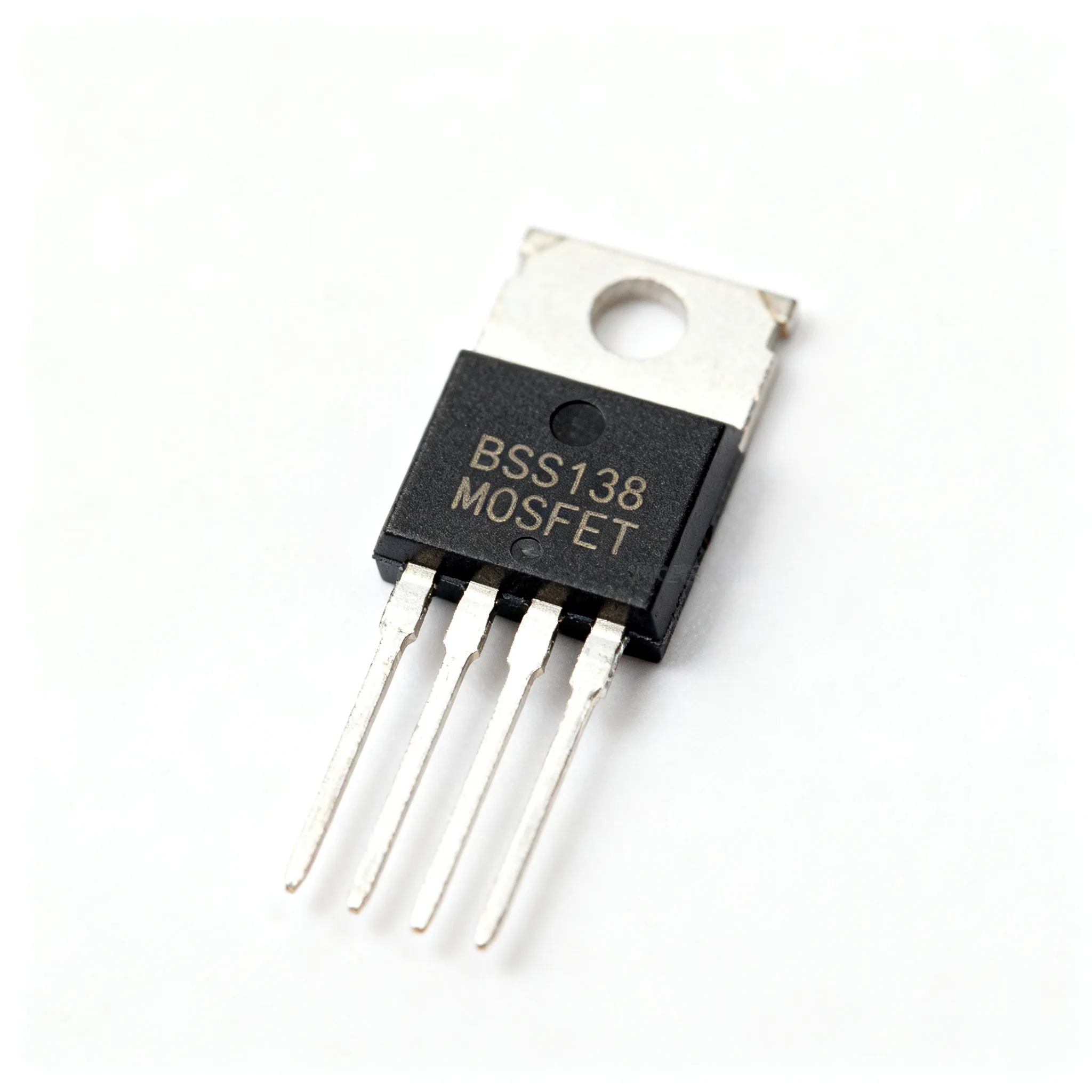
BlogBSS138 Datasheet and Pinout: Specs for Design and Sourcing
BSS138 datasheet essentials, pinout overview, key specs, and design/sourcing checks for engineers and buyers. Request a quote on IC-Online.
 Blog
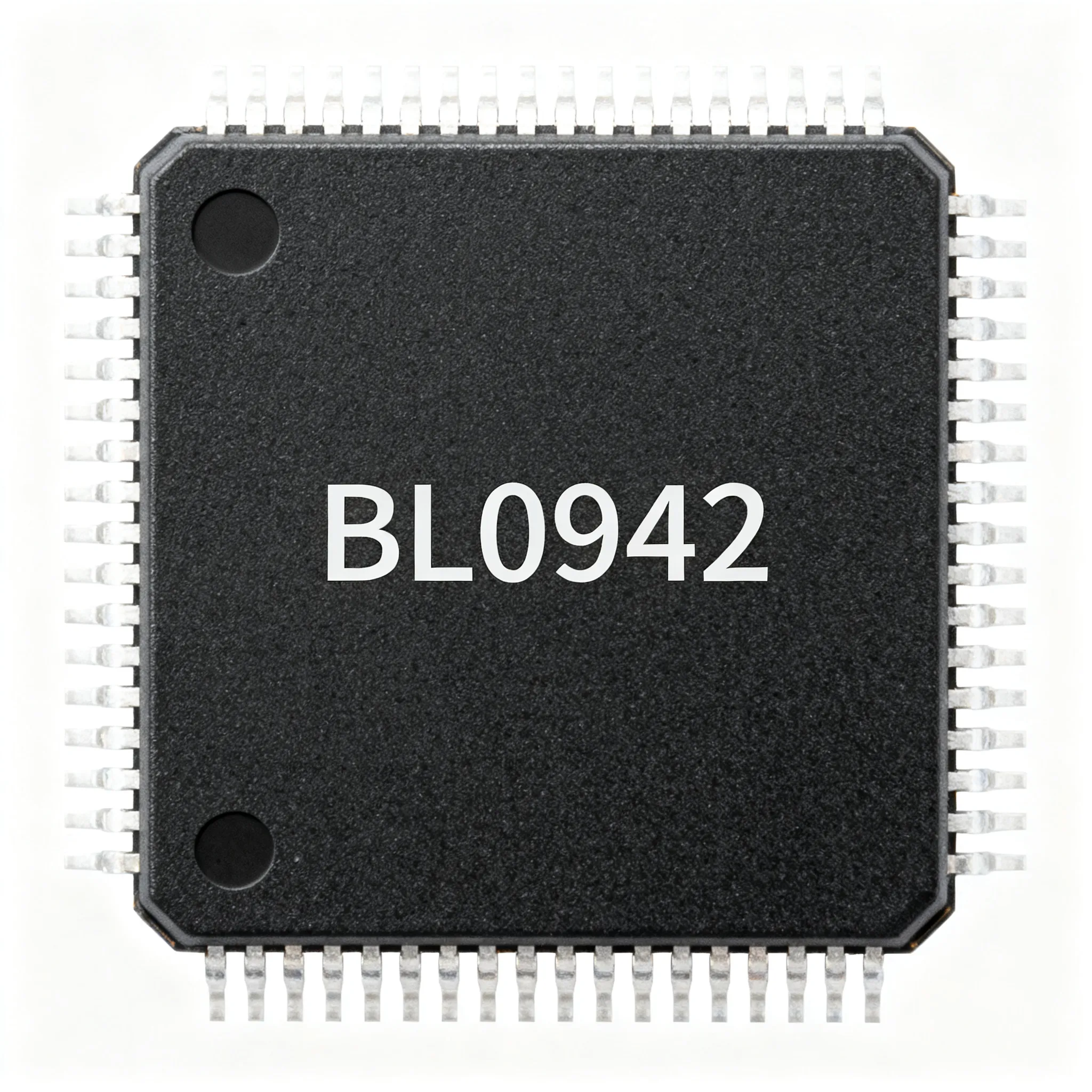
BlogBL0942 Supply Risk Assessment: What to Ask Before You Buy
Assess BL0942 sourcing risks before you buy. RFQ questions on traceability, date codes, testing, alternatives, and supply continuity for procurement teams.
- Blog
Flexible MOQ and Mixed BOM Sourcing for NPI: BOM Upload and RFQ on IC‑Online
BOM and RFQ best practices for electronic component procurement. Upload your BOM or request a quote for mixed lines and flexible MOQ.
 Blog
BlogWhat the Continuity Symbol Tells You About Circuits
The continuity symbol on a multimeter checks if a circuit is complete. A beep means current can flow; silence means a break. Use it to find faults fast.
 Blog
BlogPotentiometer Function: How It Works and Why
A potentiometer works by moving a wiper along a resistive strip to adjust resistance and voltage. This simple mechanism enables volume control, calibration, and position sensing.
 Blog
BlogDR 2032 Battery Guide for Modern Devices in 2026
A DR 2032 battery is a 20mm lithium coin cell (3V) that powers key fobs, motherboards, thermometers, and sensors. Learn about compatibility and common uses.