How a Car Sound System Capacitor Supports High Volume Playback
You want your music loud and clear, but sudden drops in power can ruin the experience. A car sound system capacitor steps in

You want your music loud and clear, but sudden drops in power can ruin the experience. A car sound system capacitor steps in to help. It stores electrical charge so your amplifier always gets a steady flow of power, especially during high volume playback.
- Capacitors store charge and keep voltage stable.
- Large filter capacitors help deliver the right current to your amplifier when your audio system demands more.
- High current capability means your system handles those loud peaks without distortion or voltage drops.
Key Takeaways
- A car sound system capacitor stores energy and releases it quickly, ensuring your amplifier gets steady power during loud music.
- Using a capacitor improves sound quality by preventing distortion and keeping voltage stable, especially during high volume playback.
- Capacitors are not necessary for every audio system; they are most helpful if you notice dimming lights or sound issues at high volumes.
- Choose the right capacitor based on your amplifier's power needs to enhance performance without overspending.
- Proper installation of a capacitor is crucial; follow safety steps to ensure it works effectively and protects your audio system.
Car Sound System Capacitor Basics
Power Stabilization
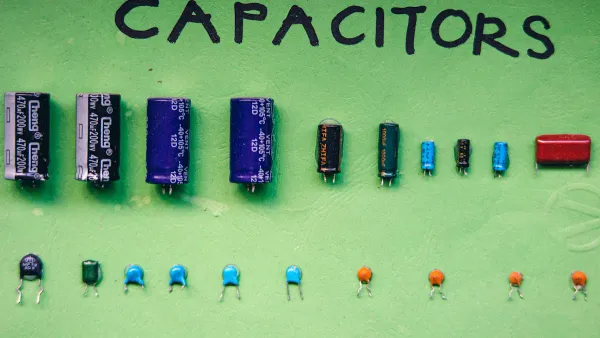
When you turn up your music, your car sound system capacitor steps in to keep your audio clear and strong. This device acts as a local energy reservoir. It stores electricity and releases it quickly when your system needs extra power, especially during loud bass notes or sudden volume spikes. Unlike batteries, which provide long-term energy, car audio capacitors deliver immediate power to your amplifier. This quick response helps your system handle high demands without missing a beat.
- The capacitor stabilizes the power supply to your amplifier during peak audio moments.
- It prevents voltage drops that can cause distortion or weak sound.
- By storing and releasing energy rapidly, the capacitor ensures your music stays consistent and powerful.
You can choose from different types of capacitors for your car audio system. Here’s a quick comparison:
| Type of Capacitor | Characteristics and Performance Benefits |
|---|---|
| Standard Electrolytic | Common and affordable, good for most systems up to 2000W RMS. |
| Hybrid | Combines technologies for faster discharge and better performance. |
| Digital Display | Includes voltage meters for real-time monitoring. |
| Super Capacitors | Offers very high capacitance and ultra-fast discharge for competition-level systems. |
Preventing Voltage Fluctuations
Voltage fluctuations can hurt your car audio system’s performance. When your system demands more power than your battery can supply, you might notice dimming lights or hear distortion in your music. Car sound system capacitors act as quick power reserves. They store energy and release it when your amplifier needs more power, keeping voltage steady.
- Car audio capacitors prevent voltage drops during high power demands.
- They help your speakers and subwoofers perform at their best, giving you clearer sound and stronger bass.
- A stable voltage means your system delivers better audio quality and avoids damage from low voltage.
Adding a capacitor is also a cost-effective way to boost your system. It requires little maintenance, usually just a voltage check during tune-ups, and costs less than upgrading your battery or alternator.
Benefits for Car Audio System
Improve Sound Quality
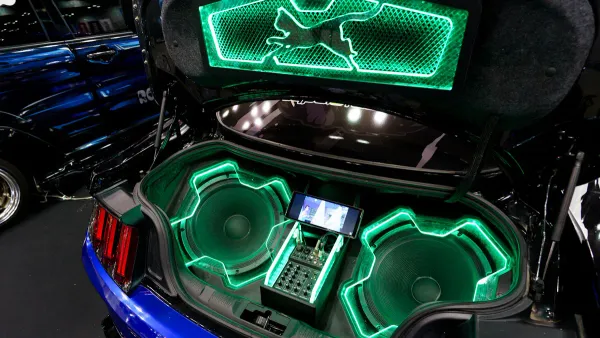
You want your music to sound clear and powerful every time you turn on your car audio system. A car sound system capacitor helps you achieve this goal. It keeps the voltage stable, so your amplifier always gets the power it needs. When you use a capacitor, your speakers and subwoofers can deliver crisp highs and deep bass without interruptions. This steady power flow helps your high-quality audio system produce a richer and more detailed sound.
A capacitor also supports your amplifier during demanding moments. It stores energy and releases it quickly when your system needs extra power. This process helps improve sound quality and gives you an enhanced listening experience. You notice the difference in every song, especially when you play music at higher volumes.
Prevent Distortion
Distortion can ruin your music and make your car audio system sound weak. You want a non-distorted audio experience, even when you push your system to its limits. Car audio capacitors play a key role in preventing distortion by keeping the voltage steady and supplying extra power during peak moments.
Tip: Stable voltage means your amplifier works efficiently and your music stays clear.
Here is a table that shows how capacitors help reduce distortion in car audio systems:
| Evidence Description | Source |
|---|---|
| Capacitors stabilize voltage and prevent distortion, ensuring efficient operation of car audio amplifiers. | Recoil Audio USA |
| Capacitors prevent voltage drops and protect against audio system distortion, maintaining consistent power delivery. | Audio Intensity |
| By regulating voltage fluctuations, capacitors help prevent distortion and optimize audio performance. | Audio Intensity |
| Stabilizing voltage helps amplifiers run efficiently and reduces distortion, leading to consistent power output. | Sonic Electronix |
When you install a properly sized capacitor, you help your amplifier avoid voltage drops that cause distortions. This means your music stays clean and powerful, even during loud passages.
Support High Volume Peaks
Your car audio system faces its biggest challenge during high volume peaks. Subwoofers and amplifiers demand a lot of power in these moments. A car sound system capacitor steps in to support your system, making sure you get the best performance.
- Capacitors store energy and release it when needed.
- They help stabilize voltage during high-output moments.
- They reduce voltage dips that cause lights to dim or sound to distort.
When your system plays deep bass or loud music, the capacitor supplies extra power instantly. This support keeps your music strong and prevents your lights from dimming. You get a consistent, high-quality audio experience every time you turn up the volume.
A capacitor also helps prevent amplifier clipping. When your amplifier does not get enough power, it can clip the audio signal, causing harsh sounds and possible damage. By stabilizing the power supply, the capacitor keeps your amplifier running smoothly and protects your sound system from distortions.
Note: A stable power reserve from a capacitor helps you enjoy your music at any volume without worrying about performance drops.
Choosing and Installing Car Audio Capacitors
Selection Tips
You want your car audio system to perform at its best, especially when you play music at high volume. Choosing the right capacitor helps you achieve this. Start by matching the capacitor’s capacity to your amplifier’s power. The table below shows how much capacitance you need for different amplifier power levels:
| Amplifier Power (RMS) | Recommended Capacitance (Farads) |
|---|---|
| 500W – 1,000W | 1–1.5 |
| 1,000W – 2,000W | 2–3 |
| 2,000W+ | 5 and up, or multiple caps |
- Make sure the capacitor’s voltage rating matches your car’s electrical system for safe operation.
- Higher capacitance reduces ripple voltage and gives your amplifier more burst power when needed.
- Too much capacitance offers little extra benefit, so choose a value that fits your sound system.
A high-quality capacitor supports your car audio capacitors by providing stable power and improving audio performance.
Installation Steps
Proper installation ensures your capacitor works well and keeps your car audio system safe. Follow these steps:
- Disconnect your car battery to avoid electrical hazards.
- Connect the positive terminal of the capacitor to the positive input of your amplifier using high-quality power wire.
- Attach the negative terminal to a solid ground point in your vehicle.
- If you use more than one capacitor, wire them in parallel to keep voltage steady.
- Charge the capacitor to 12 volts with a resistor and voltmeter before final installation.
Tip: Always use the correct wire gauge and check all connections for safety.
Common Mistakes
Mistakes during installation or selection can lower the performance of your car audio capacitors. Watch out for these common issues:
- Using the wrong wire gauge or low-quality wires
- Skipping proper fuse ratings
- Poor ground cable connections
- Placing the capacitor in a bad location
- Not checking voltage stability after installation
- Ignoring the need for a strong charging system
- Choosing cheap capacitors with low storage capacity
Low-quality capacitors may look appealing but often fail to store enough energy for your audio system. Always check your alternator output and consider a second battery if your sound system draws a lot of power. Using an amperage meter after installation helps you confirm everything works as it should.
Misconceptions About Car Audio Capacitors
When You Need One
You might wonder if every car audio system needs a capacitor. Many people think capacitors are always essential, but that is not true. You only need a capacitor in specific situations. If your amplifier draws a lot of power and you notice your headlights dimming or your music distorting at high volumes, a capacitor can help. It provides quick bursts of energy to your amplifier during demanding moments.
Here is a table that shows when a capacitor becomes important:
| Scenario | Description |
|---|---|
| Improved Power Supply | Gives your amplifier fast energy during high-demand moments, keeping power steady. |
| Reduced Distortion | Stabilizes voltage, so your music stays clear at higher volumes. |
| Enhanced Bass Quality | Helps your amplifier deliver deeper bass by supplying needed power. |
| Protection of Electrical Components | Eases the load on your battery and alternator, helping them last longer. |
| Consistent Audio Performance | Keeps your music sounding good even when your car’s electrical system fluctuates. |
If your system does not show these problems, you may not need a capacitor. You should focus on your car’s battery and alternator first if you want long-term power improvements.
Myths and Facts
You may hear many myths about capacitors in car audio systems. Some people believe capacitors always improve sound quality, but that is not accurate. Capacitors do not replace your battery or amplifier. They cannot provide power for long periods. They only help with short bursts of energy.
Many believe capacitors boost audio performance, but they only help when your system faces voltage drops.
Here are common misconceptions:
- Capacitors are not essential for every car audio system.
- They do not replace the need for a strong battery or amplifier.
- Capacitors cannot fix all power problems.
- They do not make your music sound better unless you have voltage issues.
- Some think capacitors need a "break-in" period, but experts say this is not true.
Expert reviews show that you may not notice any difference in sound quality when you switch between different capacitors. Sometimes, people think they hear improvements because they expect them, not because the capacitor actually changes the sound.
- One expert tested three types of capacitors and found little difference in sound.
- He only noticed a change when he used a capacitor with a much higher value.
You should use a capacitor only when your car audio system needs help with voltage stability. Otherwise, you may not see any real benefit.
A car sound system capacitor helps you enjoy high volume playback and clear audio by keeping voltage steady. You get better sound quality and less distortion. Not every car audio system needs a capacitor. Ask yourself these questions:
- Did you upgrade your wiring?
- Does your amplifier use more than 800–1000W RMS?
- Do you use high-quality cables?
- Do you notice voltage dips during heavy bass?
- Is a battery or alternator upgrade not possible right now?
Check your setup and choose what fits your needs best.
FAQ
How does a capacitor help my car audio system?
A capacitor stores energy and releases it quickly. You get steady power for your car audio system during loud music. This helps your music sound clear and strong.
Will a capacitor improve my audio experience?
Yes, a capacitor can help. You hear less distortion and enjoy better sound during high volume playback. Your audio experience feels more powerful and consistent.
Do I need a capacitor for a small car audio setup?
You usually do not need a capacitor for a small setup. If you do not notice dimming lights or sound problems, your system works fine without one.
Can a capacitor fix all power issues in my car?
No, a capacitor cannot fix every problem. You may need to check your battery or alternator if you still have issues. A capacitor only helps with short bursts of power.