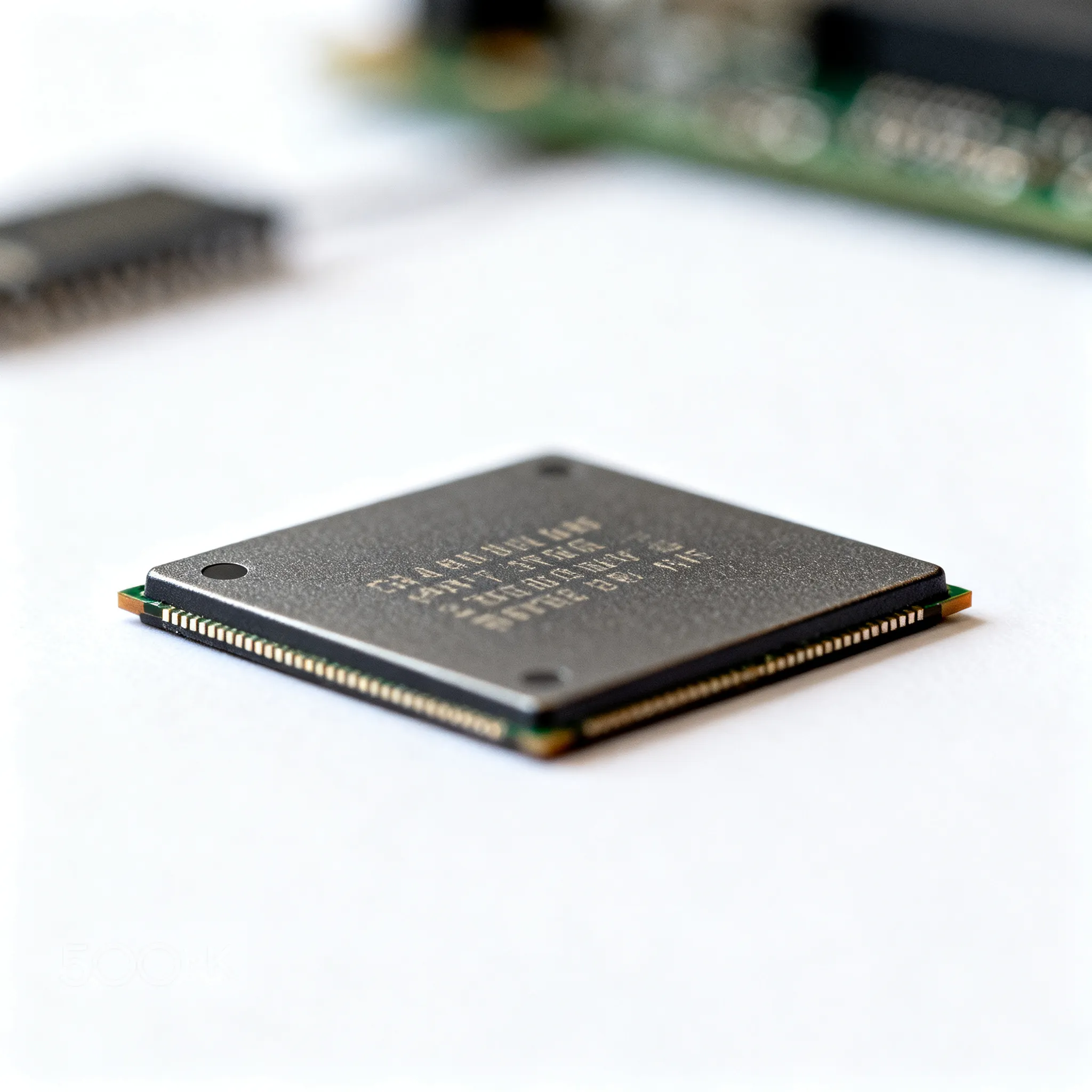
How Application-Specific Integrated Circuits Are Revolutionizing IoT Device Development
Special chips, particularly application-specific integrated circuits, are changing IoT devices by solving big problems. These chips use less energy, are smaller, and work better.
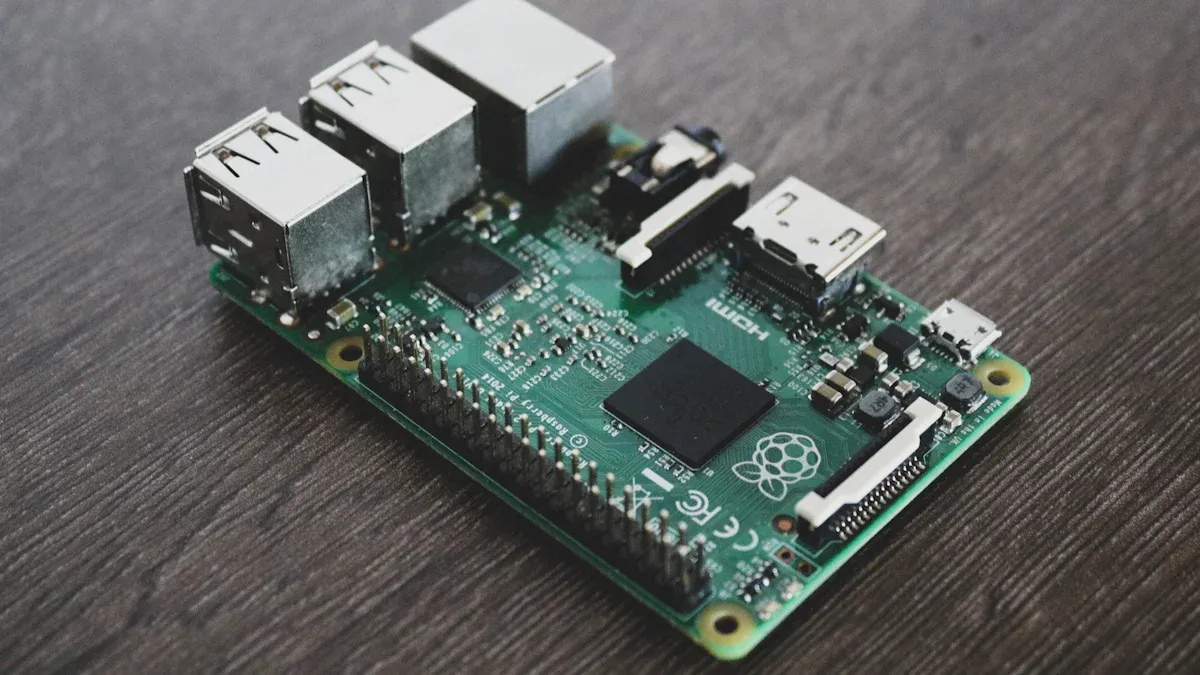
Special chips, particularly application-specific integrated circuits, are changing IoT devices by solving big problems. These chips use less energy, are smaller, and work better. Many industries now want small, energy-saving devices made just for them. The growth of IoT has increased the need for these special chips. They help make smarter and more connected devices. Companies like Qualcomm are making custom application-specific integrated circuits to handle data faster and connect better. As technology grows, these chips are key for making cool, high-tech products like gadgets, wearables, and smart home tools.
Key Takeaways
-
ASICs are special chips that help IoT devices work better.
-
They use less energy, which is great for battery gadgets like smartwatches and home devices.
-
Custom ASICs cost a lot to design but save money later when made in big amounts.
-
These chips are tiny, so devices can be smaller and lighter.
-
Adding ASICs makes IoT devices faster, smarter, and more dependable.
Understanding Application-Specific Integrated Circuits
Definition and Features of ASIC Chips
An application-specific integrated circuit (ASIC) is a special microchip. It is made to do one job or a small set of tasks. Unlike regular processors, ASICs are built for specific uses, making them very efficient. These chips are popular in IoT devices because they save energy, work faster, and are small.
ASIC chips have many useful features. They are designed to do certain tasks really well, like handling signals or keeping data safe. They use less power, which is great for devices that run on batteries. Their small size helps make gadgets more portable and easy to carry. Another big advantage is customization. Companies can create ASICs that fit their needs, helping their products stand out in the market.
|
Feature |
Description |
|---|---|
|
Targeted Performance |
Built for specific tasks, offering great speed and efficiency. |
|
Power Efficiency |
Uses less energy, perfect for battery-powered gadgets. |
|
Miniaturization |
Helps make smaller and lighter devices. |
|
Enhanced Efficiency |
Speeds up processing and saves energy. |
|
Improved Performance |
Works better for specific tasks, boosting device quality. |
|
Customization Opportunities |
Lets companies design chips for their unique needs. |
ASICs vs General-Purpose Chips
ASICs are very different from general-purpose chips in how they work and cost. General-purpose chips can do many things but are not as efficient. ASICs are made for specific jobs, so they perform better and use less energy.
For example, ASICs are over 50% more efficient than GPUs for certain tasks. They also use about 30% less power, making them perfect for energy-saving IoT devices. Plus, ASICs are cheaper when made in large numbers. One ASIC chip costs about $5,000, while GPUs can cost $20,000 to $30,000. Their small size and lower price make ASICs a top choice for IoT.
|
Aspect |
ASICs |
General-Purpose Chips |
|---|---|---|
|
Performance |
Great for specific tasks |
Works for many tasks |
|
Power Consumption |
Uses less energy, good for IoT |
Needs more power |
|
Form Factor |
Small and compact |
Bigger and less efficient |
|
Cost-Effectiveness |
Cheaper in large amounts |
Costs more upfront |
|
Integration |
Combines many functions |
Often needs extra parts |
Importance of ASICs in Connected IoT Devices
ASICs are very important for making smart IoT devices. They help devices process data faster, use less power, and stay small. For example, Google’s Edge TPU is an ASIC that runs simple AI programs, making IoT devices smarter. The Hailo-8 DL processor is another ASIC that works fast but uses little energy, perfect for connected gadgets.
These chips also solve big problems in IoT development, like cutting costs and improving security. Experts like Etorre and Villemain say ASICs make products better by combining many functions into one chip. Simhadri points out that ASICs protect ideas and designs, which is vital for IoT makers. By simplifying how devices are made, ASICs help companies create new products faster and more easily.
Tip: If you’re building IoT devices, think about using ASICs. They can improve performance, save money, and use less energy.
Advantages of ASICs in IoT Device Development
Energy Efficiency and Reduced Power Consumption
IoT devices need to last longer and use less power. ASICs are great at saving energy because they focus on specific tasks. Unlike regular chips, ASICs skip extra steps, using less power. This makes them perfect for gadgets like wearables and smart home tools.
ASICs are built to waste less energy during use. Engineers design them to work well without using too much power. For example, sensor ASICs do hard jobs while using little energy. This helps connected devices last longer.
Note: Using ASICs in IoT devices can save energy and lower costs over time.
Miniaturization and Compact ASIC Design
Small designs are important for IoT devices. ASICs help make tiny chips that do many jobs at once. This means fewer parts are needed, saving space and making devices easier to carry.
-
Ultra-low Power Design: Smaller chip sizes, like 5nm, save energy and improve performance.
-
Form Factor and Sensors: Tiny ASICs combine sensors, controllers, and wireless systems into one chip. This saves space and boosts device performance.
-
Energy Efficiency: Small sensor ASICs do advanced tasks while using less power, ideal for battery-powered gadgets.
Miniaturization lets you create lightweight IoT devices. Whether it’s a wearable or smart home tool, ASICs keep devices small and efficient without losing functionality.
Cost-Effectiveness in Mass Production
Custom ASICs save money when made in large amounts. While designing them costs more at first, the long-term savings are worth it. Making more chips lowers the cost per chip, making ASICs cheaper than regular chips.
ASICs also make production simpler. By combining many functions into one chip, fewer parts are needed. This makes manufacturing faster and cheaper. For example, companies making smart home or industrial IoT devices save money and time with ASICs.
Tip: Scaling up production with ASICs can cut costs while keeping devices reliable and high-performing.
Enhanced Performance and Customization
When making IoT devices, performance and customization are very important. ASICs are great at both, making them popular for connected gadgets. These chips are built to do specific tasks really well, helping devices work better.
ASICs improve performance by focusing on certain jobs. For example, Google's TPUs, a type of ASIC, handle big data faster than GPUs. This makes them perfect for machine learning, where speed matters. By skipping extra steps, ASICs are more reliable and quicker, which is key for things like self-driving cars.
Customization is another big benefit of ASICs. You can design them to combine many functions into one chip. This means fewer parts are needed, making devices simpler. For example, pacemakers use custom ASICs to meet exact needs. This helps save resources and boosts how well the device works.
ASICs also save energy, which is important for battery-powered gadgets. By focusing on specific tasks, they use less power than regular chips. This makes them great for portable devices and big projects where saving energy is important.
Tip: Use ASICs in your IoT devices to improve performance and customize products for users.
Applications of ASIC Chips in IoT Devices
Smart Home Devices and Connectivity
Smart home gadgets need strong connections and smooth performance for users. ASIC chips help by making these devices work better and faster. They are built to do specific jobs, like handling wireless signals or reading sensor data, with great efficiency.
-
The number of IoT devices is growing fast. It will rise from 15.9 billion in 2023 to over 32.1 billion by 2030. This shows the need for better connection solutions.
-
ASICs make smart home gadgets faster and reduce delays in data processing.
-
The 5G chip market, including ASICs, will grow from $39.03 billion in 2023 to $457.5 billion by 2032. This proves how important ASICs are for quick communication in smart homes.
For instance, ASICs in smart thermostats quickly process temperature data and adjust settings. Smart lights use ASICs to add motion detection and remote control, saving energy and adding convenience.
Tip: Use ASIC chips in smart home gadgets to improve connections and user experience.
Wearables and Compact ASIC Integration
Wearable tech needs small, energy-saving, and powerful solutions. ASIC chips meet these needs by combining many functions into one tiny chip. This makes wearables lighter and easier to carry.
ASICs process data almost instantly, which is crucial for health and fitness devices. For example, a wristband study showed an ultra-low power ASIC used only 172 μW for heart rate tracking. The whole system ran on just 1.66 mW during continuous data streaming, proving how energy-efficient ASICs are.
These chips also protect designs, keeping them safe from copying. By using less power, ASICs make wearable batteries last longer. Whether it’s a fitness tracker or medical gadget, ASICs ensure wearables work well and accurately.
Note: Small ASICs are essential for making creative and easy-to-use wearables.
Industrial IoT and Automation
In factories, ASIC chips improve automation and efficiency by managing data and controls. These chips are made to handle tough industrial tasks like fast data transfer and real-time decisions.
ASICs in industrial IoT devices combine data from different sensors for better results. For example, in a factory, ASICs can process data from temperature, pressure, and motion sensors at the same time. This helps find problems and improve operations quickly.
Their small size also makes industrial IoT devices simpler and easier to install in tight spaces. Plus, their energy-saving design lowers costs, which is important for big industrial projects.
Tip: Use ASIC chips in industrial IoT to boost automation and simplify processes.
Healthcare IoT Devices and Monitoring Systems
Healthcare IoT devices are changing how we track and manage health. These devices use ASIC chips to work accurately, efficiently, and dependably. With ASIC technology, healthcare tools can do advanced tasks while using little power. This makes them perfect for wearables and small medical gadgets.
Why ASICs Are Important in Healthcare IoT
ASIC chips are made to do specific jobs very well. In healthcare, they power devices that check vital signs, find problems, and give instant feedback. Unlike regular chips, ASICs stay reliable for a long time. This is crucial for medical tools where accuracy can affect patient health.
Did You Know? ASIC chips are used in sleep monitors to track sleep stages, vital signs, and detect issues like sleep apnea. They process data fast and accurately, helping with timely care.
How ASICs Are Used in Healthcare IoT
ASIC chips are key in many healthcare tools. Here are some examples:
-
Wearable Technology: Fitness trackers and smartwatches use ASICs to measure heart rate, oxygen levels, and activity. These chips keep wearables small and energy-saving.
-
Remote Patient Monitoring: ASICs help devices collect and send sensor data so doctors can check patients remotely. This is great for managing long-term illnesses.
-
Diagnostic Tools: Portable devices use ASICs to quickly analyze sensor data. This helps find diseases early and avoids invasive tests.
-
Therapeutic Devices: ASICs power tools like insulin pumps and pacemakers, ensuring precise control and long-lasting batteries.
Benefits of ASICs in Healthcare IoT
ASIC chips bring many benefits to healthcare IoT devices:
-
Power Efficiency: They use less energy, ideal for wearables and battery-powered tools.
-
Compact Design: ASICs combine many functions into one chip, making devices smaller but still powerful.
-
Customization: You can design ASICs to fit specific healthcare needs, improving performance.
-
Reliability: ASICs provide steady performance, which is vital for long-term medical use.
The Future of ASICs in Healthcare
The need for healthcare IoT devices is growing fast. ASIC chips will be even more important for new innovations. From smart diagnostic tools to AI-powered wearables, ASICs will lead the way in healthcare tech. Using ASICs helps create efficient and specialized medical devices.
Tip: If you're designing healthcare IoT tools, think about using ASIC chips. They offer great efficiency, reliability, and customization for medical needs.
Challenges in Developing ASICs for IoT
High Development Costs of ASIC Chips
Making an ASIC costs a lot of money. Designing, testing, and building one chip can cost over $1 million. This makes it hard for smaller companies to compete. Unlike regular chips, ASICs need special tools and experts, which adds to the expense.
Small businesses also struggle with the high production costs. If they make fewer chips, the price per chip stays high. For companies with tight budgets, this upfront cost slows down innovation. Even though ASICs are efficient, their high price limits their use in IoT devices.
Note: Plan your budget carefully if you want to use ASICs for your IoT devices.
Limited Flexibility in ASIC Design
ASICs are made for specific tasks, but they can’t be changed later. If your IoT device needs new features, the ASIC might need a full redesign. This lack of flexibility is a problem in fast-changing markets.
Making ASICs also depends on special factories. If there are delays or global issues, production can slow down. Another risk is that ASICs can become outdated. If their task is no longer needed, fixing or replacing them can be expensive.
|
Drawbacks of Custom ASICs |
Description |
|---|---|
|
Limited Flexibility |
Can’t be changed after being made. |
|
Risk of Obsolescence |
May need costly updates if outdated. |
|
Dependency on Foundries |
Relies on special factories, causing delays. |
Tip: Think about future needs before choosing an ASIC design for your IoT device.
Long Design and Manufacturing Cycles
Making an ASIC takes a long time. From start to finish, it can take 12 to 24 months. This slow process makes it hard to keep up with fast-moving markets. Companies using regular chips can launch products faster and gain an advantage.
Designing ASICs is also very detailed and complex. Engineers must test everything carefully to avoid mistakes. Errors can cause big delays and extra costs. For IoT developers, this long timeline can slow down new ideas and miss market chances.
Did You Know? The long time needed to make ASICs makes them risky for small companies trying to compete.
Balancing Customization with Scalability
Making ASICs for IoT devices can be tricky. You need to balance making chips for specific tasks with making them work for many devices. Custom chips are great for certain jobs, but scalable designs save money and work in more products.
Why Both Are Important
Custom chips help devices work better for specific needs. For example, a custom ASIC for a wearable can save power and be small. But if the chip can't work in other devices, it costs more to make and limits its use. Scalable designs let chips fit into different devices, cutting costs and adding flexibility.
Tip: Use modular designs to make parts of your ASIC reusable in other products.
Ways to Balance Customization and Scalability
-
Modular Design: Split your chip into parts you can reuse. For example, a communication block can work in smart home tools and factory systems.
-
Standardized Interfaces: Pick common protocols like SPI or I2C. These make it easier to connect your chip to different devices.
-
Future-Proofing: Leave room in your chip design for updates. This helps avoid costly redesigns later.
|
Approach |
Benefit |
|---|---|
|
Modular Design |
Saves time and money by reusing chip parts. |
|
Standardized Interfaces |
Makes it easier to connect with different systems. |
|
Future-Proofing |
Keeps your chip useful longer, saving redesign costs. |
Balancing both needs careful planning. Modular and standard designs help make chips that work well and adapt easily. This saves money and keeps your IoT devices competitive as technology changes.
Note: Think about the future when designing ASICs. Scalable chips today can save money and effort later.
Future Trends in ASIC Technology for IoT
Integration of ASICs with AI and Machine Learning
ASICs are changing how AI works in IoT devices. These chips are made to handle specific AI tasks like running deep learning models. They are faster and use less energy than general-purpose chips like GPUs. This makes them perfect for real-time tasks in connected gadgets.
Industries like aerospace and automotive rely on ASICs for smarter devices. These chips add features like secure data handling with encryption. For example, ASICs process sensor data quickly, helping self-driving cars and factory machines work better. Their speed and efficiency make them key for improving IoT technology.
Role of ASIC Chips in Edge Computing
Edge computing processes data near its source to reduce delays. ASIC chips are important for this because they handle tasks like filtering and encrypting data directly on devices. This saves time and energy by avoiding distant servers.
For example, smart home gadgets use ASICs to respond faster by processing commands locally. In factories, ASICs help machines make quick decisions using sensor data. This approach improves performance and keeps sensitive data safe on the device. ASICs are making IoT systems smarter and more secure.
Quantum Computing and ASIC Innovations
Quantum computing is new but has big potential for IoT. ASICs may help connect regular systems with quantum ones. These chips could be designed to run quantum algorithms for faster and better processing.
For instance, ASICs might improve logistics in smart cities by analyzing huge amounts of data quickly. They could also boost healthcare tools with advanced diagnostics powered by quantum-inspired methods. As quantum tech grows, ASICs will adapt to support these changes, keeping IoT devices innovative.
Tip: Watch for new trends in ASIC chips to stay ahead in IoT development.
New Technologies and How They Affect IoT
New technologies like augmented reality (AR), virtual reality (VR), and quantum computing are changing IoT. These advancements need faster and smarter solutions. This is where ASICs become very important. They are designed for specific tasks, making them fast and efficient for these innovations.
Programmable ASICs are now key in IoT development. They help devices keep up with new tech while staying powerful. For example, in AR and VR, ASICs handle large data quickly, making experiences smooth and realistic. In quantum computing, ASICs connect regular systems with quantum ones, speeding up calculations.
AI and machine learning also benefit from ASICs. These chips make complex algorithms work faster and better. This is crucial for IoT devices that need to process sensor data and make quick decisions. Whether it’s a smart home gadget or a factory robot, ASICs help devices run smoothly.
Edge computing depends on ASICs too. As more devices need local data processing, these chips handle tasks directly on-site. This reduces delays and keeps data safer by avoiding external servers. For example, a smart thermostat with an ASIC can adjust temperatures faster and save energy.
-
Important trends in new tech and ASIC use:
-
AI and machine learning use ASICs for faster data processing.
-
Edge computing uses ASICs for quick, local data handling.
Using ASICs helps create IoT devices that are smarter, faster, and ready for the future.
Special chips called ASICs are changing how IoT devices are made. These chips fix big problems like saving energy, being small, and working better. Experts like Doug Burger say new tech depends on ASICs, not regular CPUs. Studies from UC San Diego show ASICs are cheaper and faster than CPUs and GPUs. They are great for jobs like video editing and deep learning.
ASICs can be customized, which makes them perfect for smart devices. They help create faster and more dependable products. As tech grows, ASICs will keep improving IoT devices to meet future needs.
FAQ
What is an ASIC, and how is it different from regular chips?
An ASIC is a chip made for one specific job. Unlike regular chips, it works faster, uses less power, and is smaller. This makes it better for certain tasks.
Why are ASICs useful for IoT devices?
ASICs help IoT devices save energy and work faster. They make gadgets smaller and more reliable, which is great for wearables, smart home tools, and medical devices.
Are ASICs costly to create?
Yes, making ASICs costs a lot because of their special design. But when made in large amounts, they become cheaper for companies producing many IoT devices.
Can ASICs be changed after they are made?
No, ASICs cannot be changed once built. They are made for specific jobs, so adding new features means starting over. Careful planning is needed for long-term use.
How do ASICs save energy?
ASICs skip extra steps and focus only on their job. This uses less power, making them great for battery-powered gadgets like wearables and smart sensors.