How HiSilicon AI Optimizes Power Consumption in 2025
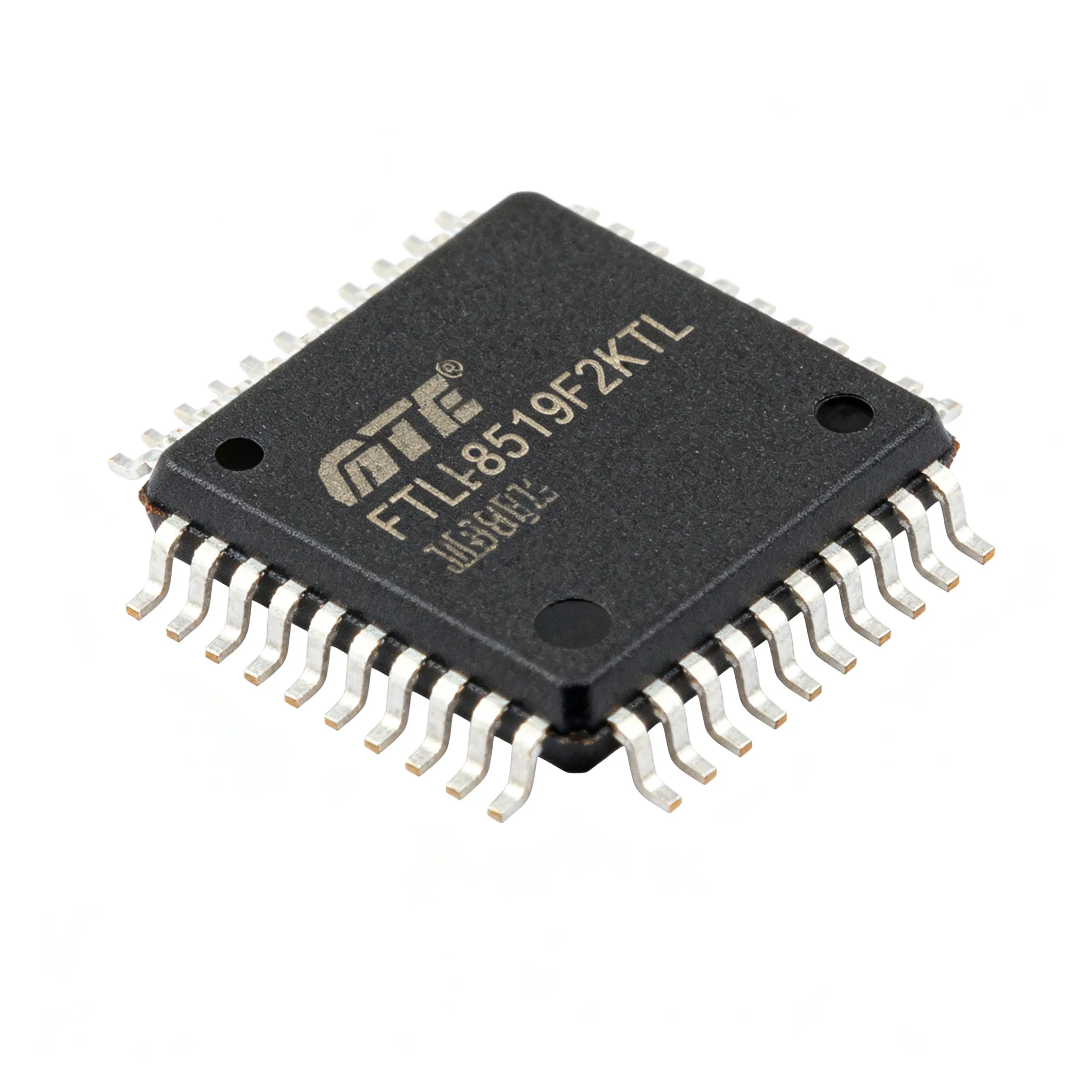
HiSilicon AI SoCs are central to extending device battery life. These advanced SoCs use a dedicated, low-power unit for AI t
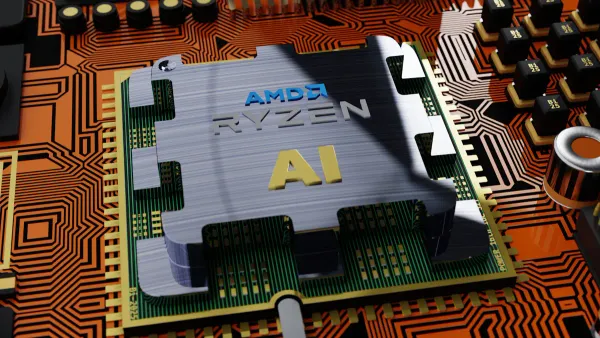
HiSilicon AI SoCs are central to extending device battery life. These advanced SoCs use a dedicated, low-power unit for AI tasks. This specialized hardware provides incredible efficiency and uses less power.
Your device's battery is preserved because these SoCs run AI calculations using a low-power method. This single soc design is why these SoCs are leaders in managing power.
Key Takeaways
- HiSilicon AI chips use a special part called an NPU. This NPU handles AI tasks with very little power.
- These chips have a smart system. It sends each task to the best part of the chip for that job. This saves energy.
- The AI in these chips learns your habits. It predicts what you will do next. This helps the chip use less battery power.
DEDICATED NPU FOR LOW-POWER AI
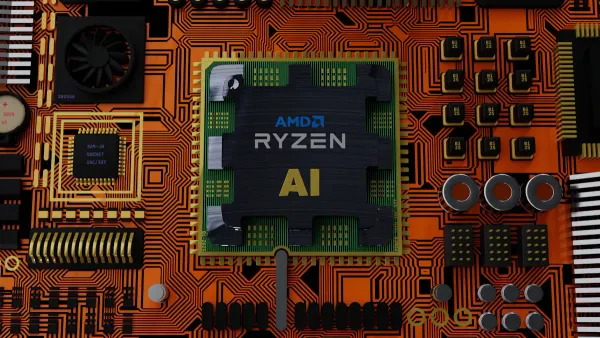
HiSilicon SoCs achieve remarkable power savings by using a dedicated Neural Processing Unit (NPU). This specialized core is the secret to running complex AI tasks efficiently. It handles AI calculations using a fraction of the energy a standard processor would need. This low-power design is fundamental to how modern smart devices manage their batteries.
EFFICIENT AI VS. CPU/GPU PROCESSING
You might wonder why your device needs a separate NPU for AI. The reason is simple: CPUs and GPUs are not built for sustained, low-power AI workloads.
- CPUs (Central Processing Units) are generalists. They handle tasks one after another. This sequential approach makes them inefficient for the massive parallel calculations required by AI, causing them to work harder and consume more power.
- GPUs (Graphics Processing Units) are better at parallel tasks. However, they are power-hungry. Running constant AI processes on a GPU generates significant heat and drains your battery quickly.
HiSilicon SoCs solve this problem by offloading AI jobs to the NPU. This approach is central to their design. These SoCs process machine-learning computations directly on your device. This on-device processing saves a great deal of power. It also reduces lag because your data does not need to travel to a cloud server and back. The evolution of Kirin SoCs shows a clear focus on this efficiency, making on-device AI a reality.
Did You Know? The NPU in HiSilicon SoCs is designed specifically for the math used in AI. This specialization means it completes AI tasks with minimal energy waste, directly contributing to longer battery life for you.
REAL-WORLD AI FEATURES
This low-power AI processing enables amazing features you use every day without worrying about your battery. The NPU in HiSilicon SoCs powers sophisticated functions that make your device smarter and more capable.
For example, when you take a photo, the NPU gets to work.
- AI-Powered Scene Recognition: The AI instantly analyzes what you are pointing your camera at. It recognizes landscapes, people, or food and automatically adjusts settings for the perfect shot.
- AI-Assisted Zoom: The NPU enhances zoomed-in images. It intelligently sharpens details, giving you clear photos from a distance.
These features run in real-time thanks to the efficient power of the NPU. This same technology is vital for the growing world of IoT. An IoT wireless SoC uses this low-power AI to enable smart capabilities in devices where battery life is critical. Because the NPU handles these AI tasks, the main processors use less power. This smart distribution of work across the SoCs leads to a noticeable improvement in battery performance, even when you use AI features for long periods.
INTELLIGENT TASK SCHEDULING
A HiSilicon SoC is more than just a single processor. You can think of it as a team of specialists working together inside your device. These SoCs use a strategy called heterogeneous computing. This means the chip has different types of cores: a CPU, a GPU, and an NPU. An intelligent scheduler acts as the manager, assigning every task to the perfect specialist for the job. This smart delegation is key to maximizing performance and saving power.
THE RIGHT CORE FOR THE RIGHT JOB
The scheduler in HiSilicon SoCs follows a simple but powerful rule: use the right core for the right job. This ensures every task runs with maximum efficiency. The scheduler makes these decisions in real-time based on several factors.
- Task Type: It identifies if a task is for general computing, graphics, or AI.
- Resource Needs: It checks which cores are available and how much power they need.
- Speed Requirements: It considers how fast a task needs to be completed.
This process ensures the powerful but hungry GPU only runs when you are playing a game. The dedicated, low-power NPU handles all background AI tasks. The CPU manages the operating system and your apps. This distribution of labor prevents any single core from being overworked and wasting power.
How the Scheduler Optimizes Power ⚡ HiSilicon SoCs also use a technology called Dynamic Voltage and Frequency Scaling (DVFS). This system works hand-in-hand with the scheduler to fine-tune power usage.
- The scheduler first assigns a task to the most suitable core (like the NPU for an AI job).
- It then predicts the exact amount of power needed for that task.
- Finally, DVFS adjusts the core's speed and voltage to perfectly match the need, eliminating energy waste. This predictive method allows the SoC to use the absolute minimum power required for every single operation.
IMPACT ON OVERALL SYSTEM BATTERY
This intelligent scheduling has a direct and positive impact on your device's battery life. When tasks are mismatched, power is wasted. For example, if a continuous, low-power AI task is accidentally sent to the CPU, the CPU will consume far more energy than the NPU would. This single mistake, repeated over time, drains your battery much faster.
HiSilicon SoCs prevent this from happening. The scheduler guarantees that the NPU handles AI, which is what it was built for. This precise management delivers huge energy savings. The same principle applies to all cores, creating a highly efficient system. This is especially important for the Internet of Things (IoT). An IoT wireless soc in a small sensor or smart home device relies on this efficiency to operate for months or years on a single charge.
By ensuring every component of the SoC uses the least amount of power necessary, these advanced SoCs protect your overall system battery. This smart power distribution means you can use all the amazing features of your smart devices and IoT gadgets without constantly worrying about finding a charger. The result is a smoother experience and a longer-lasting device for you.
AI-DRIVEN PREDICTIONS FOR EXTENDING DEVICE BATTERY LIFE
HiSilicon SoCs take power management a step further by using AI to learn from you. Instead of just reacting to tasks, these advanced SoCs proactively manage resources. The AI studies your daily routines to anticipate your needs. This predictive approach is a core strategy for extending device battery life, ensuring your smart devices are always one step ahead.
LEARNING USER HABITS TO SAVE POWER
Your device gets smarter the more you use it. The AI inside HiSilicon SoCs constantly analyzes your behavior to understand your unique patterns. This allows the system to build a personal profile of your usage habits, which is essential for optimizing power. The AI learns by monitoring several key things:
- Your general app usage patterns
- Your location at different times of the day
- Your device charging habits
- Your individual behavior with the device
This continuous learning process helps the AI understand when you are likely to need high performance and when the device can enter a low-power state. This intelligence is crucial for all battery-powered devices, from your phone to IoT gadgets. These SoCs make your device work for you, saving energy without you noticing.
PREDICTING AND REDUCING BATTERY CONSUMPTION
After learning your habits, the AI uses that knowledge to predict your next move and reduce battery consumption. The system doesn't wait for you to launch an app; it prepares resources in advance. This predictive power management significantly cuts down on wasted energy. For example, the soc uses this process for extending device battery life:
- It collects data on your behavior to identify your needs.
- It predicts which apps you will launch next based on your frequent sequences.
- It dynamically adjusts resources like CPU speed, Wi-Fi, and screen brightness to match the predicted task.
- The system even learns if you manually override a setting, using that feedback to make better predictions in the future.
This intelligent management minimizes battery consumption across the board. An IoT wireless soc in smart home devices uses this same AI to operate for longer periods. By anticipating your needs, HiSilicon SoCs ensure that your battery power is used wisely, giving you a seamless experience on all your smart devices. This is how modern AI makes a real difference in the IoT world.
HiSilicon SoCs deliver superior power efficiency in 2025. These advanced SoCs use three key strategies for extending device battery life.
- Specialized Hardware: The SoCs use a dedicated NPU for ultra low-power AI processing.
- Smart Scheduling: An intelligent system assigns every task to the most efficient core, saving power.
- Predictive AI: The soc learns your habits to reduce battery consumption with low-power operation.
These integrated technologies in HiSilicon SoCs work together. They are essential for extending device battery life. This gives your battery a longer life with low-power AI.
FAQ
What is an NPU and why is it important?
An NPU is a Neural Processing Unit. You can think of it as a special brain for AI. It handles all AI jobs using very little power. This specialized design is the main reason your device's battery lasts longer when running smart features.
How does the SoC know which core to use?
The SoC has a smart manager called a scheduler. It looks at every task you do. The scheduler then assigns the task to the best core for the job. This process ensures the system always uses the least amount of energy possible.
Does this technology only work for phones? 📱
No, this technology benefits many devices. HiSilicon SoCs power IoT gadgets like smart home sensors and cameras. The same power-saving principles allow these small devices to run for months or even years on a single battery charge, making your smart home more efficient.
How does AI help my battery last longer?
The AI learns your daily habits. It predicts which apps you will use and when.
The system then gets ready for those actions using the minimum power needed. This predictive ability stops the SoC from wasting energy, which directly extends your battery life.