How Mobius Materials Simplifies Hard-to-Find Electronic Component Sourcing for OEM Buyers
Practical guide for buyers and engineers: How Mobius Materials Simplifies Hard-to-Find Electronic Component Sourcing for OEM Buyers. Sourcing, risk, and selection notes.

How Mobius Materials Simplifies Hard-to-Find Electronic Component Sourcing for OEM Buyers
When Lead Times Stretch and Authorized Channels Dry Up, OEM Buyers Face a Hard Problem
Procurement teams across the electronics industry are navigating a persistent reality: allocation, extended lead times, and sudden component unavailability ripple through even mature semiconductor nodes. EE Times has consistently documented how demand spikes and fab capacity constraints push routine orders into the red zone. For OEM buyers, the downstream effect is a hard stop on production lines waiting for microcontrollers, power management ICs, or legacy interface chips that authorized distributors simply cannot ship.
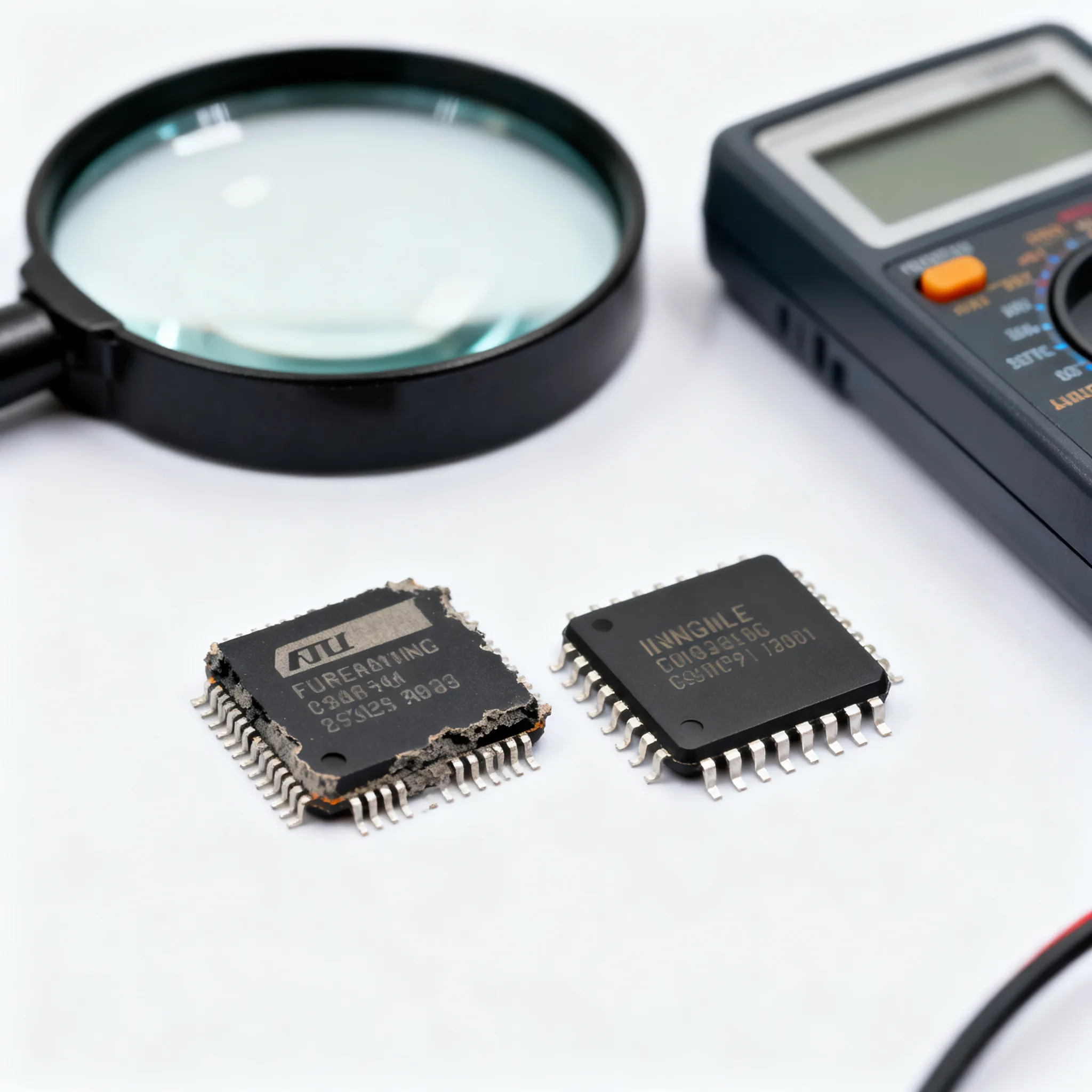
The impulse to turn to unauthorized sources is understandable, but it introduces a different kind of risk. ERAI tracks a steady stream of counterfeit and substandard components entering the supply chain, particularly when demand outpaces authorized supply. Buyers are caught between months-long lead times and the fear of receiving remarked, refurbished, or outright fake parts that compromise field reliability. In this environment, a platform that connects buyers directly with other manufacturers holding verified surplus inventory can reshape the procurement equation.
Mobius Materials steps into this gap. Instead of scrapping excess or sending it to opaque brokers, OEMs and contract manufacturers list dormant stock on a peer-to-peer marketplace where buyers can source hard-to-find components with far greater transparency than the traditional broker grey market. Understanding how Mobius vets sellers, surfaces inventory, and supports BOM-level matching is the first step toward a more resilient sourcing strategy—one that complements, rather than replaces, authorized distribution and established aggregator platforms like IC-Online.
Inside the Mobius Materials Marketplace: Turning Dormant Inventory into a Vetted Source
The core idea behind Mobius Materials is straightforward: companies sitting on excess or end-of-life (EOL) inventory can sell to those who urgently need the parts, with structure and verification that traditional broker channels often lack. Rather than hunting through untrusted listings or cold-calling independent distributors, OEM buyers upload a bill of materials and receive matches against stock that other manufacturers have already screened for resale.
Seller onboarding is not a free-for-all. Mobius requires business verification, reviews transaction history, and monitors listing accuracy. Many sellers are reputable contract manufacturers or OEMs that are simply rebalancing inventory after a product transition—meaning the components often still carry original manufacturer packaging, date codes within acceptable windows, and traceable provenance. This peer-to-peer model transforms dormant inventory into a vetted secondary source, reducing the friction that normally makes surplus buying a gamble.
The platform’s BOM upload tool accelerates the RFQ process dramatically. Instead of manually searching line by line, a buyer can submit an entire BOM and receive a consolidated availability report within hours, complete with photos of the actual parts, date code ranges, and seller ratings. This workflow mirrors the convenience buyers expect from aggregator platforms like IC-Online while targeting a distinct inventory pool: OEM excess that never entered open distribution.
Table 1. Key Features of the Mobius Materials Peer-to-Peer Sourcing Model
| Feature | How It Works | Procurement Impact |
|---|---|---|
| Seller identity verification | Business documentation, past transaction analysis, and ongoing monitoring against platform metrics | Filters out unverified middlemen; keeps the pool closer to known manufacturers |
| BOM upload and auto-matching | Upload a spreadsheet or ERP export; system cross-references open listings by MPN and package | Cuts sourcing time from days to hours; reveals cross-supply previously invisible to the buyer |
| Visual part confirmation | Sellers supply date code labels, packaging shots, and occasionally X-ray or decapsulation images | Enables remote visual inspection before ordering; supports incoming QA planning |
| Seller rating and transaction history | Ratings based on delivery accuracy, component condition, and dispute resolution outcomes | Adds a behavior-based trust layer akin to large B2B commerce platforms |
| EOL component surfacing | Listings specifically tagged for end-of-life parts that authorized distributors have removed from catalog | Extends product lifecycles without redesign; critical for industrial, medical, and defense OEMs |
| API and workflow integration | REST API endpoints for internal ERP and procurement systems | Enables automated shortage identification and rule-based RFQ generation across multiple MPNs |
The table underscores a fundamental shift: procurement that previously relied on cold calls and spot checks can become data-driven. Still, no platform removes all risk. Buyers must remain rigorous—requesting detailed photos, performing sample testing, and cross-referencing against ERAI alerts, especially when a part’s market price seems too good to be true.
Mobius Materials vs. Traditional Sourcing Channels: A Look at Options OEM Buyers Actually Have
When a critical line item sits at zero allocation in authorized distribution, an OEM buyer typically faces three real-world alternatives: wait and hope, engage an independent broker, or search a peer-to-peer marketplace like Mobius. Aggregator platforms such as IC-Online add a fourth dimension—consolidating stock from multiple franchise and independent distributors while offering BOM scrubbing and alternative part suggestions. Each channel carries a distinct risk-reward profile that must be evaluated against the product’s quality tolerances and schedule pressure.
Authorized distribution remains the gold standard for traceability and warranty, but it is helpless when the manufacturer has no allocation. Independent brokers can sometimes access global excess but rarely offer systematic vetting, forcing the buyer to shoulder the full counterfeit detection burden. Mobius splits the difference: inventory originated inside legitimate manufacturing organizations, and the marketplace enforces transparency rules, but the buyer still owns final verification. Aggregator platforms add a broad search layer that can reveal authorized stock from regions a buyer might not normally access—often with built-in counterfeit risk indicators and volume aggregation.
Table 2. Sourcing Channel Comparison for Hard-to-Find Components
| Comparison Metric | Authorized Distribution (Digi-Key, Mouser) | Independent Broker | Mobius Materials (P2P OEM Surplus) | Aggregator Platform (IC-Online) |
|---|---|---|---|---|
| Source of supply | Component manufacturer directly | Various—excess, liquidations, unknown origin | Verified OEMs and contract manufacturers | Network of franchise and independent distributors |
| Typical lead time | Confirm allocation-backed date via RFQ; may stretch several quarters | Variable, often days; traceability not guaranteed | Generally days because inventory is pre-owned and on-hand | Quoted individually; mix of in-stock and factory orders |
| Minimum order quantity | Often subject to manufacturer-imposed MOQ and packaging quantities | Negotiable, but may inflate for scarce parts | Flexible; surplus lots are often broken down to smaller volumes | Aggregates from multiple sources; MOQ varies by source |
| Authentication and counterfeit risk | Full traceability; OEM warranty | Entirely buyer's responsibility; high-risk per ERAI reports | Platform encourages provenance disclosure; buyer still verifies | Platform integrates distributor ratings and some anti-counterfeit checks |
| EOL and legacy part access | Typically unavailable once manufacturer classifies as EOL | Possible, but buyer must verify date codes and moisture sensitivity | Strong; many listings originate from OEMs phasing out a product | Can surface remaining distributor stock globally, including slow movers |
| Transactional ease (BOM-level) | Manually search part-by-part unless using a procurement panel | Email/phone RFQ, manual quote comparison | BOM upload, instant matching, online quotes | BOM upload, cross-reference, alternate part recommendations |
The comparison highlights why sophisticated buyers often layer multiple channels. An OEM might use aggregated search via IC-Online’s BOM tool to clear 80% of a shortage list through authorized and vetted independent distributors, then turn to Mobius Materials exclusively for the remaining 20% that require OEM surplus—especially lines where production life must extend beyond official component availability. This blended approach avoids putting all eggs in a single basket while leveraging each model’s strength.
A Practical Verification Playbook for Sourcing Outside Authorized Channels
Even with a platform that pre-screens sellers, the final responsibility for part authenticity and reliability sits with the buyer. The good news is that a disciplined verification workflow—applied consistently across Mobius Materials purchases, broker transactions, and aggregator sources—can catch most issues before they reach the production floor. The process does not need to be expensive; it needs to be systematic and matched to the risk profile of the end product.
Start by cross-referencing every new source’s MPN and lot against ERAI’s counterfeit reports. Even when the seller is a known OEM, a quick ERAI check can reveal if a particular date-code range has been associated with problems elsewhere. Then, establish an incoming inspection protocol that escalates based on part criticality: basic visual inspection and X-ray for commercial-grade assemblies, adding decapsulation and electrical testing at temperature corners for high-reliability applications. When feasible, request a small sample lot for a trial build before committing to a full reel—this is a common practice among seasoned buyers who regularly source outside authorized channels.
Table 3. Five-Step Verification Workflow for Surplus Components
| Step | Action | Required Documentation / Tool | Verification Check |
|---|---|---|---|
| 1. Platform pre-screening | Review seller rating, transaction count, dispute history on Mobius Materials | Platform dashboard; seller profile | Filter out sellers with incomplete verification or low ratings |
| 2. Visual batch confirmation | Request high-resolution photos of actual parts showing date code, country of origin, and reel/label condition | Seller-supplied images; manufacturer PCN database for marking patterns | Compare date code against manufacturer-specified marking format; reject if tampering is visible |
| 3. ERAI cross-check | Run MPN and lot/date code through ERAI database | ERAI counterfeit reports, ERAI member alerts | Flag any reported incidents with this batch; investigate further or reject |
| 4. Incoming inspection escalation | Conduct X-ray, decapsulation, or XRF analysis based on part value and application risk | Third-party lab services (e.g., ABI Electronics, SMT Corp) | Verify die markings, bond wire integrity, and elemental composition; compare to golden sample |
| 5. Functional acceptance test | Run sample parts through the target application board at voltage and temperature extremes | Engineering test bench; pre-agreed acceptance criteria | Confirm device meets key parametric specifications before full reel release |
Tip: Agree on return terms and a clear quality clause before placing a purchase order through any non-authorized channel. Mobius Materials provides a dispute resolution framework, but the most effective protection is a pre-negotiated contract that defines what happens if a batch fails Step 4 or Step 5. Include the right to return any lot where more than a predetermined percentage of samples fail visual or electrical inspection. This practice aligns the seller’s incentives with your quality requirements.
- Request a certificate of conformance: Even in surplus markets, many sellers can provide a CofC that traces the parts to the original manufacturer purchase. Insist on it for any lot above 100 pieces.
- Beware of date code extremes: Parts older than five years may have compromised solderability due to oxidized leads or degraded moisture sensitivity levels. Ask for a solderability test report or factor in reconditioning cost.
- Track everything in your ERP: Create a supplier sub-type for peer-to-peer surplus sources and log every received batch with date codes and inspection results. This data becomes invaluable for failure analysis down the line.
- Do not skip the golden sample: If you have a known-good part from a previous authorized purchase, keep it as a reference for side-by-side X-ray and electrical comparison. Counterfeiters can replicate markings, but die and lead frame differences often reveal the truth.
What Senior Buyers and Engineers Ask About Hard-to-Find Sourcing Through Mobius Materials
In conversations with OEM procurement leads, several questions surface repeatedly. The answers below reflect the realities of operating a peer-to-peer marketplace for electronic components and the practical steps buyers should take to protect their supply chain.
Q: How does Mobius Materials verify the authenticity and condition of listed components?
Sellers undergo a vetting process that includes business identity checks, transaction history analysis, and compliance with listing standards. Because many components come directly from OEM and EMS excess inventory, the original traceability chain often remains intact—purchase orders, packing slips, and original labels frequently accompany lots. Mobius encourages buyers to request detailed photos of date codes and packaging, and to perform third-party testing for high-value or safety-critical parts. As an additional risk mitigation layer, buyers should cross-check part numbers and date code ranges against ERAI’s counterfeit reporting database, especially when the pricing appears unusually low.
Q: What kind of lead time improvement should an OEM buyer expect compared to waiting on authorized distribution?
Because the inventory listed on Mobius Materials is already physically held by another manufacturer or EMS provider, procurement cycles can compress from months to days in many cases. Buyers routinely report receiving quotes and shipping within the same week for common surplus items. However, the exact lead time depends on the rarity of the part and the seller’s location and responsiveness. For extremely obscure or obsolete components, additional consignment verification steps may be required; buyers should confirm shipping timelines directly with the seller as part of the RFQ process.
Q: Can I integrate Mobius Materials searches directly into my procurement or ERP system?
Yes. Mobius Materials offers API access and a BOM upload module that can be integrated into many standard procurement workflows. Larger OEMs commonly use these tools to automate shortage identification: an ERP system flags line items with zero allocation, triggers a Mobius API query, and returns availability and pricing for matched surplus listings. This level of integration enables continuous, programmatic sourcing without manually toggling between platforms. For companies that already use aggregator tools like IC-Online for broad market coverage, the API can feed a unified dashboard that shows authorized and surplus options side by side.
Q: Does Mobius Materials support sourcing for end-of-life (EOL) components that authorized distributors no longer stock?
This is one of the platform’s strongest use cases. When a semiconductor manufacturer issues a last-time-buy notice and authorized distributors clear their shelves, the components that remain in the field are often sitting on the shelves of OEMs that overbought or cancelled a product line. Mobius surfaces these orphaned stocks, giving procurement teams an alternative to expensive redesigns or costly aftermarket buys. Buyers should verify date codes carefully—EOL parts may have been manufactured years earlier—and consider recertification testing or extended burn-in if the parts will be used in long-life medical, industrial, or aerospace equipment.
Q: What happens if a part received through Mobius Materials fails incoming inspection?
Mobius Materials provides a dispute resolution process that facilitates communication between buyer and seller. Many sellers are established manufacturers who value their platform reputation and will offer refunds or replacements for verified non-conforming lots. Nevertheless, the best protection is a clearly documented purchase agreement that defines acceptance criteria, inspection time windows, and return procedures. Buyers should negotiate these terms before payment and ensure that any quality clause covers both cosmetic and electrical failures. If a part fails internal testing, document the failure with evidence—photos, scope plots, X-ray comparisons—and initiate the dispute through the platform promptly.
References & Further Reading
- EE Times – Supply Chain
- ERAI – Counterfeit Electronics Reporting
- ERAI Counterfeit Reports Database
- IC-Online – Electronic Component Sourcing & BOM Support
- IC-Online BOM Upload Tool
- Mobius Materials – OEM Surplus Marketplace
- SMT Corp – Component Testing & Authentication
- ABI Electronics – Counterfeit IC Detection
Combining Peer-to-Peer Surplus with Broad Market Aggregation
Mobius Materials addresses a persistent sourcing gap: the millions of legitimate, OEM-owned parts that sit idle while production lines stall. By applying systematic vetting and BOM-level matching, it turns what was once a high-risk grey market activity into a structured procurement channel. Yet no single source can cover every shortage. Wise buyers use the Mobius marketplace for EOL and surplus lines while simultaneously running the same BOM through an aggregator like IC-Online that scans authorized and independent distribution networks globally. This dual approach maximizes the probability of fulfillment while keeping quality controls intact.
Hard-to-find is not the same as impossible-to-source. With the right platform tools, verification protocols, and contractual safeguards, OEM buyers can keep production moving even when authorized channels hit their limits.
Ready to source your next bill of materials? Request a quote or upload your BOM directly through IC-Online for mixed-BOM support, flexible MOQs, and global distributor coverage—complementing your peer-to-peer surplus strategy with full market visibility.