How RJ45 Shapes the Future of Ethernet Connectivity
RJ45 continues to shape how you connect devices in electronic components and integrated circuits. You see RJ45 as the backbo
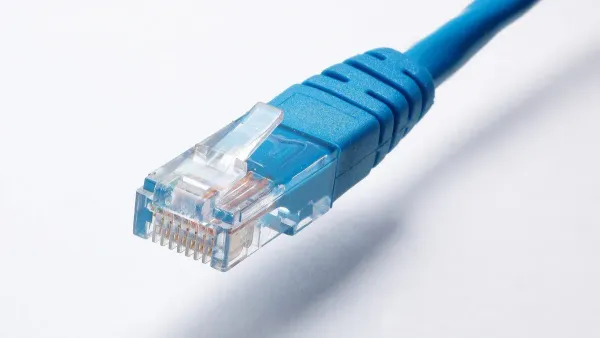
RJ45 continues to shape how you connect devices in electronic components and integrated circuits. You see RJ45 as the backbone of wired networks, even as technology moves fast. Understanding RJ45 gives you reliable, high-speed Ethernet networking in homes and enterprises.
- In 2024, RJ45 connectors reached a market value of $2.8 billion.
- Asia-Pacific leads demand with 40%, followed by North America at 30%, and Europe at 20%.
You rely on RJ45 because it supports new speeds and adapts to modern network needs. When you compare ethernet vs rj45, you notice how RJ45 remains essential for stable networking.
Key Takeaways
- RJ45 connectors are essential for stable Ethernet connections, supporting high-speed data transmission in homes and businesses.
- Understanding the pin layout and wiring standards like T568A or T568B ensures reliable connections and minimizes signal loss.
- RJ45 technology adapts to modern networking needs, including Power over Ethernet (PoE), allowing power and data to travel through the same cable.
- Choosing the right RJ45 connector and cable type is crucial for achieving optimal network performance and compatibility.
- As technology evolves, RJ45 connectors will continue to play a vital role in supporting high-speed Ethernet and smart devices.
RJ45 Connector Basics
What Is an RJ45 Connector?
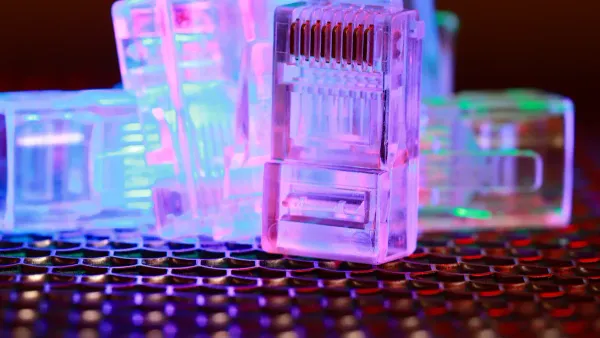
You see the RJ45 connector almost everywhere in modern electronic components and integrated circuits. The RJ45 connector, also known as registered jack 45, is the standard interface for Ethernet networking. You use it to connect devices with a cable that carries data signals. The RJ45 connector features an 8P8C design, which means it has eight positions and eight contacts. This pin layout for rj45 lets you connect multiple twisted pairs of wires, supporting high-speed data transmission and reducing interference.
When you look at an RJ45 connector, you notice several key parts:
- Housing: The plastic shell holds all the internal parts together and gives the connector strength.
- Contacts: Metal pins inside touch the wires in the cable, allowing data to move through the network.
- Latch: A small lever locks the connector into the port, preventing accidental unplugging.
- Crimp: You use a crimping tool to attach the connector to the cable, making sure the connection stays secure.
- Shielding: Some connectors have extra protection to block electromagnetic interference.
- Keying: This feature helps you insert the connector the right way.
- Mounting capabilities: You can use RJ45 connectors for panel, board, surface, or through-hole mounting in electronic components.
- Displays and indicators: Some connectors show you the connection status.
- Integrated magnetics: These help with shielding and protect the current.
- Hi-Rel: This adds protection for both the hardware and the connection.
RJ45 connectors are used for quick, solderless assembly and easy field installation. You can make custom cables fast, which helps when you need to set up or fix a network. The 8-pin layout for rj45 makes it perfect for demanding and data-heavy applications. You find RJ45 connectors in home networks, business networks, telecommunications, and data centers. In each case, the connector acts as the main interface for network cabling and electronic circuits.
Tip: Always check the pin layout for rj45 before crimping a cable. This helps you avoid mistakes and ensures a stable connection.
RJ45 Port and Its Role
You use the RJ45 port to connect devices like computers, routers, and switches. The port acts as the gateway between your device and the network. When you plug an RJ45 connector into the port, you create a direct path for data to travel. This connection lets you send and receive information quickly and reliably.
The RJ45 port plays several important roles:
- Transmission of data: You get bi-directional data flow between devices.
- Connecting network devices: You link computers, switches, and other equipment in your network.
- Ensuring network performance and stability: A quality RJ45 connector and port keep your network stable and boost data transmission.
- Providing the required network rate: RJ45 supports different speeds, so you can choose the right connector for your needs.
You find RJ45 ports in many electronic components and integrated circuits. They are built into motherboards, network cards, and switches. You rely on these ports for local area networks (LANs), telecommunications, and security systems. The RJ45 connector used for these ports is essential for structured cabling and voice or data transmission.
Proper wiring is key for stable Ethernet connections. You must use high-quality RJ45 connectors and cables to minimize signal loss and reduce electromagnetic interference. Shielded connectors help keep the signal strong, especially in places with lots of electronic noise. You should follow wiring standards like T568A or T568B. Mixing these standards can cause crosstalk and network problems. Good wiring ensures your network cabling works well and keeps your data safe.
If you ever face issues, troubleshooting rj45 connections starts with checking the wiring and making sure the connector fits snugly in the port. You can fix many problems by replacing a faulty cable or connector.
Note: Using shielded RJ45 connectors and cables helps protect your network from interference and keeps your data transmission stable.
RJ45 Features
Design and Durability
You depend on the design of the rj45 connector for reliable performance in electronic components and integrated circuits. Manufacturers use advanced materials to make sure each rj45 connector lasts through many cycles of plugging and unplugging. The metal clips use high-purity phosphor bronze, which gives excellent spring-back and durability. Thick gold plating, at least 30μinch, covers the contacts. This gold layer improves conductivity and resists oxidation, so your data transmission stays stable. The plastic housing uses imported polycarbonate, which is tough and resists heat and aging.
| Material Type | Description |
|---|---|
| High-purity phosphor bronze | Used for metal clips, ensuring excellent spring-back performance and durability for thousands of insertions. |
| Thick gold plating | ≥30μinch thick for superior conductivity and oxidation resistance. |
| Imported polycarbonate plastic | Offers high transparency, toughness, and resistance to heat and aging. |
Industrial-grade rj45 connectors work in extreme conditions. You can use them in high or low temperatures, vibration, humidity, and even salt spray. Ordinary rj45 connectors operate from 0℃ to +70℃, while industrial-grade ones handle -40℃ to +85℃. In humid or corrosive places, gold or nickel plating protects the contacts. You get a plug-in lifespan of about 750 to 1000 cycles with standard connectors. Industrial-grade connectors can last over 5000 cycles. This durability makes rj45 connectors a trusted choice for network cabling in electronic components.
Tip: Choose shielded rj45 connectors for environments with lots of electronic noise. Shielding protects your data transmission from interference.
Data Speed and Compatibility
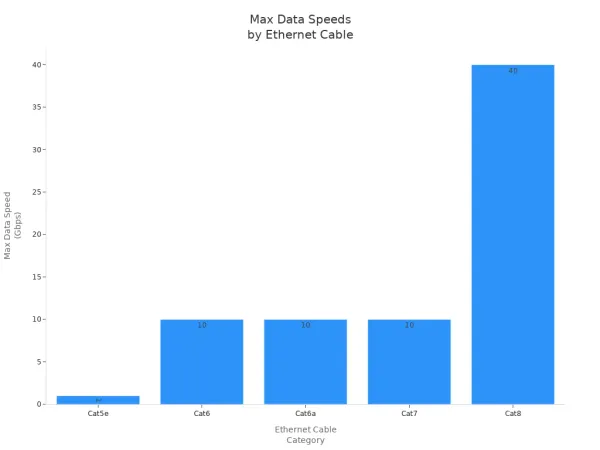
You rely on rj45 connectors to support fast data transmission in your network. The connector works with different Ethernet cable categories, each offering unique speeds and bandwidth. You can see how each cable type affects your network performance in the table below.
| Ethernet Cable | Max Data Transfer Speed | Max Bandwidth | Optimal Cable Length for Max Speed | Common Use Cases |
|---|---|---|---|---|
| Cat5e | 1 Gbps | 100 MHz | Up to 100 meters | Residential networking, basic office use |
| Cat6 | 10 Gbps | 250 MHz | Up to 55 meters for 10 Gbps, 100 meters for lower speeds | General office networking, some data center applications |
| Cat6a | 10 Gbps | 500 MHz | Up to 100 meters | Advanced office networks, data centers, industrial applications |
| Cat7 | 10 Gbps | 600 MHz | Up to 100 meters | High-speed networks, data centers, server rooms |
| Cat8 | 25-40 Gbps | 2000 MHz | Up to 30 meters | High-performance data centers, server-to-server connections |
You see rj45 connectors in electronic components and integrated circuits because they adapt to new networking standards. The standardized design, including pinouts like T568A and T568B, lets you connect new devices to older network infrastructure. This backward compatibility means you can upgrade your network without replacing every cable or connector. The rj45 connector also supports Power over Ethernet (PoE), so you can send power and data transmission through the same cable. Improvements in shielding and contact design help rj45 connectors handle higher speeds and reduce electromagnetic interference.
Note: Always match your rj45 connector and cable type to your network needs. Using the right combination ensures fast and stable data transmission in your electronic components and integrated circuits.
Ethernet vs RJ45
Key Differences
You often hear people talk about ethernet vs rj45, but these terms mean different things. Ethernet is a networking protocol. It sets the rules for how data moves across a network. You use Ethernet to connect devices in local area networks and make sure information travels safely and quickly. RJ45, on the other hand, is a physical connector. You plug it into ports on devices like routers, switches, and computers. The RJ45 connector links your cable to the device, letting data signals pass through.
Think of Ethernet as the language your devices use to talk, while RJ45 is the handshake that connects them.
Here is a simple table to help you see the difference:
| Feature | Ethernet | RJ45 |
|---|---|---|
| Type | Networking protocol | Physical connector/interface |
| Role | Governs data transmission | Connects cables to devices |
| Use in ICs | Sets communication standards | Provides physical link in components |
You need both for a working network. Ethernet gives you the rules. RJ45 gives you the connection. In electronic components and integrated circuits, you find RJ45 ports built in, ready to support Ethernet communication.
When to Use Each
You use ethernet vs rj45 in different ways when building or upgrading a network. RJ45 connectors are essential for terminating your cable. They let you plug cables into network devices. Ethernet covers the technology and protocols that make networking possible. RJ45 is the modular plug that enables these connections.
- RJ45 connectors work best when you need a reliable, physical link for data transmission.
- You use pass-through RJ45 connectors if you want easy installation and fewer wiring mistakes.
- Non-pass-through connectors give a clean finish but need careful alignment.
- Ethernet standards guide you in choosing the right cable and connector for your network speed and environment.
Sometimes, you may need other connectors for special cables or installation needs. For example, solid copper Ethernet cables may not always work best with standard RJ45 connectors. Always check your cable type and installation constraints.
Tip: In most home and business networks, using RJ45 connectors with Ethernet cables gives you the best mix of speed, reliability, and compatibility.
You see ethernet vs rj45 play out in every part of electronic components and integrated circuits. RJ45 connectors make the physical link. Ethernet standards make sure your data moves smoothly and safely.
The Future of Ethernet

RJ45 in Next-Gen Networks
You see rj45 connectors evolving to support the latest ethernet standards in electronic components and integrated circuits. Modern networks demand higher speeds and greater reliability. RJ45 technology now works with next-generation ethernet, including 2.5G, 5G, and 10G Ethernet. You can use these connectors with Cat6 and Cat6a cable to reach transmission rates up to 10Gbps. This speed supports advanced data communication in homes, offices, and large data centers.
| Feature | Description |
|---|---|
| Protocol | 10G Base-T, backward compatible with earlier standards. |
| Cable Type | Uses Category 6 cable for transmission. |
| Transmission Distance | Supports distances up to 100 meters. |
| Transmission Rate | Total rate of 10Gbps, with 2.5Gbps per line. |
| Modulation Technique | Utilizes PAM16 modulation for enhanced data transmission rates. |
| Cost Comparison | Lower cost compared to optical fiber solutions. |
You benefit from multi-rate connectivity, which means you can use 10 Gbps, 5 Gbps, 2.5 Gbps, 1 Gbps, or even 100 Mbps speeds. RJ45 connectors comply with NBASE-T Alliance specifications, so you can upgrade your network without changing every device. You also see support for Wi-Fi 7 and features like Energy Efficient Ethernet (EEE) and MACsec, which improve security and reduce power use. In data centers, rj45 connectors help you organize cables with color-coding, making it easier to manage large systems and expand your network.
Tip: RJ45 connectors offer a low-cost solution for high-speed ethernet, making them ideal for upgrading electronic components and integrated circuits.
Adapting to New Technologies
You notice rj45 connectors adapting to new networking needs. Power over Ethernet (PoE) lets you deliver power and data through the same cable, which simplifies installation and reduces costs. RJ45 connectors use unused twisted wire pairs in ethernet cables to send power safely and reliably. You see this feature in smart home devices, security cameras, and IoT systems.
| Feature | Description |
|---|---|
| Power Delivery | RJ45 connectors deliver electrical power alongside data. |
| PoE Standards | IEEE 802.3af allows for increased power delivery capabilities. |
| Cost Savings | No need for separate power wiring, reducing installation costs. |
| Safety and Reliability | PoE is safe, reliable, and scalable for many applications. |
| Magnetics Integration | Improved EMI shielding and ESD protection for stable data communication. |
You see the market for rj45 connectors growing as more people need high-speed internet and ethernet technology. The rise of big data, cloud computing, and smart devices drives this growth. Manufacturers innovate to meet new standards, and you see rj45 connectors supporting both copper and fiber technologies in hybrid networks. This compatibility helps you connect devices in electronic components and integrated circuits, making your network flexible and scalable.
You also see rj45 connectors advancing in healthcare and industrial environments. AI integration creates smarter networks that adapt to changing conditions. Sustainability efforts push for energy-efficient solutions, and rj45 connectors respond with features like EEE. In smart homes and IoT, you rely on Cat7 and Cat8 connectors for speeds up to 40Gbps, supporting streaming, gaming, and automation.
Note: RJ45 connectors remain essential for stable, high-speed ethernet in electronic components and integrated circuits, even as technology evolves.
You depend on RJ45 for stable Ethernet connections in electronic components and integrated circuits. RJ45 connectors adapt to new speeds and support PoE, making them ready for future networking needs.
- They keep mission-critical IoT systems running smoothly, even in places with high EMI.
- RJ45 ensures reliable communication for data-heavy industrial setups and smart devices.
| Key Factor | Description |
|---|---|
| Technological Growth | RJ45 supports PoE and high-speed Ethernet in smart systems. |
| Market Demand | More smart homes and industrial networks use RJ45 every year. |
You will see RJ45 continue to shape the future of network connectivity as technology evolves.
FAQ
What is the main function of an rj45 connector in electronic components?
You use an rj45 connector to link network cables to devices like computers, routers, and switches. This connector creates a stable path for data signals inside electronic components and integrated circuits.
Can rj45 connectors support high-speed Ethernet in integrated circuits?
Yes, rj45 connectors work with high-speed Ethernet standards. You can use them with Cat6 or Cat8 cables to reach speeds up to 40Gbps. This makes them ideal for advanced integrated circuits and data-heavy applications.
How do you ensure a reliable rj45 connection in network hardware?
You should use quality rj45 connectors and follow wiring standards like T568A or T568B. Proper installation helps prevent signal loss and keeps your electronic components and integrated circuits running smoothly.
Why do electronic components still use rj45 instead of wireless solutions?
You get more stable and secure connections with rj45. Many electronic components and integrated circuits need reliable data transfer, which wired connections provide better than wireless options.
What is Power over Ethernet (PoE) and how does rj45 help?
Power over Ethernet lets you send power and data through one cable. You use rj45 connectors to deliver both to devices like cameras and sensors in integrated circuits, making installation easier and reducing extra wiring.