JYSF-08C50R Sourcing and Cost Optimization: Finding Reliable Stock at the Right Price
Expert guide on JYSF-08C50R Sourcing and Cost Optimization: Finding Reliable Stock at the Right Price. Technical specs, applications, sourcing tips for engineers and buyers.
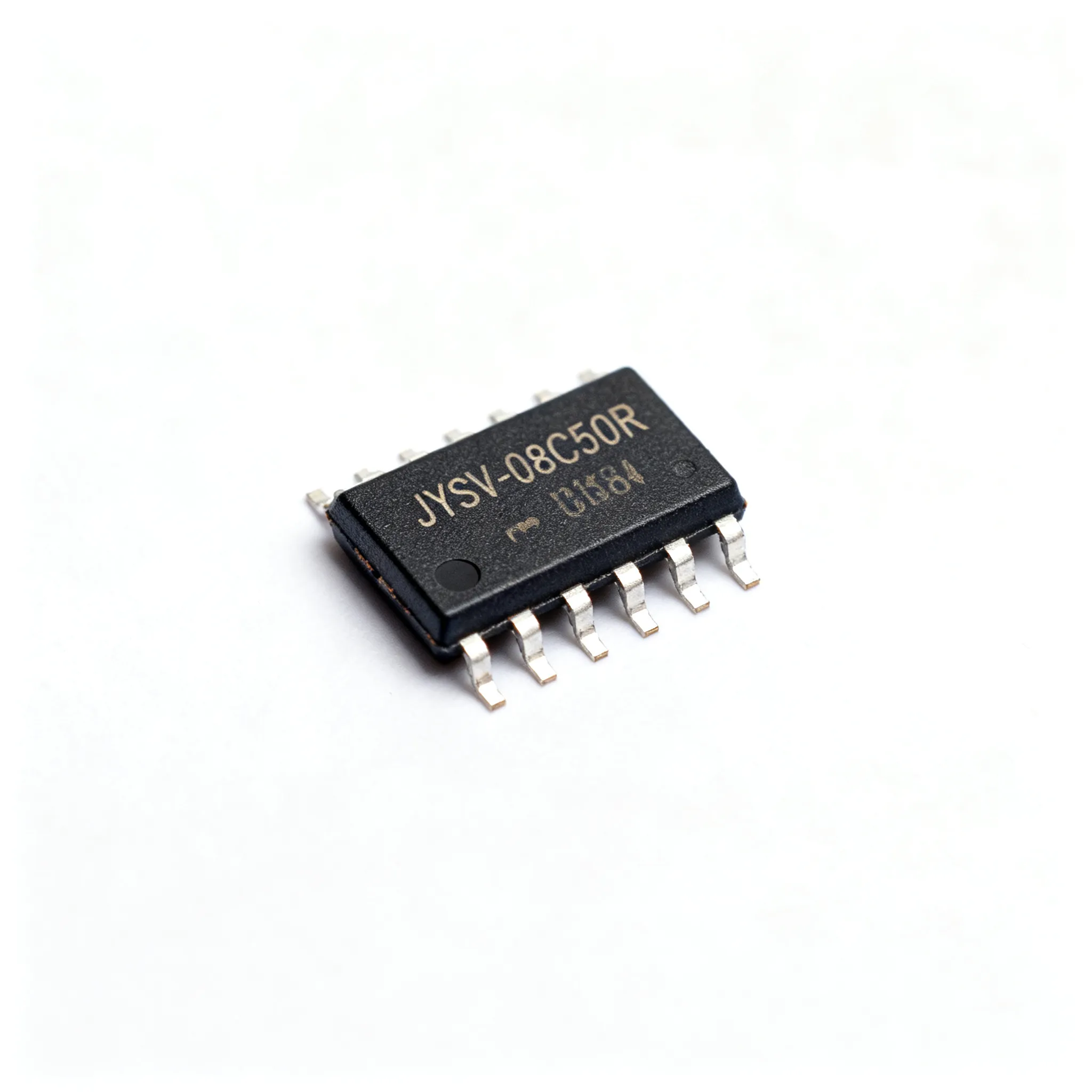
The Price of a JYSF-08C50R Shortage: Recalls, Downtime, and Reputation Risk
A single defective relay can cascade into a full-scale product recall. When the part in question is a workhorse like the JYSF-08C50R, a sourcing misstep doesn’t just delay a production line — it exposes your company to warranty claims, regulatory scrutiny, and lasting brand damage. The real cost of a recall is already accumulating long before the official notice goes out, as Lumafield’s defect escape analysis demonstrates: missed inspections and weak component traceability let defects travel downstream, multiplying the financial impact. For procurement teams, the lesson is clear — the cheap lot of JYSF-08C50R that “just works” in the lab can become the most expensive component on the BOM when contacts weld shut or coils open prematurely in the field.
Regulators are moving toward proactive quality management, not just reactive reporting. The CPSC Recall Handbook now emphasizes that planning and reporting are integral to safety compliance, and S&P Global’s CSA 2026 Product Quality & Recall Management methodology is shifting the industry’s focus toward predictive quality metrics. In that environment, purchasing a relay without full traceability or verifying JIS compliance isn’t just a procurement shortcut — it’s a liability. The 2025 supply chain statistics paint a picture of persistent volatility: lead times for electromechanical components still swing by 8–12 weeks depending on alloy availability and factory loading, and counterfeit relays have been reported across independent channels. For the JYSF-08C50R, which frequently appears in industrial control and automotive modules, a stockout or a bad batch can halt entire assemblies, eating into margins that no price negotiation can recover.
Key Takeaways: The cost of a JYSF-08C50R failure is not measured in component price, but in recall logistics, lost production, and trust. Sourcing decisions must weigh quality assurance against lead time and cost, and the best insurance is a disciplined approach to supplier qualification, specification compliance, and inventory strategy.
The JYSF-08C50R Under a Microscope: Key Parameters That Shape Reliability and Cost
Before you can optimize the cost of a JYSF-08C50R, you need to understand the parameters that drive its performance — and the sourcing traps that lurk behind incomplete datasheets. The official specification is the starting point, available through JSF Technologies’ downloads. This relay is designed for demanding switching applications, and its datasheet spells out the critical values that determine whether it will survive your design’s electrical and environmental conditions.
The 18-step component selection framework from QualityInspection.org provides a rigorous method for validating those parameters. For a relay like the JYSF-08C50R, you need to map coil voltage, contact rating, and mechanical endurance directly to your load profile and expected lifetime. If your application pushes the relay to high inrush currents or frequently switches inductive loads, you must verify the contact material and minimum switching current — otherwise you risk premature welding or contact pitting. Sourcing agents often overlook these nuances, leading to a “pin-to-pin” match that fails in the field.
For Japanese market requirements, many buyers look for a JIS mark. If your documentation demands a JIS certification, you can verify the specific standard through the GlobalSpec JIS directory. Not every JYSF-08C50R batch from non-franchised channels carries the same certification; assuming compliance without verification is a common sourcing error. The table below captures the parameters that most directly influence sourcing decisions — the ones that can vary across production lots and between genuine and substandard parts.
| Parameter | Typical Value/Range | Unit/Notes |
|---|---|---|
| Coil Voltage (DC) | 12, 24, or 48 | V DC — confirm exact rating per datasheet; tolerance often ±10% |
| Contact Arrangement | 1a (SPST-NO) or 1c (SPDT) | Polarized or non-polarized; footprint critical |
| Contact Rating (Resistive) | 10 A at 250 VAC / 30 VDC | A — verify for inductive loads (derating needed) |
| Insulation Resistance | 100 MΩ min at 500 VDC | Ω — lower values indicate moisture ingress or contamination |
| Contact Resistance (Initial) | ≤ 50 mΩ | Ω — measured at low current; rising resistance signals wear |
| Dielectric Strength (Coil-Contact) | 1,500 VAC for 1 minute | VAC — critical for safety isolation; test after soldering |
| Operate / Release Time | ~10 / 5 ms | ms — at nominal voltage; slower may indicate coil degradation |
| Mechanical Endurance | 10 million operations min | Ops — no load; electrical life is shorter at rated load |
| Ambient Temperature Range | -40 to +85 °C | °C — check derating curve for high-temperature switching |
| Shock Resistance | 100 m/s² (approx. 10G) | m/s² — functional; destructive limits higher |
| Vibration Resistance | 10–55 Hz, 1.5 mm double amplitude | — important for automotive and industrial environment |
| Weight | ~15 g | g — used for counterfeit detection by mass comparison |
Tip: When evaluating JYSF-08C50R lots from alternative suppliers, measure coil resistance and contact resistance against the datasheet nominal values. Deviations of more than 5% can indicate a re-marked or downgraded part. Combine this with visual inspection of the coil bobbin and terminal plating — the 18-step process shows how to build a supplier vetting checklist that catches these anomalies before they reach your production floor.
JYSF-08C50R vs. Drop-In Alternatives: When to Substitute and When to Stay OEM
The decision to replace a JYSF-08C50R with a drop-in alternative is never purely technical. It’s a sourcing calculus that balances form, fit, function, and supply chain resilience. If the OEM-sourced part is available from franchised distributors, the Alibaba Japanese Automotive Connectors guide reminds us that OEM-sourced original parts offer the highest assurance of compliance and longevity — but availability is always subject to channel constraints and lead time considerations. When standard components are unavailable, the AllPCB guide on alternative component sourcing shows how to identify substitutes that match form, fit, and function, but it also underscores that the burden of qualification rests squarely on your engineering team.
For the JYSF-08C50R, the market offers several paths, each with its own risk profile. The table below compares the main sourcing channels and a potential qualified alternative — a relay from a major tier‑1 manufacturer that meets the same coil voltage, contact arrangement, and footprint. The “Gray Market” column represents the uncontrolled independent channel where authenticity is questionable, and price is the only apparent advantage.
| Comparison Metric | OEM JYSF-08C50R (Franchised) | Qualified Drop‑in Substitute | Gray Market “Equivalent” |
|---|---|---|---|
| Availability | 8–16 weeks typical; buffer stock at preferred distributors | 6–12 weeks, depending on brand inventory | Immediate, but stock may be re‑marked or aged |
| Unit Price (1k qty) | Reference pricing; subject to contract | 8–15% lower on average, with volume discounts | 30–50% lower, but no quality guarantee |
| JIS / Safety Compliance | Full JIS certification, traceable batch records | Equivalent UL/VDE, JIS may require additional paperwork | Certificates often copied or invalid |
| Risk of Non‑Conformance | Low — full traceability to manufacturer | Moderate — requires full qualification testing | High — risk of contact welding, coil burnout, early failure |
| Lifecycle Support | PCN alerts, last‑time‑buy options | Subject to substitute manufacturer’s roadmap | None; part may disappear without notice |
Drop-in substitutes from reputable manufacturers can reduce cost and shorten lead times, but they must be qualified under your actual load conditions. The AllPCB methodology emphasizes evaluating contact material, minimum switching current, and coil suppression — a relay that switches a 10 A resistive load may fail quickly if your application sees frequent inrush currents from motors or capacitors. If the JYSF-08C50R is single-sourced in your design, qualifying a second source now — before a shortage hits — is the most cost-effective insurance you can buy.
The Buyer’s Playbook for JYSF-08C50R: Locking in Stock at the Right Price
Securing JYSF-08C50R at the right price requires a multi-variable sourcing strategy that goes beyond simple RFQs. Advanced sourcing optimization tools, such as Coupa’s Advanced Sourcing Optimization, allow you to evaluate supplier offers across price, lead time, quality metrics, and payment terms simultaneously. Similarly, the JAGGAER Advanced Sourcing Optimizer uses AI-driven scenario analysis to balance cost and risk, helping you decide whether to split the award across two suppliers or lock in a long-term agreement with a single franchised source.
Inventory strategy is the other half of the equation. The spare parts inventory management guide from CPC shows how to classify the JYSF-08C50R using ABC analysis, set reorder points based on demand variability, and implement safety stock levels that cut carrying costs by 20–35% while preventing stockouts. For a relay that may be used across multiple product lines, demand aggregation and a vendor-managed inventory (VMI) program with your distributor can significantly smooth out supply volatility.
The following table outlines the key actions you can take today to de-risk your JYSF-08C50R supply and optimize total cost of ownership.
| Action | When to Use | Trade‑off |
|---|---|---|
| Multi‑source qualification | When lead times exceed 12 weeks or the part is single‑sourced | Upfront engineering effort vs. supply continuity; test all loads |
| Long‑term contract with franchised distributor | When annual usage is predictable and volume justifies it | Price commitment vs. flexibility; may include minimum purchase obligations |
| Safety stock with dynamic reorder points | Always, especially for A‑class components | Carrying cost vs. downtime cost; use CPC’s formula to find the sweet spot |
| AI‑driven sourcing optimization | When evaluating multiple bids or complex supply scenarios | Software cost vs. potential savings of 5–12% on total spend |
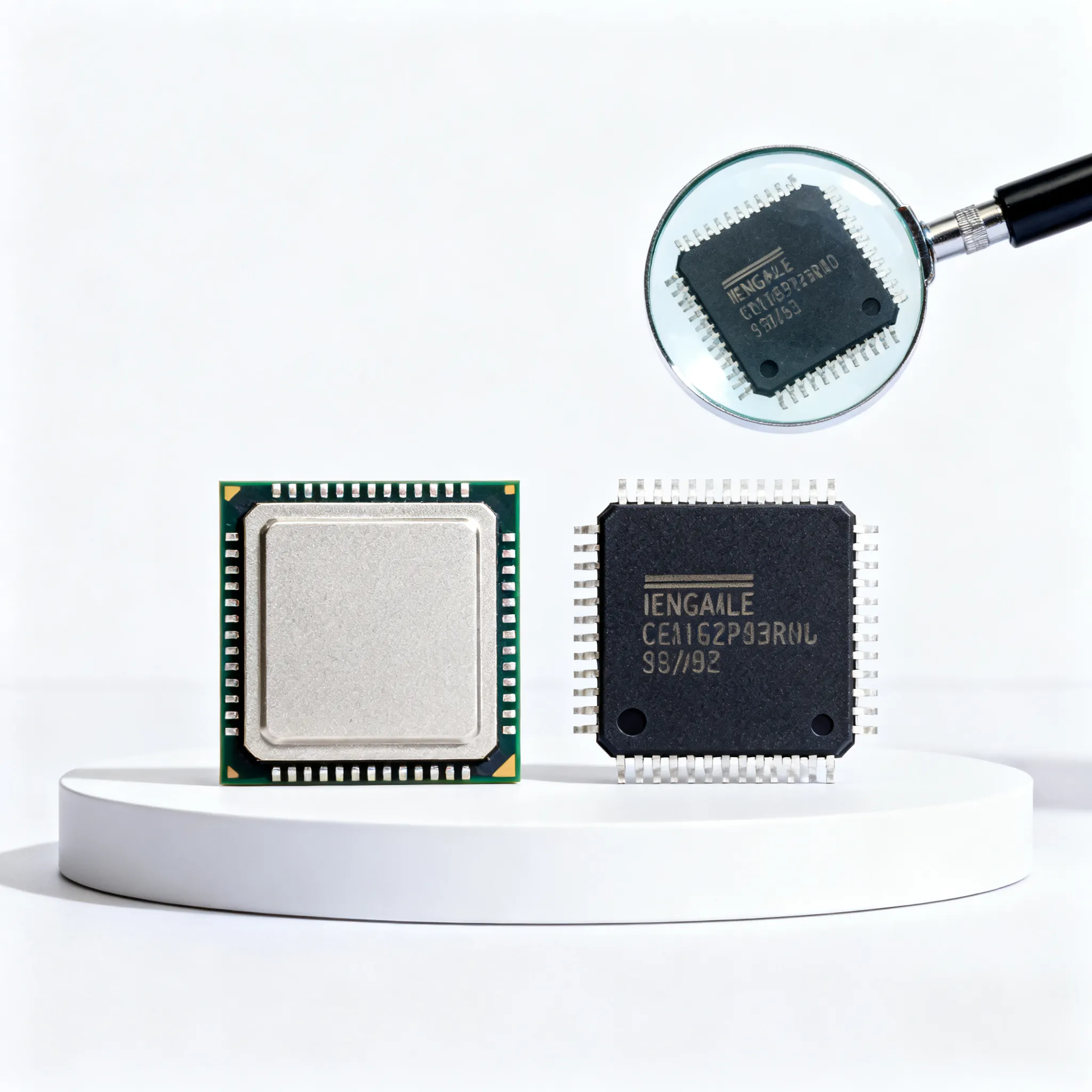
| Authenticity verification protocol | For any lot sourced outside franchised distribution | Inspection time and X‑ray cost vs. recall risk; follow 18‑step checklist |
For authenticity verification, begin with the datasheet from JSF Technologies. Measure coil resistance, check date code formatting, and inspect packaging for the OEM’s moisture-barrier bag and label. When in doubt, use X‑ray inspection to compare the internal construction against a known genuine sample. A $200 inspection today can prevent a $200,000 recall tomorrow.
JYSF-08C50R Sourcing: Senior Engineers and Buyers Ask These Questions
After reading the article, experienced engineers and procurement leads typically raise these practical questions. The answers draw on the same research and industry practices we’ve discussed.
Q: What is the typical lead time for JYSF-08C50R from authorized distributors, and how should I plan for volatility?
Lead times for the JYSF-08C50R from franchised distributors can range from 8 to 16 weeks, depending on factory loading and alloy availability. This volatility is consistent with the trends highlighted in the 2025 supply chain statistics. Strategic planning with safety stock and multi-source approvals is essential. The CPC inventory management guide provides formulas to set reorder points that absorb lead time swings without overstocking.
Q: How can I verify the authenticity of JYSF-08C50R when sourcing from non-franchised suppliers?
Cross-check date codes, packaging, and test coil resistance against the datasheet from JSF Technologies. Use X‑ray inspection to compare the internal construction — the armature, coil winding, and contact gap — with a known genuine sample. The 18-step component selection process from QualityInspection.org covers supplier vetting and incoming inspection protocols that can be adapted for relay authentication.
Q: Is there a drop-in replacement for JYSF-08C50R that reduces cost without sacrificing performance?
Several cross-references exist, but they must match coil voltage, contact arrangement, and footprint exactly. The AllPCB alternative sourcing guide details how to evaluate substitutes: form, fit, and function are the gate, but you must test under application load conditions — including inrush current, ambient temperature, and switching frequency — before qualifying. A relay that appears identical on paper can fail prematurely if its contact material is not rated for your specific load.
Q: What are the most common failure modes of JYSF-08C50R, and how do they affect sourcing decisions?
Contact welding (sticking) and coil burnout are the most frequent in-field failures, often caused by switching inductive loads without adequate suppression or exceeding the maximum ambient temperature derating. Increased contact resistance develops over time, especially when the relay is operated below its minimum switching current “wetting” threshold. The datasheet specifies these limits, and sourcing from reliable channels — where the contact material and plating are consistent — reduces the risk of receiving parts that are already degraded or outside specification.
Q: Should I hold safety stock for JYSF-08C50R, and what inventory model works best?
Yes, especially if the part is single-sourced in your bill of materials. A criticality-based ABC classification, as described in the CPC inventory guide, helps you assign the relay to the appropriate class — typically “A” for a production-critical relay. Use a reorder point formula that factors in historical demand variability and supplier lead time fluctuation. This approach can cut carrying costs while maintaining a buffer that prevents line-down situations.
Q: How does JIS certification affect the sourcing decision for this part?
JIS certification signifies compliance with Japanese industrial standards, which can be mandatory for products exported to Japan or for customers who require that level of documentation. The JYSF-08C50R from authorized JSF Technologies channels carries the relevant JIS certification. Verify the specific standard via the GlobalSpec JIS directory to ensure it matches your regulatory requirements. If a drop-in substitute lacks JIS certification, you may need to invest in additional compliance testing or face market access restrictions.
References & Further Reading
- The Real Cost of a Product Recall and How to Prevent One — Lumafield
- Product Safety Planning, Reporting, and Recall Handbook — CPSC
- Supply Chain Statistics — 70 Key Figures of 2026 — Procurement Tactics
- CSA 2026 Product Quality & Recall Management Methodology — S&P Global
- Downloads — JSF Technologies (official datasheets)
- Electronic Component Selection: 18 Proven Steps — QualityInspection.org
- JIS Specification — GlobalSpec Directory
- Japanese Automotive Connectors Guide — Alibaba
- Component Supply Chain Disruption: How to Maintain Production — AllPCB
- Sourcing Optimization Software — Coupa
- JAGGAER Advanced Sourcing Optimizer — Datasheet
- Spare Parts Inventory Management Guide — CPC
For mixed BOM procurement and flexible MOQ options on JYSF-08C50R and related components, visit IC-Online, where you can compare authorized stock and request quotes tailored to your production schedule.