Key reasons to prioritize the 45+5 mfd capacitor in HVAC maintenance
You depend on your hvac system to keep your home comfortable year-round. The 45+5 mfd capacitor plays an essential role in b
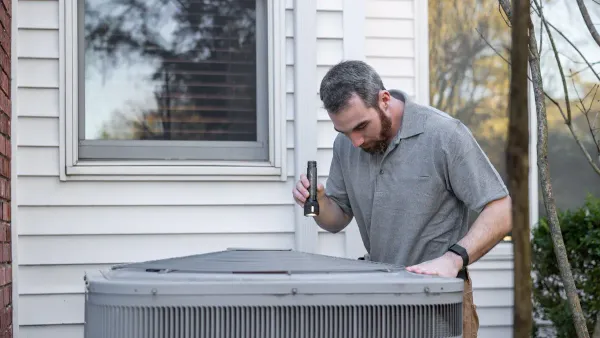
You depend on your hvac system to keep your home comfortable year-round. The 45+5 mfd capacitor plays an essential role in both the ac compressor and fan motor, helping each unit start and run smoothly. Neglecting capacitor checks can lead to ac system failure and higher repair costs. Regular inspection helps prevent downtime and extends the life of your hvac system.
- Many major brands use the 45+5 mfd capacitor for reliable ac startup and efficient operation.
- Keeping the correct microfarad rating ensures your capacitor delivers the right energy boost, protecting the compressor and fan motor.
- Timely replacement of the capacitor helps your ac run efficiently and reduces the risk of costly breakdowns.
Key Takeaways
- The 45+5 mfd capacitor powers both the compressor and fan motor, helping your AC start and run smoothly.
- Using the correct capacitor rating protects your HVAC motors from damage and improves energy efficiency.
- Regularly inspect the capacitor for signs of wear like swelling, leaks, or strange noises to avoid costly breakdowns.
- Replace the capacitor promptly when needed and always hire a qualified technician for safe and reliable service.
- Proper capacitor care extends your AC system’s life, lowers energy bills, and keeps your home comfortable year-round.
45+5 mfd capacitor in HVAC
Dual run capacitor function
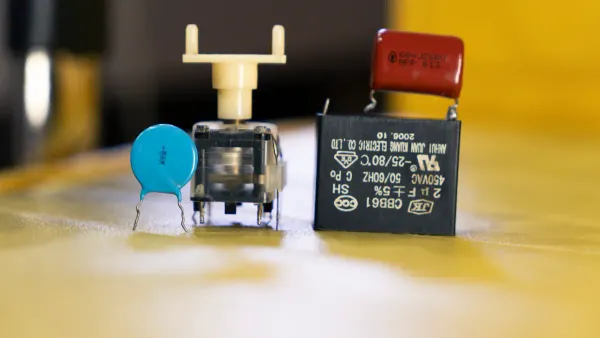
You rely on your hvac system to keep your home cool and comfortable. The 45+5 mfd capacitor is a dual run capacitor, which means it supports both the compressor and the fan motor in your ac unit. This design allows one capacitor to do the job of two, making it a popular choice for many hvac systems. When you turn on your ac, the dual capacitor gives a strong burst of electricity to start the compressor and fan motor. After startup, it keeps sending steady power so both motors run smoothly. This helps your ac work efficiently and prevents motor damage.
Tip: A dual run capacitor combines the functions of a start capacitor and a run capacitor. You get reliable starting torque and continuous operation for both the compressor and fan motor.
The 45+5 mfd capacitor is designed for hvac applications. It works with ac fan, motor, and blower systems. You will find it in both residential and commercial hvac systems because it is durable, safe, and easy to install.
Importance of correct capacitance
Choosing the right capacitor is important for your hvac system. The 45+5 mfd capacitor has two ratings: 45 microfarads for the compressor and 5 microfarads for the fan motor. If you use a capacitor with the wrong rating, your ac may not start, run slowly, or make strange noises. Incorrect capacitance can cause high or low current in the motor windings, leading to overheating, poor efficiency, and even motor failure. Always match the capacitor’s voltage and microfarad ratings to your system’s requirements.
Here is a quick look at the technical specifications for the 45+5 mfd capacitor:
| Feature | Specification |
|---|---|
| Capacitance | 45/5 microfarads (μF) |
| Voltage Rating | 370-440V AC |
| Frequency | 50/60 Hz |
| Shape | Round |
| Construction | Aluminum casing, explosion-proof design |
| Temperature Range | -40°C to +85°C |
| Operational Life | Up to 60,000 hours |
| Safety | PCB-free, UL and CUL listed |
| Application | HVAC compressor and fan motor |
If you want your air conditioner capacitor to last, always use the correct 45+5 mfd capacitor. This helps your ac run efficiently and keeps your hvac system reliable.
Capacitor role in performance
Motor startup and efficiency
When you turn on your ac, the capacitor gives the motors the energy they need to start. This first jolt of electricity helps the compressor and fan motor overcome resistance and begin moving. Without the right capacitor, your ac might struggle to start or fail to run at all. The 45+5 mfd capacitor is designed to provide the correct starting torque for both the compressor and the fan motor in your hvac. This ensures your ac starts quickly and runs smoothly every time.
You can see how the capacitor impacts motor startup in the table below:
| Aspect | Explanation |
|---|---|
| Capacitor Role | Start capacitors increase motor starting torque and enable rapid motor cycling by energizing the motor until it reaches about 3/4 of full speed. |
| Capacitor Sizing Importance | Correct sizing is critical; improper sizing (too large or too small) causes increased energy use, noise, overheating, and reduced motor life. |
| Capacitor Rating Range | Start capacitors typically have ratings above 70 mfd; a 45+5 mfd capacitor likely refers to a combined or dual rating capacitor used for startup. |
| Impact of 45+5 mfd Capacitor | Provides necessary starting torque and proper phase energization, ensuring smooth startup and protecting motor longevity. |
| Potential Relay Role | Connects and disconnects the start capacitor at appropriate motor speeds to optimize starting torque and prevent winding stress. |
| Manufacturer Recommendations | Exact capacitor size must be used; voltage rating must be equal or higher; potential relay should be replaced with the start capacitor. |
The capacitor also helps keep voltage and current in phase. This means your ac uses electricity more efficiently. When the voltage and current are aligned, the motors in your hvac do not waste energy. This reduces your power bills and helps your ac last longer. The capacitor supplies a surge of power to start the motor, then keeps the voltage and current balanced during operation. This balance prevents the motor from stalling or cycling too often, which can cause wear and tear.
- Capacitors in your hvac supply reactive power locally, which reduces the phase difference between voltage and current.
- This improves the power factor, making your ac use electricity more efficiently.
- Better phase alignment means less energy loss and less stress on your power system.
- Your hvac system runs more smoothly, with lower costs and better stability.
System reliability
A high-quality capacitor does more than just help your ac start. It also keeps your hvac running safely and reliably over time. The 45+5 mfd capacitor has several features that boost system reliability:
- The capacitor has a low dissipation factor, which means it loses very little energy as heat. This helps your ac run cooler and last longer.
- High insulation resistance in the capacitor keeps electricity from leaking, which protects your hvac from electrical problems.
- The capacitor can work in a wide range of temperatures, from -40°C to 85°C. This makes it reliable in both hot and cold weather.
- Self-healing properties allow the capacitor to recover from small internal breakdowns. This extends its service life and keeps your ac running.
- An internal anti-explosion device adds another layer of safety, protecting your hvac from damage if the capacitor fails.
- The capacitor meets strict safety standards, so you can trust it to protect your ac and your home.
Tip: Choosing a capacitor with strong overload capacity and steady electrical performance helps your hvac handle tough conditions without breaking down.
When you use the right capacitor, you help your hvac system avoid unexpected failures. You also reduce the risk of expensive repairs and keep your ac working when you need it most. Regular checks and timely replacement of the capacitor are key steps to keeping your hvac reliable and efficient.
HVAC capacitor maintenance
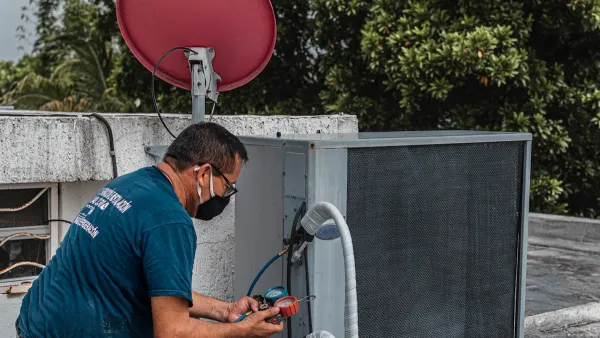
Signs of failure
You can spot a failing capacitor in your HVAC system by watching for several warning signs. If you notice these problems, your AC may need attention:
- The compressor or fan motors do not run, or they start and stop often.
- The fan motor runs only sometimes, or it seems weak.
- Airflow from your vents feels low, even when the system is on.
- The circuit breaker trips when the AC tries to start.
- You hear a humming sound from the unit, but it does not start.
- The capacitor looks swollen, split, or leaks fluid.
- Sometimes, there are no visible signs, but the system still acts up.
Running your AC with a bad capacitor can cause motor bearings to wear out. This leads to bigger problems, like motor failure. If you see any of these signs, you should act quickly to avoid costly repairs.
Maintenance tips
You can keep your HVAC system running well by following a few simple maintenance steps. Regular checks help you catch problems before they get worse. Here are some tips to help you care for your capacitor and AC:
- Look at the capacitor for bulging, swelling, or leaks. Check the terminals for rust or loose wires.
- Keep the area around your AC unit clean. Dirt and debris can cause the system to overheat.
- Listen for odd noises, like humming or buzzing, which can mean trouble.
- Watch for weak airflow or uneven cooling in your home.
- Schedule professional HVAC inspections at least once a year. In hot areas, twice a year is better.
- Replace the capacitor if you see damage or if your AC is not working right.
- Protect your system from power surges by using a surge protector.
- Make sure the environment around your AC is dry and free from dust or chemicals.
| Frequency | Maintenance Task |
|---|---|
| Bi-annually | Professional AC system inspection |
| Annually | Visual inspection of capacitor |
| As needed | Cleaning of the AC unit exterior |
| Every 15-20 years | Consider capacitor replacement |
Capacitors usually last 10 to 20 years, but heat, power surges, and heavy use can shorten their life. If you notice any signs of a bad capacitor, do not wait. Quick AC capacitor replacement can save your system from bigger problems.
Tip: Regular capacitor checks help your HVAC system use less energy and last longer. Early replacement keeps your AC running smoothly and avoids emergency repairs.
Professional service
You should always call a qualified HVAC technician for AC capacitor replacement or repairs. Professionals have the right tools and training to handle electrical parts safely. They know how to test the capacitor, check for hidden problems, and install the correct part.
Look for technicians with EPA Section 608 Certification. Many also have NATE or HVAC Excellence certifications, which show they understand electrical systems and safety. Some companies require OSHA safety training for their workers. These qualifications help protect your home and your HVAC system.
Professional service costs more than doing it yourself, but it saves money in the long run. Technicians can spot other issues during a service call, preventing future breakdowns. They also provide a warranty on their work, giving you peace of mind.
Neglecting regular maintenance can lead to system failure, high energy bills, and even safety hazards. If you skip capacitor checks, you risk damaging the compressor, which can cost thousands to replace. Regular inspections and timely replacement keep your HVAC system efficient, reliable, and safe.
You protect your ac system and save money when you make the 45+5 mfd capacitor a top priority. The capacitor keeps your ac running smoothly, helps the compressor and fan motors last longer, and prevents sudden breakdowns.
- Industry guidelines show that regular capacitor checks and timely replacement can extend your ac system’s life by years.
- HVAC professionals recommend you inspect the capacitor, test it with a multimeter, and replace it before failure.
- Always let a trained technician handle capacitor maintenance for safety.
Remember: A healthy capacitor means your ac works efficiently and reliably. Make capacitor care a regular part of your hvac routine.
FAQ
What does a 45+5 mfd capacitor do in my ac?
You use this capacitor to help your ac start and run. It gives power to both the compressor and the fan motor. This keeps your ac working smoothly and helps prevent breakdowns.
How often should I check the capacitor in my ac?
You should check the capacitor at least once a year. Regular checks help you spot problems early. If your ac runs often or in hot weather, you may need to check it more often.
Can I replace the capacitor in my ac myself?
You should let a trained technician replace the capacitor. Working with electricity can be dangerous. Professionals have the right tools and know how to keep your ac safe.
What signs show my ac capacitor is failing?
You may notice weak airflow, strange noises, or your ac not starting. Sometimes, the capacitor looks swollen or leaks fluid. These signs mean you should get help soon.
Tip: Quick action keeps your ac running and avoids bigger repairs.