L1154 vs LR44 Battery Equivalence and Key Differences Explained
L1154 vs LR44: often interchangeable, but terminal shape and chemistry differ. Check fit and voltage for safe replacement in your device.

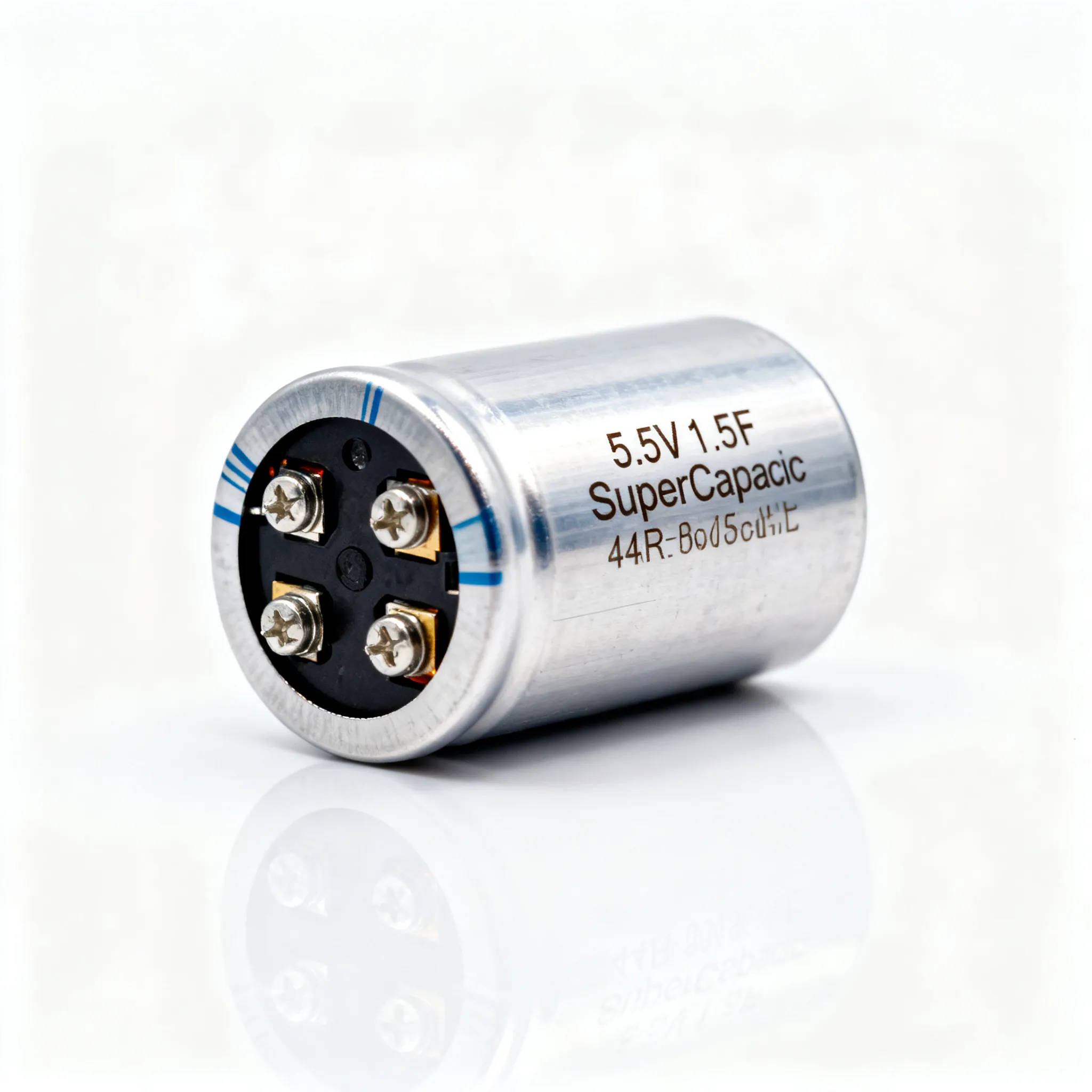
You can usually swap an L1154 with an LR44. Both button cells share the same 11.6 mm diameter and 5.4 mm height. They also deliver 1.5 volts. The l1154 vs lr44 question often comes down to labeling. Yet small physical differences can break the swap. The l1154 battery may have a flat negative terminal. Many lr44 cells use a domed bottom. That shape change can prevent contact in tight compartments. Chemistry also varies. Some lr44 versions use silver oxide for steadier voltage. This article helps you compare specs and decide safely. You will learn when the l1154 works and when it fails.
Key Takeaways
- L1154 and LR44 batteries share the same size and voltage, so they often work as replacements.
- Check the negative terminal shape: a flat L1154 may not fit a device designed for a domed LR44.
- Match the battery chemistry: silver oxide lasts longer and provides stable voltage for precision devices.
- Test the fit before relying on the swap, especially in tight compartments.
- Follow safety rules: never mix old and new batteries, and keep button cells away from children.
L1154 vs LR44: Quick Equivalence Answer
Are They the Same Battery?
For most practical purposes, yes. The l1154 and lr44 share the same physical footprint and the same nominal voltage. The IEC 60086-3 naming convention explains why. The code LR1154 encodes the dimensions directly: 11 stands for the diameter and 54 stands for the height. That is why the l1154 vs lr44 comparison so often ends in a shrug.
| Battery | Diameter | Height | Nominal Voltage |
|---|---|---|---|
| LR44 / L1154 (IEC) | 11.6 mm | 5.4 mm | 1.5 V |
| LR1154 / V13GA | 11.6 mm | 5.4 mm | 1.5 V |
The l1154 battery and the lr44 both use alkaline zinc-manganese dioxide chemistry. Each measures 11.6 mm across and 5.4 mm tall. Those equivalent specifications make the two cells interchangeable in a wide range of devices.
L1154F and LR44 batteries are suitable replacements for each other... The battery replacements work interchangeably with most devices since they share similar functionality.
The primary difference is often just brand labeling. One manufacturer prints L1154 on the wrapper. Another prints LR44. The cell inside behaves the same way.
When Interchangeability Fails
The l1154/lr44 swap does not always succeed. Terminal shape is the usual culprit. An L1154F cell has a flat negative bottom. Many lr44 cells have a domed negative side. That dome adds a small amount of height at the contact point.
A tight compartment may not close over a domed cell. A weak spring may not reach a flat one. Either mismatch breaks the circuit. The l1154/lr44 interchangeability therefore depends on the device, not just the label.
Chemistry adds a second variable. A silver oxide version of the lr44 delivers 1.55 V instead of 1.5 V. That extra 0.05 V rarely matters. Voltage stability over the discharge curve matters far more in precision devices.
Check three things before you swap. First, confirm the polarity marking inside the compartment. Second, compare the negative terminal shape of the old cell against the new one. Third, test whether the compartment closes without force. If any check fails, the l1154 and lr44 are not truly equivalent for that device.
What Is an L1154 Battery?
Specs and Chemistry
The l1154 battery is an alkaline battery built in the button cell battery format. It uses zinc and manganese dioxide as its active materials. The electrolyte is alkaline potassium hydroxide (KOH). This chemistry gives the cell a nominal voltage of 1.5 volts.
The l1154 battery specifications include a typical capacity of 110 mAh. This rating comes from a constant resistance discharge to 0.9V at 20°C. Real-world capacity ranges from 100–150 mAh depending on the discharge conditions. Some manufacturers rate their l1154 cells at approximately 150 mAh. The l1154/lr1154 naming follows the IEC 60086-3 convention, where the numbers encode the 11.6 mm diameter and 5.4 mm height.
You will often see this l1154 labeled L1154F. The "F" indicates a flat negative terminal. That flat bottom matters for fit in tight compartments. An unused l1154 holds its charge for around 3 years under standard storage conditions.
Shelf Life: Around 3 years
Typical Devices
The l1154 fits many small electronics. You will find it in calculators, digital watches, and small remote controls. Toys and laser pointers also use this cell size. Medical devices such as digital thermometers and glucose monitors rely on it too.
The voltage and capacity of the l1154 suit low-drain devices best. A calculator draws very little current, so the cell lasts a long time. A device with a backlight or motor drains the l1154 faster. Silver oxide alternatives offer a flatter discharge curve for precision instruments. Always check your device manual for the recommended chemistry. The l1154 battery works well in most of these devices, but the l1154 may not fit every compartment. Test the fit before you rely on the l1154 for a critical device.
What Is an LR44 Battery?

Specs and Chemistry
The lr44 is an alkaline battery built in the button cell format. Its chemistry uses zinc and manganese dioxide with an alkaline electrolyte. This gives the cell a nominal voltage of 1.5 volts. The lr44 battery specifications vary slightly by manufacturer, but the core dimensions stay the same. The cell measures 11.6 mm in diameter and 5.4 mm in height. These measurements match the L1154 exactly. The IEC code LR1154 encodes these dimensions directly. Understanding these basic numbers helps you identify the correct replacement.
| Attribute | Value |
|---|---|
| Chemistry | Alkaline manganese dioxide (Zn/MnO₂) |
| Voltage | 1.5 V nominal |
| Capacity | 110–150 mAh (up to ~175 mAh at very light drain) |
Rated capacity depends on the discharge rate. Most manufacturers list around 150 mAh to a 0.9 V cut-off. At very light drain, the lr44 can deliver up to 175 mAh. This voltage and capacity range suits low-drain devices well. An alkaline battery provides consistent power delivery throughout its rated life. You get longer runtime from devices that draw minimal current.
Some lr44 cells use silver oxide chemistry instead. Silver oxide versions deliver a flatter discharge curve. The voltage stays stable for longer throughout the battery life. You often see these labeled as SR44 or 357. Several brands offer both alkaline and silver oxide versions under the same lr44 designation. Your device manual usually specifies which chemistry you need. Silver oxide costs more but lasts longer in precision devices.
The discharge curve difference matters most in devices with steady power needs. An alkaline lr44 drops voltage gradually over its life. A silver oxide cell holds a steady voltage until nearly empty. Precision instruments like digital calipers and thermometers benefit from this stability. You should match the original chemistry for best results.
Typical Devices
You find the lr44 in many everyday gadgets. The cell fits a wide range of small electronics. Common devices include:
- Analog and digital watches
- Calculators
- Remote controls for TVs and audio equipment
- Laser pointers
- Digital thermometers
- Blood glucose monitors
- Talking dolls and action figures
- Electronic board games
- Keychain flashlights
- Digital calipers and micrometers
- Wireless mice and keyboards
- Presentation remotes
- Memory card readers
- Pedometers
- Keyless entry systems
The lr44 works well in devices that draw low current over long periods. A calculator or watch runs for months or years on one cell. Devices with motors or backlights drain the lr44 faster. Always check your device compartment for correct fit. The lr44 battery offers a reliable power source for these applications. You can find LR44 cells at most electronics retailers. The widespread availability makes this cell a convenient choice for replacement.
Key Differences Between L1154 and LR44

Terminal Shape and Fit
The physical shape of the negative terminal creates the most common fit problem. An l1154f and lr44 may share dimensions on paper, yet their bottoms differ. The L1154F has a flat negative terminal. Many lr44 cells have a domed negative side. That dome adds height at the contact point.
Recessed compartments suffer most. Some Mitutoyo calipers use a recessed design. The flat-bottom l1154 ensures full surface contact. A domed lr44 may fail to make consistent contact in that space. Spring-loaded compartments also struggle. A domed terminal can cause intermittent power loss. Customer feedback confirms this issue. One user reported that a flat-bottom L1154F solved intermittent power in a micrometer.
"Flat-bottom L1154F solved intermittent power in my micrometer."
You should always compare the old cell against the new one before installing it. Place both cells side by side on a flat surface. Look at the negative terminal. If the old cell is flat and the new one is domed, test the fit carefully. A compartment that closes with force may damage the device.
Capacity and Discharge
Capacity and discharge behavior separate these cells further. A specifications comparison reveals meaningful gaps between alkaline and silver oxide versions. The l1154 battery and standard lr44 alkaline cells deliver similar capacity. Silver oxide options perform differently.
| Battery Type | Typical Capacity Range (mAh) | Shelf Life |
|---|---|---|
| LR44 (alkaline) | 110–150 | 2–5 years (typical 3) |
| SR44 (silver oxide) | 150–200 | 5–7 years (some 7–10) |
The silver-oxide sr44/357 holds a steady voltage near 1.55V during use. Its cut-off sits around 1.2V. An alkaline l1154 drops steadily instead. Under a 10mA constant current, the alkaline cell loses about 0.15V from its open-circuit voltage. That drop brings the working output to roughly 1.40V. The silver oxide cell holds near 1.55V for most of its life.
This discharge difference matters in precision devices. A digital caliper needs stable voltage to keep accurate readings. An alkaline cell drifts as it drains. A silver oxide cell stays flat until nearly empty. Shelf life follows the same pattern. Alkaline lr44 cells last 2–5 years in storage. Silver oxide versions last 5–7 years, with some reaching 7–10 years.
You should match the original chemistry when possible. The l1154/lr44 swap works fine for toys and remotes. Precision instruments deserve the silver oxide option. These key differences guide your choice. The l1154 and lr44 are close cousins, not identical twins. Check the terminal shape and chemistry before you commit. Nova Technology Company (HK) Limited, a HiSilicon-designated solutions partner, applies this same precision to chip-level integration and system-on-chip design for consumer electronics.
L1154 Battery Equivalents and Cross-References
AG13, A76, 357, and SR44
You will find many labels for this cell size. The most common equivalents include AG13, A76, 357, and SR44. Each name points to the same 11.6 mm by 5.4 mm footprint. Yet the chemistry behind the label changes everything.
Exact Replacements (Silver Oxide): SR44, SR1154, and 357 are chemically identical. These batteries use silver oxide chemistry, delivering 1.55V with stable output.
Temporary Replacements (Alkaline): LR44, AG13, A76, and similar alkaline batteries physically fit but differ chemically. They provide 1.5V initially but voltage drops steadily during use.
This l1154 battery equivalents guide matters because the 357 battery and SR44 are silver oxide, not alkaline. The AG13 and A76 are alkaline. You cannot treat them as the same cell. A 357 battery holds steady voltage. An AG13 fades as it drains. Your device manual usually names the chemistry it needs. Check that name before you buy.
Alkaline vs Silver Oxide Choices
The chemistry choice shapes performance. An alkaline battery uses zinc and manganese dioxide. A silver-oxide sr44/357 uses zinc and silver oxide. Both fit the same slot. Their behavior differs in ways you can measure.
| Feature | Silver Oxide (357, SR44) | Alkaline (AG13, A76) |
|---|---|---|
| Nominal Voltage | 1.55 V | 1.5 V |
| Voltage Behavior | Stable, flat output | Gradual decline during use |
| Typical Capacity | 150-200 mAh | 110-150 mAh |
| Shelf Life | ~5 years | ~3 years |
Silver oxide cells serve precision devices best. Quartz watches, medical instruments, and digital meters need stable voltage. Alkaline cells suit toys, remotes, and LED lights. These devices tolerate voltage drop. For a reliable l1154 and 357 comparison, match the original chemistry. Nova Technology Company (HK) Limited, a HiSilicon-designated solutions partner, applies this same precision to chip-level integration and system-on-chip design for consumer electronics.
Can I Replace an L1154 Battery with an LR44?
Safe Substitution Checklist
You can often answer the question can i replace an l1154 battery with an lr44 with a simple test. Run through these checks before you commit.
- Confirm the polarity marking inside the compartment matches the new cell.
- Compare the negative terminal shape of the old l1154 against the new lr44.
- Close the compartment without force and confirm a firm contact.
- Match the chemistry of the original cell.
- Never mix old and new cells, and never mix alkaline with silver oxide types.
- Keep loose and used button cells away from children and pets.
- Never recharge these primary cells.
- Cover the terminals of removed cells with non-conductive tape.
- Follow local battery-collection rules for disposal.
These l1154 battery equivalents share a footprint, yet the l1154/lr44 pair still demands care. A swallowed cell needs emergency medical help and a poison center call. Do not induce vomiting.
When to Avoid Swapping
Some devices reject the swap outright. A compartment built for the flat bottom of an l1154f and lr44 dome will not seat correctly. The dome lifts the contact point and breaks the circuit. Recessed bays in calipers and micrometers show this failure first. Intermittent power follows.
Skip the swap when your device manual names a silver oxide cell. A 357 in place of an l1154 keeps voltage steady, while an alkaline lr44 drifts as it drains. Precision instruments notice that drift. You should also avoid the swap in any sealed or high-value device. The l1154 battery and its cousins are not always interchangeable across every compartment. When in doubt, buy the exact l1154 battery your manual lists. These suitable replacements exist, but fit and chemistry decide the outcome.
L1154 and LR44 Applications Compared
Shared Device Categories
You will find the l1154 and lr44 in many of the same places. Both cells power calculators, watches, and small electronic toys. Digital thermometers and small remote controls also accept either type. Car key fobs often run on an lr44. Small alarms and thermometers use the lr44 as a primary source. The l1154F serves devices that need minimal power, such as small toys and remote controls. This overlap explains much of the confusion around the l1154 and lr44.
The shared profile extends to low-drain gadgets. Alkaline versions are cost effective in low-drain devices such as toys and calculators. You get months or years of service from one cell in these products. The l1154 works well in a calculator. The lr44 handles a wall clock with equal ease. Neither cell suits a motor-driven toy for long. High-drain devices drain both types quickly.
Device-Specific Requirements
Precision devices may prefer silver oxide for stable voltage. A digital caliper or a medical thermometer needs steady output. The lr44 in silver oxide form holds near 1.55V until nearly empty. An alkaline l1154 drops gradually instead. That drift can skew readings in sensitive instruments. Check your device manual before you choose.
Some compartments demand a specific terminal shape. A recessed bay built for the flat bottom of an l1154F may reject a domed lr44. The l1154/lr44 swap then fails on fit alone. You should test the fit before you rely on either cell. The l1154/lr44 choice also depends on shelf life. Silver oxide versions last longer in storage. Match the chemistry your device expects. The l1154 and lr44 serve similar roles, yet each has a best-fit device.
From the l1154 vs lr44 comparison, you can see these cells share a footprint and voltage. The key differences involve terminal shape, capacity, and chemistry. For most low-drain devices, the l1154 battery works as a direct swap. Yet the l1154 demands careful substitution. Match the chemistry of the original l1154 you remove from the device. Match the terminal shape of that l1154 as well. Test the fit of the new l1154 before you install it fully. Check your device manual and the compartment design before you swap an lr44 into a flat-bottom slot. The l1154 and lr44 are close cousins, not identical twins. A careful substitution keeps your device running safely. These simple steps prevent power loss and damage.
FAQ
What voltage does each battery deliver?
Both cells supply 1.5 volts nominal. Silver oxide versions like SR44 or 357 deliver 1.55 volts. That small difference rarely affects most devices. Check your device manual for the recommended chemistry if you use precision instruments.
Can you use an LR44 instead of an L1154?
Yes, in most devices. Both share the same 11.6 mm diameter and 5.4 mm height. Check the terminal shape first. A flat-bottom L1154F may not work in a compartment designed for a domed LR44, or vice versa.
What does the “F” mean on an L1154F battery?
The “F” stands for a flat negative terminal. This flat bottom differs from the domed bottom found on many LR44 cells. Match the terminal shape to your device compartment for proper contact.
How long does an L1154 or LR44 battery last?
Shelf life ranges from 2 to 5 years for alkaline types. Silver oxide versions last 5 to 7 years. Actual runtime depends on your device’s power draw. Low-drain devices like calculators run for months.
Should you choose alkaline or silver oxide?
Choose silver oxide for precision devices like digital calipers or medical instruments. It provides stable voltage throughout its life. Choose alkaline for toys, remotes, and other low-drain gadgets. It costs less and works well enough.