LM317L Supply Risk Assessment: What to Ask Before You Buy
Assess LM317L sourcing risks before you buy. RFQ questions on traceability, date codes, testing, alternatives, and supply continuity for procurement teams.
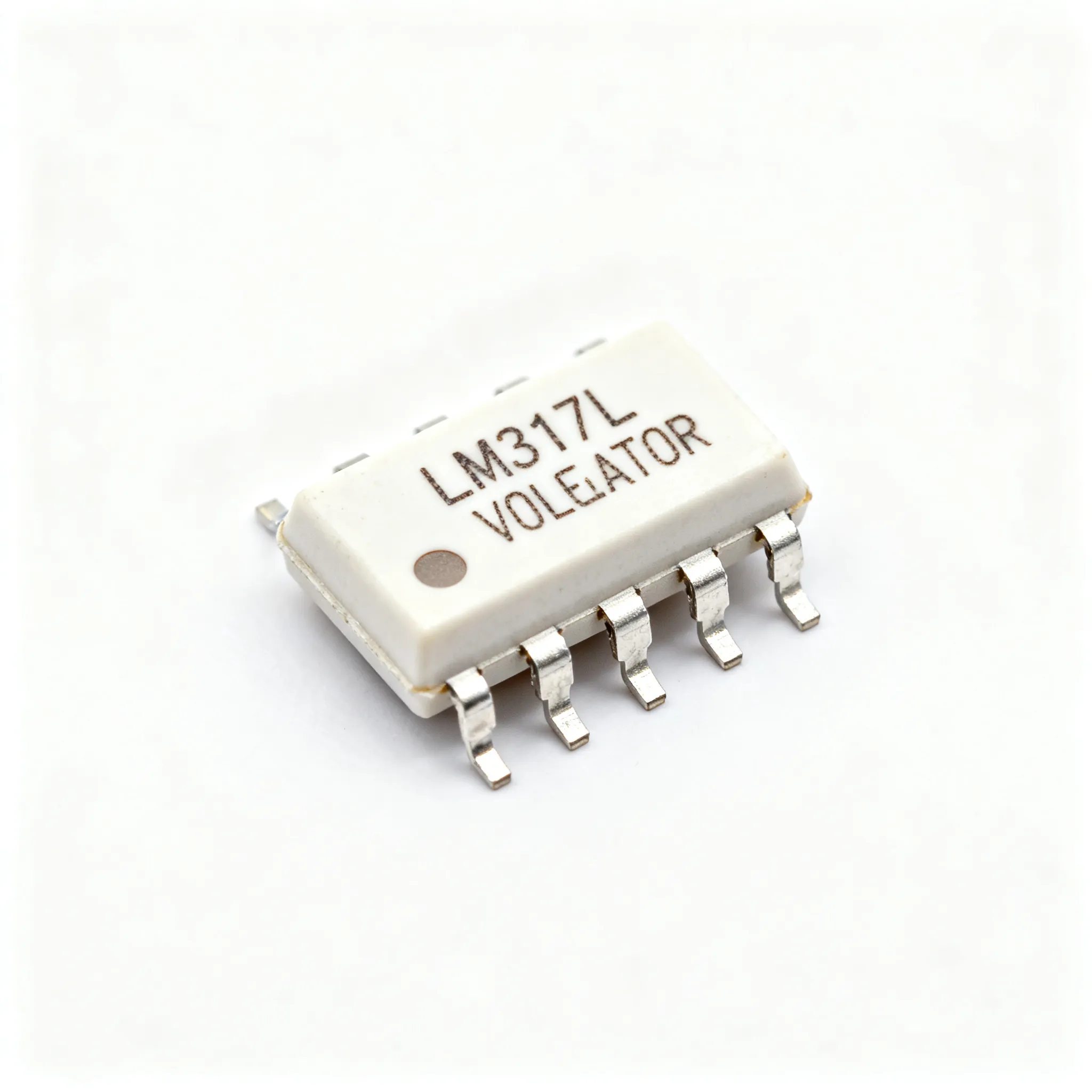
Why the LM317L Is Suddenly Harder to Source Than You Think
The LM317L is one of those workhorse regulators that should be a commodity item—simple, adjustable, and available from multiple manufacturers. Yet in 2026, even mature analog parts are caught in a supply-chain squeeze that few buyers anticipated. The IC Online 2026 shortage update reports that independent broker failure rates for high-demand ICs have crossed 5%, a figure that turns a five-cent regulator into a line-stop risk. Power management ICs, including linear regulators, are especially sensitive because they sit in the power path of nearly every board, and a single substandard part can trigger a recall.
Supply chain risk has moved beyond lead times. Ivalua’s 2026 SCRM guide notes that manufacturing delays, equipment malfunctions, and labor constraints create a domino effect on product availability. The LM317L is not exempt: its small SOIC, TO-92, and SOT-89 packages run on mature process nodes that are increasingly deprioritized in wafer fabs chasing higher-margin nodes. When you add the growing number of medical device recalls traced to counterfeit or substandard components—XS Supply’s 2026 medical recall data underscores the cost of a single regulator failure—the case for rigorous supply-risk assessment before you buy becomes clear.
This article gives you a practical framework for evaluating LM317L supply risk. We’ll dig into the operating limits that get overlooked, compare the LM317L with its higher-current sibling, and walk through the verification steps that separate a reliable shipment from a costly batch of gray-market rejects.
The LM317L’s Real-World Operating Limits: 100 mA, Temperature Grades, and What Gets Overlooked
At its core, the LM317L is an adjustable three-terminal positive-voltage regulator rated for 100 mA output current and a voltage range of 1.25 V to 37 V TI LM317L product page. That’s the headline, but the hidden story is in the temperature grades. If you specify the generic part number without the suffix, you may be ordering a regulator that only works from 0°C to +125°C—fine for an indoor consumer gadget, but a latent failure risk for anything that sees a cold start or outdoor installation.
The onsemi datasheet defines three operating junction temperature ranges:
- LM317L: Tlow to Thigh = 0°C to +125°C
- LM317LB: −40°C to +125°C
- NCV317LB: −40°C to +125°C (automotive-qualified, with additional process controls)
Additionally, the National Semiconductor legacy LM317L-N variant extends the junction range to −25°C at the low end Mouser LM317L-N datasheet, while older Fairchild versions also target 0°C to +125°C Fairchild LM317L datasheet. The table below maps these grades to the suffixes you need to see on the order line.
| Orderable Part Number Suffix | Junction Temperature Range | Qualification | Typical Package Options |
|---|---|---|---|
| LM317L | 0°C to +125°C | Commercial/Industrial | TO-92, SOIC-8, SOT-89 |
| LM317LB | −40°C to +125°C | Extended Industrial | TO-92, SOIC-8 |
| NCV317LB | −40°C to +125°C | Automotive (AEC-Q100) | SOIC-8, SOT-89 |
| LM317L-N | −25°C to +125°C | Enhanced Commercial | TO-92, SOIC-8 |
Tip: When you receive a quote, ask the supplier to confirm the full manufacturer part number including the suffix. A reel labeled only “LM317L” without the temperature grade suffix is a red flag—it may be a mixed lot or a remarked part. Always verify the temperature range against the datasheet for your intended application; for medical or outdoor use, specify LM317LB or NCV317LB and require the supplier to provide the original manufacturer’s certificate of conformance.
LM317 vs. LM317L: When the 1.5 A Regulator Isn’t a Safe Substitute
In a shortage, the instinct to substitute a higher-rated part is strong. The LM317 is a 1.5 A adjustable regulator in the same family, and it shares the same pinout and basic architecture. But the substitution is not drop-in safe, and the pitfalls go beyond current rating. The FindIC comparison highlights the obvious difference: the LM317 is a 1.5 A device, while the LM317L is rated for only 100 mA. What that comparison doesn’t tell you is that the LM317’s higher minimum load current, different output capacitor requirements, and larger package can destabilize a circuit designed for the LM317L.
The TI LM317 datasheet explains that the regulator is floating and senses only the input-to-output differential voltage. That’s true for both parts, but the LM317 typically requires a minimum load current of 5–10 mA to maintain regulation, while the LM317L is specified with a minimum load current as low as 1.5 mA in many configurations. If your board’s feedback network was designed for that lower quiescent path, swapping in an LM317 can cause the output to float above the intended voltage at light loads. The LM317 also demands a larger output capacitor for stability (often 10 µF tantalum or 100 µF aluminum electrolytic), whereas the LM317L frequently stabilizes with a small 1 µF ceramic. A direct swap without adjusting the capacitor and verifying phase margin can introduce oscillation that burns out downstream circuits.
The table below compares the critical parameters that matter for a substitution decision.
| Comparison Metric | LM317L | LM317 | Substitution Risk & Verification Need |
|---|---|---|---|
| Output Current | 100 mA max | 1.5 A min | If load current is <5 mA, LM317 may not regulate; verify minimum load |
| Minimum Load Current | 1.5 mA (typical) | 5–10 mA | Check feedback resistor divider; adjust if needed |
| Reference Voltage | 1.25 V ±4% | 1.25 V ±4% | Same nominal, but line/load regulation specs differ |
| Output Capacitor for Stability | 1 µF ceramic (typ.) | 10 µF tantalum / 100 µF electrolytic (typ.) | Redesign output capacitor and verify phase margin |
| Package Footprint | TO-92, SOIC-8, SOT-89 | TO-220, TO-263, SOT-223 | Board re-layout likely; thermal relief differs |
| Thermal Resistance (θJA) | ~160°C/W (TO-92) | ~50°C/W (TO-220) | Thermal behavior changes; verify at max ambient |
None of this means the LM317 is a poor part—it’s the right choice for higher-current rails, as described on the TI LM317 product page. But if your board was designed for the LM317L and you’re facing a shortage, the first step is to verify whether the circuit can tolerate the LM317’s minimum load and stability requirements. In many space-constrained, low-power designs, the LM317L remains the appropriate choice, and the better strategy is to secure authentic inventory through authorised channels rather than force a risky redesign.
Before You Hit ‘Buy’: Practical Verification and Second-Source Strategies
The 2026 shortage playbook isn’t about avoiding all brokers; it’s about managing the risk when authorised distribution is dry. IC Online’s guide recommends a sample-testing protocol that is especially critical for power regulators: if you must use an independent distributor, run a small batch of 10–20 units through external inspection and electrical testing before committing to the full reel quantity. For gray-market LM317L lots, the failure rate we’ve seen in independent testing can exceed 5%, and a single out-of-spec regulator in a production run can cost far more than the savings on the reel.
Here’s a step-by-step verification sequence that procurement and engineering teams can follow:
- Request a dated sample batch. Ask the supplier for 10–20 units from the exact lot they intend to ship. These should be clearly marked with the date code and lot number.
- Perform a visual inspection against the original datasheet. Check the package marking, pin 1 indicator, and body dimensions. Look for inconsistent font, laser-etching depth, or mold marks that differ from known authentic parts. Compare to a known-good sample from an authorised source.
- Bench-test the key electrical parameters. At a minimum, verify load regulation (0 to 100 mA), dropout voltage at 40 mA, and reference voltage (1.25 V ±4%). Use a four-wire setup to eliminate measurement error. If the output voltage shifts by more than 2% over the load range, flag the lot.
- Test at temperature extremes. For extended-temperature applications, run the sample at both the cold and hot limits of your target grade. A part marked as LM317LB that fails at −40°C is either remarked or damaged.
- Require traceability documentation. Insist on a certificate of conformance that traces the parts back to the original manufacturer. If the supplier cannot provide this, treat the lot as high-risk, regardless of the electrical test results.
Temperature grade verification is particularly important. The onsemi LM317L datasheet makes it clear that only the LB and NCV suffixes cover the full −40°C to +125°C range. A reel labeled “LM317L” in a medical device or outdoor sensor is a latent field failure waiting to happen. The XS Supply medical recall data shows that component-level failures are a leading cause of class I recalls, and regulators are often the silent culprits—they may work on the bench but drift out of spec at temperature extremes.
If you’re in a pinch and need to explore a second-source strategy, consider the LM317LB or NCV317LB as drop-in alternatives with extended temperature range. If those are also unavailable, you might evaluate an LM317 with an external pass transistor to boost current, as discussed in this Electronics Forum thread. However, this approach adds a power transistor and sense resistor, requiring board re-layout and careful loop compensation. It’s a last resort, not a quick fix, and it should be validated under worst-case load and temperature conditions before production.
The table below summarizes the verification documents and tests that buyers should require from any supplier, especially for safety-critical designs.
| Verification Item | Recommended Requirement | Why It Matters |
|---|---|---|
| Full MPN with suffix | Supplier must state complete part number, e.g., LM317LBDG or NCV317LBDTRKG | Ensures you receive the correct temperature grade and package |
| Date code | Maximum 2 years old at time of shipment | Reduces risk of aged stock with potential solderability issues |
| Test report | Electrical test report for the specific lot, dated within 90 days | Confirms the parts meet datasheet specs at the time of shipment |
| Certificate of Conformance | Original manufacturer CoC or authorized distributor traceability | Provides a chain of custody and reduces counterfeit risk |
| Sample testing protocol | Agreed-upon plan for 10–20 unit sample evaluation | Catches remarking and out-of-spec parts before full reel commitment |
Key takeaway: The LM317L is not a part you can afford to source blindly. The combination of supply tightness and the part’s temperature-grade sensitivity demands a disciplined RFQ process. Every purchase order for the LM317L should be backed by the documentation and testing steps above, especially when you’re buying from non-franchised sources.
LM317L Supply Questions Engineers and Buyers Ask
Q: How can I verify a reel of LM317Ls from an independent distributor is genuine?
A: Request a sample of 10–20 units from the lot, then perform electrical testing—load regulation from 0 to 100 mA, dropout voltage at 40 mA, and reference voltage verification—alongside a visual inspection against the original datasheet. Compare date codes and package markings to a known authentic part. If the supplier cannot provide traceability documentation or a certificate of conformance, treat the lot as high-risk. The 2026 shortage update reports a gray-market failure rate exceeding 5% for power ICs, so a few hours on the bench can save a line stop.
Q: What temperature grade of LM317L should I specify for a medical device?
A: Medical devices often require extended temperature range, especially if the device may be sterilized or used in varying environments. Specify the LM317LB or NCV317LB (−40°C to +125°C) over the standard 0°C to +125°C part. The NCV317LB adds automotive-grade process controls and is a safer choice for life-critical applications. Always confirm the suffix on the order and require the supplier to provide the original manufacturer’s datasheet conformance statement.
Q: What are realistic lead times for LM317L in 2026?
A: Lead times vary by manufacturer, package, and temperature grade, but typical industrial-grade LM317L can range from 8 to 16 weeks. Automotive- or extended-temperature variants may stretch to 20+ weeks. The ongoing component shortage introduces volatility; confirm allocation-backed lead times with your authorized distributor and build buffer stock for BOMs that cannot tolerate a missed shipment. Do not rely on a single broker’s promise without a written, allocation-backed commitment.
Q: Can I drop in an LM317 (1.5 A) if I only need 50 mA?
A: Not directly. The LM317 requires a higher minimum load current (typically 5–10 mA) and may oscillate if the output capacitor is too small. The pinout is the same, but the package is larger and the thermal behavior differs. A circuit designed for the LM317L’s lower current limit and stability margins may behave unpredictably. Evaluate the entire feedback loop, output capacitor, and load before attempting a substitution. In many cases, the risk of instability isn’t worth the shortcut.
Q: What are the risks of using a standard LM317L in an automotive application?
A: The standard LM317L is rated only 0°C to +125°C, which may not cover cold-crank or high-temperature engine bay conditions. Automotive-grade NCV317LB (−40°C to +125°C) is designed for those extremes. Using a non-automotive part risks out-of-spec performance, premature failure, and potential safety recalls. The medical device recall data underscores the cost of a single failure in regulated environments—don’t let a five-cent regulator become a million-dollar liability.
Q: How do I handle a sudden LM317L shortage without a board redesign?
A: First, check availability of the LM317LB or NCV317LB as drop-in replacements with extended temperature range; they are often less heavily allocated than the standard grade. If those are also scarce, evaluate whether an LM317 with an external pass transistor can meet the same current and stability requirements, but be prepared for board re-layout and loop compensation adjustments. As a last resort, engage a reputable broker following the sample-testing protocol described in the 2026 shortage update to minimize counterfeit risk. Open a dialogue with your EMS partner early to secure allocation and avoid last-minute scrambling.
References & Further Reading
- 2026 Electronic Component Shortage Update for Buyers – IC Online
- Supply Chain Risk Management (SCRM): Complete Guide 2026 – Ivalua
- Medical Device Recall Statistics: 2026 Data – XS Supply
- LM317L Product Folder – Texas Instruments
- LM317L Datasheet – onsemi
- LM317L-N Datasheet – Mouser / TI
- LM317L Datasheet – Fairchild / Mouser
- LM317 vs LM317L Comparison – FindIC
- LM317 Datasheet – Texas Instruments
- LM317 Product Folder – Texas Instruments
- Alternative Transistors for LM317 High Current Regulator – Electronics Forums
The LM317L may be a mature part, but its supply risk is real and multi-layered. By verifying the temperature grade, testing samples from non-franchised sources, and resisting the temptation to blindly substitute, you can keep your production lines running and your designs robust. For a consolidated RFQ that covers the full LM317L family—including hard-to-find extended-temperature grades—upload your BOM to IC-Online and let our team help you secure allocation-backed inventory with flexible MOQ.