ME2188A28M3G Supply Risk Assessment: What to Ask Before You Buy
Assess ME2188A28M3G sourcing risks before you buy. RFQ questions on traceability, date codes, testing, alternatives, and supply continuity for procurement...
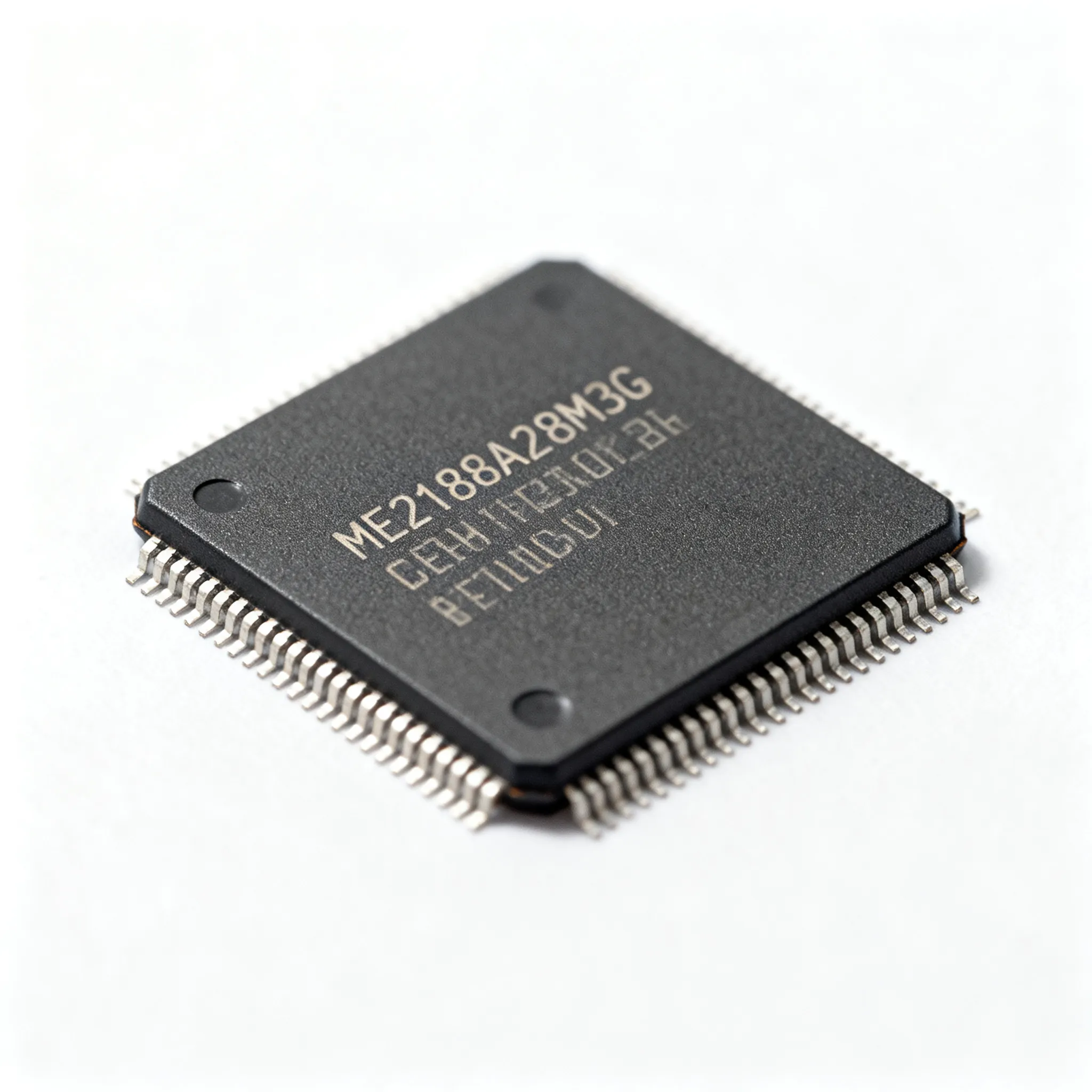
When a Single MOSFET Part Number Can Stop a Production Line
Production lines don’t stop because of the 1,000‑pin BGA processor you spent six months qualifying. They stop because a small‑signal N‑channel MOSFET—the kind that turns on a power rail or enables a load switch—suddenly fails, and the replacement batch doesn’t behave like the original. The ME2188A28M3G sits in exactly that category. It’s a surface‑mount power MOSFET that might cost a few cents, yet if a bad reel reaches your SMT line, the ripple effect can trigger a product recall.
The FDA recall database and the CPSC recall handbook are filled with examples where a single sub‑standard electronic component forced a mandatory field action. ScienceDirect defines a product recall as any action taken by a manufacturer to retrieve a defective product due to safety issues or product defects that can cause injury. When that defect traces back to a MOSFET with an inflated RDS(on) or a gate threshold that wanders outside the datasheet window, the cost of rework, line stoppages, and lost customer trust far exceeds the pennies saved by cutting corners on sourcing.
Data from IC‑Online’s 2026 electronic component shortage update reinforces the danger: gray‑market failure rates exceed 5% for high‑demand power MOSFETs. That’s a line‑stop and recall cost an order of magnitude larger than the upfront savings. The playbook is clear—if you must use an independent broker, run a small sample batch through external inspection and electrical testing before committing to the full reel quantity. What follows is a risk‑assessment playbook built around the ME2188A28M3G, but the questions apply to any single‑sourced MOSFET that would halt your production if supply tightens.
What Makes the ME2188A28M3G a Workhorse MOSFET in Power-Rail Designs
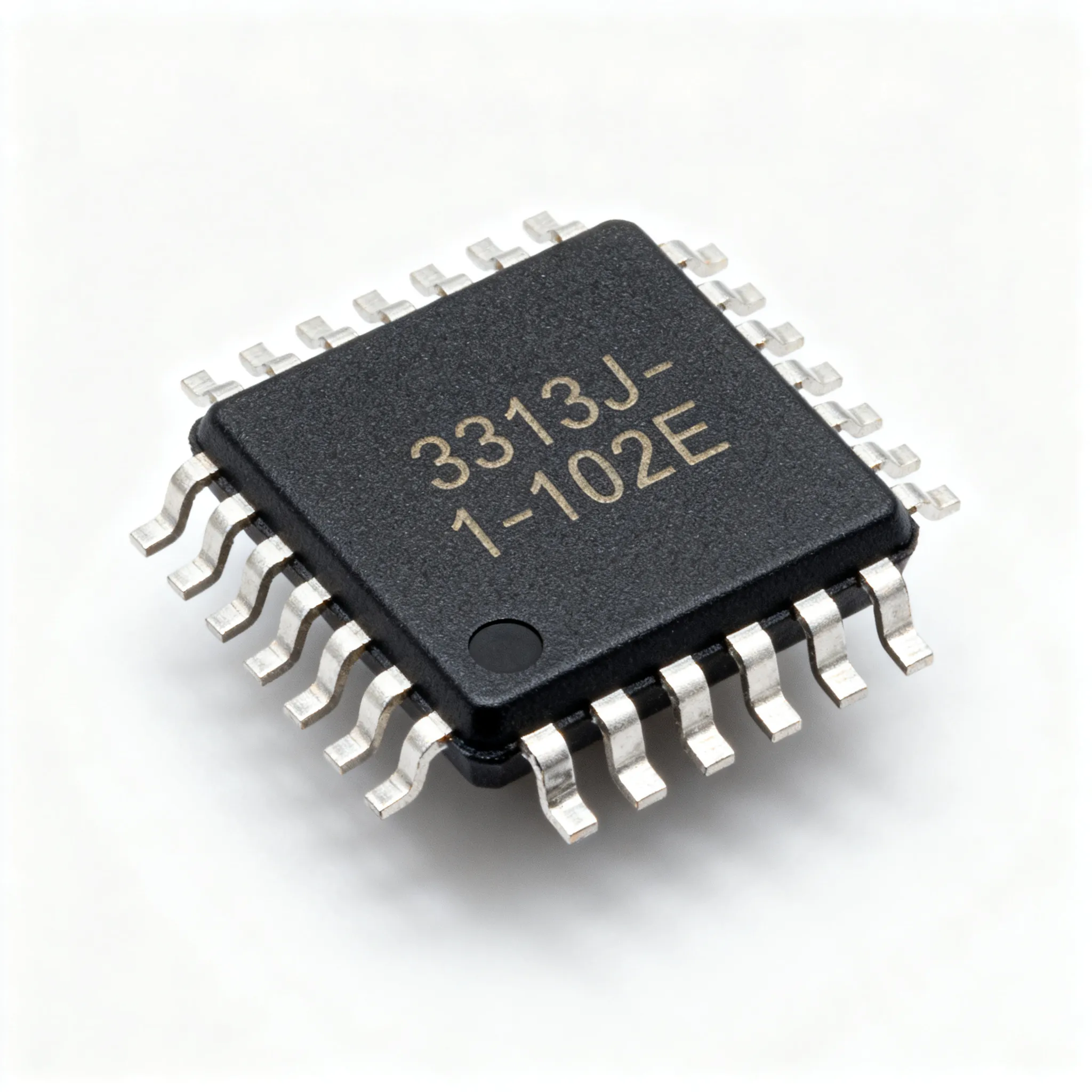
Before you can assess supply risk, you need to know exactly what you’re buying. The ME2188A28M3G is an N‑channel enhancement‑mode power MOSFET commonly deployed in load‑switch circuits, DC‑DC converters, and battery‑powered power‑rail sequencing. Its compact SOT‑23 (M3G) package and low gate‑threshold voltage make it attractive for space‑constrained designs that switch at logic‑level voltages. However, the same small package invites counterfeiting because the physical difference between a genuine part and a remarked lower‑grade device is nearly invisible to the naked eye.
Procurement engineers must anchor their risk assessment in datasheet‑grounded parameters. The table below captures the critical electrical characteristics you should verify against the latest MICRONE datasheet (or the original manufacturer’s release) and cross‑reference through parametric search tools such as onsemi’s product search for comparable 28 V N‑channel MOSFETs.
| Parameter | Expected Range / Typical Value | Verification Note |
|---|---|---|
| Drain‑Source Voltage (VDS) | 28 V max | Match datasheet absolute maximum rating. Any sample failing at lower voltage indicates a remarked lower‑voltage die. |
| Continuous Drain Current (ID @ 25°C) | Approx. 5.8 A (check datasheet) | Package‑limited current; derate for assembly ambient. Confirm with curve‑tracer measurement. |
| RDS(on) max (VGS=4.5 V) | ≤ 22 mΩ | One of the most counterfeited parameters. Elevated RDS(on) causes thermal runaway in load‑switch applications. |
| RDS(on) max (VGS=2.5 V) | Typically ≤ 30 mΩ | Verifies logic‑level drive capability. Use pulsed test to avoid self‑heating. |
| Gate Threshold Voltage (VGS(th)) | 0.7 V – 1.4 V | Tight threshold ensures proper turn‑on with 1.8 V or 3.3 V logic. Wide variation suggests die mismatch. |
| Package / Marking | SOT‑23, body marking “M3G” | Original laser marking is sharp, indented. Inspect for sanding, blacktopping, or inconsistent font. |
Genuine ME2188A28M3G parts should ship with ESD‑antistatic packing and outside labels that include the part number, brand, and quantity, as documented by IC‑Components. That level of care is a baseline expectation. Any deviation—missing moisture‑barrier bag, generic labelling, or parts that “look slightly different” from a previous reel—should immediately pause the receiving process and trigger a deeper inspection.
Comparing Supply‑Risk Assessment Methods for N‑Channel Power MOSFETs
Supply‑risk assessment is not a one‑size‑fits‑all exercise. Depending on your production volume, acceptable line‑down cost, and whether the ME2188A28M3G is a sole‑source item, you may layer multiple approaches. The following matrix synthesises four external frameworks that procurement teams have adapted specifically for high‑running MOSFETs.
| Method / Source | Core Principle | How to Apply to ME2188A28M3G Sourcing | Key Red‑Flag Indicator |
|---|---|---|---|
| bjlingate Supplier Evaluation | Verify authorised channels and traceable sourcing paths; demand evidence of manufacturer relationships. | Ask the distributor for an authorisation letter from Ampleon or a documented chain of custody back to the original manufacturer. Cross‑check the distributor’s franchise list. | Supplier cannot produce a direct franchise certificate or a traceability report linked to the lot number. |
| wonderfulchip Long‑Lead Tagging | Any component with a quoted lead time >12 weeks must be tagged as long‑lead; pre‑book quantity or identify in‑stock alternative before scheduling production. | During RFQ, explicitly ask: “What is the current allocation‑backed lead time for ME2188A28M3G in 3k‑reel volume?” If response exceeds 12 weeks, immediately initiate a parallel qualification of a second‑source MOSFET. | Quoted lead time >12 weeks without a supplier‑confirmed allocation commitment. |
| Phihong Flexible‑Sourcing Advice | Prioritise suppliers with flexible sourcing capability; align design decisions with component availability before a shortage hits. | Ask your EMS partner or distributor: “If ME2188A28M3G goes on allocation, do you have an alternate SOT‑23 N‑channel MOSFET already approved in your AVL?” Phihong’s approach means never waiting until the shortage to open the BOM. | Supplier cannot name a validated alternative or suggests an “equivalent” without sharing cross‑reference test data. |
| Elisa Industriq 2026 Risk Mapping | List all key components, map suppliers, assess lead times, geography, alternate options, and the cost of failure. | Create a specific line item for ME2188A28M3G in your BOM risk register. Include: current sole‑source flag, last three purchase date codes, lead‑time trend over six months, and an estimated line‑down cost if stock runs out. | No documented risk register entry, or the BOM shows only one supplier with no secondary option in the notes. |
For a part like the ME2188A28M3G, where the cost is low but the operational impact is high, layering the bjlingate channel‑verification method with wonderfulchip’s long‑lead tagging creates a strong first line of defence. Add Elisa Industriq’s risk‑register discipline, and you transform a buying decision from a transactional event into an auditable procurement process.
The Five Questions to Ask Before You Commit to an ME2188A28M3G Order
The RFQ response that lands in your inbox tells only part of the story. The real supply‑risk picture emerges when you press the supplier with targeted questions. The five questions below are designed to expose gaps that a glossy line card will not reveal. They are built on the research and failure data discussed above and should be mandatory before you release a purchase order.
- Is the source authorised, and can the supplier provide traceability evidence? Request a copy of the franchise certificate or a manufacturer’s authorisation letter for Ampleon products. Follow up with a traceability report that links the offered date/lot code back to the original wafer fab. A supplier who hedges or offers only a “certificate of conformance” without naming the original manufacturer is a risk.
- What is the real‑time, allocation‑backed lead time, and does it exceed the 12‑week long‑lead threshold? Do not accept a generic “4–6 weeks” over the phone. Ask for a written lead‑time statement that is tied to a specific allocation window. If the quoted number crosses 12 weeks, wonderfulchip’s practice demands that you either pre‑book a supplier quantity commitment or immediately begin qualifying an in‑stock alternative.
- Has a sample batch been sent for independent electrical testing and visual inspection? The IC‑Online shortage playbook found that skipping a sample‑batch inspection before a full‑reel purchase exposes you to a >5% failure rate on power MOSFETs from non‑authorised sources. Request 25–50 samples and have them tested for VDS breakdown, RDS(on) at rated current, and gate‑threshold consistency. Visually inspect the laser marking and package mould under magnification.
- Does the supplier have a documented quality‑control plan that addresses FMEA on high‑risk items? Point the supplier to the quality planning requirements in Micron’s Supplier Requirements Standard and GE Vernova’s Electronic Supplier Quality Requirements. Both specify that high‑risk FMEA items must be addressed in a Product Quality Plan. A supplier who cannot share even a simplified FMEA for the components they handle is unlikely to catch systematic quality escapes.
- Do you have a validated second‑source MOSFET or a design margin to substitute a pin‑compatible equivalent without a respin? While no drop‑in replacement can be guaranteed without testing, you should have a shortlist of alternate N‑channel MOSFETs in the same SOT‑23 footprint that match or exceed the key parameters. Cross‑reference the M3G pinout, voltage rating, RDS(on) and gate charge using onsemi’s parametric filter. Phihong’s guidance on aligning design with component availability means this shortlist should exist now, not during an allocation crisis.
The table below turns these five questions into a quick‑reference verification matrix that your incoming‑inspection team can follow.
| Question | What to Look For | Documentation / Sample Requirement |
|---|---|---|
| 1. Source authorisation & traceability | Franchise certificate, traceability report linking lot code to Ampleon fab | Copy of authorisation letter; lot‑level trace record with date code |
| 2. Allocation‑backed lead time | Written commitment ≤12 weeks; if longer, pre‑booking or alternate qualification mandatory | Supplier’s lead‑time statement on letterhead, referencing PO number or allocation window |
| 3. Sample batch electrical test | All samples meet VDS, RDS(on), VGS(th) datasheet limits; marking matches genuine mould | Third‑party test report dated within 90 days; high‑resolution photo of top‑side marking |
| 4. Supplier quality control plan | Reference to FMEA on high‑risk items, incoming inspection procedures, statistical process control charts | Supplier’s Quality Manual or a redacted Quality Plan showing MOSFET‑specific controls |
| 5. Validated second‑source option | Alternate SOT‑23 N‑channel MOSFET with comparable or better RDS(on) and gate charge | Cross‑reference datasheet, engineering evaluation report, updated AVL entry |
Always couple these questions with a sourcing‑hygiene reminder: demand ESD‑secure packaging consistent with the IC‑Components shipping description, and, if X‑ray inspection is available, perform void analysis at receiving. GE Vernova’s requirements define void limits of 25% per ball and total component voids below 10%—values that serve as a practical benchmark for any MOSFET in a plastic package.
ME2188A28M3G Supply Risk FAQ: Answers from the Field
Q: What is the typical lead time for a genuine ME2188A28M3G, and what threshold signals a high‑risk shortage?
A: Current market lead times fluctuate, but any quoted lead time over 12 weeks should immediately flag the part as long‑lead. At that point, either pre‑book a commitment with a preferred supplier or qualify an in‑stock alternative before committing a production schedule—exactly as described in wonderfulchip’s long‑lead practice.
Q: How can I confirm that a batch of ME2188A28M3G devices is authentic before board assembly?
A: Request a small sample batch and send it to an independent lab for electrical testing against the datasheet (VDS breakdown, RDS(on) at rated current, gate threshold). Visually inspect laser markings and package mould consistency. The IC‑Online shortage update found a >5% failure rate on power MOSFETs from gray‑market sources when testing was skipped; a sample batch test catches those failures before they become line‑stop events.
Q: What are the most common counterfeiting red flags for this specific MOSFET package (M3G)?
A: Look for inconsistent date codes, sanded or blacktopped surfaces, missing or blurry indented marks typical of the original M3G mould, and variations in body dimensions. X‑ray inspection can reveal large solder‑ball voids or inconsistent leadframe patterns; GE Vernova’s supplier quality requirements define a void area limit of 25% per ball and total component voids below 10%—exceeded values often indicate non‑genuine assembly.
Q: If ME2188A28M3G becomes unavailable, what are the closest functional alternatives without a board layout change?
A: No perfect drop‑in can be guaranteed without design validation. Engineers should cross‑reference the M3G pinout, voltage rating, RDS(on) and gate charge using onsemi’s product search or parametric filters, then compare SO‑8/flat‑lead MOSFETs that match the same footprint and threshold voltage. Phihong’s approach recommends aligning design decisions with component availability, so having an alternative part number and an updated BOM option before a shortage hits prevents redesign panics.
Q: What documentation should I request from an independent distributor when the authorised channel has zero stock?
A: Insist on a certificate of conformance that includes the original manufacturer’s name, lot/date code, and a statement that the parts are new and not refurbished. Ask for the supplier’s electrostatic discharge (ESD) packing declaration and evidence of incoming inspection. For high‑risk items, Micron’s supplier requirements specify a failure modes and effects analysis (FMEA) and quality control plan; demanding that same level of transparency from a distributor helps weed out sources that cannot prove traceability.
References & Further Reading
- FDA Recalls, Market Withdrawals, & Safety Alerts
- CPSC Product Safety Planning, Reporting, and Recall Handbook
- ScienceDirect – Product Recall Overview
- IC-Online – 2026 Electronic Component Shortage Update for Buyers
- IC-Components – ME2188A28M3G Product Page (packaging & shipping)
- bjlingate – How to Evaluate an Electronic Components Supplier
- wonderfulchip – 13 Critical Mistakes When Sourcing Electronic Components
- Phihong – How to Identify High-Risk Electronic Components Before They Cause Power Supply Delays
- Elisa Industriq – How to Mitigate Supply Chain Risk in Electronics – 2026 Guide
- Micron Supplier Requirements Standard (SRS)
- GE Vernova – Electronic Supplier Quality Requirements
- onsemi – Products and Technology (parametric search)
Secure your supply chain with data‑driven RFQs. When you’re ready to source the ME2188A28M3G or need a full BOM cost‑down analysis that accounts for supply risk, upload your