Photonic Integrated Circuits revolutionizing data center connectivity
Photonic Integrated Circuits are causing big changes in data centers. Data centers are using less old electronic systems now. They are choosing optical solutions for faster speeds
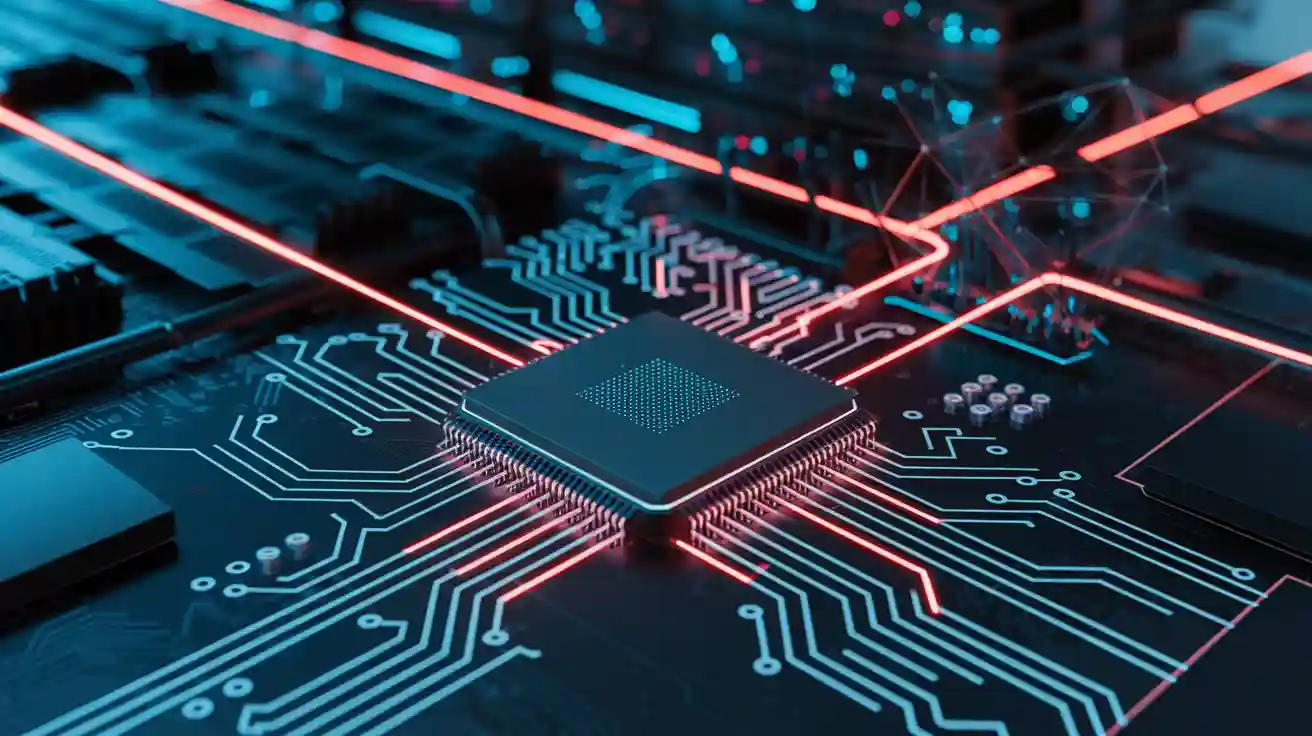
Photonic Integrated Circuits are causing big changes in data centers. Data centers are using less old electronic systems now. They are choosing optical solutions for faster speeds. These new systems also use less energy. Companies have a lot more data now. They need strong and bigger connections. PICs help with these needs. They also make new rules for how well things work.
Key Takeaways
-
Photonic Integrated Circuits use light to move data quickly. They also save energy compared to old electronic systems. Silicon photonics helps data centers make smaller and faster connections. These connections are more reliable and use less power. PICs help data centers grow by adding more connections easily. They do not need big changes or extra space. Switching to PICs can cost a lot and be hard. Careful planning and new technology can solve these problems. The market for PICs is growing very fast. New materials and designs make data centers work better and faster.
Photonic Integrated Circuits in Data Centers
What Are PICs
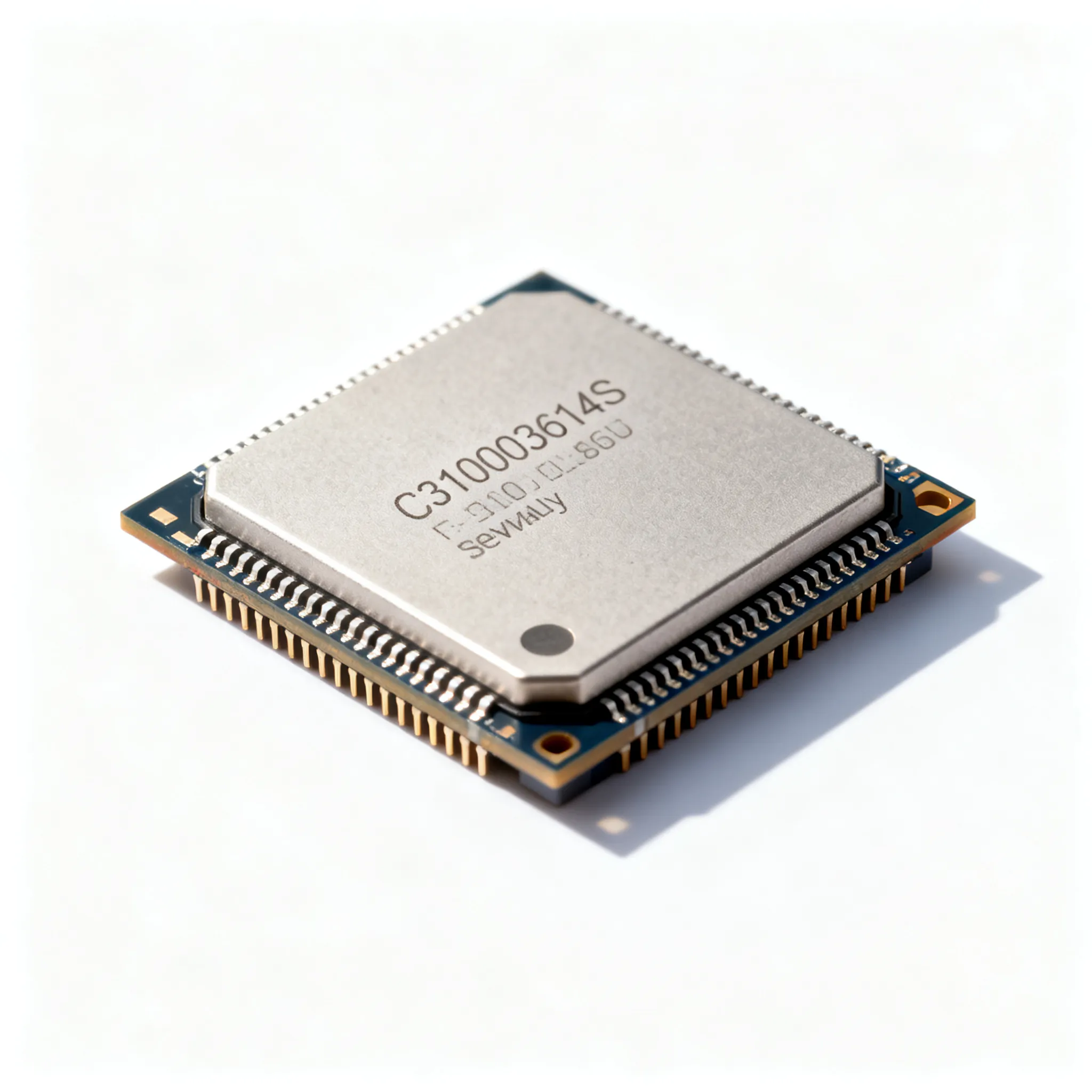
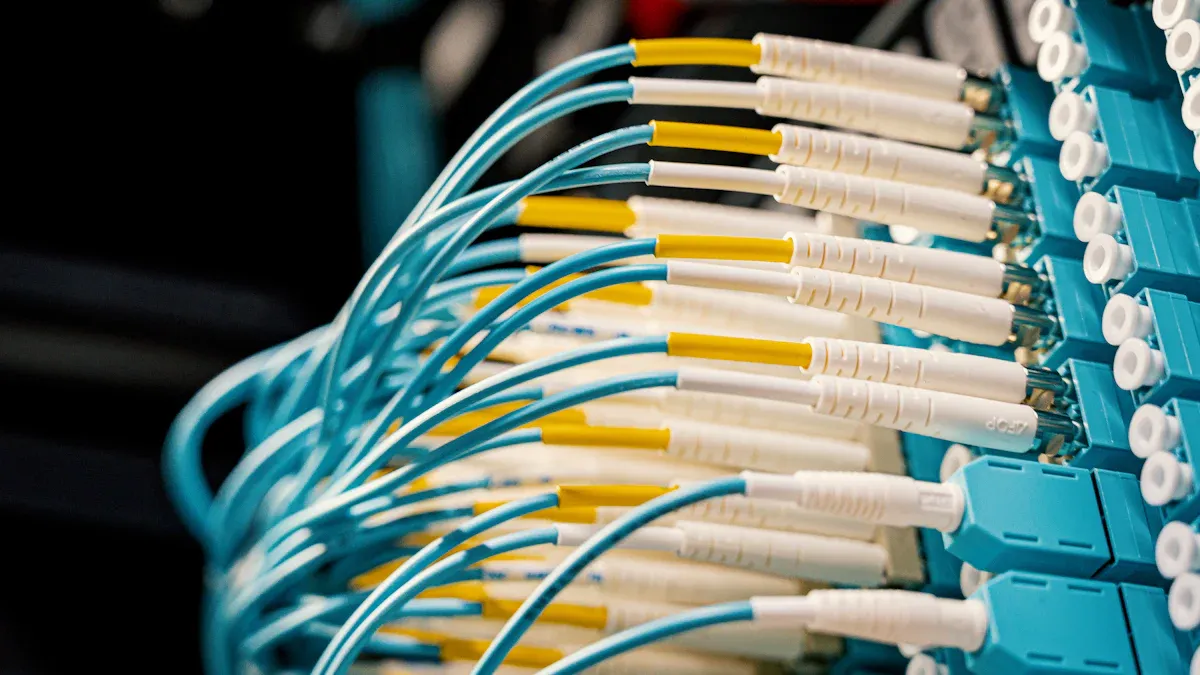
Photonic Integrated Circuits, or PICs, use light to send and handle information. These circuits put many optical parts, like lasers, modulators, and detectors, on one chip. Data centers use PICs to move data faster than old electronic circuits. Using light instead of electricity helps save energy and keeps things cooler. Many companies pick PICs because they need to move more data now.
Silicon Photonics
Silicon photonics is an important technology for Photonic Integrated Circuits. It uses silicon, which is common in electronics, to make optical devices. This helps data centers build smaller and faster connections that work better. New improvements have made silicon photonics even more useful. For example, co-packaged silicon photonics can use less power than older transceivers. Putting optical transceivers close to switch chips makes the signal path shorter. This lowers latency and makes signals clearer. Having fewer parts means things break less often, so uptime is better. The table below shows some of these improvements:
|
Advancement Aspect |
Description |
|---|---|
|
Power Consumption |
Co-packaged silicon photonics uses 3.5 times less power, so AI infrastructure can be denser and greener. |
|
Latency and Signal Integrity |
Shorter signal paths remove DSPs and lower latency. |
|
Network Resiliency |
A simpler design helps things work longer and better. |
|
Manufacturing and Deployment |
Fewer parts make building and setting up faster and easier. |
|
Collaboration and Fabrication |
Working together helps make better products and put them together. |
Optical vs. Electronic Switching
Old data centers use electronic switches to move data. These switches use electricity, which can slow down when there is a lot of data. Photonic Integrated Circuits use optical switches instead. Optical switches use light, which is faster and does not make as much heat. This lets data centers move more data at higher speeds. Optical switching also helps data centers grow in the future, so they can handle more data as needed.
Benefits of PICs
Speed and Bandwidth
Photonic Integrated Circuits help data centers move data very fast. They use light to send information, which is much quicker than electricity in wires. Many companies now use these circuits to get speeds of 400 gigabits per second or even more. For example, Google uses this technology in its data centers to connect servers fast. This quick connection helps websites load quickly and lets people watch videos without waiting.
Note: Light signals in PICs do not slow down when more data moves through the network. This means data centers can handle busy times and still keep their speed.
Energy Efficiency
Data centers need a lot of power to run and cool their equipment. Photonic Integrated Circuits use less energy because they do not make as much heat as electronic circuits. When a data center uses less power, it saves money and helps the planet. Microsoft tried silicon photonics in its cloud data centers. The results showed a big drop in energy use for each bit of data sent. This also made the rooms cooler, so air conditioning did not have to work as hard.
-
Lower energy use means:
-
Smaller electric bills
-
Less heat in server rooms
-
Fewer cooling fans needed
-
Scalability
As more people use the internet, data centers need to grow. Photonic Integrated Circuits make it easy to add more connections without changing everything. These circuits put many optical parts on one chip, so data centers can add more links in a small space. Amazon Web Services uses photonic chips to connect thousands of servers. This setup lets them add new servers fast when more customers join.
|
Benefit |
Impact on Data Centers |
|---|---|
|
Easy to expand |
Add more servers without big changes |
|
Small size |
Save space in crowded server racks |
|
Reliable growth |
Keep networks strong as they get bigger |
Tip: Data centers that use PICs can grow faster and help more users without slowing down.
Challenges
Manufacturing
Making Photonic Integrated Circuits is hard for data centers. The process needs new technology and careful work. Each step must be done with great care. Companies face some big problems:
-
Making photonic parts needs many steps and special machines.
-
It is tough to mix photonic devices with old electronic systems.
-
Engineers must line up and set parts just right, which takes time and costs more.
-
There are not enough workers who know photonic engineering.
These things slow down how fast companies can make PICs. It is also harder for them to grow quickly. Data centers need to spend money on training and new tools to fix these problems.
Integration
Putting PICs into today’s data centers is still hard. Many data centers use old electronic systems. Adding photonic circuits often means changing the network. Engineers must make sure new optical parts work with old hardware. If things do not match, it can cause delays and cost more money. Teams must test new systems a lot to stop problems. Because of this, switching to photonic technology can take more time than planned.
Note: Good planning and slow upgrades help lower risks when adding new systems.
Cost
Using Photonic Integrated Circuits in data centers costs a lot at first. Companies must buy new machines and hire skilled workers. Even though it costs a lot at the start, PICs help save money later. They can make building products cheaper when there are many parts, just like electronic integration did before. Smaller size, stronger build, and closer parts help with new uses, like quantum computing and high-frequency circuits. Over time, these good things can help balance out the first big cost.
Future Trends
Market Growth
The market for Photonic Integrated Circuits is getting bigger. Companies want data centers that are faster and use less energy. Experts think the PIC market will grow by 10.8% each year from 2025 to 2030. Data centers are the biggest part of this market. Asia Pacific is growing fast because many new data centers are being built there. The table below shows important growth numbers and facts:
|
Segment/Region |
Projected CAGR (2025-2030) |
Key Points Relevant to Data Centers |
|---|---|---|
|
Overall PIC Market |
10.8% |
High-speed data and energy savings drive demand |
|
Data Center Segment |
Largest revenue share |
Performance, efficiency, and cooling cost savings |
|
Telecommunications Sector |
11.6% |
Fastest growth, but not focused on data centers |
|
Asia Pacific Region |
12.1% |
Rapid data center expansion fuels demand |
📈 More companies use PICs because they want better speed and lower energy use.
New Materials
Scientists are looking for new materials to make PICs better. Silicon is still used a lot because it works well with today’s chip tools. But other materials like indium phosphide and silicon nitride are becoming more popular. These new materials help chips move more data and use less power. They also let chips have new lasers and detectors. As these materials get easier to make, data centers will get faster and more dependable connections.
Data Center Evolution
Big data center companies like NVIDIA and TSMC are changing their systems. They now use Photonic Integrated Circuits at the center of their networks. They are moving away from copper wires, which are slower and waste energy. At big tech events, companies show off new systems with silicon photonics and better packaging. These changes make optics a main part of the network. Operators use co-packaged and co-integrated optics to link servers and switches. This helps with large AI training and fast cloud services.
Data centers that use photonic integration get ready for an "all-optical era," where light makes networks faster and more efficient.
Photonic Integrated Circuits have made data centers work in new ways. They help data centers send information faster. They also use less energy and make it simple to get bigger. Companies do have some problems, like high prices and hard setups. Scientists are working to find answers and build stronger networks.
Data centers that use photonic technology today will be ahead later.
FAQ
What makes Photonic Integrated Circuits different from traditional electronic circuits?
Photonic Integrated Circuits use light to send data. Traditional circuits use electricity instead of light. Light moves faster than electricity and makes less heat. This helps data centers run better and use less power.
Can existing data centers upgrade to PICs easily?
Most data centers need a plan to add PICs. Engineers must see if new optical parts fit with old systems. Upgrades often need new tools and lots of tests.
How do PICs help reduce energy costs?
PICs use less power because light does not make much heat. Data centers save money on power and cooling. Using less energy is also good for the planet.
Are PICs reliable for large-scale data centers?
Yes, PICs work well and are very reliable. They have fewer moving parts, so they break less often. Many big companies use PICs for their main networks.
What industries benefit most from PIC technology?
Data centers, cloud computing, and telecommunications use PICs the most. These groups need fast, strong, and energy-saving connections.