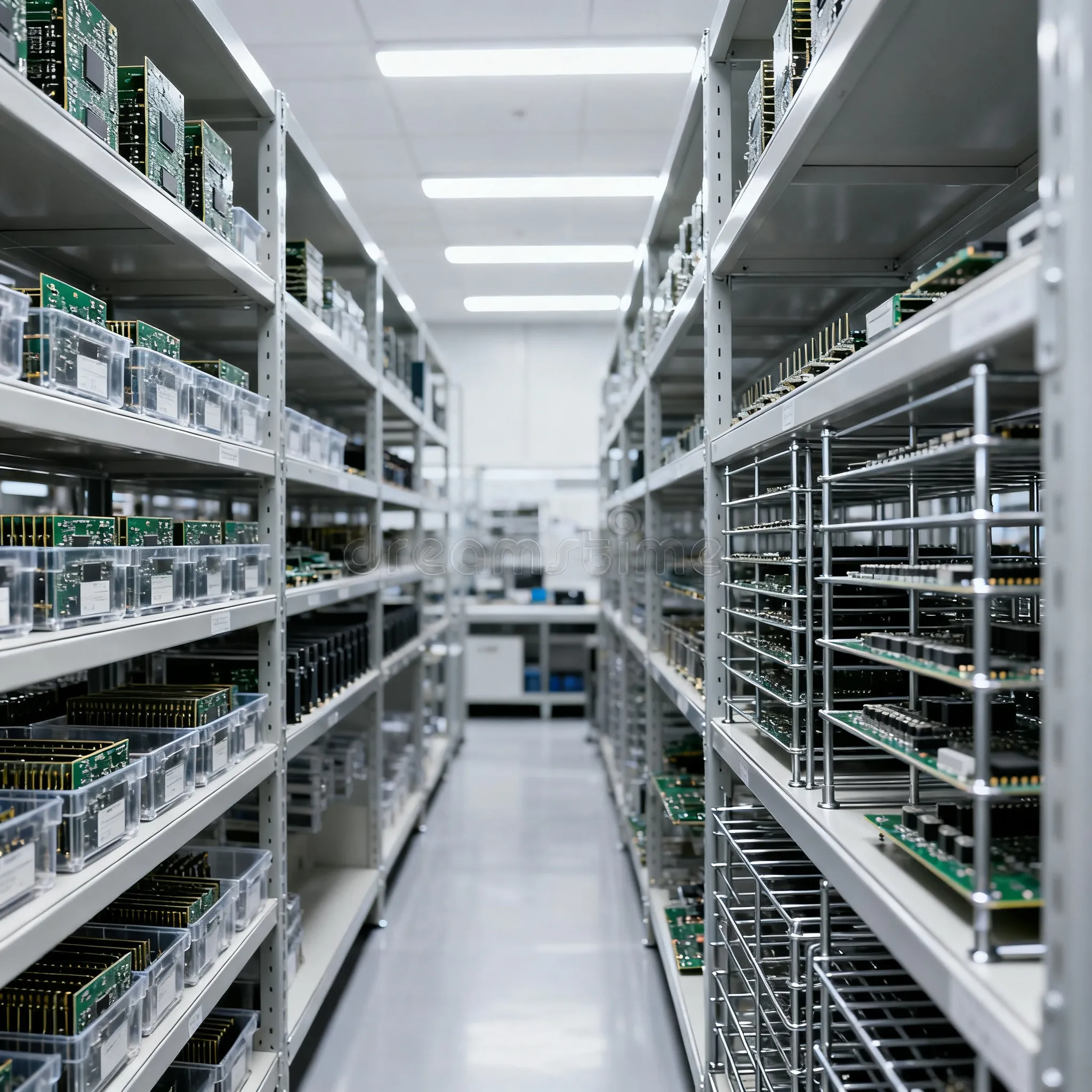
Selecting the Right PCB Assembly Board Materials for Automotive Applications
Choosing the right materials for a PCB assembly board is important. Cars expose electronics to high heat, vibrations, and tough conditions. Strong materials are needed to last under this stress.
Choosing the right materials for a PCB assembly board is important. Cars expose electronics to high heat, vibrations, and tough conditions. Strong materials are needed to last under this stress. Good heat control helps keep parts working and stops overheating. The PCB assembly board material must also handle the advanced systems in today’s cars. Knowing these things helps you pick materials that work well and are affordable.
Key Takeaways
-
Pick strong materials for PCBs to handle heat, shaking, and water in cars.
-
Pay attention to heat control to stop overheating and keep them working longer.
-
Use materials with good electrical abilities to support modern car systems.
-
Balance price and quality; spending more now can save repair costs later.
-
Talk to PCB makers to learn about materials and meet industry rules.
Key Factors in PCB Assembly Board Material Selection
Durability and Reliability in Automotive Applications
Picking PCB materials for cars means focusing on strength and dependability. Car environments are tough, with heat, shaking, and physical stress. The material must handle these without breaking or failing. For example, it should absorb little water to avoid bending or splitting in wet conditions. Strong materials also help the PCB stay solid during constant vibrations.
Dependability matters too. Reliable materials lower the chance of breakdowns, which is vital for systems like brakes and steering. Using materials that meet industry rules ensures they work well for a long time and need less fixing. Always think about what your project needs to choose the best material.
Importance of Thermal Management in PCB Design
Managing heat is key to keeping car PCBs working longer. Too much heat can damage parts and cause failures. To fix this, pick materials that spread heat well. These materials keep the PCB cool while it’s running.
Testing is important to check how materials handle heat. For example:
-
Heat cycle tests check if a PCB can handle changing temperatures. This helps keep it working and strong.
-
Real-world tests make sure the material can deal with the heat challenges cars face.
By focusing on heat control, you can make your PCB designs more reliable and effective.
Electrical Performance for Advanced Automotive Systems
Modern cars use smart electronics, like entertainment and driver-assist tools. These need PCB materials with great electrical abilities. The material must send signals fast and keep them clear. Bad electrical performance can cause data problems or system errors, which isn’t okay for cars.
Tests help confirm if a material works well. For example, here are common tests:
|
Test Type |
Purpose |
|---|---|
|
Checks PCB performance in different humidity levels during shipping and use. |
|
|
Extensive electrical testing |
Ensures quality by testing at every step, using methods like AOI and BGA X-ray. |
Choosing materials that pass these tests ensures your car systems work safely and efficiently.
Balancing Cost and Performance
Picking materials for car PCBs needs a balance of cost and quality. You want materials that work well but don’t cost too much. Choosing the cheapest option might seem smart, but it can cost more later. Failures or problems may happen with low-quality materials.
FR-4 is a popular material for PCBs. It is affordable and works for many uses. Newer materials like CF-004 are also becoming popular. They might give better value overall. Let’s compare these two materials:
|
Feature |
FR-4 |
CF-004 |
|---|---|---|
|
Cost |
Usually cheaper |
Can be similar or higher |
|
Setup Process |
Easy to work with |
May need special tools |
|
Long-Term Costs |
Fewer failures save money later |
FR-4 is often picked because it costs less at first. But CF-004 might last longer and need fewer repairs. This can save money over time.
Think about what your project needs before choosing. If your design faces high heat or uses advanced systems, spending more on better materials might be smart. If your project is simpler, FR-4 could be enough.
Also, check the manufacturing process. CF-004 might need special tools, which can raise setup costs. Talk to your PCB maker to understand these details. They can help you pick the best material for your budget.
By comparing costs now and later, you can choose a material that works well and lasts long. This way, your car systems stay strong and reliable without costing too much.
Common PCB Assembly Board Materials for Automotive Applications
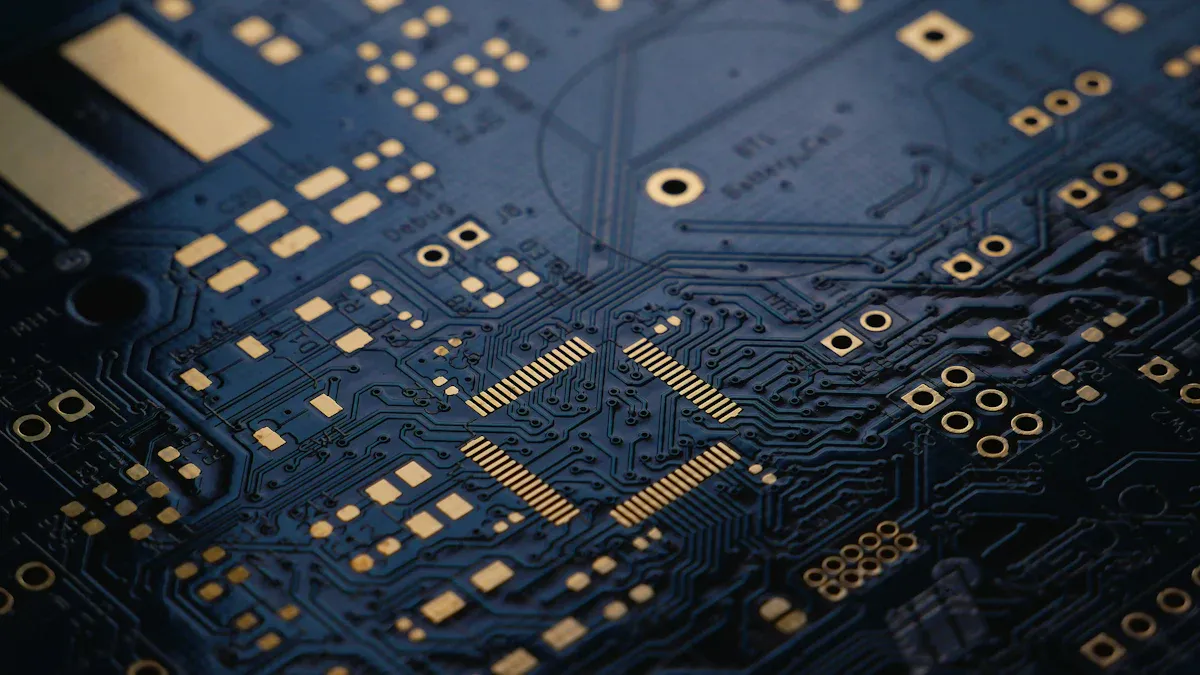
FR-4: Strong and Budget-Friendly
FR-4 is a common material for car PCBs. It is made of fiberglass and epoxy, which makes it strong and a good insulator. FR-4 can handle medium heat and resist water. It works well for many PCBs, especially in systems that don’t need high heat control.
This material is affordable, so it’s great for tight budgets. It’s also easy to make, which lowers production costs. But FR-4 isn’t the best for very hot systems or ones needing advanced heat control. For simpler designs, FR-4 is a dependable and cheap choice.
Metal Core PCBs: Great for Heat Control
Metal core PCBs are perfect for handling heat. They use metal, like aluminum or copper, to move heat away from parts. These PCBs are great for things like LED lights or power systems where heat control is very important.
The copper layer helps spread heat quickly and evenly. Metal core PCBs are also strong, so they work well in places with shaking or stress. They cost more than FR-4, but their heat control and strength make them worth it for tough jobs.
Ceramic-Based PCBs: Best for Advanced Systems
Ceramic-based PCBs are great for high-tech car systems. They use ceramic, which spreads heat well and insulates electricity. These PCBs are perfect for precise tools like sensors or radar.
Ceramic-based PCBs can handle very high heat and tough conditions. They stay stable and work well even in hard environments. They cost more, but their special features make them the best choice for advanced uses.
Advanced Considerations in PCB Material Selection
Environmental Resistance and Compliance
Picking PCB materials for cars means thinking about tough conditions. Cars face heat, cold, and wet weather. The material must resist moisture, chemicals, and sunlight without breaking down. For example: materials that absorb little water stay strong in humid places.
Following rules is also important. Laws like RoHS make sure materials are safe and eco-friendly. Using approved materials meets legal rules and helps protect the planet. Choosing the right materials keeps your car systems safe and supports green practices.
Signal Integrity and Dielectric Properties
Clear signals are key for modern car electronics. Features like driver-assist tools and entertainment systems need fast, clear signals. Good PCB materials stop signal loss and interference. This is very important for systems that use high frequencies. Even small signal problems can cause errors.
Testing is needed to check the material’s signal abilities. Tests like dielectric constant and dissipation factor show if the PCB works well. Picking materials with strong signal performance keeps car systems safe and reliable.
Compatibility with Automotive Trends (EVs and Autonomous Vehicles)
Electric cars and self-driving cars need special PCB materials. These cars use advanced electronics that need strong and precise materials. For example:
-
Electric cars need materials that spread heat well to keep batteries cool.
-
Self-driving cars need tough PCBs for sensors, cameras, and radar tools.
New ways to make PCBs, like photolithography, need better materials too. As car electronics get more advanced, you must pick materials that match these changes. This helps your designs stay useful and competitive in the growing market.
Practical Tips for Choosing PCB Assembly Board Materials
Working with PCB Makers
Talking to PCB makers helps you pick better materials. They know which materials work well for cars. They can suggest options that fit your needs, like strength and heat control.
Ask about their certifications when working with them. For example, they should follow ISO/TS 16949 rules. These rules make sure the materials meet car industry standards. Certified makers provide materials that work well in tough conditions.
Also, discuss how the boards are made. Some materials, like metal core PCBs, need special tools. Knowing this early can save time and money later.
Testing Materials for Car-Like Conditions
Testing makes sure PCB materials can handle real car conditions. Simulated tests copy the heat, shaking, and moisture found in cars. These tests show weak spots in materials before making the boards.
For example, heat cycle tests check if materials survive temperature changes. Vibration tests make sure the PCB stays strong during movement. These tests prove the materials can handle tough car environments.
Also, test for environmental safety. Materials that soak up water or break under sunlight may fail. Testing helps you pick materials that last longer and need less fixing.
Checking Long-Term Use and Future Needs
Car PCBs must last for years without problems. This is very important for systems like brakes and sensors. Failures in these systems can cause safety risks.
New car trends, like electric and self-driving cars, need better PCBs. These cars require materials that handle high heat and complex designs. For example, electric cars need materials that keep batteries cool.
The table below shows why reliability and future trends matter:
|
Evidence Description |
Key Points |
|---|---|
|
The evolution of the Automotive PCB Market in the automotive sector will be rising fast with the emphasis on the autonomous and electric vehicles. |
The demand for PCBs is increasing due to the rise of autonomous and electric vehicles. |
|
Reliability is utmost. They need to survive severe environmental conditions and vibrations without any delay in performance. |
PCBs must endure harsh conditions to ensure long-term functionality. |
|
The PCB manufacturers are obliged to be qualified with ISO/TS 16949 based on ISO 9001 automotive standards. |
Compliance with standards is crucial for ensuring product reliability and safety. |
|
Modern car technologies combine conventional approaches with cutting-edge scientific technologies. |
The integration of advanced technologies increases the complexity and reliability requirements of PCBs. |
By focusing on long-term use and future trends, you can pick materials that work now and adapt later.
Choosing the best PCB materials for cars means looking at four things: strength, heat control, electrical ability, and cost. These are all important to make sure your designs work well in today’s vehicles.
Tip: Think about what your project needs now and later. Electric and self-driving cars are growing trends. Talking to experts and PCB makers can help you choose wisely.
By focusing on these points, you can build strong, efficient, and future-ready car systems.
FAQ
What is the cheapest PCB material for cars?
FR-4 is the cheapest choice. It works well for basic car systems that don’t need special heat control. It’s affordable and easy to make, so it’s great for simple designs.
How do you check PCB materials for car conditions?
You test PCB materials with heat, vibration, and moisture tests. These tests copy real car conditions. They make sure the material can handle heat, shaking, and wetness.
Why is heat control important in car PCBs?
Heat control stops parts from getting too hot and breaking. Materials like metal core PCBs spread heat well. This keeps systems like LED lights or electric car batteries working safely.
Are ceramic PCBs worth the extra money?
Yes, if your design uses advanced tools like sensors or radar. Ceramic PCBs handle heat and electricity very well. They work great in tough conditions, making them perfect for high-tech car systems.
How do you make sure PCB materials follow car rules?
Work with makers who have ISO/TS 16949 certification. This shows they meet car industry rules. Also, check that materials follow safety and eco-friendly laws like RoHS for long-lasting use.