

Sell Your Excess Inventory with a Trusted Electronic Components Excess Inventory Buyer
Practical guide for buyers and engineers: Sell Your Excess Inventory with a Trusted Electronic Components Excess Inventory Buyer. Sourcing, risk, and selection notes.

Sell Your Excess Electronic Components with a Trusted Buyer—Without Leaving Money on the Table
Why a Glut of Excess Components Is Hitting the Market in 2025—and the Scams That Follow
The post-pandemic inventory correction never fully unwound. OEMs and EMS providers that padded safety stocks during the allocation frenzy of 2021–2023 are now sitting on reels of active ICs, connectors, and precision analog parts that no longer map to active production schedules. Model discontinuations, last‑minute engineering changes, and cancelled consumer electronic programs have turned what was once buffer stock into a dusty liability that carries carrying costs, obsolescence risk, and cash‑flow drag. According to Microchip USA, many procurement teams are now actively turning surplus reels into capital—provided they can find a buyer that understands current allocation dynamics.
That last clause is critical. The secondary market is awash with opportunistic players who understand that urgency and lack of transparency are the seller’s worst enemies. Industry reports from Secure Components and Sensible Micro highlight a recurring pattern: sellers receive an unsolicited offer that far exceeds the parts’ book value, then get strung along with requests for up‑front “inspection fees” or conditional wire transfers that never materialize. Worse, counterfeit infiltration is a two‑way street—buyers who don’t demand provenance documentation can later accuse the seller of supplying substandard parts, leaving engineering managers tangled in legal disputes.
In 2026, as CLOSO bluntly puts it, the value of an excess reel is determined by traceability and allocation status—not by the original purchase price. That means procurement and engineering leads need a structured process to document, price, and route their surplus stock through channels that combine market access with rigorous vetting. The good news: a small set of trusted buyers and AI‑enabled platforms now offer that path, and the engineering community is learning to use BOM‑upload workflows to get competitive bids without exposing sensitive design data. This article lays out exactly how to do that—from data preparation and channel selection to verification checks that weed out the scammers.
The Data That Determines Your Reel’s Value: Traceability, Allocation, and Market Signals
A box of mixed reels is not an asset until it is documented in a format that a buyer can immediately price. The single most valuable action you can take before contacting any buyer is to compile a digital manifest that mirrors the fields of a well‑formed RFQ. Suntsu Electronics emphasizes that comprehensive data collection—from manufacturer part number and date code to original purchase documentation—is what transforms a pile of inventory into a bankable lot. When that manifest is uploaded to a platform that cross‑references live distributor inventories, the parts effectively price themselves.
The table below lists the data points that move a reel from “scrap value” to “allocation‑premium.” Missing fields are not fatal, but each blank line reduces buyer confidence and widens the spread the buyer must build into their offer to cover asymmetric information risk.
| Data Element | Example / Entry | Impact on Lot Value |
|---|---|---|
| Manufacturer Part Number (MPN) | STM32F407VGT6, TI TPS62130RGTR | Foundation; any discrepancy kills the deal. Include full suffix and package code. |
| Date Code / Lot Code | 2345+ (week 45 of 2023) | Fresh date codes (less than 3 years) fetch premiums; near‑expiry parts still have aftermarket value but at a discount. |
| Quantity & Packaging | 2,500 pcs on sealed 13” reel, ESD bag intact | Sealed, moisture‑sensitive, factory packaging commands highest price; open trays or cut tape reduce value by 20‑50% due to re‑bake and re‑inspection cost. |
| Moisture Sensitivity Level (MSL) | MSL 3 — original desiccant and HIC present | Parts that left the dry‑pack must be re‑baked; buyers discount for the work and risk. Include photos of the HIC card. |
| Provenance & Documentation | OEM purchase invoice, Avnet PO, packing slip with COC | Full chain‑of‑custody transforms gray‑market risk into a traceable asset; expect a 15‑40% price lift over undocumented reels. Vyrian and other certified distributors use this to offer higher returns. |
| Allocation Status | Part is “allocation‑eligible”; Digi‑Key shows 0 stock, Mouser lead time unconfirmed | Parts in active allocation or with zero‑stock at major distributors can command 70‑100% of market price. Confirm current availability and allocation via RFQ rather than guessing. |
| ESD / Handling Condition | Reels stored in conductive bins, leads not mechanically stressed | Bent leads, corrosion, or ESD damage flags trigger destructive sample testing. Buyers factor in a 5‑10% yield loss unless evidence of proper storage is provided. |
| Lifecycle / NRND Status | Verify lifecycle via manufacturer notice; check for PDN | Active‑status ICs have the broadest buyer pool. NRND or EOL parts may still sell into service/repair markets but require a specialized buyer. State any EOL only if a public notice exists. |
Key Takeaway: Traceability documentation is not paperwork—it is the primary value multiplier. As CLOSO’s demand‑signal analysis demonstrates, a part with full OEM provenance and a confirmed allocation status can move from a 30‑cent salvage bid to a $2.50‑per‑unit allocation premium overnight. Platforms that ingest your BOM and pull live catalog data from Digi‑Key, Mouser, and other distributors give you the same market‑pricing intelligence that large brokers use—without the middleman fees.
When you push that manifest to a trusted buyer, the conversation shifts from “what will you give me for this box?” to “here is a 2,500‑piece lot of allocation‑constrained MCUs with sealed ESD packaging and full Avnet trace—make an offer.” That is the difference between a fire sale and a controlled divestiture.
Direct Buyers, Hybrid Brokers, and AI Marketplaces: Which Selling Channel Fits Your Excess Profile?
Not all excess lots are created equal, and neither are the channels that convert them to cash. A single reel of allocation‑sensitive automotive microcontrollers deserves a different route than 50,000 commodity 10kΩ resistors on cut tape. The market currently offers three viable models, each with its own risk‑return profile. Matching the lot to the channel is the single most important decision you will make after documenting the parts.
| Comparison Metric | Dedicated Excess Buyer (iBuyXS, Sensible Micro) | Certified Distributor with Global Reach (Vyrian) | AI‑Agent Marketplace (CLOSO) |
|---|---|---|---|
| Typical Speed to Cash | 3–7 business days after lot data is approved | 2–6 weeks; includes incoming inspection, re‑pack, and listing | Variable: as fast as 24 hours for listed inventory, but sales depend on market demand signals |
| Return Potential (vs. original cost) | 20–60% of current market price; volume discounts baked into offer | 50–85% after inspection and repackaging; highest for allocation‑constrained or hard‑to‑find parts | 40–90% after marketplace fees; seller controls listing price and uses real‑time demand data |
| Effort Required from Seller | Low: provide manifest, photos, and provenance; buyer handles logistics | Medium: must coordinate packaging standards, accept inspection results, and sign NDA/quality agreements | Medium‑High: must photograph IC silkscreens, write technical listings, manage inquiries, and handle shipping |
| Quality & Certification Gate | Buyer may self‑certify to ISO; AS9120 less common. Verify certification directly. | Typically holds ISO 9001 and AS9120; provides incoming inspection reports and full traceability packaging | Platform may not certify sellers; quality risk lies with individual sellers. Macro photos of IC silkscreen are essential to build buyer trust. |
| Lot Size Flexibility | Prefers 5+ reels or >1,000 pieces; some accept smaller lots if parts are allocation‑sensitive | Full reel or tray quantities only; smaller lots are consolidated internally | Any quantity; single‑reel listings are feasible but require competitive pricing to move |
The channel selection logic is rarely binary; many seasoned procurement managers use a hybrid approach—sending high‑value, traceable ICs to a certified distributor while using a direct buyer to clear out commodity passives and connectors quickly. The weighted criteria below help an engineering or procurement lead decide where to send a given lot based on the three attributes that dominate pricing dynamics today: lot size, part rarity, and urgency.
| Selection Factor | Weight | If HIGH factor | If LOW factor |
|---|---|---|---|
| Lot Size (units or reels) | Heavy | Large lots (>10k pcs) favor direct buyers or certified distributors for efficient handling; AI marketplace volume discount unlikely. | Small lots (<1,000 pcs) may only be viable via AI marketplace or consolidated into a larger bundle for a direct buyer. |
| Part Rarity / Allocation Status | Dominant | Allocation‑constrained MPNs (e.g., STM32H7, TI TPS series with 0 distributor stock) warrant a certified distributor or well‑marketed AI listing to capture scarcity premium. Buyers like Vyrian actively seek these. | Commodity parts (0402 caps, generic connectors) should go to a direct buyer for speed; certified distributors may reject due to low margin. |
| Urgency / Cash‑Flow Pressure | Moderate | Immediate cash need points to a direct buyer like iBuyXS, who will close in days but at a lower per‑unit price. | Time flexibility allows AI marketplace listing or consignment with a certified distributor, maximizing return over weeks. |
These weightings explain why a reel of allocation‑limited MCUs with full provenance in sealed packaging often ends up at a certified distributor, while a pallet of surplus connectors with 6‑month shelf life is liquidated through a direct buyer in a single wire transfer. The seller’s data package determines which model is even possible. No buyer—regardless of channel—can pay a premium for parts they cannot verify.
Five Verification Checks That Separate a Trusted Excess Buyer from a Scammer
The secondary component market has matured, but so have the fraud vectors. The following checklist is derived from real‑world scam patterns documented by industry participants and from the protective measures that reputable buyers openly support. Run every potential buyer through these five gates before you ship a single reel.
- Verify ISO 9001 and AS9120 certifications through the registrar—not a PDF. Ask the buyer for their certificate number and the issuing registrar. Validate both against the registrar’s public database; for AS9120, use the OASIS database. Certified distributors like Vyrian maintain current certifications precisely because aerospace and defense customers demand it. A buyer who hesitates to share a verifiable certificate number, or whose scope of registration excludes electronic component distribution, should be disqualified immediately.
- Demand proof of identity, physical address, and at least two trade references. Legitimate buyers operate from a verifiable business address with a phone number that reaches a person who knows the trade. Request a video call walk‑through of the inspection area. Scammers often hide behind virtual offices and forward‑to‑voice‑mail numbers. Professional buyers—whether direct or distributor—will welcome the opportunity to show you their test benches and ESD‑protected storage.
- Insist on macro photographs of IC silkscreens for authenticity confirmation. This practice, highlighted by ElectricalFlux, works both ways. A legitimate buyer will already be taking high‑resolution images of markings, date codes, and pin‑1 indicators during incoming inspection; they can easily share representative photos. A refusal often indicates that the buyer intends to re‑mark or repackage parts without scrutiny, exposing you to downstream liability claims.
- Refuse any transaction that involves up‑front fees. Authentic excess buyers earn their margin on the spread between the purchase and resale price, not from seller fees. If a buyer requests payment for “inspection,” “re‑programming,” “shipping insurance,” or “lot certification” before issuing a purchase order, walk away. This is the single most common scam reported by sellers who used unvetted online marketplaces.
- Negotiate payment terms that protect the seller—not just the buyer. Avoid net‑after‑receipt terms unless the buyer has a multi‑year history and auditable financials. Stronger options include a 30‑50% prepayment upon signed PO, escrow services for first‑time transactions, or trade credit insurance for lots exceeding $25,000. The CLOSO scam prevention guide specifically warns against buyers who insist on full delivery before any payment without an established track record. A buyer who truly values your traceability data will agree to terms that share the risk equitably.
Every one of these checks can be performed in under an hour. That hour is the insurance policy for a lot that may represent thousands of dollars in tied‑up capital. When a buyer passes all five, the relationship typically yields faster future transactions because the trust infrastructure is already in place.
Senior Engineers and Procurement Leads Ask About Selling Excess Inventory
Q: How do I verify that a buyer truly holds ISO 9001 or AS9120 certification?
A: Ask for a current certificate number and validate it against the registrar’s public database (e.g., OASIS for AS9120). Request a copy of the certificate with the scope of registration; a legitimate buyer will share it without hesitation—if they don’t, walk away.
Q: What lot size is too small to sell to a trusted excess buyer?
A: No strict lower limit exists, but economics shift below 1,000 pieces or 5 reels. Buyers like iBuyXS and broker platforms may accept smaller lots if parts are in allocation or hard to find; expect lower per‑unit offers or a consolidated lot approach to cover testing and handling.
Q: How should I handle an NDA when discussing my BOM with a potential buyer?
A: Insist on a bilateral NDA that covers component lists, end‑customer identities, and unused design information. Reputable excess buyers (e.g., Sensible Micro, Vyrian) routinely sign NDAs; if a buyer refuses, that’s a red flag for IP misuse or gray‑market dumping.
Q: Which component types typically bring the highest return?
A: Active ICs in allocation or with zero‑stock at major distributors fetch the best price, especially FPGAs, microcontrollers, and precision analog parts. Commodity passives and connectors usually yield lower margins unless they are long‑lead‑time automotive or military grades.
Q: What is the safest payment method when selling excess inventory?
A: Wire transfer after receipt of goods is risky; instead, negotiate a partial prepayment, escrow services, or use trade credit insurance for large lots. Avoid buyers who insist on full delivery before any payment without a verifiable track record.
Q: My parts are ‘allocation‑eligible’ but nearing expiry. Will that kill the deal?
A: It reduces value but doesn’t kill it. Buyers assess remaining shelf life, flexible use in non‑critical repairs/aftermarket, and testing reports. Be transparent about date codes; a trusted buyer may still purchase if the margin allows them to absorb the risk—just expect a discount.
Conclusion: Turn Data into a Competitive Bid
Selling excess electronic components is no longer a distress signal—it is a strategic treasury function that every engineering‑intensive company can execute with precision. The machines that value your reels are not manual spreadsheets; they are platforms that cross‑reference your BOM against live allocation data, distributor inventories, and documented provenance. By packaging your excess as a data‑ready lot and routing it through a vetted channel—whether a certified distributor, a dedicated buyer, or an AI marketplace—you replace guesswork with competitive tension and eliminate the risk of payment fraud.
If you are sitting on a reel of microcontrollers, FPGAs, or analog ICs that no longer maps to an active production BOM, the next step is straightforward: upload your manifest to a managed RFQ service that can expose the lot to multiple pre‑vetted buyers without compromising your supply‑chain confidentiality. IC‑Online supports mixed BOM uploads with flexible MOQs, connecting your excess inventory to global demand while maintaining the documentation thread that separates a premium from a fire sale. Request a quote and upload your BOM today—before the holding cost erodes what the market is ready to pay.
References & Further Reading
- Microchip USA — Excess Electronic Components: Turning Surplus Inventory Into Opportunity
- Secure Components — Have Excess Inventory? Find a Trusted Electronic Components Buyer
- Sensible Micro — Have Excess Inventory? Find a Trusted Electronic Components Buyer
- CLOSO — The Million‑Dollar Reel: How to Sell Excess Electronic Components Without Getting Scammed
- iBuyXS — Maximize Your ROI on Excess Inventory
- ← Previous ArticleNext Article >>
Related Articles
 Blog
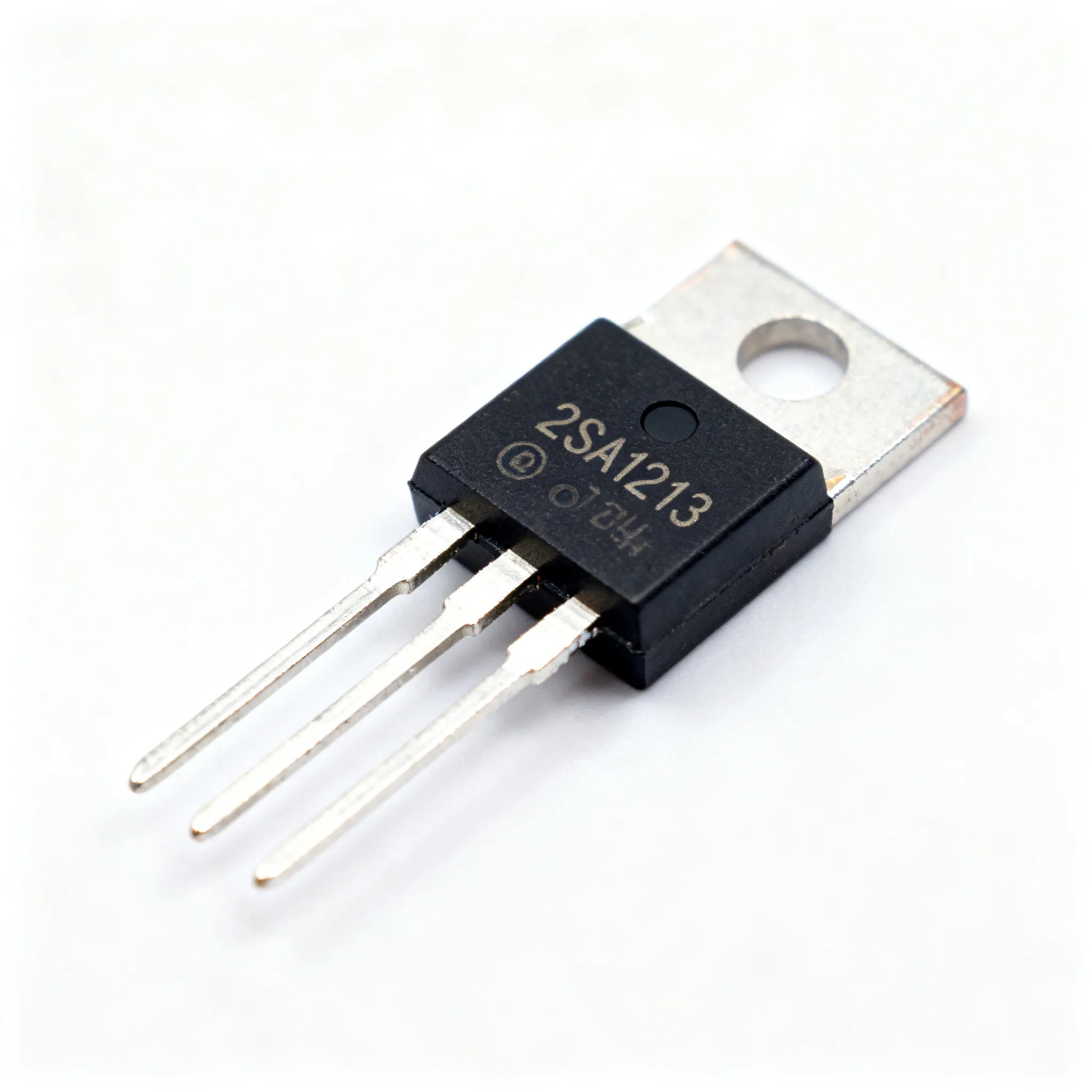
Blog2SA1213 Obsolescence Risk Checklist: Confirm Lifecycle Status Before Sourcing
2SA1213 lifecycle and obsolescence risk checklist. What to verify before redesign or last-time-buy — without assuming drop-in replacements.
 Blog
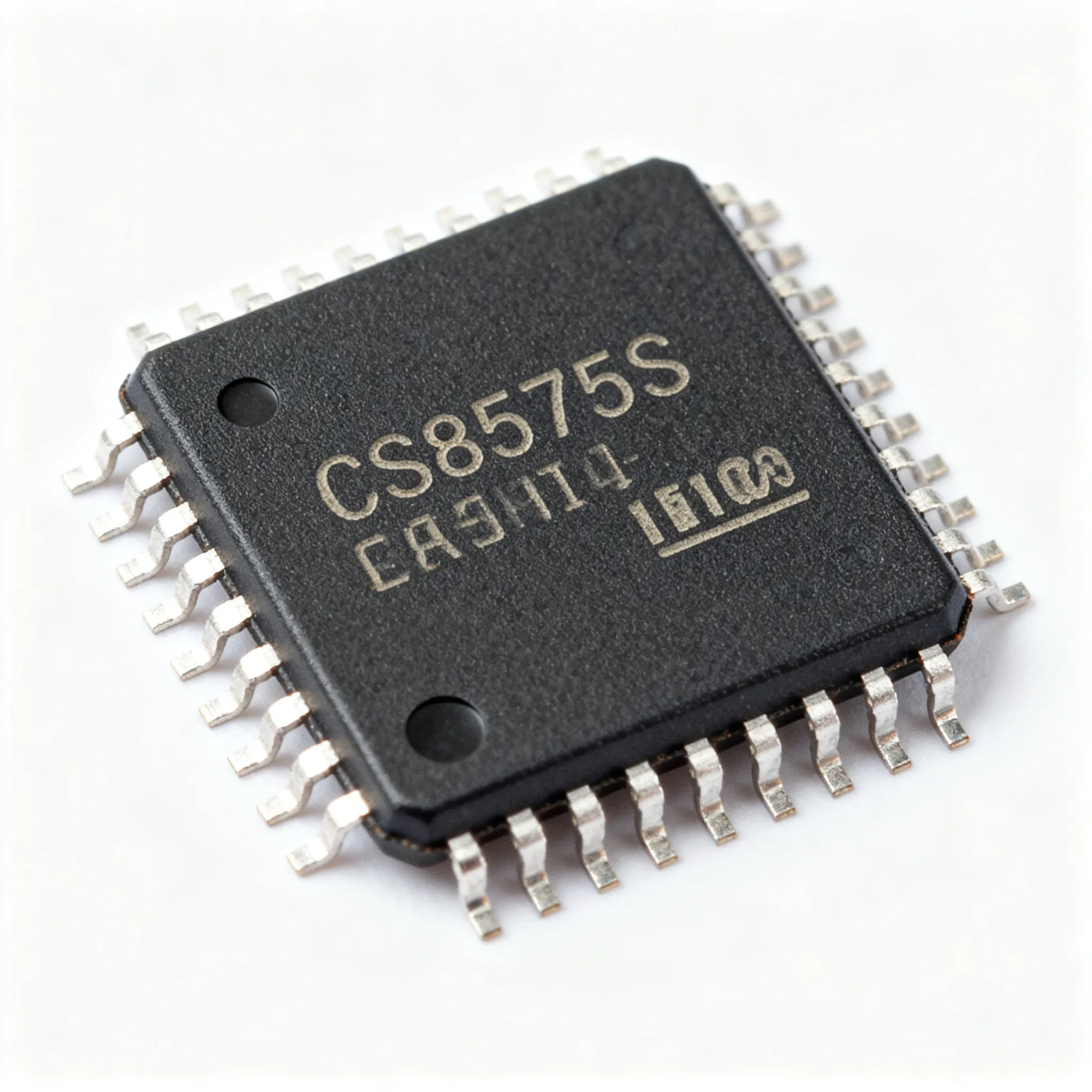
BlogCS8575S Supply Risk Assessment: What to Ask Before You Buy
Assess CS8575S sourcing risks before you buy. RFQ questions on traceability, date codes, testing, alternatives, and supply continuity for procurement teams.
 Blog
BlogExcess Inventory: How Component Engineers Can Turn Surplus into Supply Chain Resilience
Practical guide for buyers and engineers: Excess Inventory: How Component Engineers Can Turn Surplus into Supply Chain Resilience. Sourcing, risk, and selection notes.
 Blog
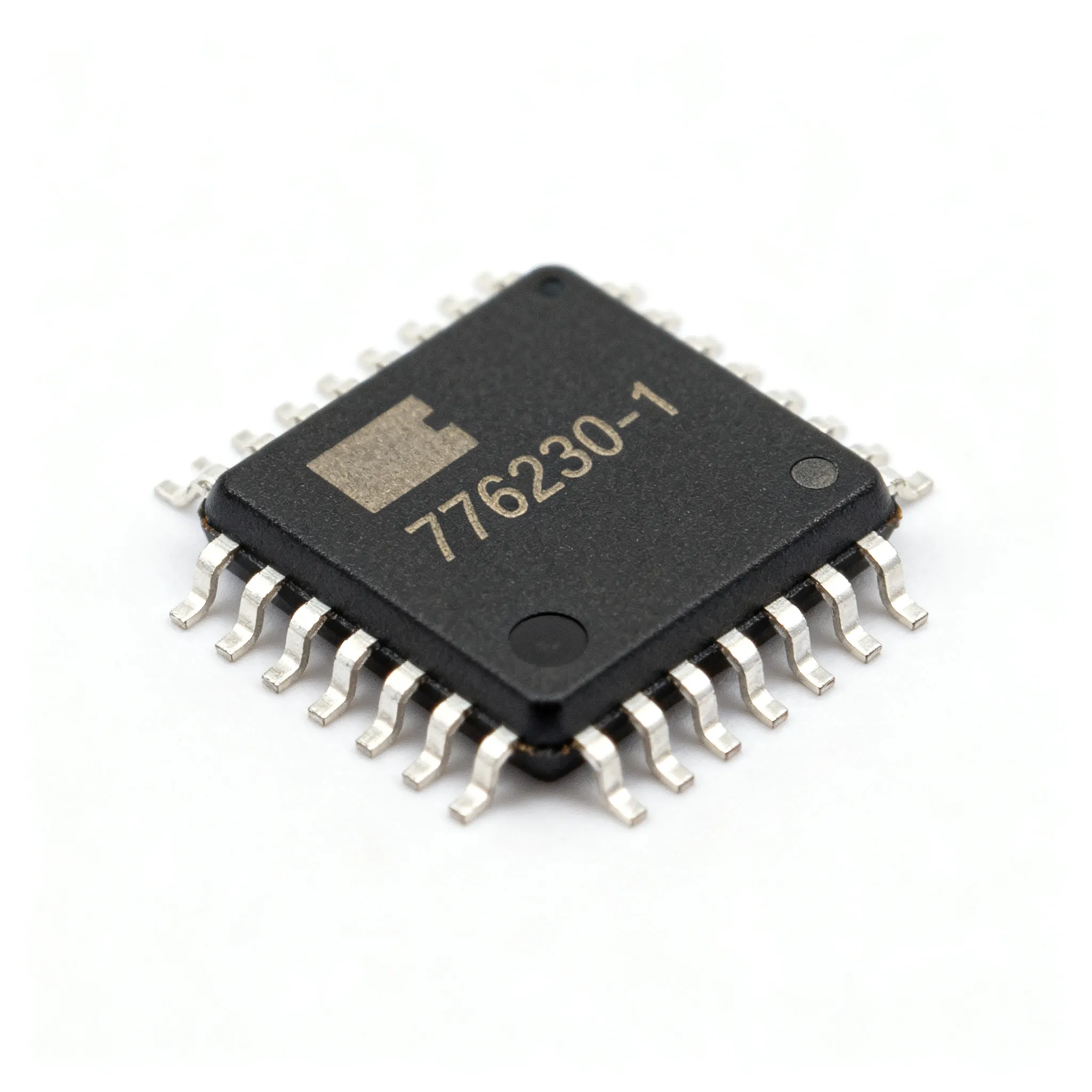
Blog776230-1 Datasheet and Pinout: Specs for Design and Sourcing
776230-1 datasheet essentials, pinout overview, key specs, and design/sourcing checks for engineers and buyers. Request a quote on IC-Online.
 Blog
BlogWhat Does a Resonator Do
What does a resonator do? It generates and stabilizes a specific frequency for timing, signal generation, and filtering in electronic circuits.
- Blog
Sell Your Excess Inventory with a Trusted Electronic Components Excess Inventory Buyer
Practical guide for buyers and engineers: Sell Your Excess Inventory with a Trusted Electronic Components Excess Inventory Buyer. Sourcing, risk, and selection notes.