

Shared Bike & E-Bike Controllers: IoT Modules, Motor Drivers, and Parts Availability
Shared Bike & E-Bike Controllers: IoT Modules, Motor Drivers, and Parts Availability
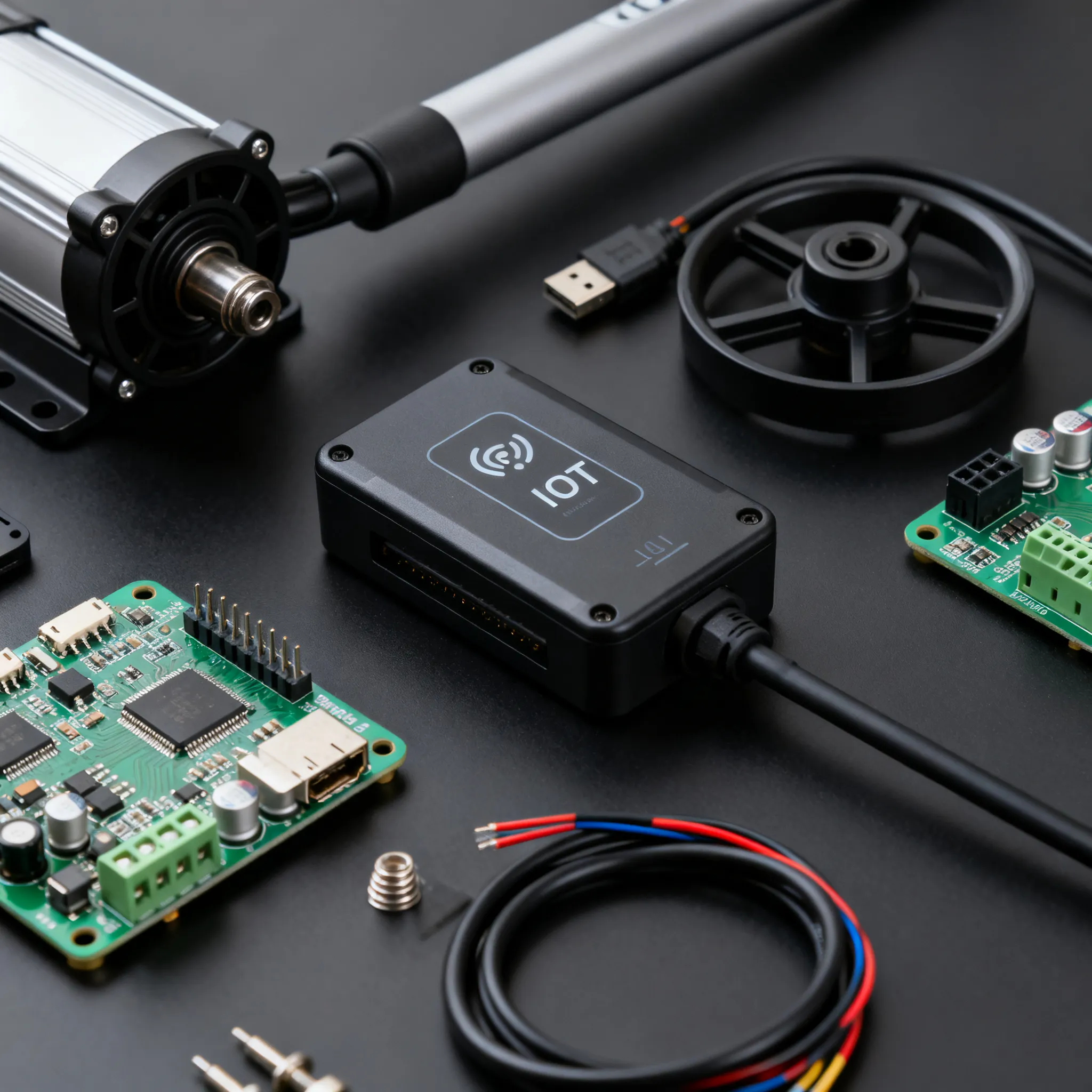
Why a 20,000-Unit Recall and Rising Error Codes Are Forcing a Hard Look at Controller and IoT Module Quality
Shared e‑bike fleets live and die by uptime. Every minute a bike sits unrideable because of a controller lock‑up or a lost cellular connection, the operator loses revenue and trust. Two recent developments have put a spotlight on the electromechanical heart of the vehicle: the motor controller and its companion IoT module. First, nearly 20,000 electric bicycles were recalled in the US after a defect was discovered that could cause the rear wheel to separate from the bike, posing a crash risk (Electrek). The recall, covering Trek’s FX+ and Electra’s Townie Go! models manufactured by Hyena Inc., may have been mechanical in nature, but it shows how a single supplier’s quality escape can ripple through an entire fleet (Inc., eRideHero). For procurement teams, the lesson is clear: your controller and IoT module vendors must survive the same scrutiny as the frame and fork.
Second, the 2026 riding season brought a wave of digital error codes that suddenly cut motor assistance. Bosch system users, for example, reported Error 500/503 shutdowns that left riders pedaling a heavy bike without power (Cyclonline). While these faults often trace back to a battery communication glitch or a torque sensor mismatch, the controller’s firmware is the common thread. When a shared bike’s controller misinterprets a sensor signal and enters a fail‑safe loop, the bike becomes a dead asset until a technician physically intervenes. Multiply that across a few hundred dockless bikes, and you have an operational nightmare.
These events are not anomalies; they are stress tests that expose the weak links in the electronics supply chain. As a senior engineer or buyer, you need to understand how motor driver ICs, microcontroller (MCU) firmware, and IoT connectivity architectures interact on the same PCB, and where the failure boundaries lie. This article digs into the silicon, the communication protocols, and the sourcing strategies that keep shared e‑bike fleets rolling.
Inside the E-Bike Controller: How Motor Drivers, MCUs, and IoT Modules Share a PCB
Modern shared e‑bike controllers are no longer simple brushed‑DC speed regulators. They are compact, multi‑rail systems that combine a three‑phase gate driver, a 32‑bit MCU running advanced commutation algorithms, a CAN or UART transceiver for intra‑vehicle communication, and an LTE‑M or NB‑IoT module for fleet telematics. The whole assembly must survive sealing against rain, vibration from potholes, and the thermal cycling of repeated hard starts. Reference designs from Texas Instruments show how to stitch together a discrete gate driver, an external MCU, and protection circuitry, but the trend is toward higher integration to reduce PCB area and BOM line items.
Two families exemplify the integrated approach. Allegro’s A89211 and A89212 are pin‑compatible, 3‑phase gate drivers with an integrated ARM Cortex‑M4 MCU and up to 256 kB of flash, designed to drive N‑type MOSFET half‑bridges at up to 60 V (A89211) or 90 V (A89212) (Allegro). STMicroelectronics’ STSPIN32G4 goes a step further, embedding an STM32G4 MCU with a rich analog front‑end, DSP extensions, and a three‑phase driver in a single QFN package (ST Blog). Both solutions support sinusoidal and field‑oriented control (FOC), and both include the over‑current, under‑voltage, and thermal protection that a shared fleet demands. The datasheet archive on DatasheetArchive holds dozens of application notes and reference circuits that can accelerate your own design.
To help you compare the core silicon options, the table below captures the parameters that matter most when you are selecting a motor driver platform for a shared e‑bike.
| Parameter | Allegro A89211/2 Series | ST STSPIN32G4 | TI Discrete Reference (e.g., DRV + C2000) | Why It Matters for Shared Fleets |
|---|---|---|---|---|
| Maximum DC bus voltage | 60 V (A89211) / 90 V (A89212) | 75 V | Limited by external MOSFETs | 48 V and 52 V battery packs are standard; 90 V headroom supports 60 V systems with transients |
| Integrated MCU | ARM Cortex‑M4, up to 256 kB flash | ARM Cortex‑M4 (STM32G4), up to 512 kB flash | External (e.g., TMS320F280049C) | More flash allows richer IoT protocol stacks and OTA update staging |
| Gate drive current (source/sink) | 1 A / 2 A | 1 A / 2 A | Depends on chosen driver IC | Sufficient for 6‑FET power stages up to about 1 kW |
| Commutation support | FOC, sine‑wave, trapezoidal | FOC, sine‑wave, 6‑step | Fully programmable | FOC is mandatory for silent, smooth operation required by city regulators |
| Analog peripherals | 12‑bit ADC, comparators | 12‑bit ADC, DAC, op‑amps, comparators | External AFE typical | Integrated op‑amps for phase‑current sensing reduce BOM and PCB area |
| Communication interfaces | UART, I²C, SPI | CAN‑FD, UART, I²C, SPI | Full set via external MCU | CAN‑FD is essential for noise‑immune communication with BMS and display |
| Package | 7 × 7 mm QFN | 8 × 8 mm QFN | Multi‑IC footprint | Small footprint leaves room for the IoT module on the same PCB |
The choice between integrated and discrete architectures is not just about silicon. Integrated devices like the STSPIN32G4 slash component count and simplify layout, but they may limit the number of GPIOs available for extra peripherals such as a secondary IMU or a tamper‑detection switch. A discrete design lets you pair a best‑in‑class gate driver with the application processor of your choice, but it demands a more careful power‑stage layout and increases the number of line items your procurement team must manage. For a fleet of 10,000 bikes, the lower BOM count of an integrated solution often wins, provided you can still fit the required IoT module and keep the PCB within the frame’s mechanical envelope.
IoT Module Architectures and Motor Driver Choices: Push vs. Poll, FOC vs. Trapezoidal
Once the motor is spinning, the IoT module becomes the fleet operator’s eyes and ears. How that module reports data to the back‑end server has a direct impact on battery life, data costs, and the responsiveness of anti‑theft features. Traditional polling architectures, where the server periodically requests a status update, create unnecessary traffic and drain the battery when the bike is parked. A push‑based architecture, in contrast, lets the IoT module autonomously monitor all peripherals—motor controller, lock, inertial platform, GPS, battery BMS—and report only when a state change occurs (VAIMOO). This reduces idle current and slashes monthly data usage, a critical metric when you are paying for thousands of SIM cards.
On the motor side, the commutation algorithm directly shapes the rider experience—and the fleet’s maintenance cost. Trapezoidal (6‑step) commutation is simple to implement and generates less MCU load, but it produces audible noise and torque ripple that wear on the planetary gears. Field‑oriented control (FOC) with sine‑wave modulation, by contrast, delivers smooth, silent torque throughout the speed range and improves motor longevity. For B2B buyers, FOC is rapidly becoming a non‑negotiable requirement because it reduces the “motor whine” that can trigger noise complaints in dense urban areas (Accio).
The table below compares the two architectural choices—IoT push vs. poll, and motor FOC vs. trapezoidal—against the real‑world constraints of a shared fleet.
| Comparison Metric | Push IoT / FOC Motor Control | Poll IoT / Trapezoidal Motor Control | Selection Criteria & Failure Boundary |
|---|---|---|---|
| Server communication latency | Sub‑second event‑driven reporting | Polling interval (typically 15–60 s) | Push is required for real‑time theft alerts and geofence enforcement |
| Idle power consumption | < 5 mA when parked | 10–30 mA due to periodic wake‑ups | Push extends battery life between charges; critical for solar‑assisted bikes |
| Firmware complexity | Higher: state machine plus cloud‑side orchestration | Lower: simple request/response | Push modules demand a mature OTA update mechanism to fix bugs in the field |
| Torque smoothness & noise | Low torque ripple, < 55 dBA at 25 km/h | Noticeable cogging, often > 60 dBA | FOC satisfies city noise ordinances and reduces gearbox warranty claims |
| Motor efficiency (typical) | 85–90% across wide speed range | 80–85% peak | FOC’s efficiency gain translates to 5–8% longer range, a key selling point |
| Regenerative braking capability | Smooth regen with current limiting | Abrupt; often requires extra damping | FOC enables seamless regen blending, which reduces brake pad wear |
Comodule’s IoT module illustrates the push‑architecture advantage: it offers anti‑theft features and vehicle control out of the box, but the fine print warns that “hardware defines possible features but they might need extra development to the specific drivetrain model” (Comodule). That means you cannot simply drop a generic IoT module onto a controller PCB and expect it to understand the nuances of an Allegro or ST driver. The firmware must be customized to parse the motor controller’s error codes and status registers. Sourcing platforms like Alibaba now list suppliers that claim to offer IoT‑enabled controllers, but the integration depth varies wildly. Treat any off‑the‑shelf “IoT controller” as a starting point for your own qualification, not a finished product.
Sourcing Controllers and IoT Modules Without Getting Burned: Certifications, Customization, and Lead-Time Traps
Procuring a controller and IoT module for a shared e‑bike fleet is a balancing act between technical requirements, commercial flexibility, and supply‑chain resilience. The recent recall of nearly 20,000 bikes reinforces that you must look beyond the datasheet and into the supplier’s failure history. If a vendor cannot provide field‑failure data from a comparable fleet deployment, you are taking a bet, not making an informed decision.
Start with the electrical interfaces. Verify that the IoT module supports the communication protocols your architecture demands. On the vehicle side, CAN bus (or CAN‑FD) is the dominant choice for linking the controller, battery BMS, and display because it tolerates the noisy electrical environment of a switching motor drive. The IoT module’s back‑haul should be LTE‑M or NB‑IoT with a 2G fallback for areas with spotty coverage. VAIMOO’s push‑based reporting reduces unnecessary polling traffic, but you must confirm that the module’s firmware stack can handle the specific CAN messages your controller generates (VAIMOO).
Certifications are your first line of defense. UL 2849 (electrical system for e‑bikes) and the European EN 15194 standard cover the overall vehicle, but the controller itself should have passed radiated and conducted emissions testing per EN 55032/CISPR 32. If the controller implements torque‑based pedal assist, an ISO 13849 functional safety assessment may be required in some jurisdictions. Demand evidence that the supplier has passed EMC testing with a representative motor load, not just a resistive dummy load. The Alibaba supplier guide offers a basic checklist, but you should insist on seeing the actual test reports, not just the certificate numbers.
Customization is a double‑edged sword. Most fleet operators need firmware tweaks—custom error thresholds, proprietary CAN IDs, or a specific OTA update protocol. Comodule’s experience shows that “possible features” often require extra development for your specific drivetrain (Comodule). Negotiate the customization scope upfront and get a timeline for firmware delivery. If the supplier relies on a third‑party MCU toolchain that you cannot access, you will be locked into their development cycle for every bug fix.
Lead times for the critical semiconductors inside the controller—the MCU, gate driver, and wireless SoC—remain volatile. An integrated solution like the STSPIN32G4 or the Allegro A89211/2 buys you a single line item to manage, but if that line item goes on allocation, you have no fallback. Pin‑compatible alternatives within the same family (e.g., A89211 for 60 V and A89212 for 90 V, or the STSPIN32G4’s sibling variants) give you some flexibility. Plan for a second source for the IoT module as well; a module based on a Quectel or u‑blox cellular chipset that is available from multiple distributors eases the pain when one channel dries up.
The table below distills the sourcing evaluation into a practical checklist you can use during supplier audits.
| Evaluation Parameter | Minimum Requirement | Red Flags | Verification Method |
|---|---|---|---|
| Communication protocols | CAN‑FD or CAN 2.0B for vehicle bus; LTE‑M/NB‑IoT for backhaul | Only UART or BLE for vehicle bus; 2G‑only cellular | Request bus‑load test with 1 Mbit/s CAN and 100% duty cycle |
| Voltage & current rating | 60 V / 30 A continuous for 48 V systems; 90 V / 40 A for 60 V systems | No headroom for regenerative current spikes | Bench‑test with a programmable DC load and a 1.5× overload for 10 s |
| OTA update capability | Dual‑bank flash, secure boot, rollback on failure | Single‑bank flash; no signed image verification | Perform a firmware update while toggling power; device must recover cleanly |
| Certifications | UL 2849, EN 15194 EMC, FCC/CE for IoT module | Only self‑declaration; no third‑party lab reports | Request EMC test report with the specific motor and battery used in your fleet |
| Supplier failure data | Field return rate < 0.5% over 12 months in a similar fleet | No field data shared; recent recall involvement | Ask for a reference customer with a fleet size > 1,000 units and call them |
| Lead time & second source | 12–16 weeks standard; pin‑compatible alternative identified | Single‑source MCU with no drop‑in replacement | Check distributor inventory at DigiKey or Mouser for the specified IC |
Treat this table as a live document. When a supplier scores a red flag, do not assume you can engineer around it; the cost of a field recall will dwarf any upfront savings.
Shared E-Bike Controller and IoT Module FAQs for Engineering and Procurement
Q: How do I ensure the IoT module's firmware can be updated over-the-air without bricking the controller?
Look for modules that implement a dual‑bank flash architecture and a hardware‑enforced secure boot. The update process must write the new image to the inactive bank, verify its signature, and only then swap banks. If the update fails—due to a weak cellular signal in a basement parking area—the bootloader should automatically revert to the previous working firmware. Comodule and VAIMOO offer modules with push‑based OTA capability, but you must verify that the bootloader’s rollback mechanism works in worst‑case signal conditions. Test the OTA procedure with a variable RF attenuator in the lab to simulate LTE edge‑of‑coverage.
Q: What are the key differences between integrated motor driver MCUs like the STSPIN32G4 and discrete gate driver plus external MCU for shared e-bikes?
Integrated solutions reduce BOM count and PCB area by combining the gate driver, MCU, and analog front‑end in a single package. The STSPIN32G4, for example, packs an STM32G4 core and a three‑phase driver into an 8×8 mm QFN, leaving room for the IoT module on the same board. The trade‑off is limited I/O; if you need extra GPIOs for an IMU, a secondary lock driver, or a high‑side current monitor, you may run out of pins. A discrete design—an external gate driver such as a DRV8323 paired with a TMS320F280049C or STM32G4—gives you limitless I/O and the ability to select the best driver for your MOSFETs, but it demands a meticulous layout and increases the number of SKUs your procurement team must track. Allegro’s A89211/2 offers a middle ground, with pin‑compatible 60 V and 90 V variants that let you reuse the same PCB for different fleet bikes.
Q: How do I qualify a controller for fleet duty cycles with frequent start-stop and regenerative braking?
Design an accelerated life test that mimics the worst‑case usage pattern. Cycle the controller between full‑throttle acceleration, hard regenerative braking, and idle for 10,000 cycles while monitoring the temperature of the MOSFETs, electrolytic capacitors, and the PCB near the gate driver. Use a thermal camera to spot hot spots and correlate them with the MOSFET switching losses. The controller’s firmware must enforce a regen current limit that stays within the battery’s charge acceptance curve; otherwise, you risk over‑voltage transients that can damage the BMS. TI’s reference designs include over‑current and over‑temperature protection that you can benchmark against. A controller that survives 10,000 cycles with less than a 10% rise in MOSFET RDS(on) is a good candidate.
Q: What communication protocols (CAN, UART, BLE) are most reliable for shared bike fleets in urban interference?
For intra‑vehicle communication, CAN bus is the most robust choice. Its differential signaling and built‑in error detection handle the electromagnetic noise generated by a 48 V, 30 A motor drive far better than UART. Many e‑bike systems use CAN to connect the controller, battery BMS, and display, and CAN‑FD is becoming the norm for higher‑bandwidth telemetry. For the IoT backhaul, LTE‑M or NB‑IoT modules with fallback to 2G GSM provide the best coverage in urban canyons. BLE is suitable only for rider smartphone interaction—unlocking the bike, displaying ride stats—never for fleet telemetry. VAIMOO’s push architecture reduces the amount of polling traffic on the LTE link, which is especially valuable when hundreds of bikes are parked in the same cell.
Q: What certifications should I look for in motor controllers to avoid safety recalls like the recent Trek/Hyena incident?
While the Trek/Hyena recall was a mechanical wheel‑separation issue, it underscores the importance of demanding full electrical safety certifications. For the controller, look for UL 2849 compliance, which covers the entire electrical system of an e‑bike, including the motor controller, battery, and charger. In Europe, EN 15194 is the harmonized standard, and it requires EMC testing per EN 55032. If the controller implements torque‑based pedal assist, an ISO 13849 functional safety assessment may be required to prove that the assist cuts off within a defined time when the rider stops pedaling. Always request the EMC test report that was performed with the actual motor and battery you plan to use, not a generic resistive load. A supplier that hesitates to share these reports is one you cannot afford to trust.
Selecting the right controller and IoT module is a multi‑disciplinary challenge that straddles power electronics, embedded software, and supply‑chain management. The shared‑bike environment amplifies every weakness: a single software bug that corrupts the flash during an OTA update can disable a thousand bikes overnight. The best defense is to choose silicon platforms with proven field records, push‑based IoT architectures that respect battery budgets, and suppliers who are transparent about their failure data. When you need to source mixed BOMs—from FOC motor drivers to certified LTE modules—with flexible minimum order quantities, IC-Online provides a direct line to verified distributors who understand the non‑negotiable quality demands of fleet‑scale e‑mobility.
Need components or PCBA support for Shared Bike / E-Bike products? IC-Online helps smart-device OEMs with sourcing and board-level supply — see our Smart Device Solutions or contact our team for a BOM review.
References & Further Reading
- Electrek – Recall coverage
- eRideHero – Complete list of e‑bike recalls
- Inc. – Trek and Electra recall nearly 20,000 e‑bikes
- Cyclonline – 2026 e‑bike defects: motor, battery, and software issues
- TI – E‑bike solution: motor controller & torque sensor
- Allegro MicroSystems – A89211/2 integrated motor drivers
- ← Previous ArticleNext Article >>
Related Articles
 Blog
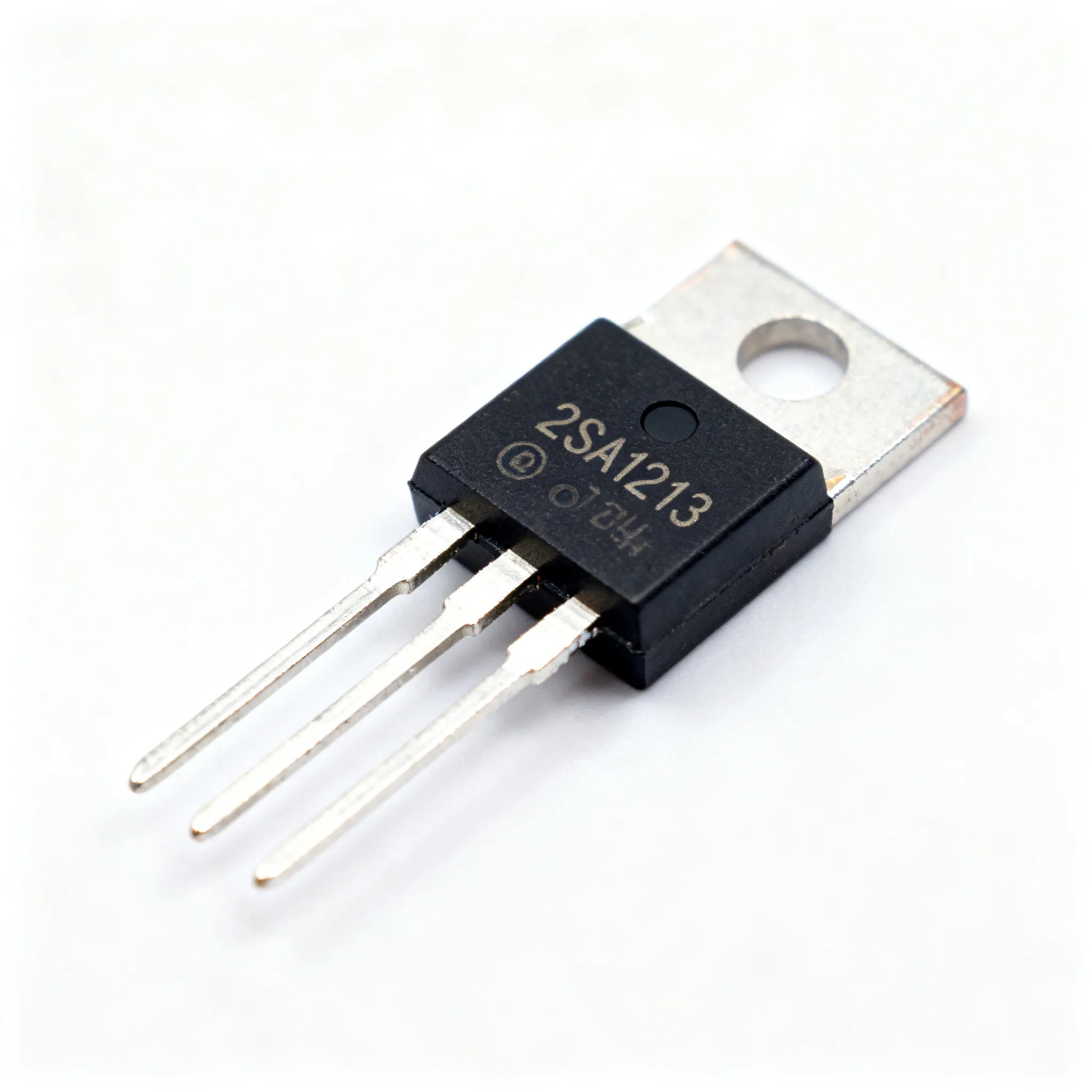
Blog2SA1213 Obsolescence Risk Checklist: Confirm Lifecycle Status Before Sourcing
2SA1213 lifecycle and obsolescence risk checklist. What to verify before redesign or last-time-buy — without assuming drop-in replacements.
 Blog
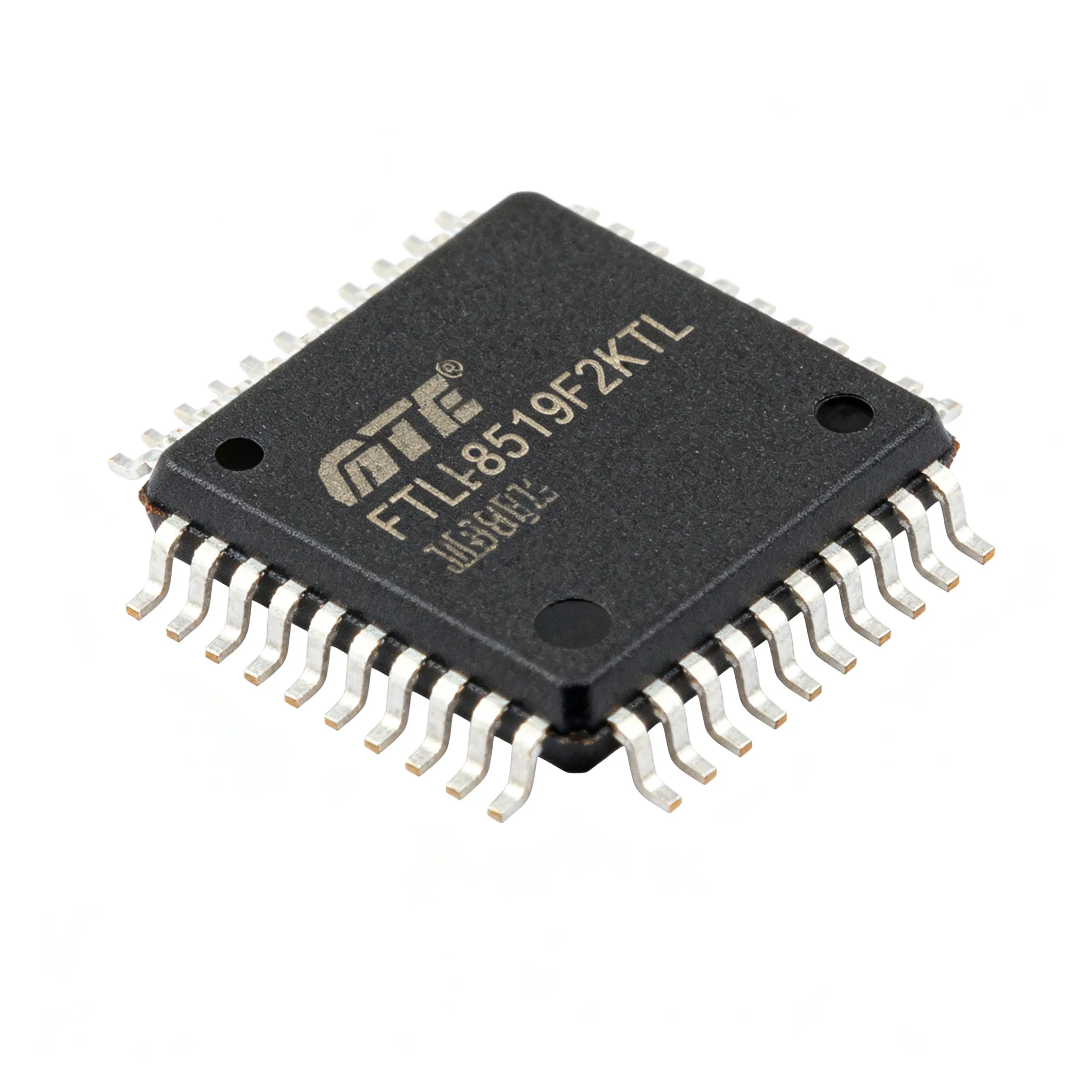
BlogFTLF8519F2KTL Datasheet and Pinout: Specs for Design and Sourcing
FTLF8519F2KTL datasheet essentials, pinout overview, key specs, and design/sourcing checks for engineers and buyers. Request a quote on IC-Online.
 Blog
BlogExcess Inventory: How Component Engineers Can Turn Surplus into Supply Chain Resilience
Practical guide for buyers and engineers: Excess Inventory: How Component Engineers Can Turn Surplus into Supply Chain Resilience. Sourcing, risk, and selection notes.
 Blog
BlogHow VSC Works in Modern Cars and Why It Matters
What is VSC on a car? VSC (Vehicle Stability Control) is an electronic system that brakes individual wheels and cuts engine power to maintain traction. The VSC light indicates active intervention or a fault.
 Blog
BlogUnderstanding How Graphics Cards Work in Ordinary Electronics
A definition graphics card explains how this hardware turns data into images for your screen. It's crucial for video calls, streaming, and light gaming on daily devices.
 Blog
BlogUnderstanding the GND Wire in Electronic Design
What is GND wire? It's the zero-voltage reference and current return path in circuits, crucial for signal integrity, safety, and EMI control in modern electronics.