The CC1101 chip in your everyday gadgets
Imagine a tiny walkie-talkie hidden inside your favorite gadgets. That is the cc1101 chip. It is a low-power radio
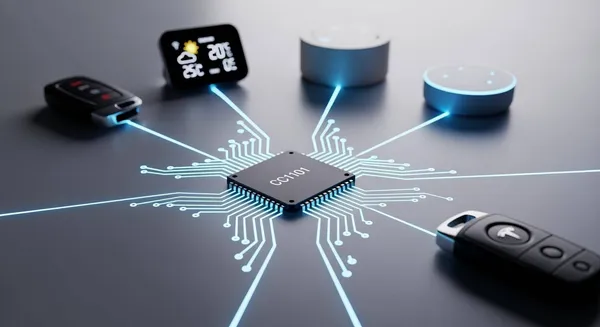
Imagine a tiny walkie-talkie hidden inside your favorite gadgets. That is the cc1101 chip. It is a low-power radio that lets devices communicate wirelessly without Wi-Fi or Bluetooth. This small component is the secret behind many everyday items.
You can find this chip in:
- Garage door openers and car keys 🚗
- Wireless smart home sensors
- The popular Flipper Zero hobbyist tool
This technology works quietly to connect the world around you.
Key Takeaways
- The CC1101 chip is a small radio inside many gadgets. It helps devices talk to each other without Wi-Fi or Bluetooth.
- This chip powers things like car keys, garage door openers, and smart home sensors. It sends simple commands over long distances.
- The CC1101 chip uses very little power. This makes batteries last a long time in devices like smart home sensors.
- The chip is cheap and can work on many radio frequencies. This makes it useful for many different products around the world.
- Hobbyists and DIY makers also use this chip. It is in tools like the Flipper Zero for learning about radio signals.
Powering remotes and access control
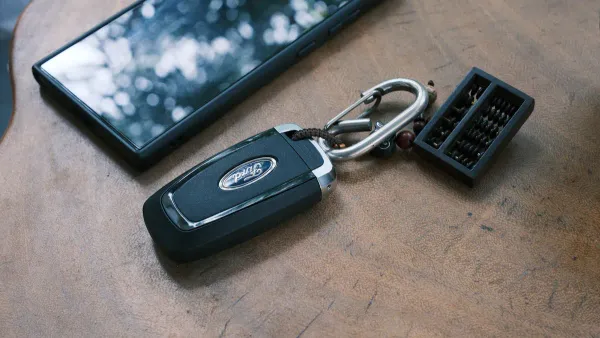
One of the most common places you will find the CC1101 chip is in the palm of your hand. It is the engine behind many remote controls that grant access to your property. The chip sends a secure, low-power radio signal to a receiver, making wireless access simple and reliable.
Garage doors and car keys
Every time you press the button on your garage door opener or car key fob, a small radio transmission occurs. The cc1101 is perfect for this job. It wakes up instantly, sends a command like "unlock" or "open," and goes back to sleep. This process uses very little battery.
These devices must also work in areas with radio interference. The chip has smart features to handle this challenge.
- Signal Filtering: It can be set to ignore weak, distant signals. This helps the receiver focus only on your remote's command.
- Noise Tolerance: The chip can distinguish a real command from background radio noise. This prevents false triggers.
- Signal Adaptation: It automatically adjusts its sensitivity to perform well in different signal conditions.
Wireless doorbells and gates
The chip's abilities extend to wireless doorbells and automated gates. Its excellent range means you can place a doorbell button far from the indoor chime without running any wires. This is especially useful for large properties or homes with detached gates. The signal is strong enough to travel through walls and other obstacles.
Did you know? 💡 DIY projects using these radio modules have created wireless doorbells with a communication range of up to 1000 meters (about 0.62 miles). This demonstrates the powerful long-range capability of the technology.
This long-distance performance makes the technology a top choice for any application where a simple command needs to travel reliably from point A to point B.
Inside your smart home
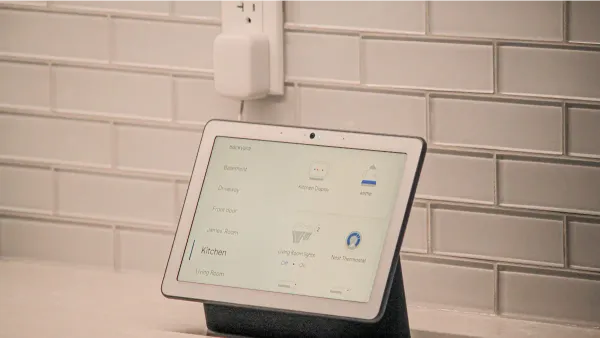
The CC1101 chip is a silent hero in the modern smart home. It creates reliable wireless links between your central hub and various devices. This connection happens without interfering with your home's Wi-Fi network. The chip's low power and long-range capabilities make it ideal for many smart applications.
Wireless temperature and motion sensors
Many smart home sensors run on small batteries. They must operate for months or even years without a battery change. This is where the cc1101 excels. It is designed for extreme power efficiency. The chip spends most of its time in a deep sleep mode, waking up only for a fraction of a second to send a small piece of data, like a temperature reading or a motion alert.
Incredible Efficiency 🔋 A complete sensor node using this technology can consume less than 5 microamps in sleep mode. The chip itself can draw as little as 200 nanoamps (nA) while idle. This tiny power draw is key to achieving multi-year battery life from a single coin cell.
The chip's programmable data rate, which can be set as low as 0.6 kilobits per second (kbps), is perfect for sending these small, simple updates efficiently.
Smart lighting and automated blinds
The chip also manages commands for devices like smart lights and automated blinds. When you press a button on a wireless switch or use an app, a signal is sent to the target device. The CC1101 acts as the radio messenger, relaying your command to turn on a light, dim it, or roll up the blinds.
Different manufacturers use unique communication protocols for their devices. The chip is versatile enough to handle many of them. Common examples include:
- Somfy RTS: A popular protocol used to control motorized shutters and blinds.
- Zemismart RF433: Another protocol found in many affordable automated blind systems.
This flexibility allows a single hub with the right radio chip to control a wide variety of smart home products from different brands.
Beyond the home: Other CC1101 uses
The chip's utility extends far beyond residential gadgets. Its reliable, low-power communication is a key component in demanding industrial, security, and even hobbyist applications. This versatility makes it a go-to choice for engineers building specialized wireless systems.
Industrial and security systems
In the industrial world, reliability is critical. The chip is used for automated meter reading (AMR), where utility companies wirelessly collect water, gas, or electricity usage data. It also powers wireless alarm systems and industrial control networks. These systems need to send important data packets over long distances without fail.
Case Study: Protecting History 🏛️ Researchers used a wireless sensor network to monitor historic buildings. The system used the cc1101 chip to perform specific tasks:
- Measure wood moisture content to prevent decay.
- Detect the presence of wood-eating insects like termites.
- Transmit data several times a day to a central hub.
Creating such advanced systems often involves specialized partners. For example, Nova Technology Company (HK) Limited, a HiSilicon-designated solutions partner, provides the chip-level solutions and system integration needed to build these complex industrial monitoring and control applications.
Hobbyist and DIY electronics
The chip has also become a star in the DIY and security research communities. Its flexibility and well-documented nature make it perfect for experimentation. It is famously included in the Flipper Zero, a popular multi-tool for tech enthusiasts.
The Flipper Zero uses its internal sub-1 GHz module to explore a wide range of radio signals. This allows users to analyze and interact with signals from devices like remote controls and access systems. The tool operates on specific, legally permitted frequency bands to ensure it does not interfere with critical services. These bands include:
- 300-348 MHz
- 387-464 MHz
- 779-928 MHz
This capability has made the chip a favorite for anyone curious about the invisible world of radio waves that surrounds us every day.
Why the CC1101 is a top choice
Engineers and hobbyists choose this chip for several key reasons. Its combination of power efficiency, low cost, and operational flexibility makes it a standout component for wireless projects. These three advantages explain its widespread use in so many devices.
Long battery life
The chip is designed for extreme power efficiency. This feature is critical for battery-powered sensors that must run for years. Smart power management can extend a device's field life significantly. For example, a sensor with a 2000 mAh battery could last 7.8 years with proper power gating. Without it, the battery might only last 16 months.
Built to Last ⚙️ The component itself has an expected lifetime of more than 10 years, ensuring long-term reliability for any gadget it powers.
This focus on low power consumption makes it the perfect choice for devices that need to "set it and forget it."
Affordable for everyone
Cost is a major factor in product design. The chip is very inexpensive, which allows manufacturers to include wireless features in affordable consumer gadgets. The price for a single chip is quite low, especially when purchased in bulk.
Prices can vary based on the supplier and the order quantity.
| Distributor/Tier | Price per Unit (Approx.) | Minimum Order Quantity (MOQ) |
|---|---|---|
| Bulk Supplier | ~$1.85 | 10,000 units |
| Mid-Range Supplier | ~$2.40 | Not specified |
| Premium Supplier | ~$3.20 | Not specified |
This cost-effectiveness makes advanced wireless technology accessible to everyone, from large companies to individual DIY makers.
Versatile frequencies
The chip is not locked into a single radio frequency. It is highly configurable and can operate on several license-free ISM (Industrial, Scientific, and Medical) bands. This makes it a global component.
Commonly used frequencies include:
- 315 MHz
- 433 MHz
- 868 MHz
- 915 MHz
Developers can also program the chip to work within broader frequency ranges for specialized applications. This flexibility allows a single component to be adapted for different regional regulations and device types.
The chip is a crucial, though invisible, workhorse. It enables wireless functionality in countless products, from home remotes to industrial sensors. This small component is the secret behind many of the conveniences we use daily.
Remember these key examples:
- Remote controls for access 🔑
- Battery-powered smart sensors 🌡️
- Popular hobbyist tools 🛠️
This small, cost-effective component is a fundamental building block of our modern connected world, working silently to make our lives easier.
FAQ
What is the typical range of the CC1101?
The CC1101's range varies greatly. It depends on the antenna, power output, and environment. The signal can travel a few meters for a remote or over a kilometer in open areas. This adaptability is a key feature.
Is the CC1101 better than Wi-Fi or Bluetooth?
It serves a different purpose. The CC1101 excels at long-range, low-power tasks with small data. Wi-Fi and Bluetooth handle high-speed data for things like streaming. Each technology has its own strengths.
Can I build my own CC1101 projects?
Absolutely! Many DIY platforms like Arduino work with CC1101 modules. You can build custom sensors or remotes. Online tutorials provide excellent starting points for your own radio projects. 🛠️
Is it legal to use devices like the Flipper Zero with this chip?
Yes, it is legal to own and use these tools responsibly. You must operate on approved frequencies for your region. Always use them for educational purposes or on your own equipment to respect security laws.