The Future of ADC Chips in 2025: Trends, Innovations, and Market Insights for Engineers
Introduction The evolution of Analog-to-Digital Converter (ADC) chips is set to play a pivotal role in technological advancements by 2025. As the gl
Introduction
The evolution of Analog-to-Digital Converter (ADC) chips is set to play a pivotal role in technological advancements by 2025. As the global semiconductor revenue surged to $595.2 billion in 2024, a 19% year-over-year increase, the demand for high-performance ADC chips is on the rise. These components are critical in bridging the analog and digital worlds, making them indispensable in various applications including telecommunications, medical devices, and automotive systems.
Technical Overview
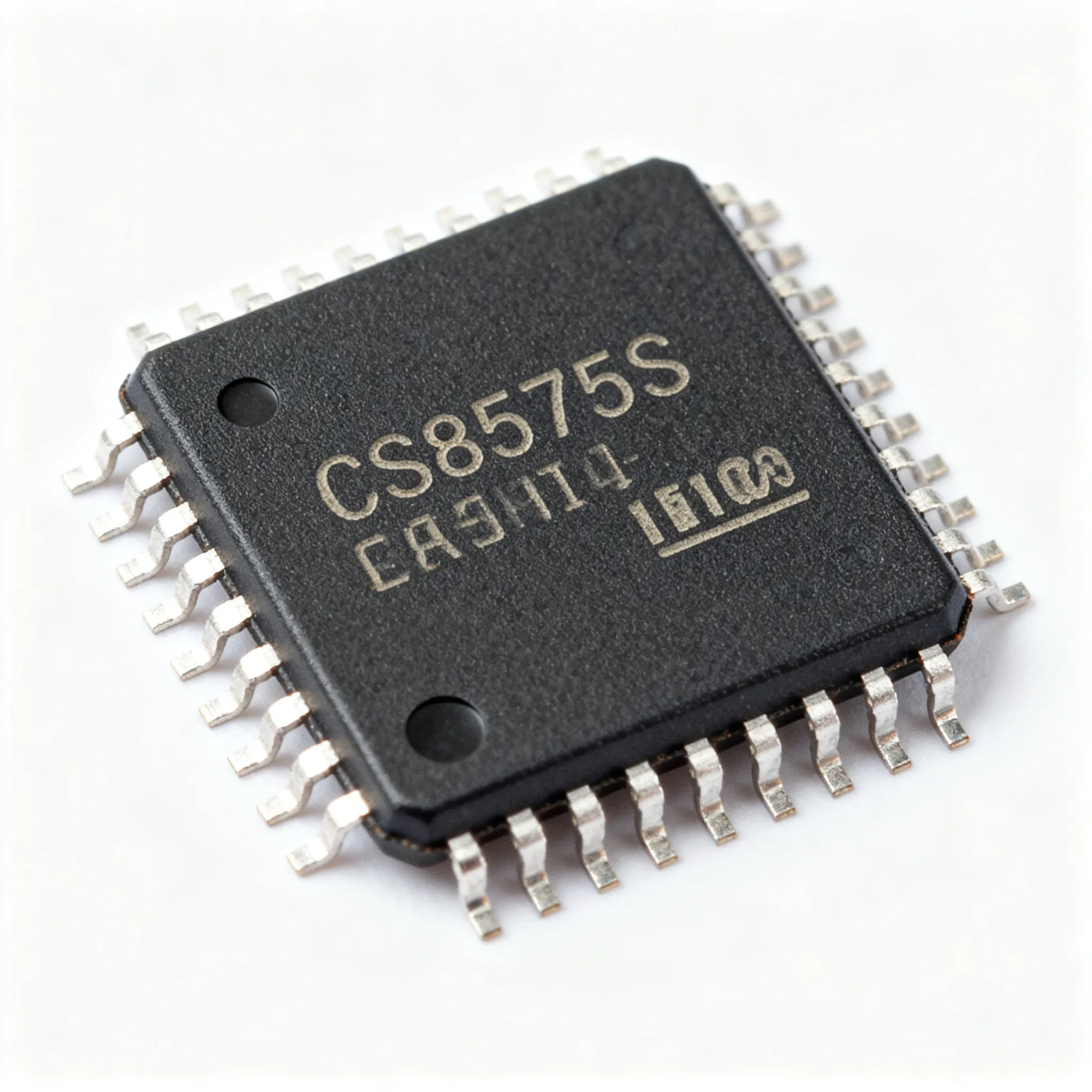
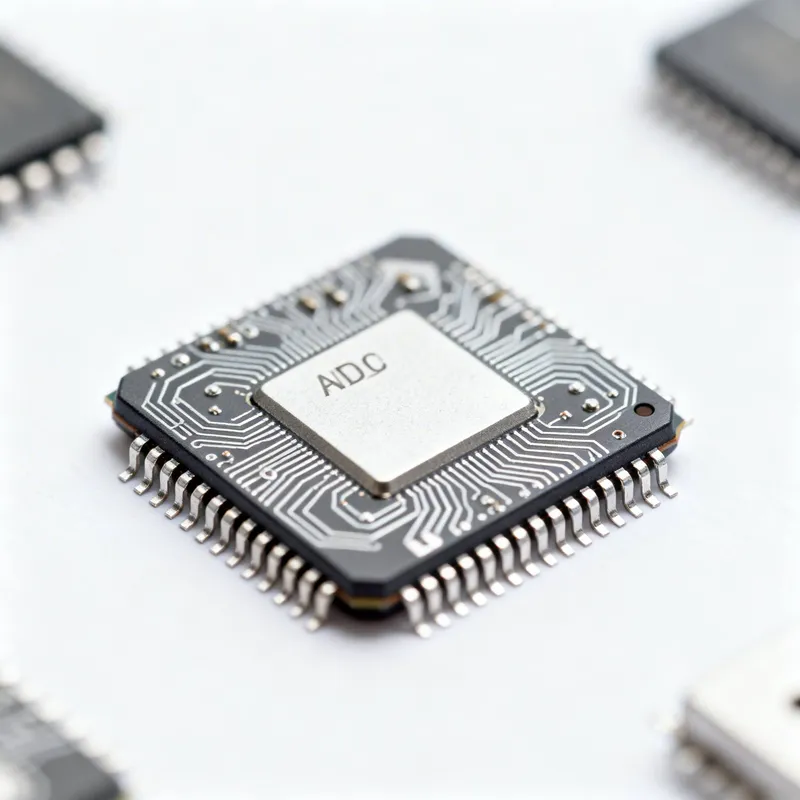
ADC chips convert analog signals into digital data, enabling the processing of real-world inputs by digital systems. The architecture of these chips typically involves sampling the input signal, quantizing it into discrete levels, and encoding it into a digital binary form. Key specifications include resolution, sampling rate, and signal-to-noise ratio (SNR).
Key Specifications Table
| Specification | Description |
|---|---|
| Resolution | 12-bit to 24-bit, higher resolution allows more precise measurements |
| Sampling Rate | Up to 5 GS/s, important for high-frequency applications |
| SNR | Up to 120 dB, higher SNR indicates better signal quality |
| Power Consumption | Low-power options available for portable devices |
Applications & Use Cases
The versatility of ADC chips allows them to be used in a wide range of applications:
- Telecommunications: ADCs are crucial in the conversion of analog voice signals into digital data for transmission over digital networks. The high-speed requirements of 5G technology further emphasize the need for advanced ADC solutions.
- Medical Imaging: In devices such as MRI and ultrasound machines, ADCs digitize analog signals to produce high-resolution images, aiding in accurate diagnosis.
- Automotive Systems: ADCs are used in various sensor applications, such as LiDAR and radar, essential for autonomous driving technologies.
- Consumer Electronics: Audio and video equipment rely on ADCs to convert analog inputs to digital formats, enhancing audio quality and video resolution.
Selection & Sourcing Guide
When selecting an ADC chip, engineers should consider the specific requirements of their application, such as resolution, sampling rate, and power consumption. It's also essential to evaluate the compatibility with other components in the system to ensure seamless integration. For sourcing ADC chips, IC Online offers a comprehensive range of electronic components with competitive pricing and fast delivery options.
FAQ
- What is the primary function of an ADC chip? ADC chips convert analog signals into digital data, allowing digital systems to process real-world inputs.
- Why is resolution important in ADC chips? Higher resolution allows for more precise measurements, which is critical in applications requiring high accuracy.
- How does sampling rate affect ADC performance? A higher sampling rate enables the ADC to capture more data points, which is essential for accurately representing high-frequency signals.
- What factors should be considered when choosing an ADC chip? Key factors include resolution, sampling rate, power consumption, and compatibility with other system components.
- Where can I purchase ADC chips? ADC chips can be sourced from IC Online, which offers a wide selection of components and competitive pricing.