The Future of Electronic Components in Automotive Manufacturing: Trends and Innovations
The car electronics industry, particularly in the realm of electron automotive technology, is changing how cars are made.
The car electronics industry, particularly in the realm of electron automotive technology, is changing how cars are made. These parts help cars work better and bring new ideas. Electric cars now make up 4% of all car sales worldwide. Europe expects this number to grow to over 30% by 2030. Regular cars are the most popular, making up 74.6% of sales. Asia-Pacific sells the most cars, with 43.6% of the market. These changes show how important electronics, including electron automotive systems, are in today’s cars. By using smart systems, car makers are improving safety, connection, and eco-friendliness. This is shaping how we travel in the future.
Key Takeaways
-
Electric cars are growing fast, with sales rising from 4% to over 30% by 2030. This shows how important advanced electronics are in cars today.
-
Safety systems like Advanced Driver Assistance Systems (ADAS) help prevent crashes and save lives. Car companies must invest in these technologies.
-
Cars now often have Wi-Fi and live maps. This means strong cybersecurity is needed to keep user information safe.
-
Self-driving cars are improving quickly, using sensors and AI to make driving safer and easier. Car and tech companies working together will boost this progress.
-
Making cars eco-friendly is important, with recycled materials and energy-saving designs becoming more common for future success.
Automotive Electronics Trends
Electrification and EV Growth
Electric cars are changing how the car industry works. They are no longer rare; more people are buying them now. New electric car sales grew 18.5% in one month. Used electric car sales grew even faster, by 45% in a month. This shows people want cleaner and better ways to travel.
Governments are helping people buy electric cars. They offer money, tax breaks, and rules to cut pollution. Because of this, carmakers need better parts like battery systems and power tools. The car electronics market was worth $321.5 billion in 2022. By 2028, it could grow to $508 billion, with an 8.5% yearly increase.
Electronics now make up 30% to 50% of a car's cost. This shows how important they are for making cars work better.
ADAS and Enhanced Safety Features
New safety systems are making cars safer. These include warnings for crashes, brakes that work automatically, and lane alerts. Studies say these systems can stop many accidents. Crash warnings and auto brakes could stop 29% of crashes. Lane alerts could stop 7%, and blind spot warnings could stop 5%.
These systems could also save lives. Crash warnings and lane alerts might prevent 14% of deaths. Blind spot warnings could save 1%. People want safer cars, so carmakers are spending more on these systems. This also matches government plans to reduce road accidents.
New sensors like LiDAR and radar are helping cars see better. They help cars notice dangers and react quickly. With these systems, cars are becoming safer and more reliable.
Connectivity in Modern Vehicles
Cars today are smarter and more connected than ever. They now have Wi-Fi, live maps, and updates sent online. These features are becoming normal in new cars.
This change is happening because of better tech like IoT. People want cars that connect to phones and other devices easily. This is pushing companies to make better entertainment and communication systems.
Shared rides and connected travel are also growing. In places like China, which leads in car electronics, this is a big trend.
As cars get more connected, keeping them safe from hackers is important. Car companies must protect cars from cyberattacks to keep people safe. Solving these problems will make connected cars even better and change how we drive.
Autonomous Driving Systems
Self-driving systems are changing how cars work. These systems let cars move without needing a driver. You might know features like cruise control or parking assist. In the future, cars will drive themselves in busy places.
Self-driving cars use sensors, cameras, and smart computers. These tools help cars see surroundings, guess movements, and decide quickly. For example, LiDAR makes detailed maps, and AI helps cars drive safely.
Car electronics companies are leading this change. They spend a lot on research to make self-driving systems better. New ideas include smarter learning models, improved sensor teamwork, and safer backup plans.
Self-driving cars aim to stop crashes caused by people. They remove distractions and tiredness, making roads safer. These cars also save energy by choosing better routes and driving patterns.
As this technology grows, car and tech companies will work together more. These partnerships will speed up progress and make self-driving cars common soon.
Sustainability in Automotive Electronics
Making cars eco-friendly is now very important. Car makers need to lower pollution and waste. Using green electronic parts helps save energy and protect the planet.
Here’s how eco-friendly ideas are changing car electronics:
-
Finding Problem Areas: Life Cycle Assessment (LCA) shows where resources are overused. This helps cut pollution.
-
Better Materials: LCA supports using recycled metals to avoid wasting new ones.
-
Less Waste: LCA helps design parts that can be reused instead of thrown away.
-
Saving Energy: LCA finds energy-heavy steps and suggests ways to use less power.
-
Smarter Shipping: LCA checks suppliers and transport to lower emissions.
-
Green Designs: Eco-friendly ideas lead to new products that harm the planet less.
Saving energy and being eco-friendly are not just trends. They are key for the future of car electronics. Green practices help cut costs, follow rules, and meet customer needs for cleaner cars.
Expect more eco-friendly changes in car electronics. From reusable designs to solar energy use, green ideas will keep shaping this industry.
Innovations in Electron Automotive Components
Miniaturized and Lightweight Components
Smaller and lighter electronic components are changing how cars are made. Modern cars need compact parts that work well without adding weight. People want sleek and efficient designs, similar to smartphones and smartwatches.
-
Wearable tech is expected to grow to $160 billion by 2028.
-
Engineers are making smaller parts, especially for RF/wireless features.
-
Tiny servo drives, based on Moore’s Law, are now common.
These smaller parts improve efficiency in areas like robotics and aerospace. In cars, lighter parts help save fuel and lower emissions. This supports eco-friendly goals.
Key Insight: Smaller parts don’t just save space; they make cars greener and better.
Advanced Power Electronics for EVs
Electric cars need advanced power electronics to work efficiently. Inverters and converters manage the electric systems in EVs. New technology has made these parts better, helping EVs perform well and use less energy.
|
Feature |
Improvement |
|---|---|
|
Inverter Efficiency |
|
|
System Efficiency Gain |
Up to 6% |
|
Range Boost |
Up to 2% per 1% gain |
These upgrades cut energy waste, reduce interference, and manage heat better. For example, Hillcrest's ZVS inverter lowers switching losses, making EVs more reliable and cheaper.
Smaller semiconductors allow compact designs for EV systems. This improves efficiency, lowers weight, and boosts EV range and performance.
Pro Tip: Pick EVs with the newest electronic components for better performance and lower costs.
Sensor Technologies for Autonomous Vehicles
Sensors are key for self-driving cars. They help cars "see" surroundings and make quick decisions. Tools like LiDAR, radar, and cameras are vital for safety and reliability.
Modern sensors give detailed data to spot obstacles and predict movements. LiDAR makes 3D maps, while radar works well in bad weather.
These sensors, combined with AI, make self-driving cars smarter. They adapt to changing roads, prevent crashes, and improve driving.
Did You Know? Car companies spend a lot on sensors to make self-driving cars safer and smarter.
Software-Defined Vehicle Platforms
Software-defined vehicles (SDVs) are changing how cars are made. Unlike older cars, where hardware controlled features, SDVs use software. This lets carmakers update, add features, and improve cars without changing parts.
People now want cars to work like smartphones. They expect cars to fit into their digital lives easily. This demand has made carmakers focus on software-based solutions.
The Growth of SDV Platforms
The SDV market is growing fast. Car and tech companies are spending a lot on this technology. The table below shows how the SDV market is expected to grow:
|
Year |
Market Size (USD) |
CAGR (%) |
|---|---|---|
|
2024 |
54.07 billion |
N/A |
|
2025 |
63.72 billion |
N/A |
|
2032 |
N/A |
22.1 |
|
2037 |
740.46 billion |
22.3 |
By 2037, the SDV market could reach $740.46 billion. This growth is due to better high-performance computing (HPC) and software systems.
Partnerships Driving Innovation
Car and tech companies are teaming up to improve SDVs. For example:
-
Renault works with Valeo to make better SDV systems.
-
Their goal is to use HPC systems for smarter, more efficient cars.
These partnerships help carmakers use the latest technology. This keeps their cars competitive in a fast-changing market.
Benefits of SDV Platforms
SDVs have many benefits for both carmakers and drivers:
-
Flexibility: New features or fixes can be added with updates.
-
Cost Efficiency: Software updates save money on hardware changes.
-
Customization: Drivers can adjust features to match their needs.
-
Future-Proofing: SDVs can keep up with new technology over time.
Pro Tip: Pick cars with strong software systems for better value and adaptability.
SDVs are a big step forward in car manufacturing. By focusing on software, carmakers can make smarter cars that fit into your digital world. This makes driving easier and prepares cars for a connected future.
Impact on Automotive Manufacturing
Robotics in Production Lines
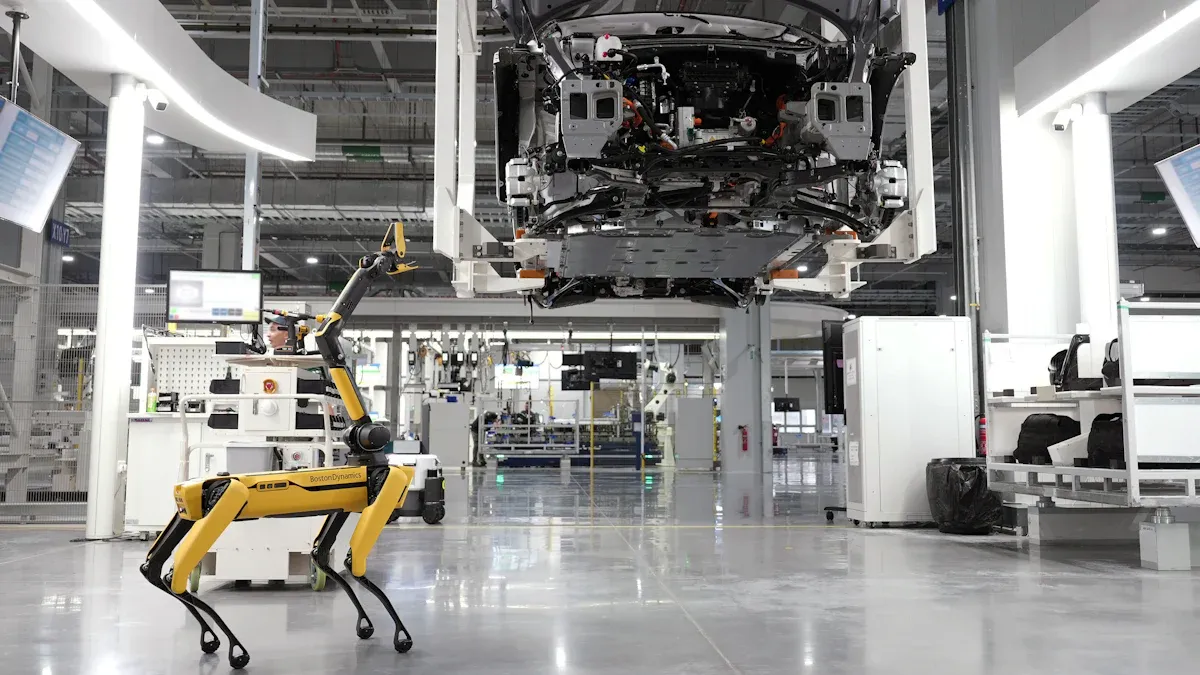
Robots are changing how cars are made. They work nonstop, making production faster and cheaper by up to 30%. Around one million robots are used worldwide, with the car industry leading in automation. Companies plan to spend 25% of their money on automation in the next five years.
Robots make manufacturing more accurate and consistent. They help parts fit better and improve body panel alignment. Surface finishes have fewer flaws, and welds are stronger and more even. Robots also make assembly more precise, so cars pass quality checks the first time. These improvements lead to happier customers because cars are built better and last longer.
Tip: Using robots saves money and improves car quality.
3D Printing for Electronic Components
3D printing is changing how car electronics are made. It allows quick prototyping and custom designs, making production faster and reducing waste. This eco-friendly method helps create complex parts easily.
For car electronics, 3D printing makes lightweight and detailed parts. It produces items like circuit boards, connectors, and housings with great accuracy. This speeds up new car designs and makes manufacturing more flexible.
Note: 3D printing helps manufacturers create better designs while staying green.
AI-Driven Quality Control
AI is improving how car defects are found and fixed. It reduces defect rates by 30%, as seen in a factory making car seats. AI tools spot tiny flaws better than older methods.
AI studies large amounts of data to keep quality consistent. It finds patterns and predicts problems, helping fix issues before they happen. This makes car electronics more reliable and improves vehicle performance overall.
Pro Tip: AI reduces defects and makes production smoother for better results.
Modular Manufacturing Processes
Modular manufacturing is changing how cars are made. It uses pre-made parts, called modules, to build vehicles. This method makes assembly easier, saves money, and allows quick changes in production.
Key Benefits of Modular Manufacturing
-
Efficiency Boost: Pre-made modules make assembly faster and reduce mistakes.
-
Cost Savings: Using standard parts cuts waste and lowers costs.
-
Flexibility: Factories can adjust quickly to new models or demands.
Tip: Modular manufacturing helps carmakers keep up in a fast-moving industry.
How Modular Manufacturing Works
In this process, cars are built using ready-made modules. These modules include important systems like the engine, electronics, or chassis. Instead of making each part separately, factories combine modules to create the final car.
For example:
|
Module |
Function |
|---|---|
|
Engine Module |
Powers the car |
|
Electronics Module |
Controls safety and connectivity |
|
Chassis Module |
Supports the car's structure |
This method makes production simpler and quicker.
Industry Adoption
Car companies around the world are using modular manufacturing. For instance, Volkswagen uses this system to make different car models on one production line. This approach saves time and increases efficiency.
Did You Know? Volkswagen cut production costs by 20% with modular platforms.
Future Outlook
Modular manufacturing will become even more important. As cars get smarter, this method will help add new technology faster. It allows innovation while keeping costs manageable.
Pro Insight: Modular manufacturing is essential for creating advanced, flexible cars.
Challenges and Opportunities
Semiconductor Supply Chain Issues
The shortage of semiconductors has slowed car production worldwide. You might have seen delays in getting new cars or higher prices. This problem comes from the rising need for chips in modern cars. These chips are important for safety, connection, and performance.
-
Car production dropped 26% globally in early 2021 due to chip shortages.
-
Experts predict a 3% rise in car production for 2023, showing slow recovery.
-
Europe, the worst-hit area, may see a 5% production increase this year.
These problems show the need for better supply chains and creative ideas. Companies are teaming up with chipmakers and building local factories to rely less on foreign suppliers.
Tip: Making chips locally can improve supply chains and help car innovation.
Cybersecurity in Connected Vehicles
Connected cars make driving easier but also bring security risks. You might not know how much data your car collects, like where you go and how you drive. If hackers get this data, it could lead to theft or spying.
-
Cyber risks in connected cars can cause physical harm, like remote control by hackers.
-
Dangers include turning cars into weapons or damaging infrastructure.
Car makers are working hard to keep drivers safe. They use encryption, secure updates, and systems to detect hacking attempts.
Note: Picking cars with strong security features keeps you safe and private.
Emerging Market Opportunities
The car electronics market is growing fast because of new tech and changing customer needs.
|
Evidence Type |
Description |
|---|---|
|
Market Growth Drivers |
More people want advanced tech in their cars. |
|
Rise of Electric Vehicles |
EVs need smart systems for managing power and batteries. |
|
Demand for Autonomous Vehicles |
Self-driving cars need cameras and radar systems. |
|
Technological Advancements |
Tools like IoT, AI, and sensors are expanding the market. |
|
Opportunities for Smart Technologies |
Features like driver assistance and smart systems are in demand. |
Expect more chances in growing markets as car makers focus on EVs and self-driving cars. These trends need advanced parts, giving suppliers and manufacturers room to grow.
Pro Insight: Investing in smart systems and EV tech helps you succeed in the future of car innovation.
Collaboration Between Automotive and Tech Industries
Car and tech companies are working together to change transportation. This teamwork is bringing new ideas to car safety, entertainment, and electric vehicles. Because of this, cars are becoming smarter, safer, and more connected.
Why Collaboration Matters
The market for car electronics is growing fast. People want better safety systems (ADAS) and more electric cars (EVs). By 2024, this market could be worth $342.55 billion. By 2033, it might grow to $602.28 billion. This shows how important technology is for meeting what people want in cars.
Note: Car and tech partnerships are key to making driving better for you.
Real-World Examples
Car makers are teaming up with tech companies to create cool features. For example, Mercedes-Benz, Tencent, and Electronic Arts are adding the Need for Speed™: Assemble game to cars in China by 2024. This shows how in-car entertainment is growing because of new technology and what people want.
Safety is also improving thanks to these partnerships. Road deaths in the U.S. dropped from 43,230 in 2021 to about 40,990 in 2023. This proves that ADAS is helping make cars safer for everyone.
The Road Ahead
More teamwork between car and tech companies is coming. They will focus on adding artificial intelligence, IoT, and cloud systems to cars. Together, they are building a future where cars are smart and adjust to your needs.
Pro Insight: Car and tech teamwork is creating safer, smarter, and more fun driving experiences.
Future Outlook for Automotive Electronics
Solid-State Batteries and Power Systems
Solid-state batteries are a big step forward for cars. They store more energy, helping electric cars go farther. Fewer batteries are needed, which makes cars lighter and better. Adding a little liquid improves these batteries while keeping them safe. This solves old problems and makes them ready for more use.
Car makers are already testing these new batteries. They charge faster and last longer, making them perfect for future electric cars. As this technology spreads, cars will become more dependable and eco-friendly. This matches global goals for a cleaner planet.
Expansion of Connected Vehicle Ecosystems
Connected cars are changing how we travel. These cars use smart electronics to link with other systems. The market for connected cars is growing fast. It’s expected to grow 13.4% each year from 2023 to 2030. By 2030, it could be worth $243.75 billion, up from $101.20 billion in 2023.
Key Trends Behind Growth:
-
More people want live maps and instant communication.
-
Cars now have smarter features thanks to IoT technology.
-
Self-driving tech is becoming more popular.
Connected cars are making driving easier and safer. Features like traffic updates, remote checks, and online updates are common now. These changes show how important connectivity is for modern cars.
Sustainability and Circular Economy
Making cars eco-friendly is now a top priority. Companies are reusing materials and cutting waste to save resources. You’ll see more recycled parts in car electronics, which helps the environment.
Key Green Practices:
-
Making parts that can be reused or recycled.
-
Using less energy during production.
-
Choosing eco-friendly suppliers and shipping methods.
Car makers are also adding solar-powered systems to cars. These ideas lower pollution and meet the demand for greener cars. By focusing on sustainability, the car industry is building a cleaner future for everyone.
Industry 4.0 and Advanced Manufacturing
Industry 4.0 is changing how cars are made. It uses smart tools and faster methods to improve factories. You might know about IoT, AI, and robots. These technologies help factories work better and solve problems quickly.
Key Features of Industry 4.0 in Automotive Manufacturing
-
Smart Factories: Machines and tools share data using IoT. This helps factories find and fix problems early.
-
AI-Powered Decision Making: AI studies data to improve workflows. It predicts repairs and avoids delays.
-
Robotics and Automation: Robots do simple tasks with great accuracy. This lets workers focus on harder jobs.
Tip: Using Industry 4.0 tools can save money and time in factories.
Benefits for Automotive Manufacturing
Industry 4.0 offers many benefits for making cars:
|
Benefit |
Description |
|---|---|
|
Better Productivity |
Automated tools make work faster and reduce mistakes. |
|
Lower Costs |
Predicting repairs saves money and avoids sudden breakdowns. |
|
Eco-Friendly |
Smart systems cut waste and use less energy, helping the planet. |
Real-World Applications
Industry 4.0 is already used in car factories worldwide. For example, BMW tracks parts during assembly with IoT sensors. Tesla uses AI to make better batteries and improve cars. These examples show how advanced tools are changing car production.
Pro Insight: Companies using Industry 4.0 make better cars faster and stay ahead in the market.
Industry 4.0 is the future of car manufacturing. By using smart technologies, factories can make cars that meet today’s needs while improving how they work.
Electronic parts are changing how cars are made and used. They help create smarter, safer, and greener vehicles for everyone. Trends like electric cars, connected systems, and self-driving tech are improving how cars work. These changes also make car factories better and faster. Even though problems like supply chain delays exist, the future looks bright for new ideas. With these technologies, cars will become more efficient, safer, and better for the planet.
FAQ
What are the main benefits of electronics in today’s cars?
Electronics make cars safer, smarter, and more efficient. They power features like safety alerts, electric engines, and smart screens. These upgrades improve driving and help protect the environment.
How do self-driving cars use electronics?
Self-driving cars use sensors, cameras, and smart computers. These tools help cars see obstacles, plan moves, and drive safely. They allow cars to work without a driver.
Why is security important for connected cars?
Connected cars collect data like where you go and how you drive. Security stops hackers from stealing this data or controlling the car. Strong protections keep you safe and private.
What problems do carmakers face with chip shortages?
Chip shortages slow car production and raise prices. To fix this, carmakers work with chip companies and build local factories. This helps ensure enough chips for future cars.
How does modular manufacturing help make cars?
Modular manufacturing uses ready-made parts to build cars faster. This method saves time, cuts costs, and makes it easy to update designs. It helps create better and more advanced cars.