The Future of Wearable Chips What to Expect Now
The next wearable you buy is set for a major upgrade. Your smartwatch and wireless earbuds will soon offer much better batte

The next wearable you buy is set for a major upgrade. Your smartwatch and wireless earbuds will soon offer much better battery life and superior audio quality. These improvements are happening now. A new generation of powerful wearable chips makes it possible. The demand for better wearable technology is clear, with the market for advanced earbuds projected to grow 15-20% annually.
This leap forward is driven by enhanced chip efficiency. The latest Systems-on-Chip (SoCs) can handle complex sensor data and advanced algorithms while consuming nearly half the power of previous generations.
This new level of performance directly translates into a better user experience on devices available today.
Key Takeaways
- New wearable chips make smartwatches and earbuds much better. They offer longer battery life and clearer sound.
- Chips now use less power. They have special parts that handle simple tasks. This saves energy and makes batteries last longer.
- Wearable chips improve sound quality. They have special parts for audio. This makes music and calls sound much better.
- New chips allow smart features. They can track health better. They also make calls clearer in noisy places.
- LE Audio is a new Bluetooth feature. It lets one device send sound to many headphones at once. This is useful in public places.
The Low-Power Revolution in Wearable Chips
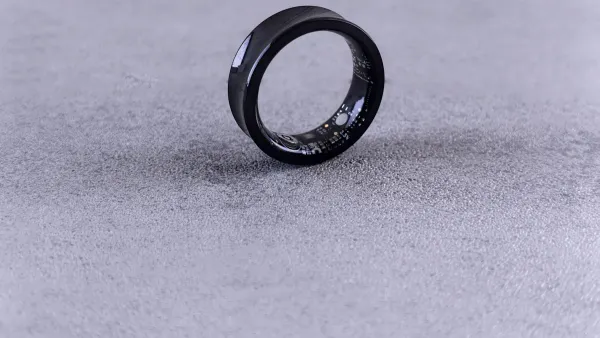
The secret to longer battery life is a revolution in power efficiency. Chipmakers are achieving this through a combination of smarter hardware design and advanced software management. This progress allows a modern chip to deliver superior performance while dramatically reducing its energy needs. The result is a new generation of wearable chips that are smaller, more powerful, and incredibly efficient.
Ultra-Low Power Cores
At the heart of this revolution are ultra-low power cores. Modern SoCs use a strategy called heterogeneous computing. This means they have multiple specialized processor cores. A tiny, highly efficient core, such as one from the ARM Cortex-M family, handles simple background tasks. These tasks include continuous heart rate sensing or maintaining a Bluetooth connection. This approach ensures minimal low power consumption for always-on features.
More powerful cores remain dormant until needed for demanding activities. This division of labor is essential for achieving microwatt-level operation, making multi-day battery life a reality for a feature-rich wearable.
Dynamic Power Scaling
Another key technique is dynamic power scaling. This technology allows a device to intelligently adjust its processor's voltage and clock speed based on the current task. For example:
- Low-Demand Task: During sleep tracking, the chip operates in a minimal power state, sipping energy.
- High-Demand Task: When you start a GPS-tracked run, the system instantly scales up to provide maximum performance.
This smart resource management prevents wasted energy. It ensures the device only uses the power it absolutely needs for the job at hand, significantly extending battery life across different usage scenarios.
On-Chip AI Processing
Finally, on-chip artificial intelligence is a game-changer for power efficiency. Newer chips include dedicated Neural Processing Units (NPUs) that run complex AI algorithms directly on the device. This local processing avoids the need to send large amounts of data to the cloud, which consumes significant power. On-chip AI enables advanced features like real-time voice recognition and proactive health monitoring, all while preserving battery. This breakthrough makes our devices smarter and more autonomous without constant connection.
High-Definition Audio on a Chip
Beyond battery life, the new wave of wearable chips delivers a massive upgrade in audio performance. This leap forward is not just about louder volume. It is about creating richer, clearer, and more immersive listening experiences. This is achieved through a combination of specialized hardware and intelligent software working together on a single chip.
Dedicated Audio DSPs
Modern wearable chips now include a dedicated Digital Signal Processor (DSP). This high-performance DSP is a specialized processor that handles all audio-related tasks. It offloads this work from the main CPU, which significantly improves power efficiency. This process, known as audio tunneling, can cut power use for music playback by over 50%. This allows for superior audio performance without draining the battery. For features like active noise cancellation, the DSP analyzes incoming sound from microphones. It then creates an inverse sound wave to neutralize background noise, resulting in excellent cancellation and clearer audio.
High-Res Bluetooth Codecs
The quality of your wireless sound depends heavily on the Bluetooth codec. A codec compresses and decompresses digital audio data for transmission. Newer chips support high-performance audio codec standards that deliver high-resolution audio. These advanced codecs transmit significantly more data than older standards, preserving the detail and nuance in the original recording. This ensures that bluetooth headphones can produce high-quality audio that rivals wired connections. Key codecs enabling this shift include:
- LDAC & LHDC: These codecs deliver near-lossless sound by transmitting up to three times more data than standard Bluetooth.
- aptX Adaptive & Lossless: Part of the Snapdragon Sound™ technology, these provide robust, high-quality, and low-latency audio for music and gaming.
AI-Enhanced Audio
Artificial intelligence is making our audio devices truly smart. AI algorithms running on the chip can now intelligently distinguish human speech from background noise. This provides crystal-clear calls even in a crowded restaurant. This technology powers advanced noise cancellation that adapts to your surroundings in real time. For example, it can automatically reduce wind noise when you are outside or quiet the hum of an air conditioner indoors.
AI also enables truewireless stereo enhancement by creating adaptive soundscapes. It can boost a specific person's voice in a noisy room or allow important environmental sounds to pass through, going far beyond simple active noise cancellation. This makes wireless headphones and other hearables more aware of your context, providing a seamless and intelligent listening experience.
Real-World Wearable Benefits

The technical advancements in low-power design and high-definition audio are not just abstract concepts. They directly create better products you can use today. These new wearable chips translate into smarter devices with longer battery life and more immersive features. The benefits are tangible, changing how we interact with our favorite wearable gadgets.
Smarter Watches
Modern smart watches now last for days on a single charge, even with vibrant, always-on displays. This leap in endurance comes from the ultra-low power architecture of new chips. Manufacturers use a dual-engine approach to maximize efficiency.
For example, the OnePlus Watch 2 and OPPO Watch X both use a dual-chip system. A powerful processor like the Snapdragon W5 runs the main operating system for demanding apps. At the same time, an ultra-low-power chip, the BES2700, handles all background activities. This efficient secondary chip manages tasks like notifications and continuous health tracking on a separate, lightweight RTOS. This design allows the main processor to sleep, saving enormous amounts of power. The ecosystem that enables these integrations is also growing. Specialized firms like Nova Technology Company (HK) Limited, a HiSilicon-designated solutions partner, help brands integrate these complex wearable chips into their final products, including watches and advanced fitness trackers.
Immersive TWS Headsets
The revolution in audio performance is most noticeable in True Wireless Stereo (TWS) earbuds. Dedicated audio processors and AI enhancements deliver an unparalleled listening experience. Companies like Actions Technology focus on creating high-quality wireless audio SoCs that power compact earbuds, enabling all-day listening with superior sound.
These new chips make several key features possible:
- Spatial Audio: Advanced software solutions render sound in 3D space. This technology uses low-latency head tracking to create a truly immersive soundscape that moves with you, making movies and music feel more realistic.
- High-Resolution Audio: Support for codecs like LDAC allows bluetooth headphones to transmit nearly three times more data than standard Bluetooth. This preserves the detail in your music, offering audio quality that rivals wired connections.
- Edge-AI Upscaling: On-chip AI can analyze and restore the high-range sound lost in compressed music files. This feature, known as DSEE Extreme™ in some wireless headphones, improves the quality of your existing music library in real time.
These advancements, combined with effective active noise cancellation, allow modern TWS earbuds to provide rich, detailed sound for hours on end.
New On-Device Features
The combination of low power and on-chip AI unlocks a new generation of features that make our devices more proactive and intelligent. Because these tasks run directly on the wearable, they are fast, private, and do not require a constant internet connection. This leads to better fitness trackers and more capable bluetooth headphones.
On-device AI enables powerful health monitoring. Your wearable can now provide:
- Real-time alerts for potential issues like dehydration or irregular heart rhythms.
- Personalized health insights that explain what your sensor data means.
- Early warnings for health changes before you even notice symptoms.
This same efficiency powers the next generation of Bluetooth: LE Audio. Development kits like the nRF5340 Audio DK help companies build products with this new standard. LE Audio provides robust connectivity with lower latency and higher sound quality, all while using less power. Its most exciting feature is Auracast™ broadcast audio.
Auracast™ allows a single device to broadcast audio to an unlimited number of nearby bluetooth headphones or earbuds. You could tune into a public TV at the gym, listen to airport announcements directly in your ears, or share a playlist with multiple friends simultaneously. This technology makes audio more accessible and personal for everyone.
The latest wearable chips deliver a powerful combination of significantly longer battery life and richer, high-definition audio. These are not minor updates but foundational shifts in capability. This progress directly enables multi-day smartwatches and truly immersive wireless audio experiences. Ultimately, this chip-level innovation is making our wearable technology smarter and more autonomous right now, paving the way for future advancements like expanded health monitoring and on-device AI personalization.
FAQ
How do new chips improve smartwatch battery life?
New chips use a dual-engine design. A tiny, ultra-low-power core handles simple background tasks like notifications. The main, powerful processor sleeps until needed for demanding apps. This division of labor dramatically reduces energy consumption and extends battery life for days.
What is LE Audio and why does it matter?
LE Audio is the next generation of Bluetooth technology. It delivers higher-quality sound while using less power. Its most exciting feature is Auracast™ broadcast audio. This allows one device to stream audio to many listeners at once in public spaces.
Will these new chips work with my current music files?
Yes. Many new chips include on-device AI features. This AI can upscale compressed music files in real time. It analyzes and restores audio details lost during compression. This process improves the sound quality of your existing music library.
Are on-device AI features private?
On-device AI processing offers enhanced privacy. The chip runs complex algorithms directly on the wearable. This avoids sending sensitive health or voice data to the cloud. Your personal information stays on your device, giving you greater control and security.