Understanding Key Automotive Electronics Parts for 2025
Have you ever wondered what makes modern vehicles so advanced? Automotive electronics parts are at the heart of it all, transforming cars into smart machines. From essential electronic parts like sensors to advanced systems like electronic control units (ECUs), these components are shaping the future of driving.

Have you ever wondered what makes modern vehicles so advanced? Automotive electronics parts are at the heart of it all, transforming cars into smart machines. From essential electronic parts like sensors to advanced systems like electronic control units (ECUs), these components are shaping the future of driving.
The automotive industry is evolving fast. By 2033, the market for automotive electronic components is expected to hit $80 billion, fueled by innovations like ADAS and electronic stability control. These technologies not only enhance safety but also improve vehicle efficiency. Staying updated on these advancements is essential as we approach 2025. After all, understanding these electronic parts empowers you to make smarter choices for your car.
Key Takeaways
-
ECUs are like your car's brain, controlling safety and efficiency.
-
Sensors collect information, and actuators act to improve safety and performance.
-
Infotainment systems let you use GPS and play music for fun drives.
-
ADAS uses tech to watch the road and avoid accidents quickly.
-
BMS keeps electric car batteries safe and working well.
-
Telematics gives live info for maps and car checks, making driving easier.
-
Updating and fixing car electronics helps them last longer and work better.
-
Learning about new tech like 5G and V2X can make your car safer and ready for the future.
Overview of Key Automotive Electronics Parts
Electronic Control Units (ECUs)
Electronic Control Units (ECUs) are like the brain of your car. They manage and control various systems, ensuring everything runs smoothly. Think of ECUs as multitaskers—they interpret data from sensors, adjust engine functions, and even monitor emissions to keep your vehicle eco-friendly. Modern ECUs use advanced strategies like closed-loop fuel control to meet strict emission standards. This helps reduce harmful pollutants while keeping your car compliant with environmental regulations.
These components communicate through the CAN protocol, which prioritizes critical messages. For example, safety systems like ABS and ESC get top priority, ensuring your car responds instantly in emergencies. ECUs also play a key role in optimizing engine performance. They analyze sensor data, tweak the air-fuel mixture, and make adjustments to maintain efficiency. Without ECUs, modern vehicles wouldn’t be as safe, efficient, or environmentally friendly.
"A vehicle rolling off the production line will be the first time that specific configuration was tested," says Andy Whydell, ZF’s Vice President of Product Planning for Vehicle Systems. This highlights the complexity and importance of ECUs in automotive technology.
Sensors and Actuators
Sensors and actuators are the unsung heroes of automotive electronics parts. Sensors gather data from your car’s surroundings, while actuators turn that data into action. For instance, sensors detect engine temperature, speed, and even nearby obstacles. Actuators then use this information to adjust the throttle, activate brakes, or control the air conditioning system.
These components are vital for safety and efficiency. Imagine driving on a rainy day—your car’s sensors detect slippery roads and send signals to the actuators, which adjust the braking system to prevent skidding. This seamless interaction between sensors and actuators keeps you safe without you even noticing.
The demand for sensors is skyrocketing, driven by trends like ADAS and electric vehicles. The automotive electronics IC market is projected to hit $50 billion by 2025, growing at a CAGR of 8% through 2033. Enhanced safety features and in-car connectivity are fueling this growth, making sensors and actuators more important than ever.
Infotainment and Connectivity Systems
Infotainment systems are where entertainment meets navigation. These systems keep you connected while you’re on the road, offering features like GPS navigation, music streaming, and hands-free calling. They’ve evolved into sophisticated hubs that integrate with your smartphone, giving you access to apps and real-time updates.
Connectivity systems go beyond entertainment. They enable communication between your car and external networks, paving the way for technologies like Vehicle-to-Everything (V2X). This means your car can talk to other vehicles, traffic lights, and even pedestrians, enhancing safety and efficiency.
The reliability of these systems is critical. In 2019, 15 million vehicles were recalled for electronic component defects, with half involving software-based issues. Manufacturers now adhere to strict quality standards like IATF 16949 to ensure infotainment systems are robust and reliable. As automotive technology advances, these systems will become even more integral to your driving experience.
Advanced Driver Assistance Systems (ADAS)
Advanced driver assistance systems are transforming how you experience safety on the road. These systems use cutting-edge technology to help you avoid accidents and make driving easier. From automatic emergency braking to adaptive cruise control, ADAS is like having a co-pilot that’s always alert.
Here’s how these systems work:
-
Sensors and Cameras: They monitor your surroundings, detecting obstacles, lane markings, and even pedestrians.
-
ECUs: These components process the data and decide how the system should respond.
-
Actuators: They take action, like applying the brakes or adjusting the steering.
Imagine you’re driving on a busy highway. Your car’s lane-keeping assist system gently nudges the steering wheel to keep you centered. Or, if a vehicle suddenly stops ahead, the forward collision warning alerts you, and the automatic braking system kicks in. These features don’t just make driving safer—they also reduce stress.
Tip: Regularly check your ADAS features to ensure they’re calibrated correctly. Misaligned sensors can affect performance.
As we move toward 2025, advanced driver assistance systems will become even smarter. Expect to see more integration with artificial intelligence, allowing your car to predict and react to situations faster than ever.
Battery Management Systems (BMS)
If you drive an electric or hybrid vehicle, the battery management system is your car’s lifeline. It ensures your battery operates efficiently and safely, extending its lifespan and optimizing performance. Without a reliable BMS, your vehicle’s battery could overheat, degrade quickly, or even fail.
A BMS performs several critical tasks:
-
Monitoring: It tracks the battery’s voltage, temperature, and state of charge.
-
Balancing: It ensures all battery cells charge and discharge evenly.
-
Protection: It prevents overcharging, overheating, and short circuits.
Think of it as the guardian of your car’s power source. For example, if the system detects that one cell is overheating, it will adjust the current flow to protect the entire battery pack. This not only keeps your car running smoothly but also ensures your safety.
Note: To get the most out of your battery, avoid frequent deep discharges. Keeping the charge level between 20% and 80% can significantly extend its life.
With the rise of electric vehicles, BMS technology is advancing rapidly. By 2025, you’ll see systems that offer real-time diagnostics and predictive maintenance, making electric cars even more reliable.
Telematics and Communication Modules
Telematics and communication modules are the backbone of connected cars. They enable your vehicle to communicate with external networks, providing real-time data and enhancing your driving experience. Whether it’s GPS navigation, remote diagnostics, or emergency assistance, these systems keep you connected.
Here’s what telematics can do for you:
-
Navigation: Get real-time traffic updates and route suggestions.
-
Vehicle Tracking: Monitor your car’s location, which is especially useful for fleet management.
-
Diagnostics: Receive alerts about potential issues before they become major problems.
For instance, if your car detects a mechanical issue, the telematics system can send the data to your service provider. They’ll know what’s wrong before you even arrive at the repair shop. This saves time and ensures your car gets the right care.
Fun Fact: By 2025, telematics systems will integrate with 5G networks, offering faster and more reliable connectivity.
As automotive technology evolves, telematics will play a crucial role in enabling Vehicle-to-Everything (V2X) communication. This means your car will interact with traffic lights, other vehicles, and even pedestrians, making roads safer and more efficient.
Lighting and Display Systems
When was the last time you thought about your car’s lights or dashboard displays? Probably not often, right? But these systems do more than just light up the road or show your speed. They’re evolving into high-tech tools that enhance safety, improve visibility, and even make driving more enjoyable.
Smarter Lighting for Safer Roads
Modern automotive lighting systems have come a long way from traditional halogen bulbs. Today, you’ll find advanced technologies like LED, OLED, and laser headlights. These aren’t just brighter—they’re smarter. Adaptive headlights, for example, adjust their beam direction based on your steering angle. This means you can see around corners before you even turn.
Here’s why these innovations matter:
-
Improved Visibility: LED and laser lights illuminate the road more effectively, especially in poor weather.
-
Energy Efficiency: LEDs consume less power, which is great for electric vehicles.
-
Enhanced Safety: Adaptive lighting reduces glare for oncoming drivers, making roads safer for everyone.
Tip: If your car has adaptive headlights, keep them clean and properly aligned. Dirt or misalignment can reduce their effectiveness.
Displays That Do More Than Show Data
Gone are the days of simple speedometers and fuel gauges. Today’s vehicles feature digital instrument clusters, head-up displays (HUDs), and even augmented reality (AR) systems. These displays don’t just look cool—they keep you informed without distracting you.
Imagine this: You’re driving on a busy highway, and your HUD projects navigation directions directly onto the windshield. You don’t need to glance at your phone or dashboard. Everything you need is right in your line of sight. AR displays take it a step further by highlighting hazards, like a pedestrian crossing the street, in real-time.
Here’s what makes modern displays so impressive:
-
Customization: Digital clusters let you choose what information to see, from speed to navigation.
-
Safety: HUDs reduce the need to look away from the road.
-
Integration: Many systems sync with your smartphone, giving you access to calls, messages, and apps.
Fun Fact: By 2025, AR displays are expected to become standard in many mid-range vehicles, not just luxury models.
The Future of Lighting and Displays
The next wave of innovation is already here. Matrix LED systems can create dynamic light patterns, like projecting lane markings or warning symbols onto the road. Meanwhile, micro-LED technology promises sharper, more vibrant displays with lower energy consumption.
Here’s a quick look at what’s coming:
|
Technology |
What It Does |
Why It Matters |
|---|---|---|
|
Matrix LEDs |
Projects patterns or symbols on roads |
Enhances communication and safety |
|
Micro-LED Displays |
Offers sharper visuals with less power |
Ideal for electric vehicles |
|
Dynamic Taillights |
Changes patterns during braking |
Improves visibility for drivers |
These advancements aren’t just about aesthetics. They’re about making driving safer, more efficient, and more enjoyable for you.
Note: As lighting and display systems become more advanced, regular maintenance is key. Check for software updates and ensure all components are functioning properly.
So, the next time you’re behind the wheel, take a moment to appreciate your car’s lights and displays. They’re not just there to look good—they’re working hard to keep you safe and informed. And as we move toward 2025, these systems will only get smarter and more capable. Exciting, isn’t it?
Functionalities and Innovations in Automotive Electronic Components
Optimizing Performance with ECUs
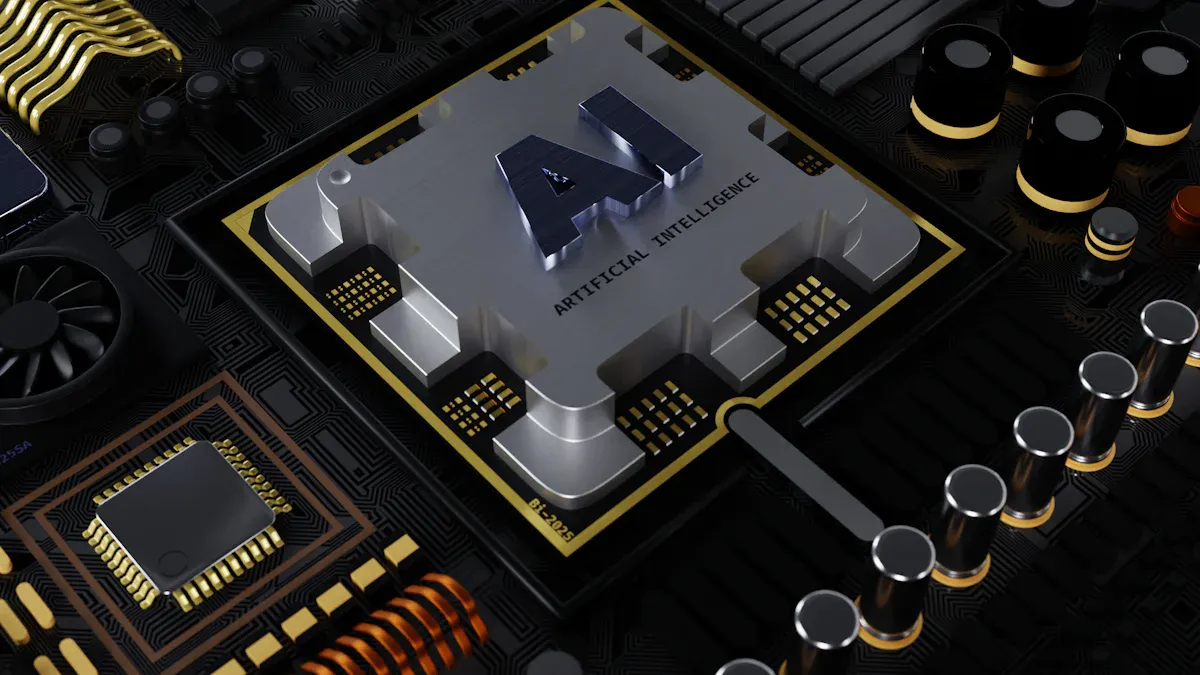
Electronic Control Units (ECUs) are the masterminds behind your car’s performance. They analyze data from various components and make real-time adjustments to ensure everything runs smoothly. Whether it’s optimizing fuel delivery or tweaking engine timing, ECUs are always working to keep your vehicle efficient and powerful.
You might wonder, how does this translate into real-world benefits? Here’s what ECUs can do:
-
Fleet operators using predictive maintenance systems have reported a 30-50% reduction in unexpected breakdowns.
-
Commercial vehicle fleets have seen a 12-18% improvement in fuel efficiency by leveraging ECU-driven analytics.
-
Repairing or upgrading ECUs can lead to power gains of 10-30% or more, while also improving fuel consumption through precise fuel delivery.
Imagine driving a car that adjusts itself to give you the best possible performance every time. That’s the magic of ECUs. They don’t just make your car faster or more efficient—they also help reduce wear and tear, saving you money in the long run.
Enhancing Safety and Efficiency with Sensors
Sensors are the eyes and ears of modern vehicles. They gather critical data about your car and its surroundings, ensuring that every system operates at its best. From monitoring tire pressure to detecting nearby obstacles, sensors play a vital role in keeping you safe and your car efficient.
The impact of sensors on the automotive industry is undeniable. Take a look at these stats:
|
Evidence Type |
Description |
|---|---|
|
Market Growth |
The automotive sensors market has shown a CAGR of 10.1%, reaching $21.0 billion in 2022. |
|
ADAS Growth |
Level 2 ADAS is expected to grow by 30% annually until 2025 due to regulations. |
Beyond the numbers, sensors are making a difference in real life. For example, the European Commission’s eCall initiative uses sensor technology to provide real-time feedback during emergencies, reducing accident rates. Similarly, DriveWell by Cambridge Mobile Telematics uses smartphone data to give personalized driving feedback, helping drivers adopt safer habits.
When you think about it, sensors are like silent guardians. They work behind the scenes, ensuring your car responds to challenges before you even notice them. That’s why they’re indispensable in auto electronic systems.
Infotainment Systems: Merging Entertainment and Navigation
Infotainment systems have come a long way from basic radios. Today, they’re the hub of in-car entertainment and navigation, seamlessly blending functionality with fun. These systems let you stream music, make hands-free calls, and navigate with real-time traffic updates—all from a single interface.
What makes modern infotainment systems so special? It’s their ability to connect with your smartphone and other devices. This integration gives you access to apps, messages, and even voice assistants like Siri or Alexa. You can control everything with a simple voice command, keeping your hands on the wheel and your focus on the road.
But it’s not just about convenience. Infotainment systems are also paving the way for smarter cars. They’re the backbone of technologies like Vehicle-to-Everything (V2X) communication, which allows your car to interact with traffic lights, other vehicles, and even pedestrians. This connectivity enhances safety and efficiency, making your driving experience smoother and more enjoyable.
Tip: Keep your infotainment system updated with the latest software. Updates often include new features and security patches, ensuring your system stays reliable.
As we move toward 2025, expect infotainment systems to become even more advanced. Features like augmented reality navigation and personalized driving profiles are just around the corner. It’s an exciting time to be behind the wheel!
ADAS: Revolutionizing Vehicle Safety
Advanced driver-assistance systems are changing how you think about safety on the road. These systems use cutting-edge technology to help you avoid accidents and make driving less stressful. They act like an extra set of eyes, constantly scanning your surroundings and reacting faster than you ever could.
Here’s how it works: sensors and cameras gather data about your environment. ECUs process this information and decide what action to take. For example, if a car suddenly stops in front of you, the system might apply the brakes automatically. It’s like having a co-pilot who’s always alert.
Some popular ADAS features include:
-
Lane-Keeping Assist: Keeps your car centered in its lane.
-
Blind Spot Monitoring: Alerts you to vehicles you can’t see.
-
Adaptive Cruise Control: Maintains a safe distance from the car ahead.
These components don’t just make driving safer—they also make it more enjoyable. You can focus on the road without worrying about every little detail. As we move toward 2025, expect these systems to become even smarter, thanks to advancements in artificial intelligence.
Tip: Regularly check your ADAS calibration. Misaligned sensors can reduce its effectiveness.
Managing Electric Vehicle Batteries with BMS
If you drive an electric vehicle, the battery management system is your car’s unsung hero. It ensures your battery operates efficiently and safely, extending its lifespan and keeping your car running smoothly. Without it, your battery could overheat, degrade, or even fail.
A BMS performs three key tasks:
-
Monitoring: Tracks the battery’s voltage, temperature, and charge level.
-
Balancing: Ensures all cells charge and discharge evenly.
-
Protecting: Prevents overcharging, overheating, and short circuits.
Imagine this: you’re on a long road trip, and your BMS detects that one cell is overheating. It adjusts the current flow to protect the entire battery pack. This not only keeps your car running but also ensures your safety.
Note: To extend your battery’s life, avoid letting it drop below 20% or charge above 80% too often.
By 2025, BMS technology will include real-time diagnostics and predictive maintenance. This means fewer surprises and more peace of mind for you.
Real-Time Connectivity with Telematics Systems
Telematics systems are the backbone of connected cars. They allow your vehicle to communicate with external networks, providing real-time data that enhances your driving experience. Whether it’s navigation, diagnostics, or emergency assistance, these systems keep you informed and in control.
Here’s what telematics can do for you:
-
Navigation: Get real-time traffic updates and the fastest routes.
-
Diagnostics: Receive alerts about potential issues before they become major problems.
-
Emergency Assistance: Automatically call for help in case of an accident.
For example, if your car detects a mechanical issue, the telematics system can send the data to your service provider. They’ll know what’s wrong before you even arrive at the repair shop. This saves time and ensures your car gets the right care.
Fun Fact: By 2025, telematics systems will integrate with 5G networks, offering faster and more reliable connectivity.
As automotive technology evolves, telematics will play a crucial role in enabling Vehicle-to-Everything (V2X) communication. This means your car will interact with traffic lights, other vehicles, and even pedestrians, making roads safer and more efficient.
Advanced Lighting Systems for Modern Vehicles
Have you ever thought about how much your car’s lighting impacts your driving experience? Modern lighting systems do more than just brighten the road ahead. They’re smarter, safer, and designed to make your time behind the wheel more enjoyable.
Smarter Headlights for Safer Driving
Today’s vehicles come equipped with advanced lighting technologies like LEDs, laser lights, and adaptive headlights. These aren’t your old-school halogen bulbs. They’re brighter, last longer, and consume less energy. But what really sets them apart is their intelligence.
For example, adaptive headlights adjust their beam direction based on your steering. Turning a corner? The lights follow your movement, illuminating the road ahead before you even get there. This feature is especially helpful on dark, winding roads.
Tip: If your car has adaptive headlights, keep them clean and aligned. Dirt or misalignment can reduce their effectiveness.
Laser headlights take things up a notch. They can project light up to 600 meters ahead, giving you more time to react to obstacles. Plus, they’re incredibly energy-efficient, which is great for electric vehicles.
Tail Lights That Communicate
Modern taillights aren’t just about visibility. They’re designed to communicate with other drivers. Dynamic taillights, for instance, use moving light patterns to signal braking or turning. This makes your intentions clearer and reduces the chances of accidents.
Some cars even feature matrix LED systems that can project warning symbols onto the road. Imagine your car alerting the driver behind you about sudden braking or slippery conditions. Pretty cool, right?
Displays That Keep You Informed
Lighting isn’t limited to the outside of your car. Inside, digital displays and head-up displays (HUDs) are transforming how you interact with your vehicle. HUDs project critical information—like speed and navigation—directly onto your windshield. You don’t have to take your eyes off the road.
Fun Fact: By 2025, augmented reality (AR) displays will become more common. They’ll highlight hazards, like pedestrians or road signs, in real-time.
The Future of Automotive Lighting
The next wave of innovation is already here. Technologies like micro-LEDs promise sharper visuals with lower energy use. Meanwhile, adaptive high beams can automatically dim parts of the light to avoid blinding oncoming drivers.
|
Technology |
What It Does |
Why It Matters |
|---|---|---|
|
Matrix LEDs |
Projects patterns or symbols on roads |
Enhances communication and safety |
|
Micro-LED Displays |
Offers sharper visuals with less power |
Ideal for electric vehicles |
|
Dynamic Taillights |
Changes patterns during braking |
Improves visibility for drivers |
So, the next time you’re driving at night, take a moment to appreciate your car’s lights. They’re not just there to help you see—they’re working hard to keep you safe and connected. And as we move toward 2025, lighting systems will only get smarter and more capable. Exciting, isn’t it?
Emerging Trends and Technologies in Automotive Electronics for 2025
Vehicle-to-Everything (V2X) Communication
Imagine a world where your car can "talk" to everything around it—other vehicles, traffic lights, and even pedestrians. That’s the promise of Vehicle-to-Everything (V2X) communication. This cutting-edge system is revolutionizing how modern vehicles interact with their environment, making roads safer and traffic flow smoother.
V2X communication works by enabling real-time data exchange between your car and its surroundings. For example, if there’s a sudden hazard ahead, like a stalled vehicle, your car receives an alert instantly. This gives you more time to react and avoid potential accidents. It’s like having a sixth sense on the road.
Here’s what makes V2X so impactful:
-
Collision Alerts: Warns you about potential crashes before they happen.
-
Intersection Management: Helps vehicles navigate busy intersections more efficiently.
-
Road Hazard Alerts: Notifies you of obstacles or dangerous conditions ahead.
-
Emergency Messaging: Ensures quick communication during critical situations.
Fun Fact: V2X communication relies on 5G networks to deliver ultra-fast and reliable connections. This technology is key to making smart cities a reality.
Research shows that cooperative perception through V2X improves object detection and enhances safety. Fusion strategies like Intermediate Fusion have proven especially effective in complex scenarios, highlighting the potential of V2X to transform driving. By 2025, you can expect this system to become a standard feature in many vehicles, paving the way for safer and smarter roads.
Electric and Hybrid Propulsion Systems
The shift toward electric and hybrid vehicles isn’t just a trend—it’s the future of automotive technology. With growing concerns about climate change and rising fuel costs, more drivers are turning to eco-friendly options. By 2030, over half of all vehicle models are expected to be electric, driven by consumer demand for sustainability.
Electric and hybrid propulsion systems offer several benefits:
-
Reduced Emissions: These vehicles produce little to no greenhouse gases, making them better for the environment.
-
Lower Operating Costs: Electricity is cheaper than gasoline, and electric vehicles (EVs) require less maintenance.
-
Enhanced Performance: Electric motors deliver instant torque, giving you a smoother and more responsive driving experience.
At the heart of these systems are advanced microcontrollers. These tiny components manage power distribution, ensuring your vehicle operates efficiently. They also extend the range of EVs, reducing "range anxiety" for drivers.
Tip: If you’re considering an electric or hybrid vehicle, look for models with a reliable battery management system (BMS). This ensures your battery stays healthy and performs at its best.
As we approach 2025, expect to see even more innovations in this space. From faster charging times to longer battery life, electric and hybrid propulsion systems are set to redefine what’s possible in modern vehicles.
Artificial Intelligence in Automotive Electronics
Artificial intelligence (AI) is no longer just a buzzword—it’s transforming the way cars operate. From enhancing safety to improving performance, AI is becoming an integral part of automotive electronics. It enables vehicles to make real-time decisions, which is crucial for technologies like autonomous driving.
Here’s how AI is making a difference:
-
Operational Monitoring: AI systems track your car’s performance and alert you to potential issues.
-
Predictive Maintenance: By analyzing data, AI can predict when parts need servicing, saving you time and money.
-
Autonomous Driving: AI powers self-driving cars, allowing them to navigate complex environments safely.
The numbers speak for themselves. The automotive AI market is expected to grow at a staggering 23.4% CAGR from 2025 to 2030, reaching $4.29 billion by 2024. This growth is fueled by advancements in autonomous technology and the increasing demand for smarter vehicles.
Note: AI isn’t just about making cars smarter—it’s about making them safer. By processing data faster than any human could, AI reduces the risk of accidents and enhances your driving experience.
One exciting development is the use of in-cabin AI. This technology monitors driver behavior, ensuring you stay alert and focused. It can even adjust the climate control or play your favorite music based on your preferences. By 2025, AI will play an even bigger role in shaping the future of automotive electronics, making your car more intuitive and personalized than ever.
Over-the-Air (OTA) Software Updates
Have you ever wished your car could get smarter without a trip to the dealership? Over-the-Air (OTA) software updates make that possible. These updates allow your vehicle’s software to improve remotely, just like how your smartphone gets updates. It’s a game-changer for modern vehicles, especially as they become more connected and reliant on advanced systems.
Here’s why OTA updates matter:
-
Convenience: You don’t need to visit a service center. Updates happen while your car is parked at home.
-
Improved Features: Manufacturers can add new functionalities or enhance existing ones. For example, your car’s navigation system might get better maps or smarter route suggestions.
-
Enhanced Security: OTA updates can patch vulnerabilities, keeping your vehicle safe from cyber threats.
Imagine this: You’re driving an electric car, and the manufacturer releases an update that improves battery efficiency. With OTA, you get the update overnight, and the next day, your car goes farther on a single charge. That’s the power of this technology.
Tip: Always enable automatic updates for your car’s software. This ensures you get the latest features and security patches without any hassle.
By 2025, OTA updates will become even more sophisticated. They’ll not only improve your car’s performance but also help manufacturers diagnose and fix issues remotely. It’s like having a virtual mechanic on call, making your driving experience smoother and more reliable.
Cybersecurity for Connected Vehicles
As cars get smarter, they also become more vulnerable to cyber threats. Connected vehicles rely on complex systems to communicate with the world around them. While this connectivity brings convenience, it also opens the door to hackers. That’s why cybersecurity is now a top priority in the automotive industry.
The numbers tell a worrying story:
-
In 2019, there were 24 recorded Common Vulnerabilities and Exposures (CVEs) in the automotive sector. By 2022, this number had skyrocketed to 151.
-
Cybercrime in the automotive world isn’t just about stealing cars. Data breaches accounted for 31% of incidents, while service disruptions and vehicle thefts each made up 23%.
-
Alarmingly, 97% of automotive cyber-attacks in 2022 were remote, showing how critical it is to secure connected systems.
So, what can you do to protect your car? Start by keeping your vehicle’s software updated. Manufacturers often release patches to fix vulnerabilities. Also, avoid connecting to unsecured Wi-Fi networks, as they can expose your car’s systems to hackers.
Note: Cybersecurity isn’t just about protecting your car. It’s about safeguarding your personal data, too. A breach could expose sensitive information like your location or driving habits.
By 2025, expect to see more robust cybersecurity measures in vehicles. From encrypted communication to AI-driven threat detection, the automotive industry is stepping up to keep you and your car safe.
Integration of 5G Technology in Automotive Systems
Have you noticed how fast your smartphone works on a 5G network? Now, imagine that speed and reliability in your car. The integration of 5G technology into automotive systems is revolutionizing how vehicles connect and communicate. It’s not just about faster internet—it’s about creating a seamless driving experience.
Here’s what 5G brings to the table:
-
Real-Time Communication: Your car can exchange data with other vehicles, traffic lights, and even pedestrians in milliseconds. This makes technologies like Vehicle-to-Everything (V2X) communication possible.
-
Enhanced Infotainment: Stream high-definition videos or use advanced navigation systems without any lag.
-
Improved Safety: Faster data transfer means your car can react to hazards almost instantly, reducing the risk of accidents.
For example, imagine you’re approaching an intersection. With 5G, your car can communicate with the traffic light to determine when it will turn green. It can also alert you if another vehicle is about to run a red light. This level of connectivity makes driving safer and more efficient.
Fun Fact: By 2025, 5G-enabled cars will become the norm, paving the way for fully autonomous vehicles.
The integration of 5G isn’t just about convenience. It’s about creating a smarter, more connected world where your car becomes an active participant in the transportation ecosystem. With 5G, the future of driving looks incredibly exciting.
Maintenance and Troubleshooting Tips for Automotive Electronics Parts
Conducting Regular Diagnostics and Updates
Keeping your car’s electronics in top shape starts with regular diagnostics. Think of diagnostics as a health checkup for your vehicle. It helps you catch potential issues before they turn into costly repairs. Modern cars come equipped with onboard systems that make this process easier than ever. You can use a diagnostic tool to scan for trouble codes. These codes reveal problems in components like the oxygen sensor or the mass air flow sensor.
Don’t wait for warning lights to appear on your dashboard. Schedule diagnostics as part of your regular maintenance routine. This ensures that systems like anti-lock braking systems and airbags are functioning properly. Many service centers offer advanced diagnostic tools that can even detect issues in your vehicle speed sensor or engine speed sensor.
Updates are just as important. Many automotive systems rely on software to operate efficiently. Manufacturers often release updates to improve performance or fix bugs. Check if your car supports over-the-air updates. If not, visit your dealership to ensure your systems stay up-to-date.
Tip: Invest in a reliable OBD-II scanner. It’s a handy tool for quick diagnostics and can save you a trip to the mechanic.
Identifying and Resolving Sensor and ECU Issues
Sensors and ECUs are the backbone of your car’s electronics. When they malfunction, it can lead to poor performance or even safety risks. For example, a faulty mass air flow sensor can cause your engine to run inefficiently. Similarly, a failing oxygen sensor might lead to higher emissions or reduced fuel economy.
Start by identifying the symptoms. Is your car stalling or struggling to accelerate? This could point to an issue with the engine speed sensor. If your speedometer isn’t working, the vehicle speed sensor might be the culprit. Use a diagnostic tool to confirm the problem.
Once you’ve identified the issue, decide whether to repair or replace the component. Some problems, like dirty sensors, can be fixed with a simple cleaning. Others may require professional help. Always consult your car’s manual for guidance.
Note: Ignoring sensor issues can lead to bigger problems down the road. Address them as soon as possible to avoid costly repairs.
Maintaining Infotainment and Connectivity Systems
Your car’s infotainment system does more than play music. It integrates features like GPS and navigation systems, hands-free calling, and even real-time traffic updates. To keep it running smoothly, you need to perform regular maintenance.
Start by checking for software updates. These updates often fix bugs and improve system performance. If your system feels sluggish or unresponsive, a reset might help. Refer to your car’s manual for instructions.
Connectivity issues can also arise. If your GPS and navigation systems lose signal frequently, check the antenna or update the maps. For Bluetooth problems, unpair and reconnect your devices.
Fun Fact: By 2025, most infotainment systems will support 5G connectivity, making them faster and more reliable than ever.
Regular maintenance ensures your infotainment system stays reliable and enhances your driving experience. Don’t overlook this essential part of your car’s electronics.
Troubleshooting ADAS and Safety Features
Advanced Driver Assistance Systems (ADAS) are like your car’s safety net, but even the best systems can run into issues. When something feels off, don’t ignore it. Troubleshooting ADAS features might seem tricky, but with the right approach, you can keep them working as they should.
Start by paying attention to warning lights or error messages on your dashboard. These alerts often point to problems with sensors or cameras. For example, if your lane-keeping assist isn’t working, the issue could be a dirty or misaligned camera. A quick cleaning or recalibration might solve the problem. Always refer to your car’s manual for guidance.
Another common issue is software glitches. ADAS relies heavily on software to function. If a feature like adaptive cruise control suddenly stops responding, check if your car needs a software update. Many modern vehicles support over-the-air updates, which make this process simple. If not, visit your dealership to get the latest version installed.
Environmental factors can also affect ADAS performance. Heavy rain, snow, or dirt can block sensors and cameras, causing them to malfunction. Regularly inspect these components to ensure they’re clean and unobstructed. If you notice persistent issues, consider running diagnostics to pinpoint the problem. A professional scan can reveal hidden faults that might not be obvious.
Tip: Schedule regular maintenance for your ADAS features. This includes checking sensor alignment and ensuring all cameras are functioning properly. It’s a small step that can prevent bigger problems down the road.
Ensuring Longevity of Battery Management Systems
Your car’s Battery Management System (BMS) is the unsung hero of electric and hybrid vehicles. It keeps your battery healthy and ensures you get the most out of every charge. But like any system, it needs care to perform at its best.
Start by avoiding extreme charge levels. Keeping your battery between 20% and 80% can significantly extend its lifespan. Frequent deep discharges or overcharging can strain the cells, leading to faster degradation. If your car offers a setting to limit maximum charge, use it.
Temperature also plays a big role in battery health. Extreme heat or cold can damage the cells. Park in shaded areas during summer and consider pre-conditioning your car in winter to maintain an optimal temperature. Many BMS systems include thermal management features, but it’s always good to take extra precautions.
Regular maintenance is key to keeping your BMS in top shape. Schedule periodic checks to ensure the system is balancing the cells properly and monitoring voltage accurately. If you notice a drop in range or charging speed, it might be time for a professional inspection. Diagnostics can help identify issues early, saving you from costly repairs later.
Note: Avoid fast charging too often. While it’s convenient, it generates more heat and can reduce battery life over time. Use it sparingly for long trips or emergencies.
By following these tips, you’ll not only extend the life of your battery but also enjoy a more reliable driving experience. A well-maintained BMS means fewer surprises and more peace of mind.
Benefits of Staying Updated with Automotive Electronic Components
Improved Vehicle Performance and Efficiency
Keeping your car’s electronic parts updated isn’t just about staying trendy—it’s about unlocking better performance and energy efficiency. Modern automotive electronic components, like ECUs and battery management systems, work tirelessly to optimize how your vehicle operates.
Take fuel efficiency, for example. Advanced systems analyze data in real time to adjust engine performance, ensuring you get the most miles out of every gallon. If you drive an electric vehicle, updated battery management systems can extend your range by optimizing energy storage and distribution.
Here’s a quick look at how updated systems improve efficiency:
|
Automotive System |
Role of Memory ICs |
Impact on Efficiency |
|---|---|---|
|
Provide storage and processing power for GPS, multimedia, and connectivity features |
Enables seamless integration of advanced functionalities |
|
|
Advanced Driver Assistance Systems (ADAS) |
Ensure swift processing of sensor data for real-time decisions |
Enhances vehicle safety through faster response times |
|
Powertrain and Battery Management Systems |
Manage battery systems and powertrains |
Optimizes energy storage and distribution in electric vehicles |
By staying updated, you’re not just improving vehicle performance—you’re also reducing wear and tear on critical components. This means fewer trips to the mechanic and more savings in the long run.
Tip: Regular maintenance of your car’s electronic systems ensures they stay efficient and reliable.
Enhanced Safety and Security Features
Safety features in modern cars have come a long way, thanks to advancements in automotive electronics parts. Systems like ADAS, blind spot monitoring, and 360-degree cameras are designed to keep you safe on the road. But these features rely heavily on updated software and well-maintained components to function properly.
For instance, blind spot monitoring systems have become more accurate, reducing lane-change accidents. Adaptive cruise control now includes stop-and-go functionality, making traffic management smoother. And 360-degree cameras? They’re a lifesaver when parking in tight spaces.
Here’s a snapshot of how updated systems enhance safety:
-
Adaptive Cruise Control (ACC) improves traffic flow with stop-and-go functionality.
-
Blind Spot Monitoring reduces accidents during lane changes.
-
Vehicle-to-Everything (V2X) communication provides real-time hazard alerts.
Note: Staying updated with these features doesn’t just protect you—it also safeguards passengers and pedestrians.
By keeping your car’s safety features updated, you’re ensuring they perform at their best when you need them most.
A Superior Driving Experience with Advanced Features
Imagine driving a car that feels like it knows you. Updated automotive electronic components make this possible by integrating advanced features that enhance your driving experience. From infotainment systems to autonomous driving technologies, these updates transform your car into a smart companion.
Infotainment systems, for example, now offer seamless connectivity with your smartphone. You can stream music, navigate with real-time traffic updates, and even use voice commands—all without taking your hands off the wheel. Autonomous driving features, powered by AI, make long drives less stressful by handling tasks like lane-keeping and adaptive cruise control.
Here’s how updated systems elevate your driving experience:
|
Aspect |
Description |
|---|---|
|
Infotainment Systems |
Integrate entertainment, navigation, and connectivity features for a seamless experience. |
|
Autonomous Driving Features |
Use AI to assist with tasks like lane-keeping and adaptive cruise control. |
|
Navigation Systems |
Provide real-time traffic updates and smarter route suggestions. |
Fun Fact: By 2025, augmented reality displays will become standard in many vehicles, offering navigation directions directly on your windshield.
Staying updated with automotive electronics parts isn’t just about functionality—it’s about enjoying every moment behind the wheel.
Cost Savings Through Preventive Maintenance
Taking care of your car’s electronic systems isn’t just about keeping it running smoothly—it’s also a smart way to save money. Preventive maintenance helps you catch small issues before they turn into expensive repairs. Think of it as giving your car a little extra attention now to avoid big headaches later.
Here’s how preventive maintenance can save you money:
-
Avoid Costly Repairs: Regular diagnostics can spot problems early. For example, a failing sensor might cause your engine to run inefficiently. Fixing it now costs less than dealing with engine damage later.
-
Extend Component Lifespan: Systems like the battery management system work better when maintained. Keeping them in good shape means fewer replacements and lower costs over time.
-
Improve Efficiency: Well-maintained components, like ECUs and sensors, optimize your car’s performance. Better efficiency means less fuel consumption or longer battery life, saving you money on energy.
Tip: Schedule regular checkups for your car’s electronic systems. A quick diagnostic scan can reveal hidden issues that might cost you more if ignored.
Preventive maintenance isn’t just about saving money—it’s about peace of mind. You’ll drive knowing your car’s systems are reliable and ready for anything.
Future-Proofing Your Vehicle with Emerging Technologies
The automotive world is changing fast, and staying ahead of the curve can make a big difference. Future-proofing your car means embracing emerging technologies that keep your vehicle relevant and ready for tomorrow’s roads.
Here’s how you can future-proof your ride:
-
Upgrade Your Infotainment System: Modern infotainment systems offer features like real-time navigation and smartphone integration. By keeping yours updated, you’ll enjoy the latest tech without needing a new car.
-
Adopt Advanced Safety Features: Systems like ADAS and V2X communication are becoming standard. Adding these components to your car enhances safety and ensures compatibility with future road systems.
-
Prepare for 5G Connectivity: Cars with 5G-enabled systems will have faster communication and better integration with smart cities. If your car supports upgrades, consider adding this feature.
Note: Investing in emerging technologies might seem expensive upfront, but it pays off in the long run. You’ll avoid costly retrofits and enjoy cutting-edge features for years to come.
Future-proofing isn’t just about keeping up with trends—it’s about making your car smarter, safer, and more efficient. By embracing new technologies, you’re not just upgrading your vehicle; you’re investing in a better driving experience.
Understanding automotive electronics parts is more than just a technical curiosity—it’s essential for navigating the future of driving. Components like ECUs and sensors are the backbone of modern vehicles, ensuring safety, performance, and efficiency. With the global ECU market projected to reach $62.4 billion by 2027, it’s clear that these systems are driving the automotive industry forward.
Staying informed about advancements isn’t just about keeping up with trends. Predictive maintenance systems, for instance, can reduce unexpected breakdowns by up to 70% and extend component lifespan by as much as 40%. These innovations directly enhance safety and save you money in the long run.
As 2025 approaches, the automotive world will continue to evolve rapidly. By staying updated, you’ll not only future-proof your vehicle but also enjoy a safer, smarter, and more efficient driving experience.
FAQ
What are the most important automotive electronics parts in modern vehicles?
Modern cars rely on ECUs, sensors, ADAS, infotainment systems, and battery management systems. These components ensure safety, performance, and connectivity. They’re like the brain, eyes, and nervous system of your car, working together to make driving smarter and safer. 🚗
How often should I update my car’s software?
You should check for updates every 3–6 months. Many modern cars support over-the-air (OTA) updates, so you can do it from home. Updates improve performance, fix bugs, and enhance security.
Can I troubleshoot sensor issues myself?
Yes, for minor issues! Use an OBD-II scanner to identify error codes. Clean dirty sensors or check for loose connections. For complex problems, consult a professional.
Tip: Always refer to your car’s manual before attempting repairs.
Why is a Battery Management System (BMS) important for EVs?
A BMS monitors and protects your battery. It prevents overheating, balances cells, and extends battery life. Without it, your EV’s performance and safety could suffer.
What’s the difference between ADAS and autonomous driving?
ADAS assists you with tasks like braking or lane-keeping. It’s like having a co-pilot. Autonomous driving takes full control of the car, requiring minimal input from you.
How does 5G improve connected cars?
5G enables faster communication between your car and its surroundings. It powers real-time updates, V2X communication, and advanced infotainment features. This makes driving safer and more efficient.
Are over-the-air (OTA) updates safe?
Yes, they’re secure when provided by your car’s manufacturer. OTA updates often include security patches to protect against cyber threats. Always enable automatic updates to stay protected.
How can I maintain my car’s infotainment system?
Keep the software updated and clear unnecessary data. If it’s slow, try a reset. For connectivity issues, re-pair your devices or check the antenna.
Fun Fact: By 2025, most infotainment systems will support augmented reality navigation!