How Vehicle Stability Control Light Relates to Sensor and Circuit Failures
Vehicle stability control light signals sensor or circuit failures, affecting safety. Addressing these issues ensures reliable vehicle performance.
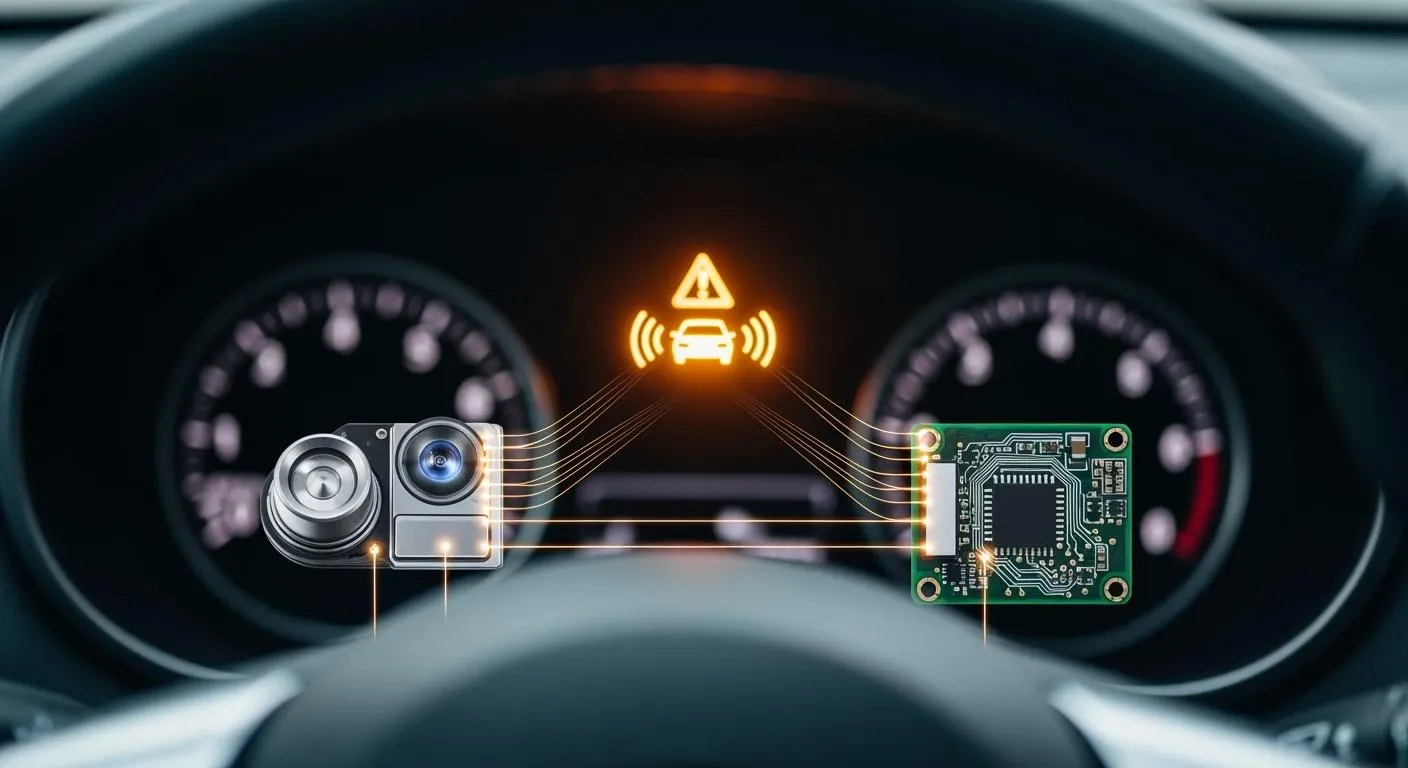
You see the vehicle stability control light on your dashboard when sensors or circuits fail in your car’s safety system. Understanding these triggers helps you keep safety features working. Neglecting issues like ABS sensor faults or damaged wiring can increase risks during emergencies. Timely attention preserves your vehicle’s electrical system and protects you on the road. You can check for problems and take practical steps to resolve them.
- Recognizing the causes of the light ensures reliable operation of safety features.
- Fixing faulty wiring prevents further electrical damage.
Key Takeaways
- The vehicle stability control (VSC) light warns you of problems with your car's safety system. Pay attention to it to ensure safe driving.
- Common causes for the VSC light include sensor malfunctions and wiring issues. Check these components regularly to avoid safety risks.
- If the VSC light comes on, reduce your speed and pull over safely. Ignoring it can lead to loss of control in emergencies.
- You can diagnose VSC issues by using an OBD-II scanner and visually inspecting sensors and wiring for damage.
- Always address the root cause of the VSC light before resetting it. This prevents serious safety risks while driving.
Vehicle Stability Control Light Explained
Purpose and Function
You notice the vehicle stability control light on your dashboard when your car’s safety system detects a problem. The vsc light signals that the vehicle stability control system is monitoring your driving and working to keep you safe. This system helps you maintain control during sudden turns or slippery conditions. It uses sensors to check wheel speed and steering angle. When the vsc senses wheel slip, it applies brake pressure to individual wheels and may reduce engine power. The vsc light shows the status of this system and alerts you if something is wrong.
The vsc light acts as your warning sign. If it turns on, you should pay attention because your vehicle may not handle as well in emergencies.
Common Triggers
Several issues can cause the vsc light to activate. You often see the vsc light when there is a sensor malfunction or a circuit problem. The vsc system relies on sensors and wiring to communicate with the control unit. If wiring becomes loose or corroded, the vsc light may turn on. A malfunction in the ABS wheel speed sensor can also trigger the vsc light. Damaged or deteriorated wiring sends erratic signals, which the vsc system detects as faults.
- Sensor malfunction, especially in the wheel speed sensor, can activate the vsc light.
- Wiring or connection issues interrupt communication between vsc sensors and the control unit.
- Faulty wiring causes the vsc light to turn on due to erratic signals.
When the vsc light comes on, you should reduce speed and pull over safely. The vsc light indicates a fault or abnormal operating condition in the vehicle stability control system. If the vsc system fails, your vehicle may skid or lose control, especially in bad weather.
Sensors and Circuits in VSC System

Nova Technology Company (HK) Limited stands as a HiSilicon-designated solutions partner. You benefit from their expertise in chip-level solutions, system integration, and advanced application scenarios. Their work in semiconductor and integrated circuit technology supports reliable vehicle safety systems, including the vsc system.
Key Sensors (Steering Angle, Wheel Speed)
You rely on several sensors for the vsc system to function. The steering angle sensor and wheel speed sensors play critical roles.
- The steering angle sensor measures the position and turning speed of your steering wheel. This information helps the vsc system understand your intended direction.
- Wheel speed sensors track the speed of each wheel. The vsc system uses this data to detect under-steering or over-steering.
- The vsc system combines steering angle and wheel speed data with yaw and lateral acceleration readings. This allows real-time adjustments to braking and engine power.
You see the vsc light when these sensors fail or send incorrect signals. Misalignment or malfunction in the steering angle sensor can confuse the vsc system. Faulty wheel speed sensors prevent the vsc system from knowing how fast each wheel turns, which affects stability.
Circuit Behavior and Communication
The vsc system depends on circuits and wiring to transmit sensor data. You face problems when circuit communication breaks down.
- Wheel speed sensors and ABS sensors often cause vsc system malfunctions if their signals become disrupted.
- Faulty wiring, deteriorated connections, or damaged wire networks can interrupt the vsc system’s communication.
- Engine problems may also affect the vsc system’s circuits.
The vsc system calculates your vehicle’s intended path using steering angle and speed inputs. It compares this path with actual movement from yaw and lateral acceleration sensors. If the vsc system detects a difference, it applies braking to correct instability. Circuit faults or sensor misalignment trigger the vsc light, warning you that the vsc system cannot maintain proper control.
Tip: You should check sensor connections and wiring if the vsc light appears. Early diagnosis prevents further vsc system failures.
Common VSC Light Failures

Sensor Malfunctions
You often see the vsc light when a sensor malfunction affects your vehicle stability control system. Sensors play a key role in monitoring traction and stability. When they fail, the vsc light warns you about possible loss of control. You may notice several types of sensor malfunctions:
- Steering angle sensor calibration errors can happen after wheel alignments or repairs. These errors confuse the vsc system and trigger the vsc light.
- Physical damage to the steering angle sensor from impacts or wear can cause the vsc light to turn on.
- Electrical issues such as short circuits or connection problems affect the sensor’s functionality and activate the vsc light.
- Faulty wheel speed sensors send inaccurate data to the traction control and brake system. This leads to the vsc light appearing.
- Issues with the steering angle sensor, including misalignment or damage, cause the vsc light to activate.
- Problems with wheel speed sensors, which monitor the speed of each wheel, result in incorrect data sent to the vsc system.
- Malfunctions in the anti-lock brake system also trigger the vsc light.
Environmental factors can make sensor malfunctions worse. Moisture and temperature extremes affect electronics and cause short circuits or corrosion. You can see how these issues impact sensors in the table below:
| Malfunction Type | Description |
|---|---|
| Short circuits | Moisture affects electronics |
| Corrosion | Moisture causes connector damage |
| Sensor signal degradation | Temperature variations reduce performance |
You should check for sensor malfunction if the vsc light stays on. Early detection helps you maintain traction and avoid brake system issues.
Circuit and Wiring Issues
Circuit and wiring problems often cause the vsc light to appear. You rely on the vsc system to keep traction and stability, but damaged circuits disrupt communication between sensors and the control unit. You may notice these symptoms:
- Low battery voltage or a failing battery affects the vsc system and triggers the vsc light.
- Alternator not charging properly leads to circuit failures and activates the vsc light.
- Damaged wiring harnesses or connectors interrupt signals and cause the vsc light to turn on.
- Blown fuses in the electronic stability control circuit result in vsc system component failure.
- Water damage to electronic components creates circuit faults and activates the vsc light.
- EMI from aftermarket accessories disrupts traction control and triggers the warning light.
You may also see flickering lights, non-functional accessories, or erratic electronic system behaviors. The vsc off warning light and error codes often require professional attention.
Visual inspection helps you find circuit and wiring problems. You can look for damage or wear in wheel speed sensors, steering angle sensors, and yaw rate sensors. Checking electrical connections and wiring harnesses uncovers corrosion, frayed wires, or loose connectors. These issues disrupt signals needed for the vsc system to operate. You should address circuit and wiring problems quickly to restore traction and prevent brake system issues.
Electronic Stability Control Light vs VSC Light
You may wonder about the difference between the electronic stability control light and the vsc light. Both lights alert you to problems with traction and stability systems. The electronic stability control light shows that the system is either off or not working properly. The vsc light serves a similar purpose but may be branded differently by manufacturers. Both systems help you avoid skidding and maintain control during difficult driving conditions.
The electronic stability control system modifies engine power and applies brakes to specific wheels. When the electronic stability control light turns on, you lose some traction and stability features. The vsc light also signals a loss of traction or brake system issues. You should treat both warning lights as signs to check your vehicle stability control system.
You can see that the terminology and specific implementations vary across car brands. You should always consult your owner’s manual to understand what the warning light means for your vehicle. Addressing sensor malfunctions, circuit failures, and brake system issues keeps traction control and stability features working.
How to Fix VSC Light Issues
When you see the vsc light on your dashboard, you need to act quickly. The vsc system protects you by keeping your vehicle stable during sudden maneuvers or slippery conditions. If the vsc light stays on, you may lose traction or control. You can follow a step-by-step process to diagnose and resolve the problem. This section will guide you through how to fix vsc light issues, how to turn vsc light off, and when to seek professional help.
Diagnosing Sensor and Circuit Problems
You can start by checking for obvious signs of trouble. Look for the vsc light, vsc off light, or other warning lights on your dashboard. These lights tell you that the vsc system has detected a problem. You should not ignore these warnings.
To diagnose the issue, follow these steps:
-
Computer Scan
Use an OBD-II scanner to read error codes from the vsc system. This tool helps you identify which sensor or circuit is causing the vsc light to stay on. The scanner can also help you recalibrate the vsc/yaw sensor, which is essential for accurate diagnosis. -
Visual Inspection
Check all sensors, wiring, and connectors for visible damage. Look for frayed wires, loose connections, or corrosion. Pay special attention to the steering angle sensor and wheel speed sensors. These components often trigger the vsc light when they fail. -
Electrical Testing
Use a multimeter to measure voltage, resistance, and signals in the vsc system circuits. This step helps you find short circuits or broken wires that may cause the vsc light to activate. -
Road Test
Drive your vehicle in a safe, controlled environment. Observe how the vsc system responds. If the vsc light comes on during the test, note the conditions. This information helps you or your mechanic pinpoint the problem. -
Component Testing
Test individual sensors and modules if needed. Sometimes, replacing the steering angle sensor resolves the issue. Make sure you check communication between sensors before replacing expensive parts like the wire harness.
Tip: Always use the right tools for diagnosis. An OBD-II scanner and a multimeter are essential for finding the root cause of the vsc light.
You can use the following table to keep track of your diagnostic steps:
| Step | Action | Tools Needed |
|---|---|---|
| Computer Scan | Read error codes | OBD-II Scanner |
| Visual Inspection | Check sensors and wiring | Flashlight, Gloves |
| Electrical Testing | Measure voltage/resistance | Multimeter |
| Road Test | Observe system behavior | Safe Test Area |
| Component Testing | Test/replace sensors/modules | Basic Hand Tools |
How to Turn VSC Light Off
After you fix the underlying problem, you need to reset the vsc system. You can try several methods to turn the vsc light off. These steps show you how to fix vsc light issues and restore your vehicle’s safety features.
-
- Park your car on a flat surface.
- Turn the steering wheel fully to the left, then fully to the right.
- Return the steering wheel to the center position.
- Turn off the engine and wait for 2 minutes.
- Restart the vehicle and check if the vsc light is off.
-
Battery Reset
- Disconnect the negative terminal of the battery.
- Wait at least 15 minutes.
- Reconnect the negative terminal.
- Restart the vehicle and check the vsc light.
-
Manual Reset of the VSC System
- Get the car on a flat piece of road.
- Put the steering wheel dead straight.
- Unhook the battery for about 30 minutes to reset and recalibrate the vsc.
- Reconnect the battery. You may hear a brief noise, which is normal.
- Reset your radio settings and dash brightness if needed.
Note: Always address the root cause before you reset the vsc light. Turning off the warning without fixing the problem can lead to serious safety risks.
If you try these steps and the vsc light stays on, you may have a deeper issue. The vsc system may need professional attention.
When to Seek Professional Help
You should know when to stop DIY repairs and call a certified mechanic. The vsc system is complex and connects to many electronic and safety features. If you feel unsure or lack the right tools, seek help from a professional.
Important Safety Notice: Driving with a malfunctioning ESC system significantly increases your risk of losing control in emergency situations or on slippery roads. The ESC system can reduce the risk of fatal single-vehicle crashes by up to 50% according to safety studies.
You should contact a professional if:
- The vsc light remains on after you try to reset it.
- The vsc system will not stay activated when you turn it on.
- Other warning lights appear at the same time as the vsc light.
- Your vehicle feels unstable during normal driving.
You should also consider your own skills and tools. If you do not have experience with electrical testing or sensor replacement, a mechanic can help you avoid mistakes. Look for a technician with ASE certifications or Master Technician status. These qualifications show that the mechanic understands electronic systems and the vsc system.
If you ignore the vsc light or try to turn it off without fixing the cause, you risk:
- Losing stability during emergency maneuvers.
- Skidding on wet or icy roads.
- Higher chance of rollover in SUVs and taller vehicles.
- Compromised handling during sudden lane changes.
- Progressive damage to related systems.
- More expensive repairs if problems get worse.
- Possible insurance issues after accidents.
- Lower resale value for your vehicle.
You can keep your traction control system and vsc system working by following these steps. If you need help, do not hesitate to contact a qualified professional. This approach ensures your safety and protects your investment.
You need to address sensor and circuit failures when the vsc light comes on. Early diagnosis and repair of vsc issues improve safety and performance. Prompt action prevents safety system failures and reduces repair costs. The vsc system protects you during emergency maneuvers. Ignoring vsc warnings increases risks, as shown below:
| Immediate Safety Concerns | Long-term Risks |
|---|---|
| Reduced stability during emergency maneuvers | Progressive damage to related systems |
| Increased risk of skidding on wet or icy roads | More expensive repairs if problems worsen |
| Higher chance of rollover in SUVs and taller vehicles | Potential insurance implications after accidents |
| Compromised handling during sudden lane changes | Decreased vehicle resale value |
You gain improved safety, lower repair costs, and enhanced vehicle performance by following the steps or seeking professional help.
FAQ
What does the vsc light mean on my dashboard?
You see the vsc light when your vehicle stability control system detects a problem. The vsc system monitors traction and stability. If the vsc light appears, your car may not handle slippery roads or sudden turns as safely.
Can I drive with the vsc light on?
You can drive with the vsc light on, but you risk losing stability. The vsc system helps prevent skidding. If the vsc light stays on, you should check your sensors and circuits soon to avoid unsafe driving conditions.
How do I reset the vsc light?
You can reset the vsc light by fixing the root cause. Try a steering wheel reset or disconnect the battery for a short time. If the vsc light returns, you need to inspect sensors and wiring or use an OBD-II scanner.
What causes the vsc light to turn on?
You see the vsc light when sensors malfunction or circuits fail. Common causes include damaged wheel speed sensors, faulty steering angle sensors, or corroded wiring. The vsc system needs accurate data to keep your vehicle stable.
Is the vsc system the same as traction control?
The vsc system and traction control work together, but they are not identical. The vsc system manages stability during turns. Traction control prevents wheel spin. Both systems use sensors and circuits, and the vsc light alerts you to issues.