Wearable ASIC Glucose Monitoring and Future Prospects
Wearable ASIC glucose monitoring gives you real-time glucose readings using advanced sensor technology. In 2021, 537 millio
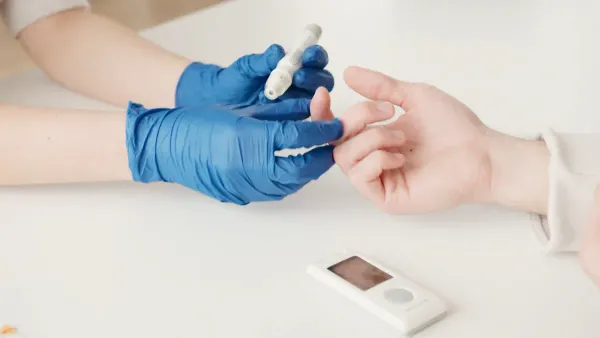
Wearable ASIC glucose monitoring gives you real-time glucose readings using advanced sensor technology.
- In 2021, 537 million people had diabetes worldwide.
- Experts expect this number to rise to 783 million by 2045, fueling demand for wearable devices.
Wearable technology now uses ASICs for higher accuracy and better user experience in monitoring.
Key Takeaways
- Wearable ASIC glucose monitors provide real-time glucose readings, helping you manage diabetes more effectively.
- These devices reduce the need for painful fingersticks, offering a more convenient and comfortable monitoring experience.
- Future advancements in glucose monitoring include non-invasive methods and AI integration, promising improved accuracy and personalized care.
ASIC Glucose Monitoring
What Is ASIC Glucose Monitoring?
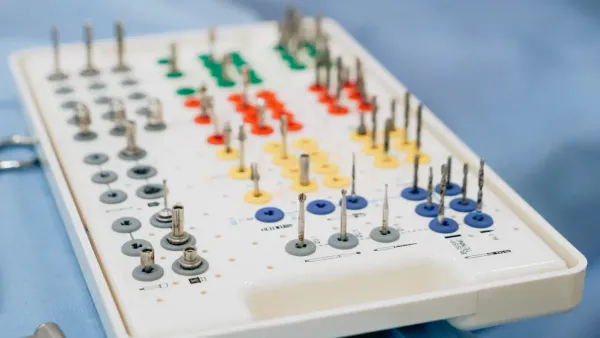
You use asic glucose monitoring to track your glucose levels with high accuracy. This technology uses an Application-Specific Integrated Circuit (ASIC) to process signals from a sensor. The sensor sits just under your skin and measures glucose in the interstitial fluid. The ASIC chip inside the device reads the sensor’s signals and turns them into easy-to-understand data. You can see your glucose numbers on a receiver or even on your phone.
Here are the main parts of an asic glucose monitoring system:
- Sensor: Measures glucose in the fluid between your cells.
- Transmitter: Sends the sensor’s data to a receiver.
- Receiver: Shows your glucose readings in real time.
Tip: ASIC chips help make these devices small, fast, and energy-efficient, so you can wear them all day.
Why ASICs Matter
ASICs play a key role in asic glucose monitoring. They handle the complex job of turning raw sensor data into clear information. You get accurate readings quickly because ASICs process signals with little delay. This helps you manage diabetes better.
| Component | Description |
|---|---|
| Sensor | Measures interstitial glucose levels, inserted into subcutaneous tissue via a small puncture. |
| Transmitter | Enables communication between the sensor and the receiver. |
| Receiver | Displays glucose data and can connect to other devices for data sharing. |
| Working Principle | Uses electrochemical methods, mainly glucose oxidase, to monitor glucose levels in real time. |
| Features | Includes alarms for high or low glucose and can predict future glucose trends. |
You benefit from asic glucose monitoring because it uses advanced electronics and integrated circuits. These features give you reliable, real-time data and help you avoid sudden changes in glucose. Asic glucose monitoring makes it easier to stay healthy and live well with diabetes.
Continuous Glucose Monitoring
Evolution of Glucose Monitoring
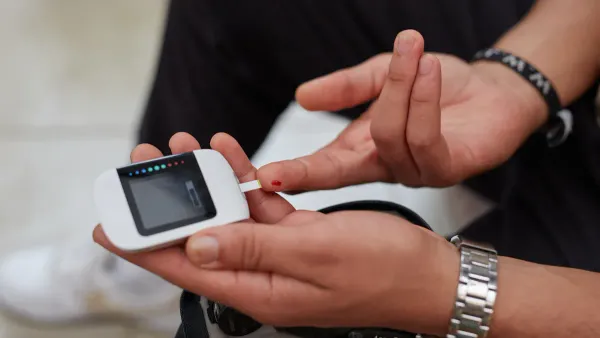
You have seen glucose monitoring change a lot over the years. Early methods required you to prick your finger and use blood samples. These invasive techniques often caused discomfort and made frequent checks difficult. Today, you can use continuous glucose monitoring systems that rely on advanced electronics and integrated circuits. These devices use sensors and ASIC chips to track your glucose levels with less pain and more convenience. The latest trend moves toward non-invasive methods, which do not break the skin at all.
Here is a quick look at how glucose monitoring has evolved:
| Stage | Description | Type of Method |
|---|---|---|
| Invasive | Traditional methods requiring blood samples, such as fingerstick tests. | Invasive |
| Minimally-Invasive (MI) | Techniques that reduce discomfort, like continuous glucose monitors (CGMs). | Minimally-Invasive |
| Non-Invasive (NI) | Emerging technologies that monitor glucose without skin penetration. | Non-Invasive |
Real-Time Data and Integration
Continuous glucose monitoring now gives you real-time readings every few minutes. You can see your glucose trends and make quick decisions. Real-time data helps you adjust insulin doses and avoid sudden highs or lows. Integrated circuits inside these monitors process signals fast, so you get real-time insight into your health. You can connect your device to your phone or cloud services, making it easy to share data with your care team.
Note: Real-time continuous glucose monitoring has improved diabetes management. You can now predict events up to 14 minutes ahead and see more accurate results.
| Improvement Aspect | Before CGM | After CGM |
|---|---|---|
| Mean Absolute Relative Difference | 15.1% | 10.3% |
| Pairs in A-zone of Clarke Error Grid | N/A | Increased by 12.6% |
| Prediction of Events | N/A | 14 minutes ahead |
You benefit from real-time data and integration because you gain control and confidence in your daily diabetes care.
Innovations in Glucose Monitoring
Non-Invasive and Minimally Invasive Sensors
You now have access to noninvasive glucose monitoring that uses light frequencies instead of needles. This technology lets you check your glucose without drawing blood. Many wearable devices use advanced sensors and integrated circuits to measure glucose through your skin. These smart diabetes devices give you a painless experience and help you track your health more often.
The table below shows how different sensor technologies compare:
| Technology Type | Description | Challenges | Future Trends |
|---|---|---|---|
| Non-invasive sensors | Use light to monitor glucose without blood collection. | Accuracy and usability need improvement. | AI and nanotechnology may boost performance. |
| Continuous Glucose Monitoring (CGM) | Track glucose in real time with wearable sensors. | Invasive methods can cause discomfort. | Automated, flexible systems are in development. |
| Electrochemical sensors | Offer high sensitivity and low cost. | Specificity varies with tissue differences. | Multi-channel biosensors may allow broader health checks. |
You can see that non-invasive methods and noninvasive glucose monitoring are growing fast. In Germany and Austria, CGM use among young patients jumped from 4% in 2015 to 44% in 2017. In the U.S., CGM use rose from 4% in 2013 to 31% in 2017. By 2020, 76% of people under 25 in Germany and Austria used CGM, and 49% in the U.S. In Australia, 79% of those under 21 now use CGM. These numbers show how wearable technology and non-invasiveness are changing diabetes care.
Note: Smart diabetes devices rely on ASIC chips and integrated circuits to process signals from sensors quickly and accurately. This makes wearable technology more reliable and user-friendly.
AI and Predictive Analytics
AI now plays a big role in smart diabetes devices. You benefit from AI-powered systems that do more than just report your glucose. These systems analyze your data and predict future glucose trends. AI can warn you about low or high glucose hours before it happens. This gives you time to act and avoid problems.
Recent studies show how AI improves accuracy and patient outcomes:
| Study | Methodology | Findings |
|---|---|---|
| Singh et al. | Deep learning system for diabetes management, randomized trial | Better sensitivity, specificity, and clinical results in 1,000 patients. |
| Xiong et al. | Early warning system, prospective testing | High accuracy and generalizability in 3,245 patients. |
| Faruqui et al. | Next-day glucose forecasting, behavioral trial | Model validated with a small group. |
| Varga et al. | Machine learning risk models, multicenter cohort | ML matched or beat complex biomarker data in 2,590 people. |
| Lee et al. | AI dietary management, 48-week trial | Significant HbA1c improvements for those using the system. |
AI-powered wearable technology can give you noninvasive glucose monitoring and alert you to abnormal levels. For example, the TensorTip Combo Glucometer showed good accuracy compared to traditional methods. AI-driven insulin pumps now deliver precise doses, lowering the risk of complications.
You gain many benefits from AI in smart diabetes devices:
- AI improves diagnostic accuracy and imaging.
- It builds predictive models for better outcomes.
- It helps you manage your lifestyle and diet.
- It supports clinical decisions and keeps you engaged in your care.
Tip: Integrated circuits and ASICs in smart diabetes devices make it possible for AI to process large amounts of data quickly. This leads to better accuracy and more reliable predictions.
Device Connectivity
Device connectivity has become a key feature in modern smart diabetes devices. You can now connect your wearable to your phone, fitness tracker, or even your doctor’s portal. This integration lets you track your glucose, meals, insulin doses, and activity in one place.
Here is how device connectivity improves your experience:
| Feature | Description |
|---|---|
| Real-Time Glucose Monitoring | See your glucose levels update often, with color-coded trends. |
| Customizable Alerts | Get alerts for high or low glucose and warnings based on trends. |
| Data Sharing Capabilities | Share your data in real time with caregivers or your healthcare team. |
| Integration with Other Health Data | Sync with fitness trackers and log meals, insulin, and activity. |
You get more control and support with these features:
- Shared monitoring increases accountability.
- Pattern recognition helps you make better decisions.
- Better blood glucose control leads to improved health.
- Support networks keep you motivated.
Note: The transformative potential of smart diabetes devices comes from the way wearable technology, integrated circuits, and connectivity work together. You get accurate, real-time data and can share it easily, making diabetes management simpler and more effective.
Benefits for Diabetes Management
Improved Control and Convenience
You gain better control over your diabetes management with wearable ASIC glucose monitoring. These devices use advanced integrated circuits to give you real-time glucose readings. You can see your blood glucose levels at any moment, which helps you make quick decisions. Many people find that wearable monitors reduce the need for frequent fingersticks, making blood glucose monitoring less painful and more convenient.
- You receive alerts when your glucose goes too high or too low, even while you sleep.
- The system shows you how fast your blood glucose levels are changing, so you can act before problems start.
- You can share your data with your healthcare team, which improves communication and support.
| Feature | Continuous Glucose Monitors (CGMs) | Traditional Blood Glucose Meters (BGMs) |
|---|---|---|
| Real-Time Monitoring | Yes | No |
| Trend Analysis | Yes | No |
| Fingerstick Requirement | Reduced | Frequent |
| Alerts for Glucose Levels | Yes | No |
| Data-Driven Insights | Yes | Limited |
Clinical studies show that daily use of CGMs leads to better glycemic control and fewer hospital visits. You also benefit from improved comfort and workflow efficiency compared to finger-prick methods.
Personalized Insights
Wearable ASIC glucose monitoring gives you personalized diabetes management. You get continuous data that helps you understand how food, exercise, and insulin affect your blood glucose levels. Trend arrows and detailed reports reveal patterns, so you can adjust your routine for better results.
- Real-time data lets you decide when to eat or exercise based on your glucose.
- Metrics like Time in Range (TIR) and glucose variability help you and your doctor set goals.
- AI models use your data to predict future glucose changes, giving you a plan that fits your needs.
You become more engaged in your diabetes management because you see how your actions affect your health. This active role leads to better self-management and improved outcomes.
Challenges and Considerations
Data Privacy
You trust wearable ASIC glucose monitoring devices to keep your health data safe. However, these devices face several privacy challenges:
- Sensitive health data may not have enough protection.
- You might not control how your data is collected or shared.
- HIPAA protects some health information, but it does not cover data held by continuous glucose monitor manufacturers.
- The FDA gives guidance on cybersecurity, but privacy gaps remain for data from these devices.
- The Department of Health and Human Services has called for stronger privacy rules, especially for products like automated insulin delivery systems.
Regulatory challenges also exist. Many devices with AI or machine learning, such as automated insulin delivery systems, do not always meet strict FDA standards. This can lead to inconsistent safety and privacy protections.
ASICs and integrated circuits process large amounts of personal data in real time. You need to know how your information is stored and shared, especially as technology advances.
Comfort and Cost
Comfort and cost play a big role in your decision to use wearable glucose monitors and automated insulin delivery systems. You may worry about sensor discomfort, adhesive irritation, or the device showing under your clothes. Some people feel unsure about using new technology or learning to use automated insulin delivery systems.
- Many patients do not know about CGMs or automated insulin delivery systems.
- Some fear device complexity or discomfort.
- High costs and limited insurance coverage can stop you from getting these devices.
| Aspect of Reimbursement | Impact on Access to CGMs |
|---|---|
| Coverage Decisions | Determines if patients can access CGMs without full out-of-pocket costs. |
| Cost-sharing Requirements | Can limit access even for insured individuals due to high out-of-pocket expenses. |
| Provider Payment | Inadequate payment may discourage providers from prescribing CGMs, affecting patient access. |
You can see that user feedback for new systems like the G7 is positive. Most users find the device comfortable and easy to use.
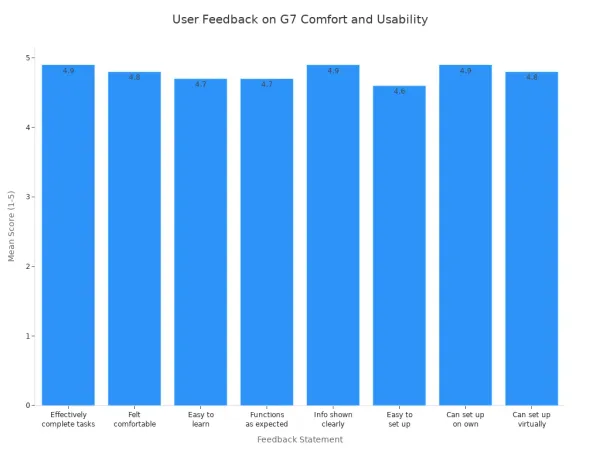
Integrated circuits and ASICs help make these devices smaller, more comfortable, and easier to use. As technology improves, you can expect better comfort and lower costs.
Future of Glucose Monitoring
Emerging Technologies
You see new technologies changing the future of glucose monitoring every year. Researchers focus on making devices more accurate, comfortable, and easy to use. Integrated circuits and ASICs play a big part in these improvements. They help sensors process data faster and use less power.
Recent advancements include implantable glucose sensors like the Eversense® system. This sensor can stay in your body for up to 90 days and shows improved accuracy with a mean absolute relative difference of 8.5%. Studies show that 90% of patients can use this sensor for a full six months. This marks a big step forward in continuous glucose monitoring.
You also notice several trends in wearable technology:
- Continuous glucose monitors (CGMs) measure glucose in real time and help you control your blood sugar better.
- Noninvasive glucose monitoring uses light or radio waves to check glucose through your skin. Early clinical trials show promise, and some companies have created wearable prototypes.
- Automated insulin delivery systems combine CGMs with insulin pumps. These systems adjust insulin automatically based on your glucose readings, making diabetes management easier.
- Artificial intelligence (AI) analyzes your glucose patterns and suggests insulin changes. This helps you manage diabetes more effectively.
Researchers continue to develop microsensors for organ-on-chip systems. They also work on integrating glucose sensors into existing technologies and improving commercially available devices. The need for affordable sensors drives these future trends. Micro-needle sensors now let you check your blood glucose in real time, thanks to advanced integrated circuits.
Tip: The combination of ASICs and integrated circuits makes these new devices smaller, smarter, and more reliable. You benefit from faster data processing and longer battery life.
Breakthrough studies show that CGMs help people with Type 2 diabetes, even if they do not use insulin. The SECURE-T2D trial proves that automated insulin delivery systems work well for more types of diabetes. Noninvasive methods continue to improve, and you may see more wearable options soon.
The market for continuous glucose monitoring devices is expected to grow at a compound annual growth rate (CAGR) of 15.44% from 2025 to 2033. Blood glucose monitoring systems will grow at a CAGR of 6.3% from 2025 to 2032. These trends show that more people will use advanced monitoring devices in the future.
What’s Next for Diabetes Care
You can expect big changes in future-forward diabetes care. Integrated circuits and ASICs will keep making devices smarter and easier to use. Continuous glucose monitoring technology gives you real-time data, which improves your quality of life. You get alerts before your glucose drops too low, so you can act quickly and avoid problems.
Closed-loop systems, also called "artificial pancreas," use CGMs and insulin pumps together. These systems adjust insulin automatically, helping you keep your blood sugar in a healthy range. You do not need to guess your insulin dose, and you spend less time worrying about your diabetes.
You see several trends shaping the future:
- CGM devices collect data that reveal patterns and trends in your glucose levels.
- This data helps you and your doctor make better decisions about your treatment.
- You get continuous readings throughout the day, and you can choose how often you see updates.
AI and cloud technologies will play a bigger role in the next generation of glucose monitors. AI algorithms will make blood glucose predictions more accurate. You get better decision support and personalized advice. Cloud-based systems let your doctor monitor your data remotely and give you guidance when you need it.
Note: The future of glucose monitoring depends on the progress of electronic components and integrated circuits. These parts make wearable devices more powerful and user-friendly.
You will see intelligent closed-loop systems that adjust insulin doses automatically. Remote monitoring will become easier, and you will get help faster when your glucose changes. These trends will improve your health and make diabetes management less stressful.
| Future Technology | How It Helps You | Role of Integrated Circuits and ASICs |
|---|---|---|
| Implantable Sensors | Longer wear, better accuracy | Fast signal processing, low power use |
| Noninvasive Monitors | No needles, painless checks | Advanced data analysis, miniaturization |
| Automated Insulin Systems | Automatic insulin delivery, less guesswork | Real-time control, reliable communication |
| AI and Cloud Integration | Personalized advice, remote support | High-speed data transfer, secure storage |
You will benefit from these future trends. You get more control, better health, and a simpler way to manage diabetes. The future of glucose monitoring looks bright, with new technologies making life easier for you and millions of others.
You see wearable ASIC glucose monitors improve accuracy, comfort, and control. Integrated circuits help you get real-time data and better health outcomes.
| Key Benefit | Description |
|---|---|
| Improved Glycemic Control | ASIC-powered CGMs help you manage diabetes daily. |
| Enhanced Quality of Life | Real-time feedback supports your well-being. |
Stay curious—future innovations will keep making life easier.
FAQ
How do ASIC chips improve wearable glucose monitors?
ASIC chips process sensor signals quickly and accurately. You get real-time glucose data. These chips also help make your device smaller and more comfortable.
Can you trust the accuracy of non-invasive glucose monitors?
You can trust many non-invasive monitors. Integrated circuits and advanced sensors work together to give you reliable readings. Always check for FDA approval before use.
What makes device connectivity important in glucose monitoring?
Device connectivity lets you share your glucose data with your doctor or family.
This feature uses integrated circuits to send information safely and quickly.