What does VSC in a car mean
You might wonder, what does vsc in a car mean? Vehicle stability control, or vsc, helps you keep control during su
You might wonder, what does vsc in a car mean? Vehicle stability control, or vsc, helps you keep control during sudden turns or slippery roads. According to automotive standards, vsc uses advanced sensors to adjust braking and engine power, which reduces single-vehicle crash rates by over 50%.
| Attribute | Description |
|---|---|
| (a) | VSC enhances vehicle directional stability by applying and adjusting brake torques individually to create a correcting yaw moment. |
| (b) | It is a computer-controlled system using a closed-loop algorithm to manage vehicle oversteer and understeer. |
| (c) | VSC can determine the vehicle’s yaw rate and estimate sideslip. |
| (d) | It monitors driver steering input. |
| (e) | VSC modifies engine torque as needed to help the driver maintain control. |
| (f) | The system operates across the full speed range of the vehicle, except below 15 kph or in reverse. |
Key Takeaways
- VSC, or Vehicle Stability Control, helps maintain control during slippery conditions by adjusting braking and engine power.
- A flashing VSC light indicates a problem that needs immediate attention, while a steady light means the system is functioning normally.
- Regular maintenance of tires, brakes, and steering systems is essential to prevent VSC issues and ensure safe driving.
What does VSC in a car mean
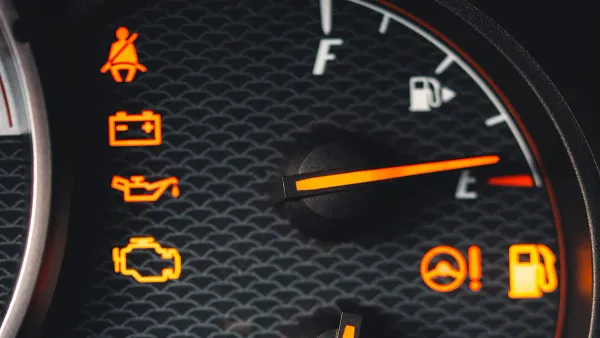
VSC System Overview
You often hear the term VSC when you ask what does vsc in a car mean. VSC stands for Vehicle Stability Control, a system that Toyota and some other manufacturers use to help you stay safe on the road. You might see similar systems called ESC or ESP in other brands, but the goal remains the same: keeping your car stable and under control.
When you drive, VSC constantly monitors your steering angle and the actual direction of your vehicle. If your car starts to slip or lose traction, VSC reacts quickly. It reduces engine power and applies brakes to individual wheels that need it most. This action helps you maintain control, especially during sudden turns or when roads get slippery.
- VSC checks your steering angle.
- It detects wheel slip.
- The system reduces engine power.
- VSC applies braking to specific wheels.
You benefit from VSC most during adverse driving conditions. Rain, snow, or ice can make roads dangerous. VSC prevents excessive wheel spin and keeps your car moving in the direction you want. It also helps during emergency maneuvers, minimizing skidding and preventing overcorrection.
| Mechanism | Description |
|---|---|
| Monitoring Wheel Speed | The system continuously checks the speed of each wheel to detect discrepancies. |
| Applying Brakes to Wheels | It selectively applies brakes to individual wheels to regain stability. |
| Reducing Engine Power | The system can reduce engine power to help maintain control during loss of traction. |
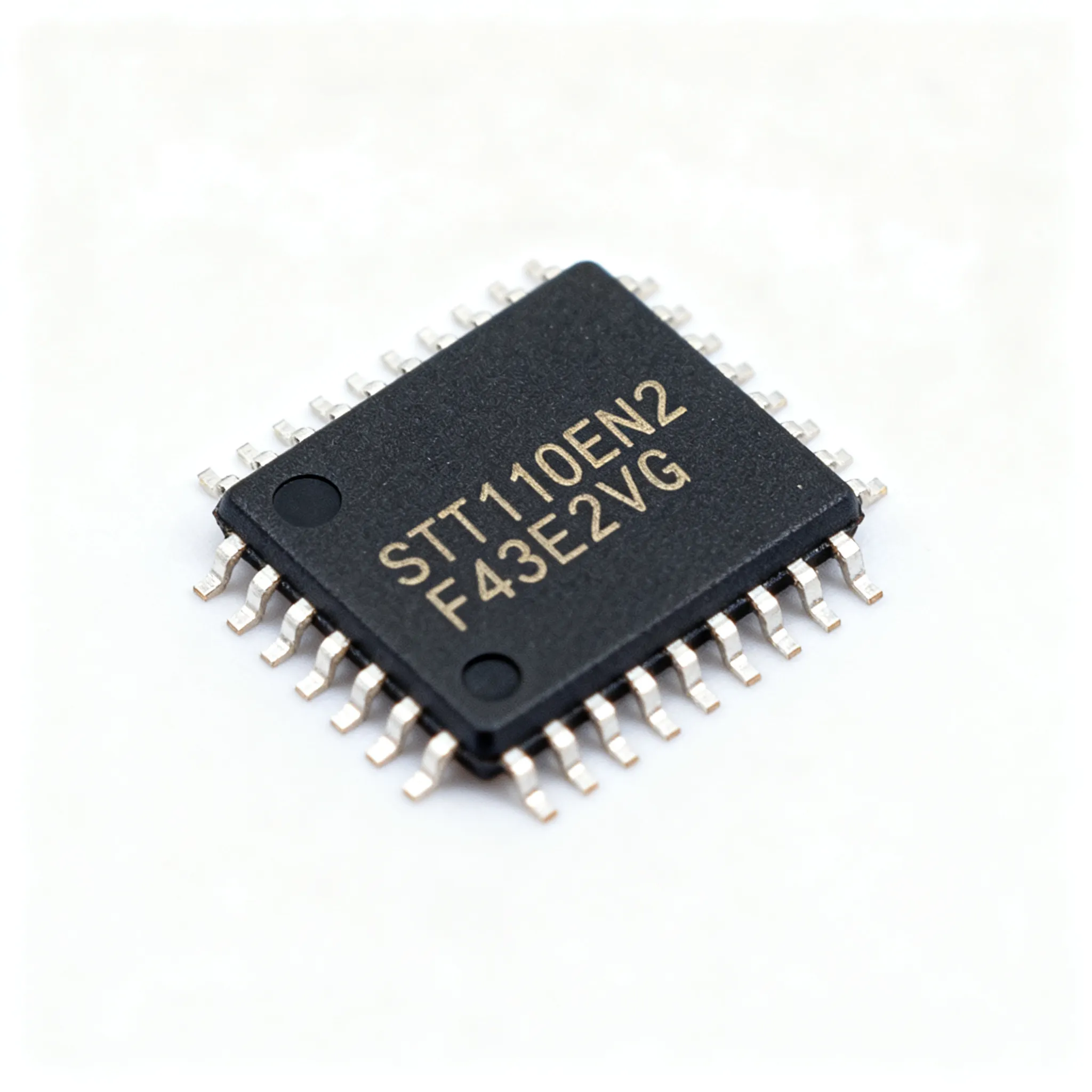
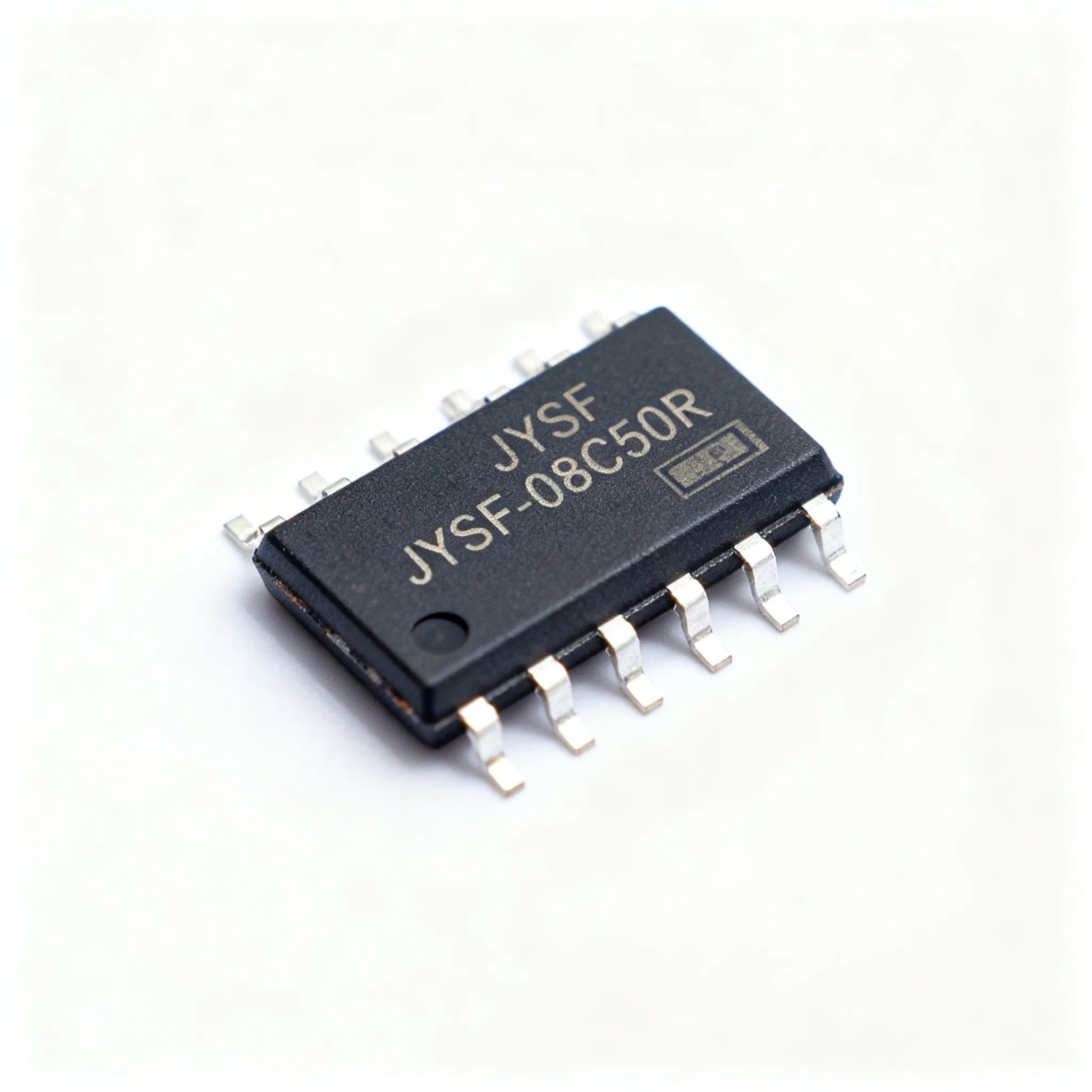
Nova Technology Company (HK) Limited serves as a HiSilicon-designated solutions partner. The company specializes in chip-level solutions and system integration for advanced automotive and industrial applications. Nova Technology delivers integrated circuits and semiconductor platforms that support real-time sensor processing and safety systems, making them ideal for VSC, ESC, and other vehicle control modules.
VSC vs ESC
You may wonder if VSC and ESC are the same. When you ask what does vsc in a car mean, you discover that VSC is Toyota’s term for a system that monitors vehicle dynamics and corrects steering behavior. ESC stands for Electronic Stability Control and is the more common term used in the industry. Both systems enhance vehicle stability by monitoring and adjusting how your car responds to challenging driving conditions.
| Feature | Vehicle Stability Control (VSC) | Electronic Stability Control (ESC) |
|---|---|---|
| Functionality | Monitors vehicle dynamics | Monitors vehicle dynamics |
| Corrects Steering Behavior | Yes | Yes |
| Understeering Correction | Yes | Yes |
| Oversteering Correction | Yes | Yes |
| Market Terminology | VSC is a term used by some OEMs | ESC is a more common term |
Manufacturers use different names for these systems:
| Manufacturer | System Name |
|---|---|
| Toyota | Vehicle Stability Control (VSC) |
| Daihatsu | Vehicle Stability Control (VSC) |
| Tesla | Electronic Stability Control (ESC) |
| General Motors | StabiliTrak |
| Honda | Vehicle Stability Assist (VSA) |
| Hyundai | Electronic Stability Program (ESP) |
| Lexus | Vehicle Dynamics Integrated Management (VDIM) |
Both VSC and ESC use sensors to measure yaw rate, lateral acceleration, and wheel speed. They correct understeering and oversteering, helping you maintain control during cornering or swerving. These systems work alongside other safety features like ABS and traction control, reducing rollover risks and improving handling, especially in taller vehicles.
If you drive a Toyota, you rely on VSC to keep your car stable. If you drive a Tesla or Hyundai, you depend on ESC or ESP. No matter the name, these systems play a crucial role in keeping you safe, especially when you face wet, icy, or unpredictable roads.
VSC Light Causes and Actions
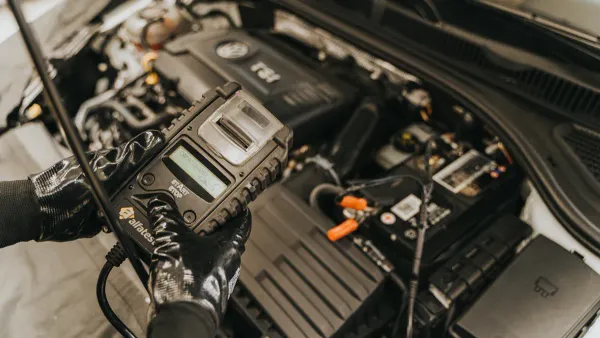
Why the VSC Light Turns On
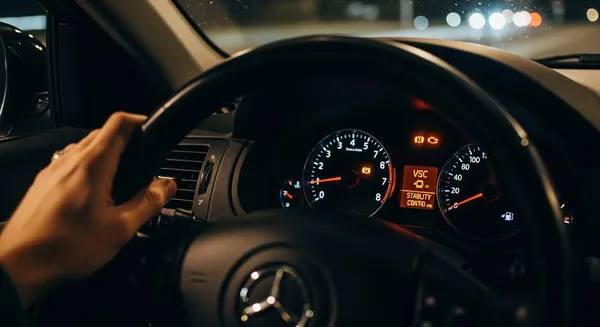
You may notice the vsc light on your dashboard. This warning light signals that your vehicle’s stability system needs attention. Several common reasons can trigger the vsc light:
- Engine issues, such as misfires or timing problems, can affect the vsc system.
- Malfunctions in the ABS system, especially with the wheel speed sensor, often cause the vsc light to activate.
- Electrical issues, including faulty wiring, may disrupt the vsc system.
- Pressing the VSC button accidentally can turn off the system and trigger the warning light.
You might also see the check engine light appear alongside the vsc light. Both lights share control modules, so problems in one system can affect the other. Manual deactivation of the vsc system, ABS sensor faults, and traction control system issues are frequent causes.
Regular maintenance helps prevent these problems. Keeping tires, brakes, and the steering system in good condition reduces the chances of vsc system issues. Maintaining proper tire pressure and checking brake fluid levels are essential steps.
What to Do When the VSC Light Appears
When the vsc light comes on, you should take immediate action. Start with a basic inspection:
- Check all connections, especially those related to the battery and ignition system.
- Use an OBD-II scanner to retrieve error codes from your car’s computer.
- Interpret the error codes using your vehicle’s manual or an online database.
- Reset the system by turning off your car, waiting a few minutes, and restarting it.
- Check the battery to ensure it is fully charged and terminals are clean.
- Verify tire pressure and inflate all tires to the recommended PSI.
- Inspect the brake system for worn pads or low brake fluid levels.
If the vsc light remains on after these steps, you should seek professional help. Certified technicians have the tools and knowledge to diagnose and repair vsc system faults. They use diagnostic tools such as OBD-II scanners, multimeters, and advanced diagnostic equipment to identify issues.
| Diagnostic Tool | Function |
|---|---|
| OBD-II Scanner | Reads trouble codes from the vehicle’s onboard computer to identify specific issues. |
| Multimeter | Tests sensor outputs to diagnose electrical issues within the vsc system. |
| Advanced Diagnostic Equipment | Performs real-time data analysis to monitor sensors and actuators for intermittent problems. |
Addressing faulty wiring is crucial for maintaining safety features. Qualified mechanics utilize diagnostic tools to identify issues signaled by warning lights.
Professional diagnosis helps prevent further damage to your vehicle’s electrical system. If you ignore the vsc light, you risk losing stability and traction control system support, especially during adverse driving conditions.
Is It Safe to Drive with the VSC Light On
You may wonder if it is safe to drive when the vsc light appears. The answer depends on the type of warning:
- A steady vsc light indicates that the Vehicle Stability Control system is activated and functioning normally, helping maintain control and traction.
- A flashing vsc light signifies a problem with the vsc system that requires immediate attention. This warning often appears with the check engine light or traction control system light.
If you see a flashing vsc light, you should drive cautiously and avoid high speeds or sharp turns. The system may not provide full stability support. You should schedule a professional inspection as soon as possible.
Repair costs for vsc system issues vary. Simple fixes, such as replacing a sensor or resetting the system, may cost between $50 and $200. More complex repairs, like addressing electrical faults or replacing control modules, can range from $300 to $1,000 or more. You should address the issue promptly to avoid further damage and higher costs.
The Vehicle Control History (VCH) data can reveal critical information about vehicle behavior leading up to an incident, which is essential for determining fault and validating claims. This data includes records of vsc activations, which can indicate loss of control, and can be used to reconstruct detailed sequences of events to help determine fault and clarify vehicle performance at the time of the incident.
Regular maintenance reduces the likelihood of vsc system failures. You should schedule tire, brake, and steering system check-ups to ensure the vsc system works correctly.
| Myth | Reality |
|---|---|
| The vsc light indicating hidden function is a defect or malfunction. | It’s a designed access point—intentional and safe in proper contexts. |
| Using this function guarantees improved driving safety. | Benefits depend on how the data is used and whether user actions align with manufacturer guidance. |
You should always consult a professional if you feel unsure about the vsc light or traction control system. Staying informed and proactive keeps your vehicle safe and reliable.
You gain confidence when you understand how VSC keeps your car stable.
- VSC helps you maintain control in slippery conditions.
- A flashing VSC light means the system works; a steady light signals a fault.
Follow these steps:
- Check your manual.
- Reset the system.
- Consult a mechanic.
Stay safe and drive smart.
FAQ
What does it mean if the VSC light stays on?
You see the VSC light stay on when the system detects a problem. You should check your car or visit a mechanic soon.
Can you turn off the VSC system yourself?
Yes, you can turn off VSC by pressing the VSC button. You might do this if you need more wheel spin, like when stuck in snow.
Does VSC affect fuel economy?
VSC does not change your car’s fuel economy. The system only activates during loss of traction or control, so it does not impact daily driving.