AC Capacitor Guide for Homeowners in 2026
An AC capacitor stores energy to start and run compressor and fan motors. This guide answers 'what is a capacitor for an AC unit', failure signs, and costs.

An AC capacitor is a small electrical component that stores energy and gives your compressor and fan motors the extra jolt they need to start. That is the short answer to what is a capacitor for ac unit. This tiny part plays a huge role in your air conditioner. When it weakens, your ac unit may hum, click, or blow warm air. A failing ac capacitor is one of the most common reasons an air conditioner stops cooling. The good news? Replacement is usually cheap. The bad news? It is dangerous to handle yourself. Keep reading to learn how this capacitor works and what to do when it fails.
Key Takeaways
- An AC capacitor gives your air conditioner's motor a powerful start. It stores energy and releases it instantly.
- A failing capacitor causes humming, clicking, or warm air. You might also see a bulging or leaking part.
- Replacing a capacitor costs $150 to $400 with a professional. The part itself is cheap, but labor and diagnosis add up.
- Never replace a capacitor yourself. It holds a deadly charge even when the power is off. Always call a licensed technician.
- A professional can diagnose the problem correctly and replace the capacitor safely. This saves you money and keeps you safe.
What is a Capacitor for AC Unit and What Does It Do?

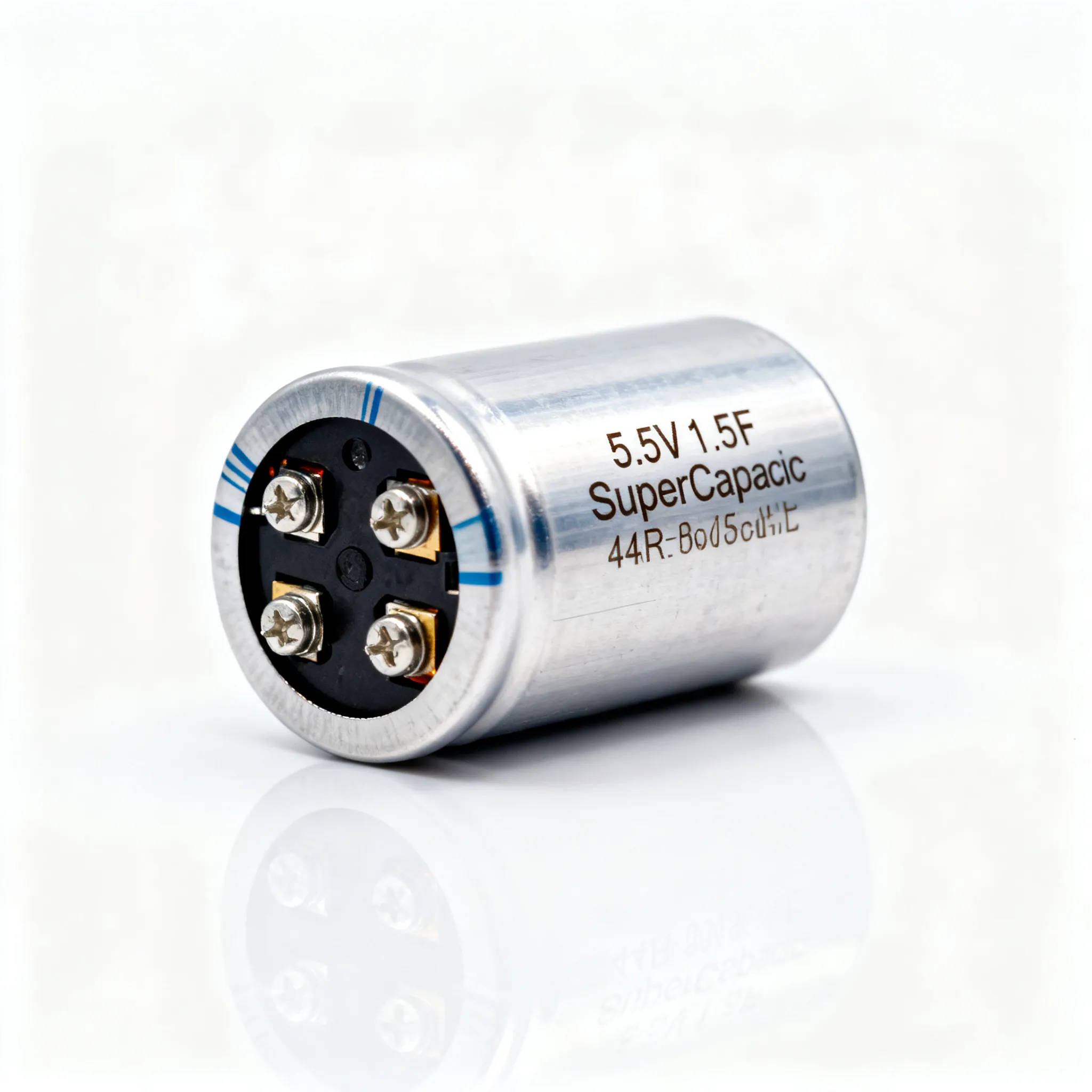
Think of an ac capacitor as a starting block for your air conditioner. When you flip the switch, this small part gives your compressor and fan motors the energy burst they need to start spinning. So what does a capacitor do exactly? A capacitor stores energy while the unit is off and releases it instantly at startup. Imagine a compressed spring waiting to uncoil. The part itself does not let current flow through it. It only provides a voltage boost to kick the motor into action. Most home systems use two types: a start capacitor and run capacitor. The start capacitor delivers the big initial jolt. The run capacitor stays in the circuit to keep the motor running smoothly. Knowing what is a capacitor for ac unit helps you catch problems early.
How It Stores and Releases Energy
An ac capacitor stores energy inside an electric field between two metal plates separated by an insulator. When your air conditioner turns off, the component holds onto that charge. Then when the system calls for cooling, it releases the stored energy almost instantly. That burst is enough to get the motor spinning from a dead stop. A typical device rated at 240VAC and 120 microfarads stores about 0.864 joules at 120V. That is not much energy, but it arrives at exactly the right moment. Ac capacitors are rated by voltage and microfarads, which tells you the electrical pressure and storage capacity they offer. Start capacitors usually fall between 70 and over 400 microfarads. The table below shows typical specs for one type.
| Feature | Specification |
|---|---|
| Purpose | Delivers high starting torque |
| Capacitance Range | 70 µF to 400+ µF |
| Continuous Operation | No, disengages after startup |
| Housing | Black plastic or Bakelite |
This type of capacitor for an ac unit works hard for just a split second. Then it hands off to the run component for steady operation.
Why is a Capacitor Necessary for Starting the Motor?
So why is a capacitor necessary for starting the motor? Your air conditioner's compressor motor needs a rotating magnetic field to turn. The component creates the phase shift that produces that field. Without it, the motor cannot generate enough torque to start. If you try to run the motor without a start capacitor and run capacitor in place, the stator heats up fast. The motor draws about 10 times its normal current for a few milliseconds. That surge can trip breakers, blow fuses, and damage windings within seconds. Air conditioning capacitors solve this problem by delivering the exact voltage boost at the exact moment the motor needs it. The start capacitor disengages once the motor reaches speed. The run capacitor stays active to keep things spinning efficiently. Some systems use a dual-run capacitor or dual capacitor that combines both jobs in one package for the compressor motor and fan motor. Others use separate parts. Either way, air conditioner capacitors or heat pump capacitors serve the same critical role. The ac's compressor motor cannot operate safely without one. That is why an hvac capacitor failure ranks among the most common reasons a system stops cooling. Understanding what is a capacitor for ac unit helps you talk to a technician with confidence.
Common Signs of a Failing AC Capacitor

When your air conditioner starts acting up, the ac capacitor is often the first part to blame. Three main clues point to a failing ac capacitor: a humming sound from the outdoor unit, clicking noises during startup, and warm air coming from your vents.
Humming, Clicking, and Warm Air
A humming noise from the outdoor unit means the motor gets power but cannot turn. The ac capacitor tries to deliver the starting jolt, but it falls short. The fan stays stuck because the motor lacks enough voltage to spin.
Clicking sounds give a more detailed clue. You might hear multiple clicks without the system ever starting. A bad capacitor or a worn contactor stops the motors from running, so each failed start attempt makes a click. If your ac unit clicks when starting but does not cool, the most likely cause is a bad capacitor because the system keeps failing to start. Here is the sequence of events. Electrical current still reaches the motors as normal. But the capacitor cannot supply the starting jolt they need. The motor struggles because it lacks enough power. It then shuts down on thermal overload to protect itself. This failed start attempt produces a clicking noise followed by silence. The cycle repeats each time the system tries. Eventually, this repeated strain causes a complete ac capacitor failure. Understanding this sequence helps you identify the clicking sounds as a problem with the capacitor rather than a larger issue like a seized motor.
Warm air from your vents is the third clear sign. The compressor never activated, so the refrigerant never cooled. You feel air moving, but it stays warm. All three symptoms together point to a failing ac capacitor, not a bad compressor block. That difference matters because replacing a capacitor costs much less.
Visual Clues: Bulging or Leaking
You can sometimes spot a bad capacitor just by looking at it. A healthy one has a flat top and straight sides. A failed one often shows a bulging top or swollen sides. That bulging happens because internal pressure builds up as the internal layers break down. The housing expands outward like a balloon. If you see a unit that looks round instead of flat on top, that part is already failing.
Leaking is another obvious visual clue. The dielectric fluid inside the part may seep out through a cracked seal or housing. This fluid belongs to a family of chemicals known as chlorinated hydrocarbons.
PCBs are part of the broad family of organic chemicals known as chlorinated hydrocarbons. PCBs were and continue to be used primarily as cooling liquids in electrical transformers and capacitors.
If you see any oily residue near the component or at the bottom of the electrical panel, that is the leaked fluid. The unit has failed and needs replacement. Never touch this fluid with bare skin. Leave that job to a qualified technician.
Spotting these signs early helps you avoid a complete system shutdown on a hot day. A humming, clicking air conditioner with warm air and a bulging component all point to one root cause. You likely have a failing ac capacitor in need of replacement. Call a technician as soon as you notice these signs.
AC Capacitor Replacement Costs
Part Cost vs. Professional Labor
The capacitor itself is cheap. A replacement part usually runs $10 to $50. That price depends on the brand and the microfarad rating. A dual capacitor costs a bit more than a single-run unit. Even so, the part is not where your money goes.
The real cost comes from the service call. A technician charges a diagnostic fee, which typically ranges from $60 to $150. Some companies charge $90 to $150 instead. Add labor, and your total bill lands between $150 and $400. That range covers most homes.
Labor rates swing a lot by region. Check this table:
| Area Type | Labor Cost for a Two-Hour Repair |
|---|---|
| Rural area | $150–$300 |
| Major metro area | $300–$600 |
A two-hour repair in a big city can cost twice what it does in the country. So an ac capacitor swap that feels cheap in a rural town may sting in a metro area.
Why Prices Vary by Location and Season
Location is not the only factor. Summer heat drives demand through the roof. Every air conditioner in the neighborhood runs at once. Technicians get slammed, and emergency rates climb. You pay more for same-day service in July than in October.
Brand matters too. Some air conditioner makers use odd capacitor sizes. A rare capacitor costs more and may take longer to source. A common part sits on most trucks, so the job moves fast.
Here is a tip many homeowners miss. A technician may replace a capacitor that still tests borderline. Why? The part is cheap. A failed compressor is not. Spending $200 now beats a $2,000 compressor job later. A weak capacitor can fail again, so ask for a quality part. That logic keeps your ac capacitor from becoming a bigger problem.
Can You Replace a Capacitor Yourself?
You might feel tempted to swap a bad capacitor yourself. The part costs under $50. YouTube videos make it look simple. But here is the truth: a capacitor can kill you. Even with the power off, this part stores a dangerous electrical charge. Leave this job to a licensed technician.
The High-Voltage Shock Hazard
Here is what makes this part so dangerous. It stores energy even when your AC unit sits idle. You flip the breaker off, but the part still holds that charge. How long does it last? It varies. A capacitor can retain a lethal amount of electricity for seconds, minutes, or even days. Older electronics stay charged for a week after unplugging. Your AC unit's version works at similar voltages. The danger does not fade quickly on its own.
Now picture what happens if you touch the wrong terminal. That stored energy travels straight through your body. The shock can stop your heart instantly. You have no way to see the charge. The part looks harmless. Trained technicians use a special tool to discharge the capacitor safely before working. They wear rubber gloves and follow strict safety steps. Homeowners rarely have that equipment. The few dollars you save on a service call are not worth your life.
Why Professional Diagnosis Saves Money Long-Term
A technician does more than swap a part. They confirm the capacitor is actually the problem. Multiple issues cause the same symptoms. A failing compressor, a stuck contactor, or a bad fan motor all produce humming and clicking. Replace the capacitor when the compressor is the real issue, and you waste your money. The system still fails. Now you pay for both a diagnostic fee and a part you did not need.
Professionals also select the exact replacement. AC units use parts with different voltage ratings and microfarad values. Install the wrong one, and it fails quickly. It might damage your motor. A technician carries a meter that measures the old part's specs. They match it precisely. That accuracy protects your system. You also keep your warranty intact. Many manufacturers void coverage if an unlicensed person works on the unit. Paying $150 to $400 for a professional repair beats a $2,000 compressor replacement. Let an expert handle the capacitor. Your safety and your wallet will both thank you.
Your ac capacitor acts as the kick-starter for your air conditioner. When this capacitor fails, you hear humming or clicking sounds. Your home blows warm air instead of cool. Replacement costs stay low, usually under $400. But the danger is real. A bad capacitor holds a dangerous charge. Never handle a capacitor yourself. Call a licensed HVAC technician instead. They have the tools and training to handle an hvac capacitor safely. They also diagnose the problem correctly the first time. That saves you money and hassle. Understanding your ac capacitor helps you talk confidently with a technician and get your cool air back quickly.
FAQ
You already know what is a capacitor for ac unit and why this part matters. When your cooling stops, these questions come up most often.
How long does an ac capacitor last?
It varies. Heat and power surges shorten a capacitor's life. A weak one makes the motor work harder at startup. A yearly tune-up catches the decline early.
What happens if a bad capacitor stays in my AC?
The motor keeps trying to start with too little torque. Current spikes, heat builds, and the compressor wears out. That turns a $30 part into a $2,000 repair. Fix it quickly.
Why does my AC hum but never start?
That capacitor stores the jolt your motor needs. A weak one leaves the motor powerless to turn. You hear a hum or click. Call a technician to confirm and replace the part.
Does a heat pump use the same capacitor?
Yes. Heat pumps use the same style of part as an air conditioner. The capacitor gives the compressor its starting jolt. A technician can test both units the same way.
Can I discharge a capacitor myself?
Only a trained technician should do that. Even a powered-off capacitor can hold a lethal charge for days. One wrong touch can stop your heart. Leave the meter and discharge tool to a pro.