Why a Global Electronic Components Distributor & OEM Parts Supplier Matters for Your Next BOM
Practical guide for buyers and engineers: Why a Global Electronic Components Distributor & OEM Parts Supplier Matters for Your Next BOM. Sourcing, risk, and selection notes.
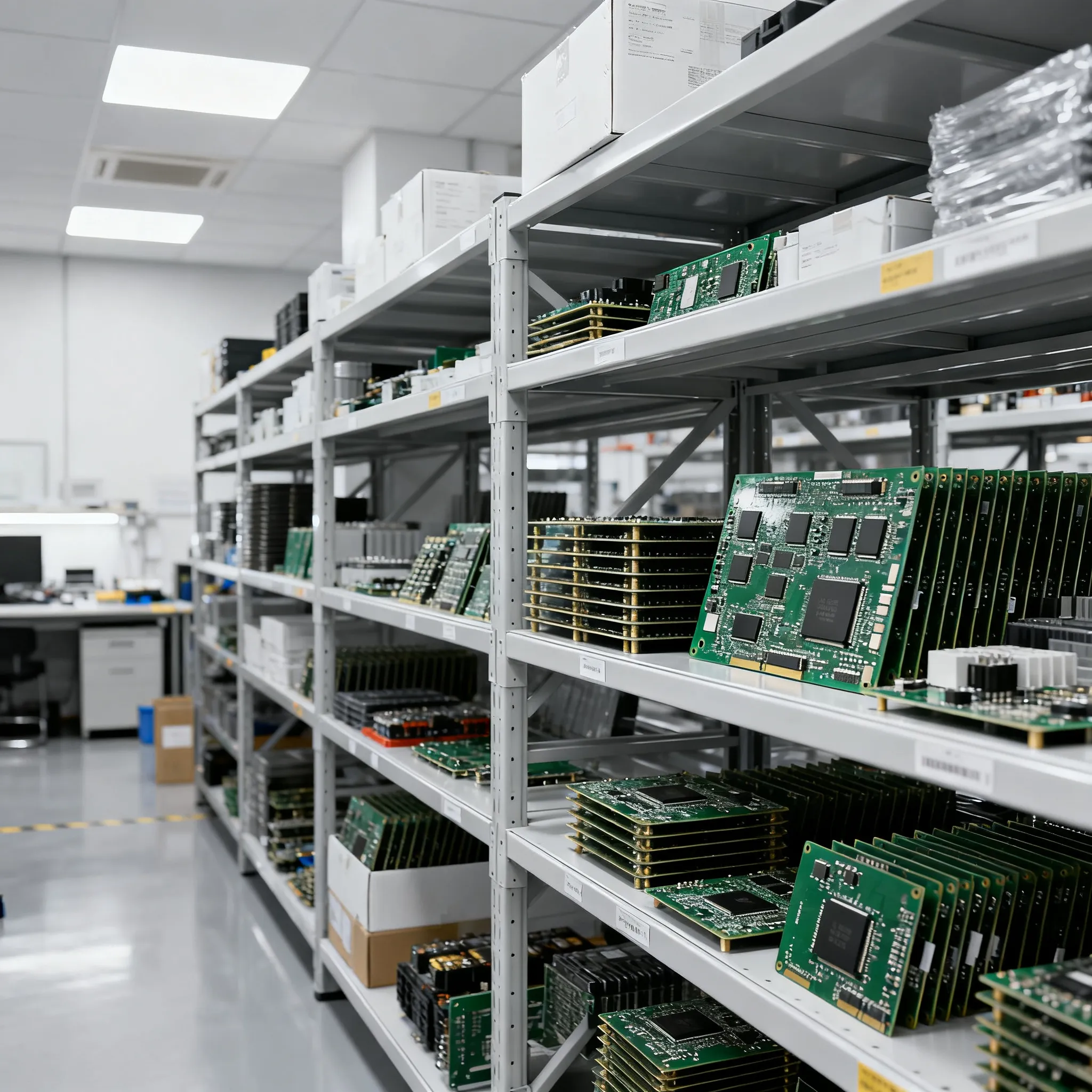
Why a Global Electronic Components Distributor & OEM Parts Supplier Matters for Your Next BOM
When Lead Times Stretch and Truces Don’t Help: The 2026 Wake-Up Call for BOM Owners
If you designed a bill of materials in early 2025, you probably assumed the supply chain would settle after the November 2025 semiconductor trade truce. Instead, many buying teams discovered that diplomatic agreements don’t compress requalification cycles. As one analysis notes, even after the truce buyers who needed a genuine second source were still working through requalification well into 2026¹. That lag, combined with heavy investment in complex process nodes that couldn’t yield overnight relief², created a climate where a single regional distributor strategy no longer protected production schedules.
Three simultaneous pressures converged: lingering allocation on high‑mix logic and analog ICs, increased counterfeit incidents as buyers turned to the grey market, and the growing realisation that “available” on a broker’s screen doesn’t match “in our warehouse” 48 hours later. The 2026 risk landscape identified delays, shortages, and counterfeits as the top threats, while a detailed IC-Online shortage update laid out a tactical cheat sheet for when your primary source fails.
The bottom line: the old comfort of a single national franchised partner is no longer sufficient. A global electronic components distributor with direct OEM relationships and multi‑region logistics has become the core of a resilient BOM. The table below breaks down the key drivers that make this shift non‑negotiable.
| Driver | Mechanism | Procurement Impact |
|---|---|---|
| Trade truce requalification bottlenecks | Second‑source qualification takes 6–12 months even after geopolitical agreements | Locked BOMs face extended single‑source exposure; must verify allocation‑backed lead time through global channels |
| Complex‑node capacity constraints | OEMs working on high‑spec parts face limited fab slots; no overnight relief | Confirm allocation‑backed lead time with the supplier; treat high‑performance MCUs and FPGAs as allocation‑sensitive |
| Counterfeit proliferation in grey‑market channels | Shortages push buyers to untested brokers; counterfeit parts bypass basic visual checks | Require lot traceability, date‑code verification, and third‑party electrical testing on any non‑authorised sample |
| Multi‑region logistics disruption | Regional port strikes, customs delays, or natural disasters can halt a single‑warehouse distributor | Diversify warehousing; a global distributor with inventory in APAC, EU, and Americas can reroute shipments |
| Real‑time inventory visibility gap | Local resellers often show “available” when stock is actually at a supplier’s hub, not in their own warehouse | Use aggregators (Octopart³) to cross‑check physical stock depth and flag “ships within 24h” labels |
These drivers aren’t temporary. The Matric outlook makes clear that even with heavy investment, manufacturers can’t expect overnight relief, and OEMs on complex parts face the greatest challenges. That’s why procurement teams now treat global distributor relationships as a strategic asset, not just a transactional convenience.
What a Global Distributor and OEM Parts Supplier Actually Brings to Your BOM
When an engineer uploads a BOM to a local reseller, the response is often a stock‑status snapshot from a single warehouse. A global electronic components distributor, by contrast, operates as a tightly integrated extension of the OEM. Authorised agreements with hundreds of manufacturers, including tier‑1 semiconductor houses, grant access to early product change notifications (PCNs), end‑of‑life alerts, and direct factory allocation. Multi‑region warehousing means that if a key microcontroller is constrained in Singapore, inventory held in Dallas or Leipzig can be drawn down without triggering a line‑down event.
The difference is not just scale; it’s the ability to anchor every line item in traceable provenance. An authorised global distributor provides manufacturer‑certified certificates of conformance, full lot and date‑code traceability, and dry‑pack handling for moisture‑sensitive components. When you send an RFQ, you can ask for allocation‑backed lead times—not generic estimates—and demand that any alternative part be verified against the OEM’s latest datasheet revision.
The table below contrasts a typical local reseller with a global authorised distributor on the metrics that matter most to a production BOM.
| Parameter | Local Reseller | Global Authorised Distributor | What to Verify |
|---|---|---|---|
| Stock depth visibility | Often limited to own warehouse; may show “available” when stock is in transit | Multi‑warehouse live inventory; can indicate “ships within 24h” vs “available from supplier” | Cross‑check on Octopart for aggregated stock and pricing |
| Lead time commitment | Typically passes through supplier estimates without allocation guarantee | Allocation‑backed lead time; backed by direct OEM contracts | Ask for an allocation confirmation letter for production‑critical MPNs |
| Authenticity guarantee | May rely on visual inspection; limited recourse | Full traceability chain; certificate of conformance from manufacturer | Require lot/date‑code documentation and test reports within 90 days |
| Technical escalation | FAE support often limited to commodity parts | Direct access to OEM field application engineers; reference designs and errata updates | Request a dedicated applications support contact for complex MCU/FPGA lines |
| Obsolescence management | Little to no proactive EOL tracking | PCN/EOL alerts; last‑time‑buy coordination; extended inventory programs | Confirm EOL status via RFQ; ask about lifetime buy windows |
Using aggregators like Octopart or Datasheets360 to cross‑check stock and pricing before you commit an RFQ is now standard practice. But the real value of the global distributor lies in the manufacturer‑backed assurance that the parts you receive will not be grey‑market remarking or pulled from a questionable reel. When you’re building a safety‑critical or high‑reliability assembly, that provenance is non‑negotiable.
Authorized vs. Open Market: A Tactical Comparison for Engineers and Buyers
When a global authorised distributor can’t ship a part within your required window, the temptation to turn to an open market broker is understandable. Independent distributors can offer price flexibility and shorter lead times because they source from a broad network of excess stock, OEM overruns, and other non‑franchised channels⁴. However, that flexibility comes with a trade‑off: traceability is rarely complete, and the risk of counterfeit or re‑marked components rises sharply.
The following comparison matrix draws on the Alibaba distributor guide, the open‑market advantages outlined by A2 Global, and the ODG 2026 supplier ranking to give you a realistic view of what each channel delivers.
| Metric | Authorized Global Distributor | Open Market Broker | Selection Criteria & Failure Boundary |
|---|---|---|---|
| Price flexibility | Contract pricing tied to OEM volumes; less room for spot negotiation | Can be highly competitive for excess stock; pricing varies by availability | Compare total cost of ownership including inspection, rework, and line‑down risk |
| Lead time | Confirm allocation‑backed lead time via RFQ; often measured in weeks with guaranteed slots | Can deliver in days to a few weeks, but no allocation guarantee | If broker claims 2‑4 weeks, verify with a small sample batch and independent testing before committing full reel |
| Traceability & authenticity | Full factory‑to‑warehouse chain; manufacturer certificates provided | Traceability often incomplete; date codes may be erased or re‑marked | Require lot/date‑code documentation and external electrical test on a sample from every batch |
| Technical support | OEM FAEs, application notes, reference designs, and PCN alerts | Limited to part‑level data; no manufacturer‑backed design support | For first‑prototype builds, a global distributor’s support can prevent firmware‑compatibility re‑spins |
| Counterfeiting risk | Essentially zero when buying through authorised channels | Significantly higher; even visual inspection may miss sophisticated clones | IC-Online’s real‑world playbook recommends running a sample through external inspection and electrical testing before large‑scale broker use |
The decision is rarely binary. Many mature procurement teams use a hybrid model: production‑critical BOM lines are locked to authorised global distributors, while non‑critical passives or connectors may be sourced through vetted brokers—but only after a rigorous incoming inspection protocol. If you must use a broker for a microcontroller or FPGA, the IC-Online playbook’s advice is clear: treat the first reel as a qualification sample and subject it to full electrical and visual test before accepting any more.
From BOM to Board: How to Vet a Distributor and Lock in Supply Resilience
A distributor’s website may look polished, but the only way to know if it can support your next production build is to test it under your own BOM’s conditions. The following repeatable process, built from the Alibaba 2026 store guide, the IC-Online tactical cheat sheet, and aggregator best practices, helps you separate a genuine global partner from a well‑branded reseller.
- Test real‑time search with exact MPNs. Pick three parts from your active BOM, including the full packaging suffix (e.g., STM32F407VGT6TR). Enter them on the distributor’s site. Does it return live stock, unit pricing, and lead time, or does it force a quote request? If the answer is always “contact us,” the distributor may not hold physical inventory.
- Verify datasheet revision fidelity. Cross‑check one random part’s datasheet on the distributor’s site against the OEM’s official latest revision. Many stores host outdated PDFs⁵. A global authorised distributor should match the current revision and include PCN links.
- Confirm physical stock claims. “In stock” can mean physically in the distributor’s warehouse or “available from supplier in 4–6 weeks.” Look for labels like “ships within 24h” and ask for a stock‑location report. Use Octopart or GlobalSpec to see if the same MPN appears with multiple stock flags.
- Request allocation‑backed lead time and traceability documents. For any line that goes into production, ask the distributor to provide an allocation confirmation letter and a sample certificate of conformance. The response time and level of detail tell you how deeply they are integrated with the OEM.
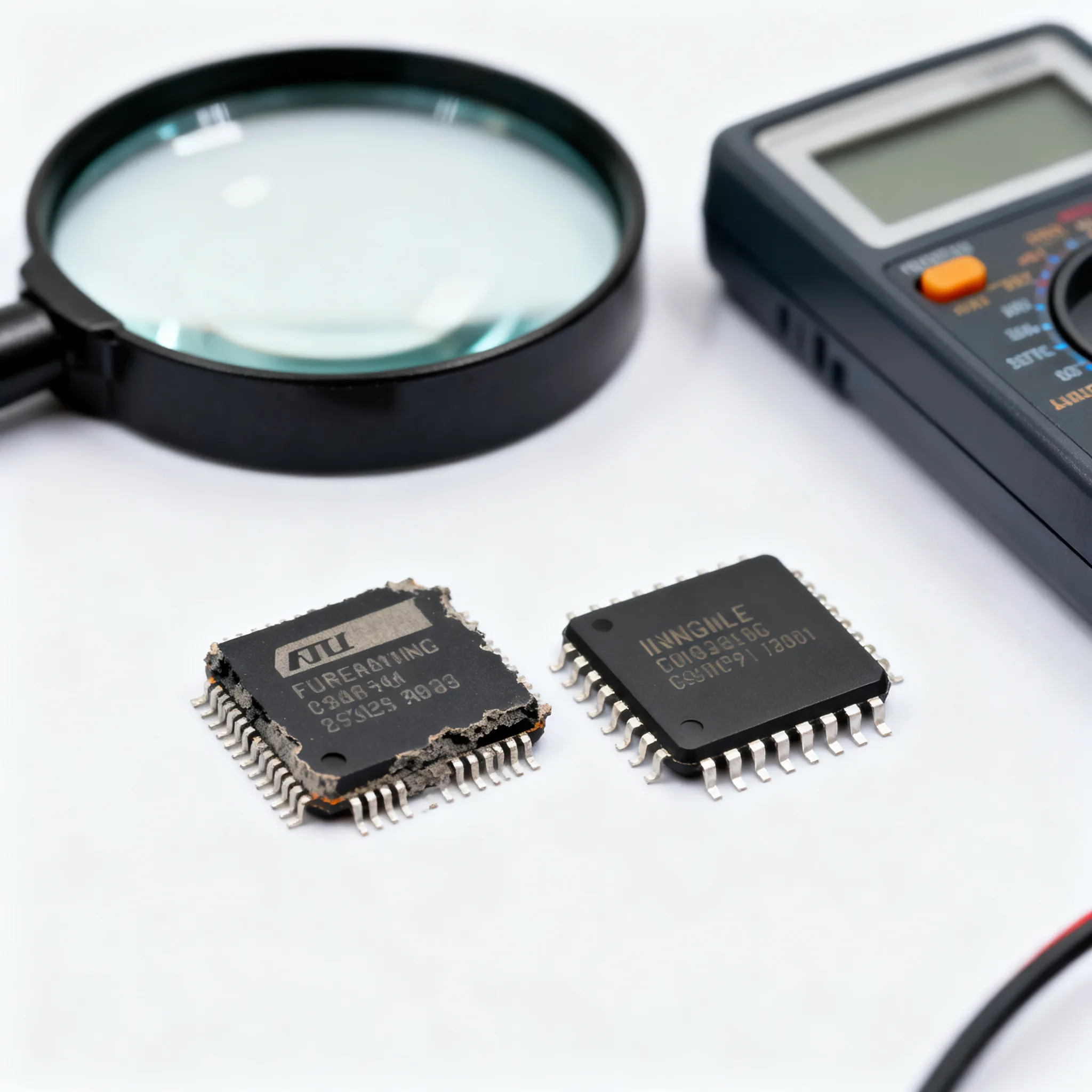
- Run sample batch testing on any non‑authorised channel parts. If you must use a broker or hybrid marketplace, demand full lot and date‑code records and send a 5–10% sample to an external lab for X‑ray, decapsulation, and electrical testing. IC-Online’s playbook⁶ explicitly states: run a small sample batch through external inspection and electrical testing before committing to the full reel quantity.
- Leverage aggregator data for multi‑source modelling. Tools like Octopart and Datasheets360 aggregate pricing and availability from hundreds of authorised distributors. Use that data to build a matrix of alternative sources for each critical MPN. When a primary supplier falters, you can trigger an RFQ to a pre‑qualified second source without starting from scratch.
Embedding these steps into your supplier qualification process turns a reactive buying habit into a structured resilience program. The goal is not to eliminate all risk—that’s impossible—but to ensure that every single BOM line has a documented path to allocation, authenticity, and backup.
Sourcing Q&A: What Experienced Buyers and Engineers Want to Know About Global Distributors
Q: How can I confirm a global distributor is genuinely authorized for a specific manufacturer’s line?
A: Check the manufacturer’s official website—most semiconductor OEMs publish a list of authorised distributors. Request a certificate of authorization from the distributor and cross‑reference with aggregators like Octopart that flag authorised sources. A genuine authorised partner will provide the certificate without hesitation.
Q: What is the real lead time advantage of a global authorized distributor versus an open market broker for a microcontroller in short supply?
A: Global distributors may quote allocation‑backed lead times that you must confirm via RFQ; these are backed by guaranteed factory slots and full traceability. Open market brokers can sometimes deliver in days to a few weeks, yet without traceability and with higher counterfeit risk. The IC-Online playbook recommends testing a sample batch before committing to a broker for any production‑critical part.
Q: Can a global distributor support end‑of‑life (EOL) and obsolete parts management?
A: Yes. Many authorised distributors run EOL and last‑time‑buy programs, hold inventory for extended periods, and can coordinate lifetime buys or source certified replacements. Specialists like Rochester Electronics focus on obsolete semiconductor management, and major global distributors can arrange final‑buy windows and consignment stock.
Q: How do I minimise counterfeit risk when sourcing from a global distributor’s excess inventory or marketplace listings?
A: Stick to the distributor’s fully authorised channels. If using a hybrid marketplace, demand full traceability documentation, lot/date codes, and perform third‑party electrical testing on a sample—exactly as outlined in IC-Online’s real‑world broker playbook. A visual inspection alone is not enough to catch advanced re‑marking.
Q: Is the premium price of a global distributor worth it compared to a low‑cost broker?
A: For production‑critical BOMs, yes. The premium covers authenticity guarantees, robust logistics, and technical support. A single counterfeit‑related field failure or line stoppage can cost far more than the savings from a lower‑cost broker. When you quantify the cost of re‑qualification, rework, and brand damage, the authorised channel’s price becomes a form of insurance.
Q: How should I integrate global distributor delivery schedules into my MRP system?
A: Use APIs or EDI feeds from major distributors (Digi‑Key, Mouser, Arrow) to pull real‑time lead times and stock levels into your ERP. Combine with aggregator data from Octopart to model multi‑source scenarios and automate reorder triggers. A well‑configured MRP can set safety‑stock levels based on allocation‑backed lead times, not generic estimates, and alert you when a second source must be triggered.
References & Further Reading
- Shortage of Electronic Components in 2026: Causes and Sourcing Strategies – NextPCB
- Top Electronic Component Supply Chain Risks in 2026 – Strategic Sourcing International
- 2026 Electronic Component Shortage Update for Buyers – IC Online
- Electronic Component Shortages: 2025 Outlook – Matric Blog
- Octopart: Electronic Components Search Engine
- Datasheets360.com – Electronic Component Search
- Electronic Component Database – GlobalSpec
- How to Choose an Electronic Components Distributor – Alibaba Buying Guide
- Open Market Distributors – A2 Global Electronics
- How to Choose an Electronic Component Store: 2026 Guide – Alibaba
- Top 10 Electronic Components Suppliers in 2026 – ODG
Your BOM deserves more than a single‑source gamble. Whether you’re dealing with an allocation‑sensitive MCU, a legacy connector, or a high‑mix passive, working with a global distributor that provides OEM‑backed traceability and multi‑region logistics transforms your procurement from reactive to resilient. Upload your BOM to IC-Online for a mixed‑BOM quote with flexible MOQ, and get allocation‑backed answers—not just a price list.