

Rotary Switches12 Products
| Image | Part Number | Manufacturer | Description | Actions | |
|---|---|---|---|---|---|
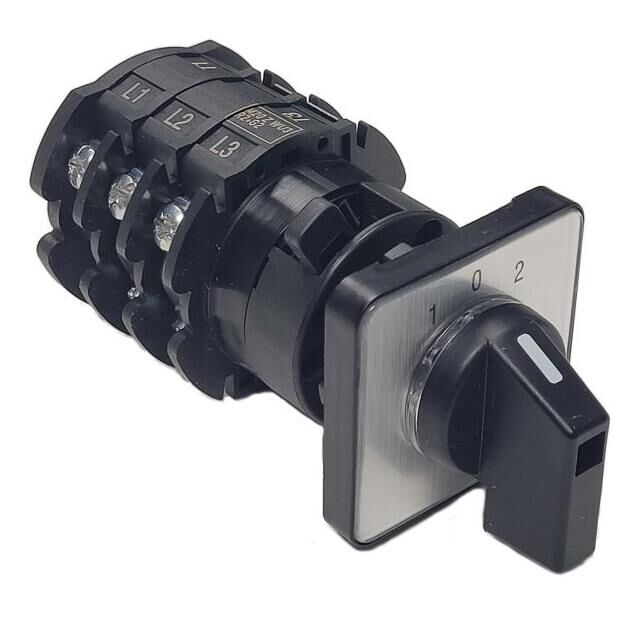 PDF | M20 Z WU3R2+G2 | B&J-USA, Inc. | 3P REVERSING CAM SWITCH 25A - NO | MOQ: 1 Hover to quote | |
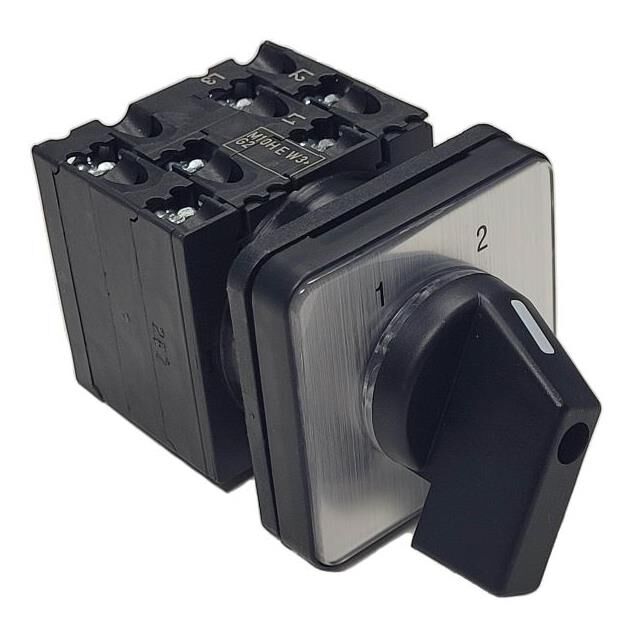 PDF | M10H E W3+G2 | B&J-USA, Inc. | CAM SWITCH 3P CHANGEOVER WITHOUT | MOQ: 1 Hover to quote | |
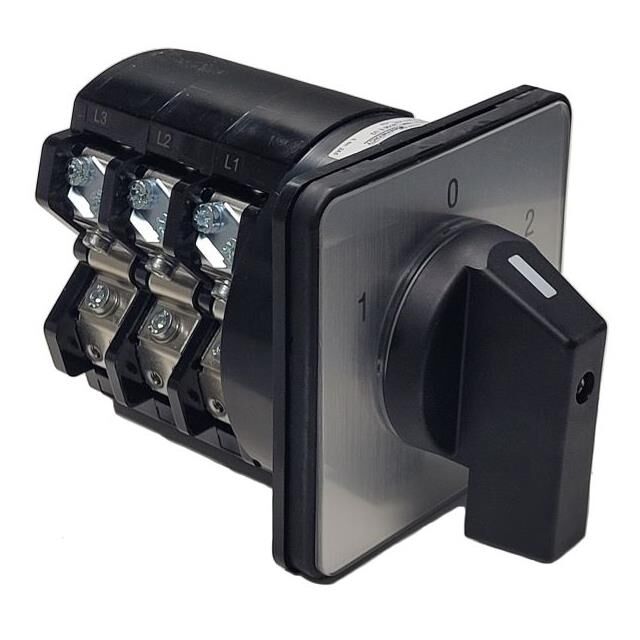 PDF | N100 E U3+G2 | B&J-USA, Inc. | CAM SWITCH130A 3P CHANGOVER W/OF | MOQ: 1 Hover to quote | |
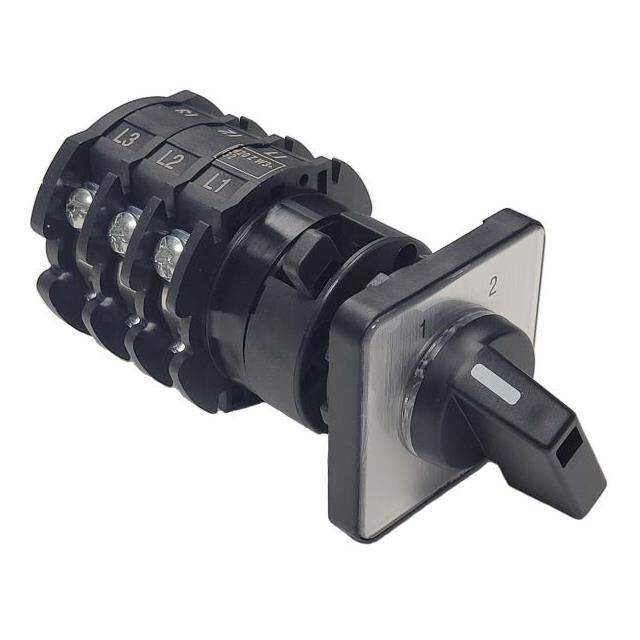 PDF | M20 Z W3+G2 | B&J-USA, Inc. | CAM SWITCH 25A 3P C/O WITHOUT OF | MOQ: 1 Hover to quote | |
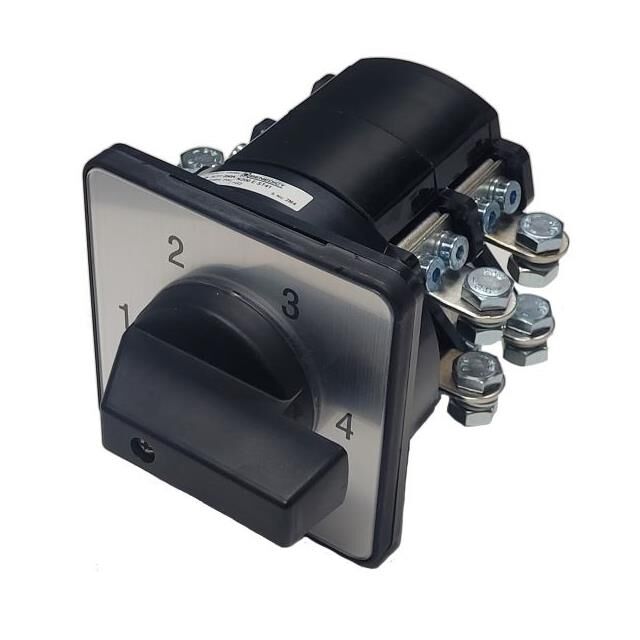 PDF | N200 E ST41+G2 | B&J-USA, Inc. | 250A STEP SWITCH 1P 4POS WITHOUT | MOQ: 1 Hover to quote | |
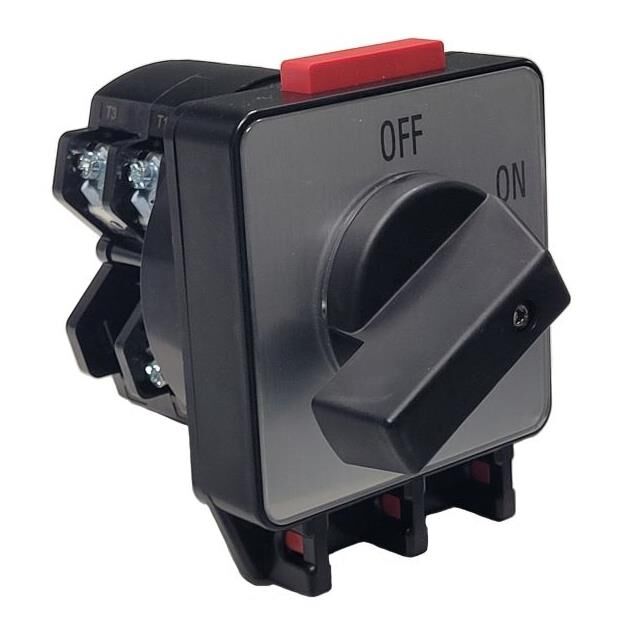 PDF | N100 E A3+003+SV3 | B&J-USA, Inc. | 130A 3P OFF/ON CAM SWITCH - LOCK | MOQ: 1 Hover to quote | |
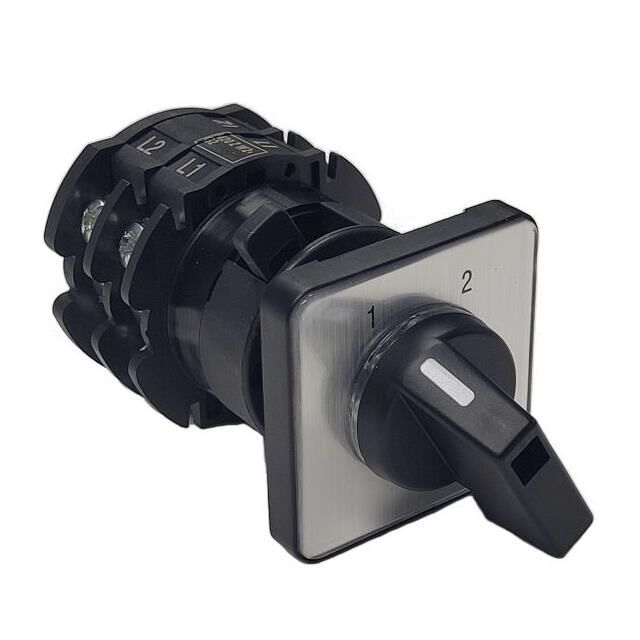 PDF | M20 Z W2+G2 | B&J-USA, Inc. | CAM SWITCH 25A 2P CHANGEOVER WIT | MOQ: 1 Hover to quote | |
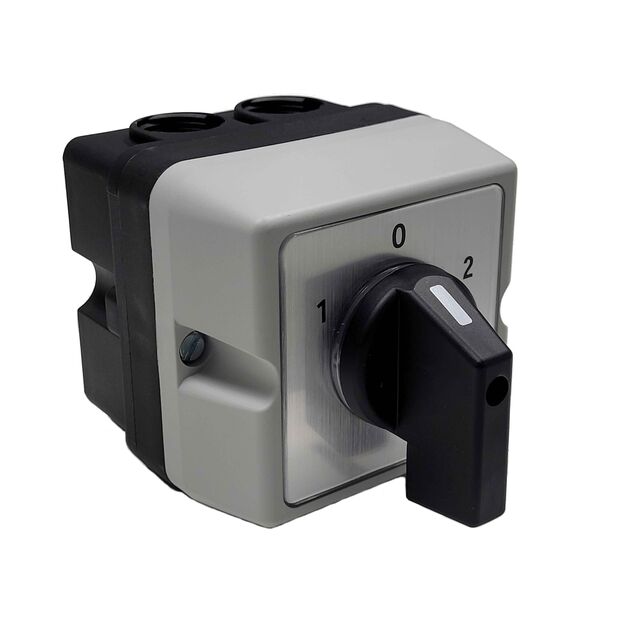 PDF | N20 PF WU3+G2 | B&J-USA, Inc. | ENCLOSED REVERSING SWITCH 3P 25A | MOQ: 1 Hover to quote | |
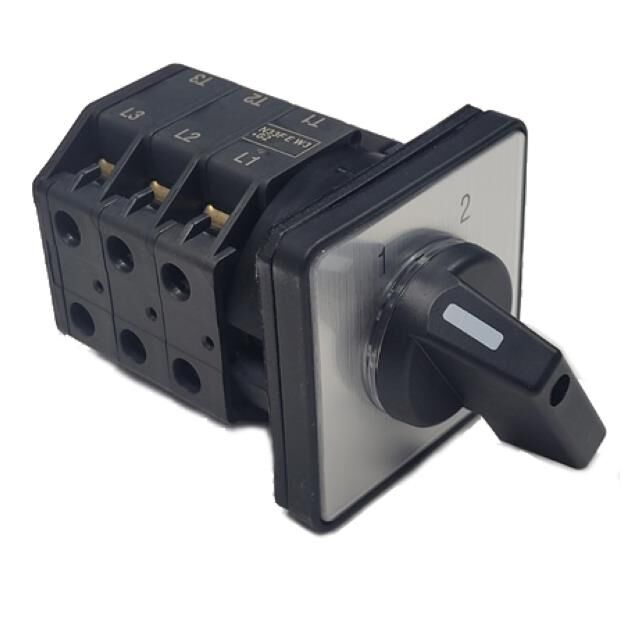 PDF | N33F E W3+G2 | B&J-USA, Inc. | CAM SWITCH 40A 3P C/OVER WITHOUT | MOQ: 1 Hover to quote | |
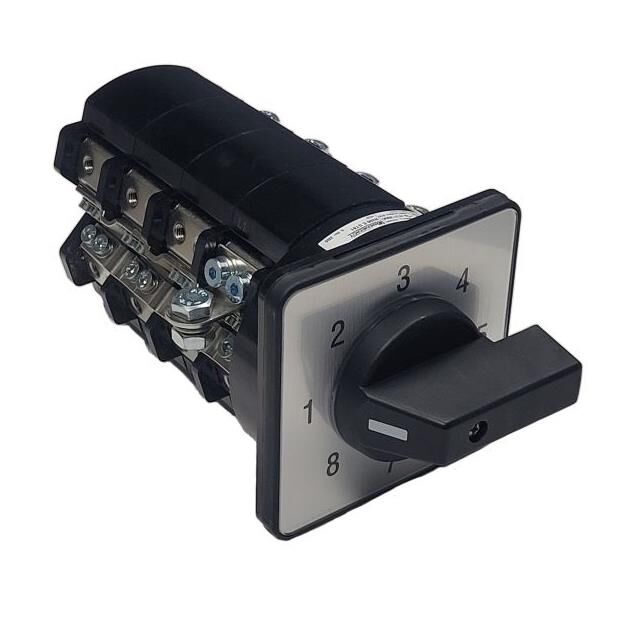 PDF | N200 E ST81+G2 | B&J-USA, Inc. | 250A STEP SWITCH 1P 8POS NO OFF | MOQ: 1 Hover to quote | |
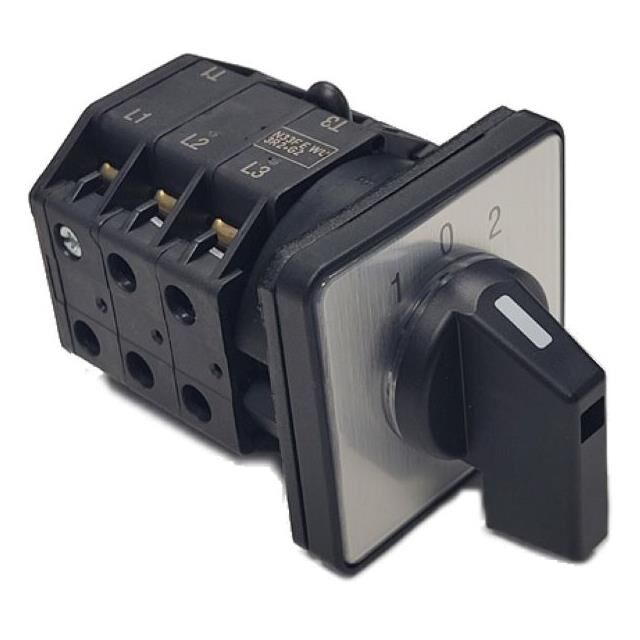 PDF | N33F E WU3R2+G2 | B&J-USA, Inc. | 40A 3P REVERSING CAM SWITCH NON | MOQ: 1 Hover to quote | |
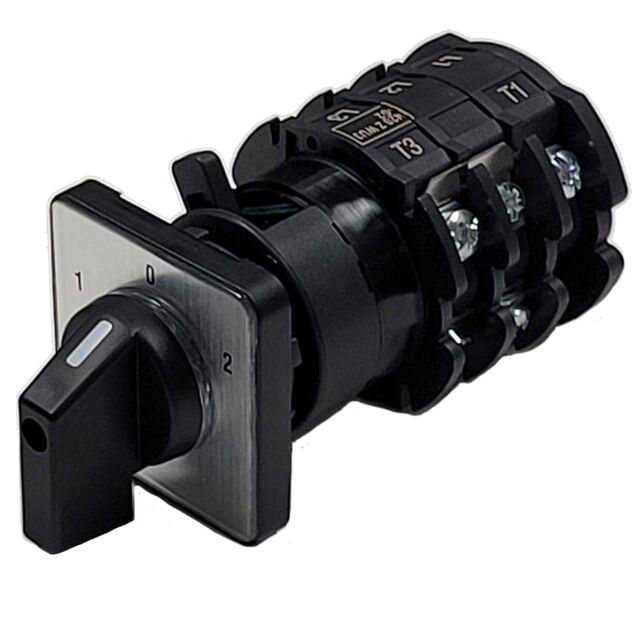 PDF | M20 Z WU3+G2 | B&J-USA, Inc. | CAM SWITCH 25A UL 3P REVERSING | MOQ: 1 Hover to quote |
A rotary switch is an electromechanical device that allows users to control a circuit by turning a knob or shaft through a series of positions. Each position corresponds to a different circuit path, making rotary switches ideal for applications that require multiple selection options from a single control point. The internal contacts rotate with the knob, connecting different poles (input terminals) to one or more throws (output terminals), depending on the switch's configuration. Options like single-pole, two-pole, or even multi-deck designs offer flexibility in complex systems. Rotary switches are commonly found in electronic equipment, control panels, instrumentation, and industrial machinery, as well as in consumer devices like car dashboards where a rotary switch might control lighting or air flow. A two-pole rotary switch, for example, allows two separate circuits to be switched simultaneously, ideal for audio, test, or telecom applications. Compared to a rotary encoder or a selector switch, rotary switches typically offer a more tactile, mechanical detent-based selection method. Unlike a DIP switch, which is set using small levers or slides, a rotary switch is adjusted by turning, which can be more user-friendly in low-visibility or gloved-use situations.