How Actuators Work in Common Household Electronics
What is an actuators? Actuators convert energy into movement, powering devices like smart locks, washing machines, and adjustable furniture.
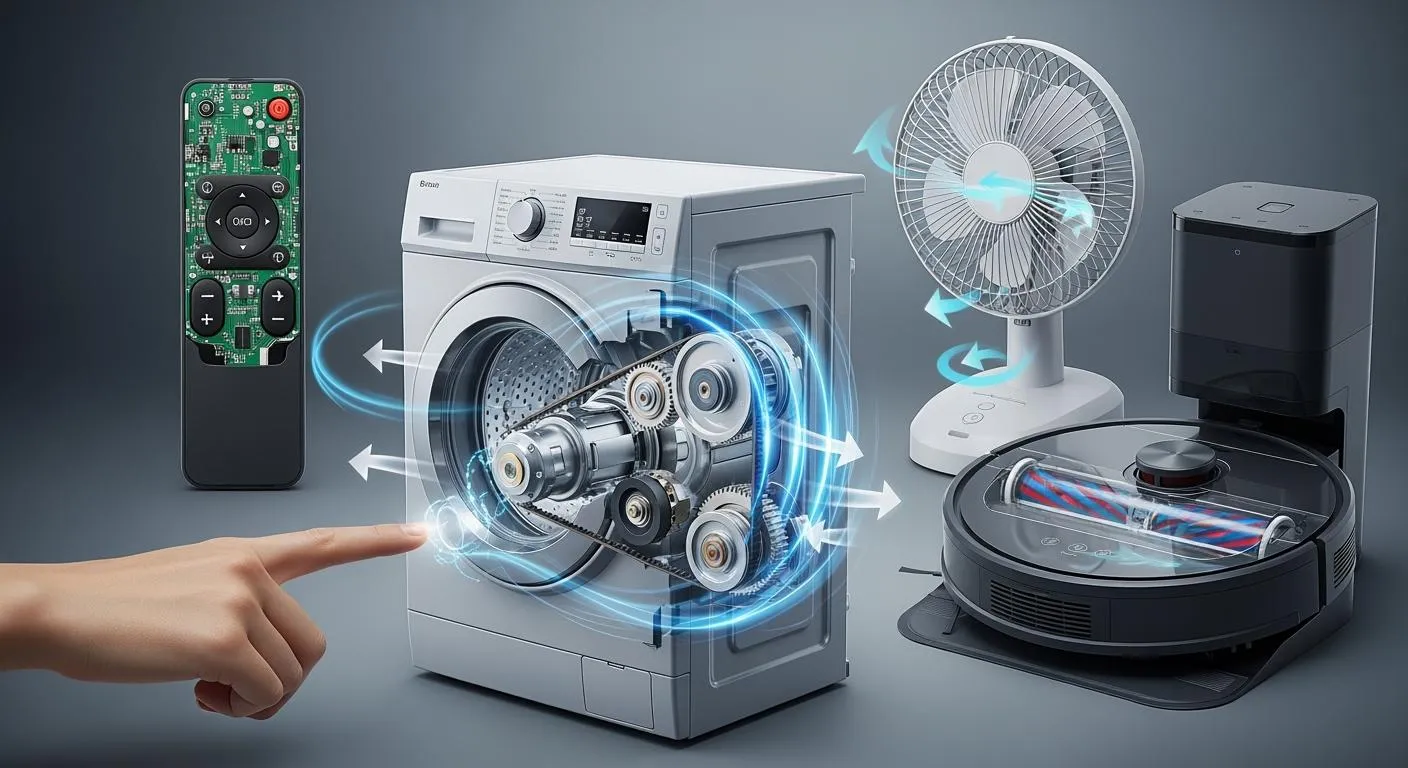
You experience the power of an actuator every time you press a button and see instant movement in your household electronics. An actuator converts energy into movement, making your devices come alive. If you have ever wondered what is an actuators, think of the small parts inside your washing machine or smart lock that control precise actions. Actuators give adjustable furniture the ability to change height and position with smooth movement. They also allow automated window openers and ergonomic office desks to adapt with ease. Without an actuator, electronics would not respond or move as you expect. By appreciating actuators, you understand how technology transforms energy into real-world movement.
Key Takeaways
- Actuators convert energy into movement, making household electronics responsive and interactive.
- Different types of actuators, including electric, pneumatic, and hydraulic, serve unique functions in devices like washing machines and smart locks.
- Understanding the role of actuators helps you appreciate how technology simplifies daily tasks and enhances convenience.
- Regular maintenance of actuators ensures longevity and optimal performance in your household devices.
- Recognizing the difference between actuators and sensors clarifies how devices operate, with actuators creating movement and sensors gathering data.
What Is an Actuator?
Simple Definition
You might ask, what is an actuators and why do they matter in your daily life? An actuator is a machine component that takes energy and turns it into movement. When you press a button on your washing machine, the actuator inside receives an electrical signal. This signal tells the actuator to move a part, like opening a water valve or spinning the drum. In household electronics, actuators act as the muscles of the device. They create force, torque, or displacement by using electrical, pneumatic, or hydraulic energy.
You can think of actuators as the parts that make things happen. For example, when you use an electric motor to open your garage door, the actuator converts electrical energy into motion. This motion can be linear, like moving a rod back and forth, or rotary, like spinning a shaft. The main forms of energy that actuators convert into motion in household devices include electrical, hydraulic, and pneumatic energy.
Actuators play a crucial role in automation and control. They position components with precision, apply force, and create physical displacement. Without actuators, your electronics would not be able to perform tasks automatically.
Here is a simple table to help you understand the types of energy actuators use:
| Type of Energy | Description |
|---|---|
| Electrical | Converts electrical energy into motion. |
| Hydraulic | Uses pressurized hydraulic fluid to create motion. |
| Pneumatic | Utilizes compressed air to generate motion. |
If you want to know what is an actuator in more technical terms, it is a mechanical device that transforms energy into controlled mechanical motion. This motion can be either linear or rotary. The actuator receives commands from a control system and executes them with accuracy. When you learn how to choose an actuator for a specific device, you need to consider the type of energy it uses and the kind of motion it provides.
Actuator vs Sensor
You may wonder about the difference between actuators and sensors. Both are important in household electronics, but they serve opposite functions. A sensor detects changes in the environment and sends information to the system. An actuator receives a command from the system and creates movement or force.
Here is a table that shows the main differences:
| Function | Sensor | Actuator |
|---|---|---|
| Converts | Physical characteristics into electrical signals | Electrical signals into physical characteristics |
| Input | From environment | From output conditioning unit of system |
| Output | To input conditioning unit of system | To environment |
| Generates | Electrical signals | Heat or motion |
| Placement | Input port of the system | Output port of the system |
| Purpose | Measures physical quantity | Measures continuous and discrete process parameters |
| Information | Provides information about the environment | Accepts command to perform a function |
When you ask what is an actuators, remember that actuators make things move, while sensors collect data. For example, in a smart lock, the sensor detects your fingerprint, and the actuator moves the locking mechanism. The electric motor inside the lock acts as the actuator, turning electrical energy into the motion needed to unlock the door.
You will find actuators in many devices, from kitchen appliances to adjustable furniture. Each time you see a device move or perform a task, you can thank the actuator inside. If you want to understand what is an actuator or how to choose an actuator for your home, look at the type of energy it uses and the kind of movement it provides. Electric motor actuators are common because they are reliable and easy to control. Some advanced actuator technology uses smart chips to improve precision and efficiency.
By learning what is an actuators and how they differ from sensors, you gain a better understanding of how your household electronics work. This knowledge helps you appreciate the technology that makes your life easier.
Types of Actuators

You interact with different types of actuators every day, even if you do not realize it. These devices power the movement in your electronics. The main types of actuators you find in household electronics include electric, pneumatic, and hydraulic actuators. Each type has unique features and applications.
Electric Actuators
Electric actuators use electric motors to create movement. You see electric linear actuators in adjustable furniture, home automation, and even in smart window openers. Electric linear actuators change electrical energy into linear motion, which means they move objects in a straight line. You also find rotary actuators in devices that need rotary motion, such as camera pans or antenna positioning. Electric linear actuators offer quiet operation and precise control. You benefit from electric linear actuators in standing desks, recliners, and accessibility equipment. These types of actuators help automate tasks like adjusting blinds or operating entertainment systems. Electric linear actuators have become smaller and more efficient, fitting into compact spaces in modern devices.
Pneumatic Actuators
Pneumatic actuators use compressed air to generate movement. These types of actuators excel at fast, repetitive actions. You find pneumatic actuators in manufacturing and assembly lines, where they position components quickly. In household electronics, pneumatic actuators help with tasks that require speed and reliability. They are cost-effective and need less maintenance compared to other types. Pneumatic actuators can work in harsh environments and have a lower initial investment.
Hydraulic Actuators
Hydraulic actuators use pressurized fluid to create linear motion. These types of actuators deliver high force, making them suitable for heavy-duty applications. You rarely see hydraulic actuators in household electronics because they are more complex and need regular maintenance. However, they play a role in devices that require strong, steady movement.
Here is a table to help you compare the main types of actuators:
| Type of Actuator | Description | Common Applications |
|---|---|---|
| Electric Actuators | Use electric motors to generate rotary motion, converting it to linear motion. | Consumer electronics, home automation |
| Hydraulic Actuators | Use pressurized fluid to create linear motion, generating high force. | Heavy industry, industrial presses |
| Pneumatic Actuators | Use compressed air to create motion, ideal for fast, repetitive actions. | Manufacturing, clamping, sorting |
Motion Types: Linear and Rotary
You will notice that actuators create two main types of motion: linear motion and rotary motion. Linear actuators move objects in a straight line. You see linear actuators in medical devices, adjustable furniture, and compact mechanisms. Electric linear actuators are the most common for these tasks. Rotary actuators create rotary motion, which means they turn or spin parts. You find rotary actuators in devices that need rotation, such as robotic joints or valve controls.
Here is a quick comparison:
| Actuator Type | Motion Type | Applications |
|---|---|---|
| Linear Actuator | Controlled linear motion | Medical devices, adjustable furniture, precise linear movement. |
| Rotary Actuator | Continuous or angular motion | Valve control, antenna positioning, camera pan mechanisms, robotic joints. |
By understanding the different types of actuators and their motion, you can better appreciate how your electronics work. Electric linear actuators, rotary actuators, and other types of actuators all play a role in making devices interactive and efficient.
Actuators in Household Devices

You see actuators at work every day in your home. These devices power movement and control in many common electronics. Here are some real-world examples that show how actuators make your life easier.
Washing Machines
When you use a washing machine, you rely on actuators for several key functions. The actuator controls the water inlet valves, opening and closing them based on the load size. This ensures the right amount of water enters the drum. Another actuator powers the drum rotation, which helps clean your clothes. These applications of actuators allow your washing machine to run cycles automatically and efficiently.
| Component | Application | Examples |
|---|---|---|
| Water inlet control valve | Controls water flow based on load | Valve actuator |
| Drum motor | Rotates drum for washing and spinning | Electric actuator |
Smart Locks
Smart locks use actuators to provide both security and convenience. When you unlock your door with a code or fingerprint, an actuator moves the deadbolt or latch. Most smart locks use small motors or solenoids as the actuator. This application gives you keyless entry and remote control. You can trust the actuator to lock and unlock your door quickly and reliably.
- Examples:
- Motor-driven deadbolt actuator
- Solenoid actuator for latch release
Kitchen Appliances
Actuators automate many kitchen tasks. In blenders and food processors, actuators drive the blades for chopping and mixing. Some ovens use pneumatic actuators to control temperature and timing. You find actuators in coffee machines, where they move parts to dispense water or steam. These applications of actuators make cooking and food prep faster and safer.
| Appliance | Application | Examples |
|---|---|---|
| Blender | Drives blades for mixing | Electric actuator |
| Oven | Controls temperature and timing | Pneumatic actuator |
| Coffee machine | Dispenses water or steam | Electric actuator |
Adjustable Furniture
You enjoy comfort and flexibility with adjustable furniture. Height-adjustable desks and motorized recliners use actuators to change position smoothly. The actuator lets you raise or lower your desk with the push of a button. High-end recliners remember your favorite settings and adjust automatically. These applications of actuators improve your comfort and support healthy posture.
- Examples:
- Linear actuator in height-adjustable desks
- Programmable actuator in adjustable beds
Tip: Regular maintenance of actuators in these devices helps them last longer and keeps your electronics running smoothly.
These examples of actuators show how important they are in daily life. You can find applications of actuators in almost every room, making household automation possible and convenient.
Actuators in Circuits
Integration and Control
You interact with actuators every day, but you might not realize how they connect and operate within household electronic circuits. An actuator receives an electrical signal from a control system, such as a microcontroller or switch. This signal combines with an energy source, like electricity, to produce movement. For example, when you press a button to open a smart lock, the actuator inside responds to the electric current and moves the locking mechanism. Electric linear actuators are popular in homes because they only need a simple power connection to function. This makes them cost-effective and easy to integrate into household devices.
Selecting the right control method for actuators is important. You can manage them through current supply or specific physical interfaces. This ensures that actuators perform tasks like opening doors or moving furniture smoothly. In most cases, actuators operate by receiving a signal from the control system, which can be electrical voltage, hydraulic pressure, or pneumatic force. They convert this signal into motion, allowing your devices to work as intended.
Nova Technology Company (HK) Limited stands out as a HiSilicon-designated solutions partner. The company specializes in chip-level solutions, system integration, and advanced application scenarios for the semiconductor and integrated circuit industry. Their expertise supports efficient actuator integration in household electronics, enhancing reliability and performance in modern circuitry.
Power and Safety
You must pay attention to power requirements when installing actuators in your home. Always check the voltage rating on the actuator's specification sheet to avoid damage. Electric linear actuators have different current draws based on their size, speed, and load. The highest current draw happens at startup or when the actuator reaches its mechanical limits. If you use multiple actuators, add up their individual current needs to find the total capacity required. A safety margin of 20-30% helps account for inrush current spikes.
- Check voltage rating before installation.
- Calculate total current for multiple actuators.
- Allow a safety margin for current spikes.
Proper installation is crucial for actuator performance and longevity. Avoid side loading, which means applying lateral forces to the actuator shaft. Actuators are designed for axial loads, so excessive side loading can cause premature wear. Make sure the actuator can pivot freely and the load is supported. Pay attention to voltage, polarity, and current capacity. Use actuators with suitable IP ratings, like IP65 or IP69K, for wash-down areas. Inspect seals and connectors regularly to prevent damage.
Monitoring temperature and current prevents overheating. Many modern actuators include thermal sensors and over-current protection. Avoid misalignment and side loads to protect seals and bearings. Electric actuators often feature anti-rotation guides to handle minor side loads. Actuator efficiency affects energy consumption. Efficient actuators minimize energy loss, lower operational costs, and improve performance in systems like heating and cooling. Regular maintenance and timely replacement keep actuators working efficiently.
Tip: Efficient actuators save energy and reduce costs. Regular checks help maintain optimal performance.
Actuators make your electronics interactive and reliable. You see their impact in devices like TV lifts and standing desks, which require quiet operation and precise movement:
| Application | Description |
|---|---|
| TV Lifts | Raise and lower displays quietly and smoothly. |
| Standing Desks | Adjust height with synchronized, accurate movement. |
Understanding actuators helps you appreciate features like energy efficiency and programmable intelligence. When you recognize actuators in your home, you can check connections, signals, and installation for better maintenance. Technology becomes easier to understand when you know how these components work.
FAQ
What is the main job of an actuator in home electronics?
An actuator creates movement in your device. You press a button, and the actuator moves a part, like opening a valve or turning a motor. This action makes your electronics interactive.
How do you know if a device uses an actuator?
You see movement when you use the device. For example, if your desk rises or your lock opens automatically, an actuator works inside. Look for parts that move without manual effort.
Can actuators wear out or break?
Yes, actuators can wear out over time. You may notice slower movement, strange noises, or complete failure. Regular maintenance and proper use help extend actuator life.
Are actuators safe to use in household electronics?
Most actuators in home devices are safe. Manufacturers design them with safety features like overload protection. Always follow the instructions and check for proper installation to avoid problems.