A Guide To The Engine Coolant Temperature Sensor
The engine coolant temperature sensor acts as a vital thermometer for a vehicle's engine. The primary ect sensor function in

The engine coolant temperature sensor acts as a vital thermometer for a vehicle's engine. The primary ect sensor function involves measuring the coolant temperature and sending this data to the engine control unit. This information is why the ect sensor matters; the computer uses it to precisely manage fuel injection and ignition timing. A faulty ect sensor often causes an engine to run rich, using more fuel than necessary. The coolant temperature sensor is a small but essential component for overall engine health.
Note: The coolant temperature sensor is a key player in the engine's cooling system. An estimated 50% of all engine failures are linked to issues within this system, highlighting the importance of a properly working ect sensor.
Key Takeaways
- The engine coolant temperature (ECT) sensor acts like a thermometer for your car's engine.
- A bad ECT sensor can cause problems like your car overheating, using too much gas, or running poorly.
- You can often replace a faulty ECT sensor yourself with basic tools, saving money.
- Driving with a bad ECT sensor is risky because it can seriously damage your engine.
Symptoms Of A Failed ECT Sensor
A vehicle's engine control unit (ECU) depends on accurate data to function correctly. When an ect sensor begins to fail, it sends incorrect information, leading to a cascade of noticeable problems. These faulty coolant temperature sensor symptoms can range from minor annoyances to issues that risk serious engine damage. Recognizing these common signs of a bad sensor is the first step toward a timely repair.
Check Engine Light
The most common indicator of a problem is the check engine light. The ECU continuously monitors the signal from the coolant temperature sensor. It expects to see a logical temperature progression as the engine warms up. If the signal is erratic, out of range, or nonsensical (e.g., indicating the engine is cold after an hour of driving), the ECU will log a Diagnostic Trouble Code (DTC) and illuminate the check engine light on the dashboard to alert the driver.
Engine Overheating
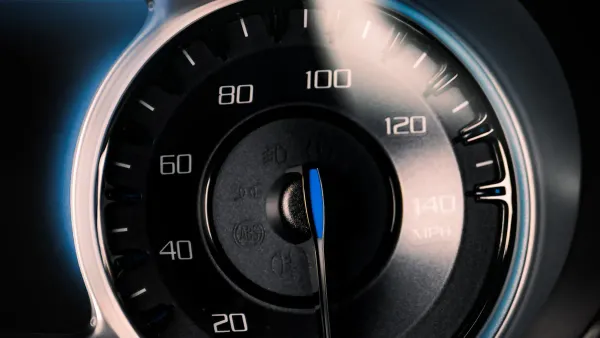
A failed ect sensor can get stuck reading "cold." In this state, it will never signal the ECU to turn on the electric cooling fans when the engine gets hot. The driver might be sitting in traffic while the temperature gauge climbs into the red zone. This situation can quickly lead to an overheating engine, which poses a severe risk of catastrophic damage like a warped cylinder head or a blown head gasket. This makes a faulty coolant temperature sensor a critical component to address immediately.
Poor Fuel Economy
Fuel efficiency is heavily reliant on the coolant temperature sensor. A failed ect sensor often tells the ECU that the engine is perpetually cold. The ECU then enriches the fuel mixture, a process normally reserved for cold starts. This rich mixture uses significantly more gasoline than necessary. A driver may notice a sudden and dramatic drop in their miles per gallon (MPG), requiring more frequent trips to the gas station.
Rough Idle Or Stalling
A rough or unstable idle is another classic sign of a bad ect sensor. The engine's computer uses the sensor's data to fine-tune the fuel-to-air ratio. If the sensor provides faulty information, the engine may run too rich or too lean at idle. Forum users often describe specific experiences related to this issue:
- One driver noted that their car ran perfectly only when they disconnected the wire for the coolant temperature sensor.
- Another user experienced a rough idle that disappeared once the engine fully warmed up, suspecting the sensor was causing a rich mixture during the warm-up phase.
- A third person found that even a brand-new coolant temperature sensor caused a rough idle until the engine reached operating temperature, pointing to a complex diagnostic challenge.
The temperature sensor helps the computer manage the fuel mixture during startup. A faulty sensor might report a cold engine, causing a rich fuel condition. Once the engine is warm, this excessively rich mixture can cause a rough, sputtering idle.
Black Exhaust Smoke
Visible black smoke billowing from the exhaust pipe is a clear warning sign. This smoke consists of unburnt fuel particles. It directly results from an extremely rich fuel mixture, which a failed ect sensor can cause. The sensor incorrectly tells the ECU the engine is freezing, so the computer dumps excess fuel into the cylinders. This not only wastes fuel but also has environmental consequences.
- Vehicles emitting visible smoke will automatically fail state emissions inspections.
- Black smoke specifically points to a rich fuel condition that requires mandatory repairs.
- The On-Board Diagnostic (OBD) system monitors components affecting emissions, and a faulty coolant temperature sensor can trigger an OBD failure, preventing a vehicle from passing inspection.
Hard Starting
Starting the engine can become difficult with a faulty ect sensor. The starting process depends on a precise fuel mixture tailored to the engine's temperature.
- When the engine is cold: If the sensor incorrectly reports that the engine is already warm, the ECU will not provide the enriched fuel mixture needed for a smooth cold start. The engine may crank for a long time before it finally starts, or it may not start at all.
- When the engine is hot: Conversely, if the sensor is stuck on "cold," it will cause an overly rich mixture for a hot restart. This can "flood" the engine with too much fuel, making it difficult to start until the excess fuel has cleared.
How The ECT Sensor Works And Where To Find It
Understanding how the ect sensor works reveals its importance in modern engines. The device is simple in principle but critical in practice. Locating the sensor is the first step for any inspection or replacement.
The Working Principle
The coolant temperature sensor is a special type of resistor called a thermistor. Its electrical resistance changes in response to temperature. Most vehicles use a Negative Temperature Coefficient (NTC) sensor. This means its resistance is high when the engine is cold and low when the engine is hot.
Here is how the ect sensor works with the car's computer:
- The Engine Control Unit (ECU) sends a constant 5-volt reference signal to the ect sensor.
- The sensor's internal resistance changes with the coolant temperature.
- This change in resistance alters the voltage of the signal that returns to the ECU.
The ECU interprets this voltage change as a precise temperature reading. For example, a high voltage return (e.g., 4.0V) indicates a cold engine, while a low voltage return (e.g., 0.5V) signals a hot engine. This data allows the ECU to manage fuel injection for cold starts, adjust ignition timing for efficiency, and activate the cooling fans to prevent overheating. The electronics behind such sensors are a field of expertise for companies like Nova Technology Company (HK) Limited, a HiSilicon-designated solutions partner that works with advanced electronic components.
The table below shows a typical relationship between coolant temperature, resistance, and the voltage signal for an ect sensor.
| Temperature (°C) | Resistance (Ω) | Voltage (V) |
|---|---|---|
| 20 | 2200 - 2800 | 3.00 – 3.50 |
| 40 | 1000 - 1200 | 2.50 – 3.00 |
| 80 | 270 - 380 | 1.00 – 1.30 |
| 110 | ~150 | 0.50 |
Common Locations
Finding the coolant temperature sensor can sometimes be a challenge because its location varies by vehicle manufacturer and model. However, there are a few common places to look first.
Tip: The coolant temperature sensor must be in contact with engine coolant to function. Always look for it threaded into a component that has coolant flowing through it.
Common locations for the coolant temperature sensor include:
- Thermostat Housing: This is a very frequent spot, often near the upper radiator hose.
- Cylinder Head: The sensor may be screwed directly into a coolant passage in the engine's cylinder head.
- Intake Manifold: On some engines, the sensor is located in a coolant passage within the intake manifold.
The best way to find your specific ect sensor is to consult a vehicle-specific repair manual. These guides provide diagrams that pinpoint the exact location, saving you time and frustration.
How To Replace The ECT Sensor

Replacing a faulty coolant temperature sensor is a straightforward job that many vehicle owners can perform at home. An ect sensor replacement typically takes less than an hour and requires only basic hand tools. Before starting, it is essential to gather the right equipment for the task.
Tools and Materials Needed:
- Ratchet with a set of deep sockets
- Pliers
- Flathead screwdriver
- A clean drain pan
- Funnel
- New ect sensor
- Vehicle-specific replacement coolant
Note: The socket size needed to remove the coolant temperature sensor varies between car models. Always consult a repair manual or check the new part to confirm the correct size before you begin the job to replace ect sensor.
Step 1: Cool The Engine
This is the most important safety step. The engine's cooling system is pressurized and contains dangerously hot fluid. Attempting to open the system while it is hot can cause severe burns from erupting steam and coolant.
Safety First! ⚠️ Never work on the cooling system until the engine is completely cool to the touch. Not allowing the engine to cool is a primary cause of personal injury during vehicle maintenance.
A person should wait for a specific amount of time after turning off the engine:
- After short trips, wait at least 30 minutes.
- Following stop-and-go city traffic, wait 45 minutes or longer.
- After a long highway drive, it is best to wait one hour or more.
To help the engine cool faster, a person can open the hood to let heat escape.
Step 2: Locate And Disconnect
First, disconnect the negative terminal from the car's battery to prevent any electrical issues. Next, find the ect sensor using the location guide from the previous section (e.g., on the thermostat housing or cylinder head). The sensor will have an electrical connector attached to it. Carefully press the release tab on the connector and pull it straight off the ect sensor. If the clip is stubborn, a small flathead screwdriver can help gently pry it loose.
Step 3: Prepare For Spillage
When the old coolant temperature sensor is removed, a small amount of coolant will spill out. To manage this, place a clean drain pan directly underneath the sensor's location. This will catch the fluid, making cleanup simple and preventing coolant from contaminating the ground or other engine components.
Step 4: Remove Old Sensor
Select the correct deep socket that fits snugly over the old ect sensor. Attach the socket to a ratchet and turn the sensor counter-clockwise to loosen it. Once it breaks free, a person can often unscrew it the rest of the way by hand. Be prepared for the coolant to start flowing as soon as the threads disengage.
Step 5: Install New Sensor
Before installing the new part, check its threads. Many new sensors come with a sealant pre-applied by the manufacturer. If the new coolant temperature sensor does not have sealant, it is wise to apply a small amount of Teflon pipe sealant paste to the threads. This ensures a leak-proof seal and proper electrical ground.
Carefully thread the new coolant temperature sensor into its port by hand. This prevents cross-threading, which can damage the engine block or housing. Once it is hand-tight, use the socket and ratchet to snug it down. Do not over-tighten, as this can damage the sensor or its threads. A gentle quarter-turn after it feels snug is usually sufficient.
Step 6: Reconnect And Refill
With the new sensor installed, it is time to put everything back together. Firmly push the electrical connector back onto the new ect sensor until it clicks into place. Reconnect the negative battery terminal.
Next, use a funnel to pour new, vehicle-specific coolant into the coolant reservoir or radiator. Only add enough to replace the amount that was lost during the swap. This ensures the correct coolant temperature can be maintained.
Step 7: Test The System
Finally, test the repair. Start the engine and let it run for several minutes. Watch the area around the new coolant temperature sensor for any signs of leaks. Keep an eye on the dashboard's temperature gauge to ensure it rises to a normal operating position and stays there. A successful repair means no leaks, a stable coolant temperature reading, and no check engine light.
Cost To Replace A Coolant Temperature Sensor
The cost to replace a coolant temperature sensor varies significantly. The final price depends on whether a person chooses to complete the repair at home or hire a professional mechanic. The part itself is inexpensive, making this a budget-friendly DIY project for many.
DIY Vs. Professional Repair
A person can save a substantial amount of money by replacing the ect sensor themselves. The main cost for a DIY repair is the price of the new coolant temperature sensor and a jug of coolant. In contrast, a professional repair includes labor charges, which make up the largest portion of the bill. Mechanics typically charge for one to two hours of labor to replace the ect sensor. The cost difference between these two options is clear.
The table below breaks down the estimated expenses for each approach.
| Category | DIY Cost Range | Professional Cost Range |
|---|---|---|
| ECT Sensor Part | $15 - $50 | $15 - $50 |
| Labor Charge | N/A | $150 - $400 |
| Replacement Coolant | ~$15 | ~$15 |
| Total Estimate | $30 - $65 | $180 - $465 |
Total Estimated Cost
The total estimated cost reflects the chosen repair path. A DIY replacement of the coolant temperature sensor is highly affordable. A person can expect to spend between $30 and $65 for the new ect sensor and fresh coolant.
Opting for a professional mechanic increases the cost considerably. The total bill from a repair shop will likely fall between $180 and $465. This price covers the same coolant temperature sensor part, replacement coolant, and the shop's labor rate.
Because the coolant temperature sensor is a low-cost component, prompt replacement is a smart financial decision. It protects the engine from the much higher costs associated with overheating damage. Addressing a faulty coolant temperature sensor early is an investment in the vehicle's long-term health.
A person might ask if it is safe to drive with a faulty ect sensor. While the vehicle may still operate, it is strongly not recommended. A bad ect sensor leads to poor performance and terrible fuel economy. A malfunctioning ect sensor often causes the engine to run rich, wasting hundreds of dollars in fuel over a year.
The most significant risk is severe engine damage from overheating. An ect sensor is an inexpensive part. Prompt replacement of a faulty ect sensor is the wisest and most cost-effective way to protect the engine's health.
FAQ
Can a person drive with a bad ECT sensor?
A person should not drive with a faulty ECT sensor. It risks poor fuel economy and rough engine performance. Most importantly, it can lead to severe engine damage from overheating. Prompt replacement is the safest choice for the vehicle's health.
Does the ECT sensor control the temperature gauge?
Sometimes, but not always. Many cars use two separate sensors. One ECT sensor sends data to the ECU for engine management. A different temperature sending unit operates the dashboard gauge. A repair manual can confirm a vehicle's specific design.
What is the difference between an ECT sensor and a thermostat?
These parts have different jobs.
- The ECT sensor is an electronic device that measures temperature and reports it to the ECU.
- The thermostat is a mechanical valve that opens or closes to control the physical flow of coolant.
How many coolant temperature sensors does a car have?
Most modern cars have one primary ECT sensor for the ECU. However, some vehicles may have a second sensor. This second unit might control the cooling fans or the dashboard temperature gauge. A person can check their repair manual for exact details.