Connector Distribution: Types, Applications, and Sourcing Strategies
Connector distribution affects how connectors move in supply chains and reach users. Companies need good distribution channels to send connectors to many industries.
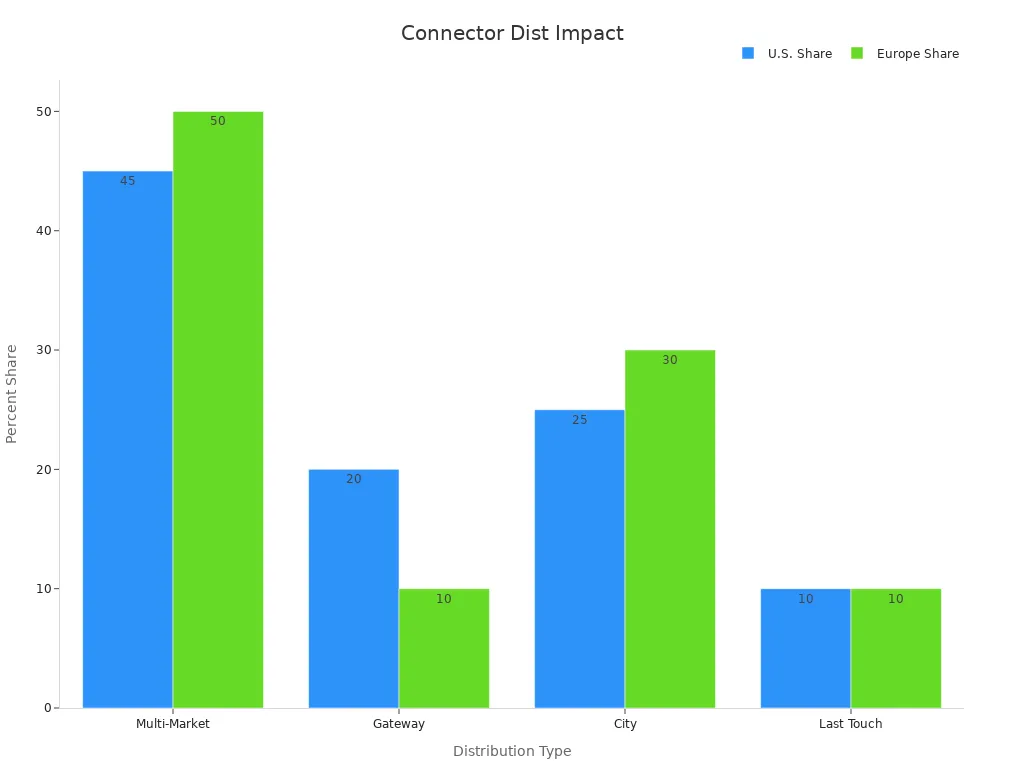
Connector distribution affects how connectors move in supply chains and reach users. Companies need good distribution channels to send connectors to many industries. The amount of each distribution type in logistics real estate shows how they help supply chains work better.
|
Distribution Type |
Approximate Share in U.S. Logistics Real Estate |
Approximate Share in Europe |
Key Characteristics and Impact on Supply Chain Efficiency |
|---|---|---|---|
|
Multi-Market |
~45% |
~50% |
These are newer and bigger buildings. They have taller ceilings, bigger spaces between columns, and more doors. Their share is growing. There is a high risk of traffic jams. |
|
Gateway |
~20% |
~10% |
There is a high risk of traffic jams. These are in important spots for gateway jobs. |
|
City |
~25% |
~30% |
These are in good places for city deliveries. |
|
Last Touch |
~10% |
~10% |
These are older buildings. They are smaller, have lower ceilings, and fewer doors. They do not have the newest features. |
Distribution channels and the right connectors make systems work better and more reliably.
Key Takeaways
-
Connector distribution helps move connectors from makers to users. It uses different ways to make sure delivery is fast and safe.
-
There are many types of connectors. These include electrical, electronic, heavy-duty, aseptic, data, and custom. Each type is used for different industry needs.
-
Good distribution plans use direct, indirect, selective, and hybrid channels. These help companies reach customers quickly and lower risks.
-
Picking the right suppliers and choosing between insourcing and outsourcing is important. This can make quality better, boost creativity, and keep the supply chain strong.
-
Good supplier relationships, quality checks, and risk management are important. They help keep connector supply steady and let companies react fast to market changes.
Connector Distribution Overview
Definition
Connector distribution is how companies get connectors from makers to users. They use different ways to do this, like wholesalers, distributors, or selling directly. Each way helps connectors arrive where and when they are needed. Distribution boxes are important in this process. These boxes keep connectors safe and organized. This makes it easier to install them and helps systems work better. Connector distribution includes everything from storing to delivering connectors. It makes sure connectors are safe and ready to use.
Importance
Connector distribution helps many industries. It lets companies get the connectors they need for their work. Good distribution channels help avoid delays and save money. They also let companies react fast when demand changes. Distribution boxes help by keeping connectors neat and safe. This helps workers install connectors quickly and with fewer mistakes. Good connector distribution keeps factories working and stops costly shutdowns.
Note: The way connectors are distributed can change how fast and well they reach users. Companies that pick the best channels can give better service and spend less money.
Role in Supply Chain
Connector distribution is a big part of the supply chain. It links makers, distributors, and users together. Distribution channels move connectors from factories to warehouses and then to customers. Each channel has its own good points. For example, direct channels give more control, while indirect ones reach more people. Distribution boxes help at every step by keeping connectors safe and easy to handle. When companies use the best connector distribution plan, they make systems work better and more reliably. This helps them meet customer needs and stay ahead.
-
Distribution channels link all parts of the supply chain.
-
Distribution boxes help with installation and cut down on mistakes.
-
Connector distribution makes sure connectors arrive fast and safely.
Types of Connectors
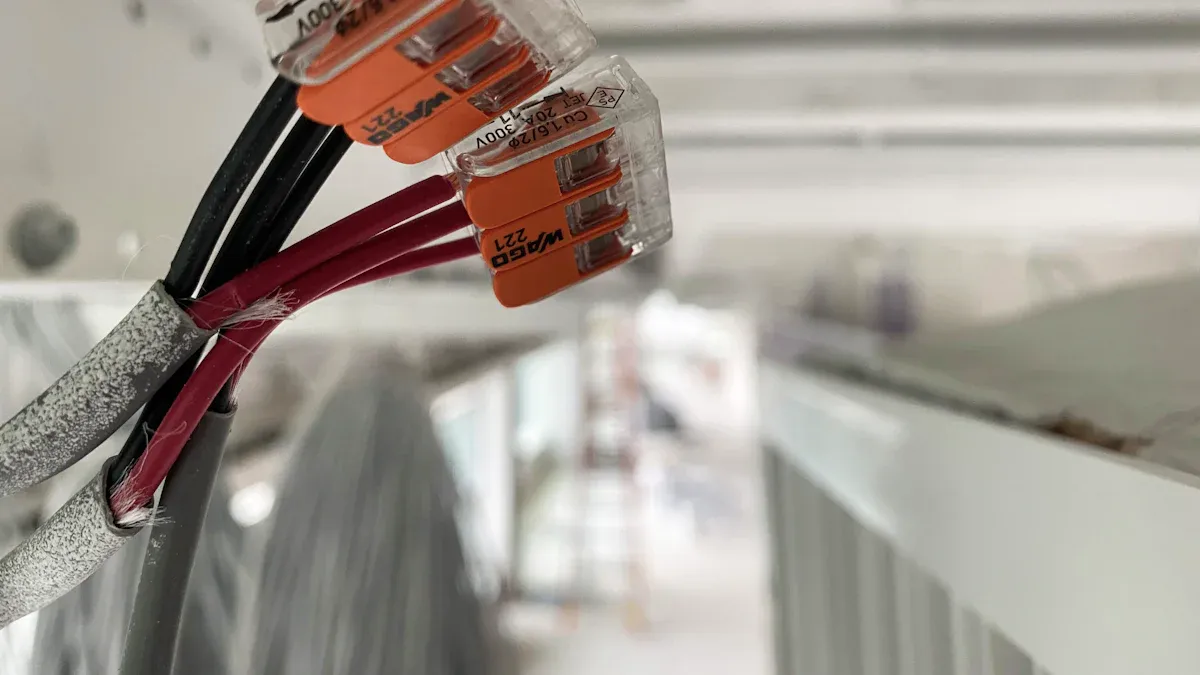
Connectors come in many kinds. Each kind has a special job in different fields. Good connector distribution helps companies get what they need. Here are the main kinds used in connector distribution:
Electrical
Electrical connectors move power from one device to another. They help machines and tools work safely. You can find these in homes, cars, and factories. Distribution of electrical connectors must follow safety rules. Companies use these to make sure power moves without trouble.
Electronic
Electronic connectors send signals between boards and devices. These help computers, phones, and TVs work right. Distribution of electronic connectors helps with fast tech changes. Companies need strong types to keep up with new things.
Heavy-Duty
Heavy-duty connectors work in hard places. They can handle dust, water, and strong hits. These are used in building, mining, and trains. Distribution of heavy-duty connectors must focus on strength and lasting a long time. These connectors keep big machines working.
Note: Heavy-duty types often use special materials to handle tough places.
Aseptic
Aseptic connectors keep things clean and free from germs. Hospitals and labs use these to stop germs from spreading. Distribution of aseptic connectors must keep them safe from dirt and harm. These connectors help keep people healthy.
Data
Data connectors move information between devices. You can find them in computers, servers, and networks. These types help send data fast and safely. Distribution of data connectors must keep up with new tech. Companies need these for good communication.
Custom
Custom connectors fit special needs. Some companies need different shapes or features. Distribution of custom connectors often needs more planning. These types help fix problems that normal connectors cannot.
A good connector distribution plan uses all these kinds. Companies pick the right types for their jobs and fields.
Connector Applications
Automotive
Automotive companies put connectors in many car parts. These connectors help send power and signals to things like lights and sensors. They also help engines work. Distribution makes sure the right connectors get to car factories on time. Fast and steady distribution keeps car production moving. Many cars need special connectors for safety and good performance.
Consumer Electronics
Phones, tablets, and laptops need connectors to work. Distribution networks bring millions of connectors to factories and stores each year. These connectors let people charge devices and move data. They also help connect accessories. Good distribution helps new products reach stores fast.
Industrial Automation
Factories use connectors in machines and robots. These connectors carry signals and power to control equipment. Distribution helps get connectors to assembly lines and repair teams. Reliable distribution keeps machines running and stops downtime. Many factory jobs need connectors that can handle tough places.
Telecommunications
Telecommunications companies use connectors in networks and data centers. These connectors link cables, switches, and servers together. Distribution channels must bring connectors that meet strict speed and reliability rules. Good distribution helps build and keep strong communication networks.
Medical Devices
Medical devices need connectors for things like monitors and pumps. Distribution makes sure hospitals and labs get safe and clean connectors. Many medical jobs need connectors that stop germs from spreading. Fast distribution can help save lives by bringing important parts quickly.
Energy & Manufacturing
Energy plants and factories use connectors in control panels and power systems. Distribution brings connectors that can handle high voltages and tough places. Many energy jobs need connectors that last a long time. Good distribution helps keep work safe and running well.
Aerospace & Defense
Aerospace and defense companies use connectors in planes and military gear. They also use them in satellites. Distribution must follow strict rules for quality and safety. These jobs often need custom connectors for special tasks. Reliable distribution helps protect people and equipment in hard situations.
Note: The right distribution plan helps many jobs by bringing connectors where and when they are needed.
Distribution Strategies
Picking the best distribution strategies helps companies send connectors fast. The way connectors move depends on the channels used. Each strategy has its own good points for getting connectors and finding sources.
Direct
Direct distribution channels send connectors right from the maker to the user. This way gives companies more control over quality and timing. Many companies use direct channels for custom or expensive connectors. Direct channels can react quickly when demand changes. This method helps companies build strong ties with buyers.
Indirect
Indirect distribution channels use middlemen like wholesalers or stores. These channels help companies reach more customers in many places. Indirect channels often save money by sharing storage and shipping. Companies use this for standard connectors that lots of people need. Indirect channels also help companies enter new markets.
Selective
Selective distribution means companies choose a few partners to sell connectors. This helps control quality and keep a good brand image. Selective channels work well for connectors needing special care or support. Companies can teach partners to give better service. This way balances how far they reach and how much control they have.
Exclusive
Exclusive distribution lets one partner sell connectors in a certain area. This builds strong partnerships and loyalty. Exclusive channels are often used for high-end or special connectors. Companies use this to protect their brand and give top service.
Hybrid & Omnichannel
Hybrid and omnichannel strategies use more than one channel type. Companies use both direct and indirect channels to reach more users. Omnichannel connects online and store sales for a smooth experience. Studies show flexible strategies, like hub-and-spoke and digital tools, help connector supply. These ways help companies handle problems and react fast to changes. Market research finds that digital links and data-sharing make channels work better. Companies using hybrid and omnichannel strategies can keep connectors ready, even when supply chains are stressed.
Tip: Companies should check their strategies often. This helps them stay ready for market changes and keep connectors in stock.
Strategic Sourcing Approaches
Insourcing & Outsourcing
Companies pick between insourcing and outsourcing for connector sourcing. Insourcing means a company uses its own teams. Outsourcing means hiring outside suppliers or contractors. Both ways have good and bad sides.
-
Many companies now use more insourcing than before. A study looked at fourteen big companies. They went from 70% outsourced teams to 70% insourced teams.
-
Insourcing helps companies come up with new ideas faster. Teams inside the company know the products better. They feel more excited about their work. They make better intellectual property and improve code quality.
-
Insourced teams often show more passion and creativity. They help companies save money by moving jobs to employees. This does not make the team bigger.
-
Insourcing works best with help from human resources, procurement, and IT. Companies need to give good pay, training, and rewards.
-
Outsourcing can work if companies have clear plans and manage demand. Talking often with suppliers helps a lot. Long-term supplier relationships work better than short-term deals.
A Dutch study looked at 30 outsourcing deals. It found that 60% worked well. Success came from following plans, managing demand, and talking with suppliers. Outsourcing can fail if suppliers only care about profit. It can also fail if teams do not work together. Insourcing can help by building skills inside the company.
Offshoring & Nearshoring
Offshoring means getting connectors from faraway countries. Nearshoring means picking suppliers closer to home. Both choices change how companies get and move connectors.
Offshoring can save money but brings more risk. Long supply chains can have more delays and problems. Nearshoring lowers these risks by making delivery faster. It also helps companies talk to suppliers more easily. Nearshoring helps companies react faster to changes.
Distribution channels are important for these choices. Offshoring needs strong global channels to move connectors across borders. Nearshoring uses regional channels that can react quickly. Companies must balance saving money with having a steady supply.
Global & Hybrid Sourcing
Global sourcing uses suppliers from many countries. Hybrid sourcing mixes global suppliers with local or regional ones. These ways help companies handle risk and cost.
-
Global supply chains can have big problems. Things like COVID-19 caused shortages and delays.
-
Using only one supplier or faraway sources is risky. If something goes wrong, companies may lose connectors.
-
Strategic sourcing teams help by finding key parts and using more than one supplier.
-
Hybrid sourcing, like local sourcing or onshoring, lowers risk. But it can cost more or be harder to manage.
-
Just-in-Time inventory saves money in normal times. But it can cause trouble when there are problems.
|
Aspect |
Finding |
|---|---|
|
Sourcing Strategy Dimensions |
Few core suppliers and Just-in-Time systems affect resilience in different ways. |
|
Empirical Proxy Data |
Most sourcing differences come from buyers, not products or countries. |
|
Correlation |
Buyers with few suppliers also use Just-in-Time systems. |
|
Pandemic Impact |
Buyers with strong supplier ties had fewer problems during COVID-19. |
Companies must think about saving money and having a steady supply. New ways of making things, like 3D printing, can help. Hybrid sourcing helps companies stay flexible and strong.
Supplier Selection
Picking the right supplier is important for connector sourcing. Companies want suppliers who give good quality, are reliable, and have fair prices. They also check if suppliers can support their distribution channels.
Choosing channels depends on what suppliers do best. Some suppliers work better with direct distribution. Others fit indirect or hybrid channels. Companies pick suppliers who can change with their needs and deliver fast.
Good supplier relationships help companies manage channels better. Long partnerships give better service and lower risk. Companies should check supplier performance often and change plans if needed.
Cost & Risk Management
Cost and risk management are very important for sourcing. Companies need to keep costs low and supply steady. Price changes, shortages, and shipping delays all matter.
Managing channels helps companies lower risk. Using more than one channel or supplier helps avoid running out of connectors. Companies can use smart inventory plans and different materials to stay ready.
Tip: Companies should balance saving money with managing risk. Good supplier relationships and managing channels help companies stay ready for market changes.
Strategic sourcing helps companies pick the best channels and suppliers. By managing sourcing, distribution, and supplier choice, companies can save money and keep their supply chains strong.
Best Practices for Connectors
Supplier Relationships
Good supplier relationships help companies move connectors easily. Many top companies use these steps:
-
Set clear rules for quality and delivery times. Companies make agreements and meet often.
-
Build trust by sharing information. Teams give feedback and work together for a long time.
-
Use technology to talk better. Tools and managers help track orders and fix problems.
-
Fix problems with scorecards and plans. Companies reward suppliers who do a good job.
-
Support new tools and ideas. Teams use AI and machines to make channels better.
These steps help companies and suppliers work as a team. They make sure connectors move without delays.
Quality Assurance
Quality is important at every step. Companies use research and data to check their work. They follow strict rules and test connectors before sending them. Teams use methods like FOCUS-PDSA to get better over time. They look at data, make changes, and check what happens. This helps companies find and fix problems fast. Quality checks keep connectors safe and ready. Good quality also saves money by stopping returns and repairs.
Market Trends
The connector market changes quickly. Companies watch trends to know what people need. They use trend checks to compare their data with others. Experts look at results to find mistakes or bias. Teams test if trends are real or just luck. This careful work helps companies change their channels. They can react to new tech or customer needs. Watching trends helps companies stay ahead.
Risk Management
Risk management keeps connector distribution safe. Companies use data to find risks early. They check for problems in supply, shipping, or quality. Teams use plans to fix problems before they get big. They also use more than one supplier or channel to avoid shortages. Regular checks help companies stay ready for changes. Good risk management keeps connectors moving and safe.
Connector distribution affects how companies give value and help customers. Good distribution plans make supply chains stronger and meet customer needs. Using more than one supplier and sharing information helps lower risks and give better service. Companies that use digital tools and track orders in real time make fewer mistakes and send orders faster. To make connector buying and supply chains work better, teams should:
-
Match distribution plans with company goals and use online buying systems.
-
Watch how well distribution works and if suppliers follow rules.
-
Share news and updates with all parts of the distribution chain.
-
Use modular connectors and smart buying to save money.
-
Get procurement teams involved early to help distribution.
-
Use good contract rules to make distribution better.
-
Think about the environment when making distribution choices.
-
Use supplier scorecards to check how well distribution works.
-
Check distribution plans often to stay ahead of others.
Companies that work hard on good distribution see better supply chains and do well for a long time. For more help or special advice, talk to experts in the field.
FAQ
What is a connector in electronics?
A connector links two or more circuits together. It lets electricity or data move between parts. People use connectors in things like computers, cars, and phones.
Why do companies use different distribution channels for connectors?
Companies pick channels to reach customers quickly and save money. Some channels help keep quality high. Other channels help reach more people. The best channel depends on what the product is and what customers want.
How do companies make sure connector quality stays high?
Companies test connectors before they send them out. They follow strict rules and check every batch. Teams look for problems and fix them fast. These checks stop returns and keep people safe.
What are heavy-duty connectors used for?
Heavy-duty connectors work in hard places. They can handle dust, water, and strong hits. People use them in factories, trains, and building sites. These connectors help machines work safely.
How can companies lower risks in connector sourcing?
Companies use more than one supplier to stay safe. They check their supply chains often. Teams plan for problems and keep extra parts ready. Good planning helps stop shortages and delays.