Contract PCB Assembly: Process, Benefits, and How to Choose the Right Partner
In today’s fast-moving electronics world, contract PCB assembly is key. It helps meet the rising need for new and smart devices.
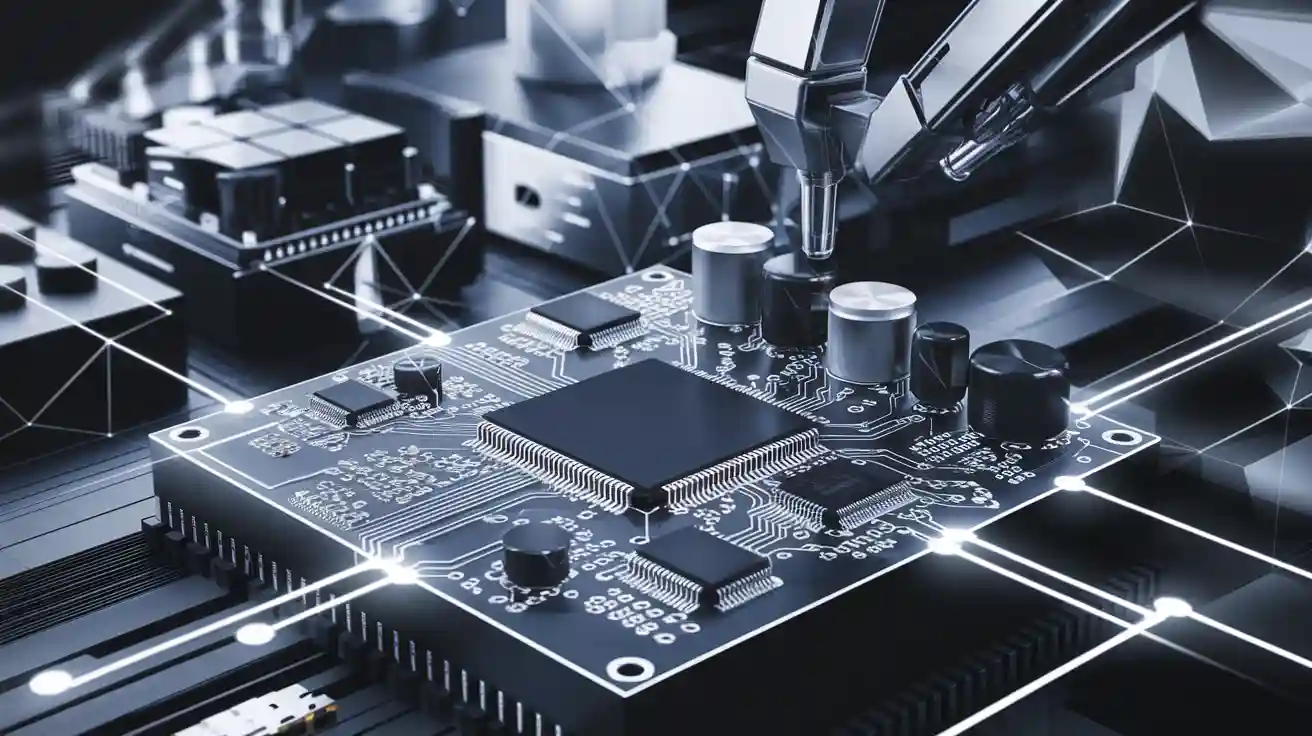
In today’s fast-moving electronics world, contract PCB assembly is key. It helps meet the rising need for new and smart devices. Businesses can save time and money by hiring experts for this job. These experts make sure circuit boards are made well and efficiently.
Here are some important facts about this trend:
-
The global PCB assembly market may grow 9.2% yearly from 2025 to 2030. This is because of IoT and wearable gadgets.
-
Asia Pacific is leading this growth due to better technology and many manufacturers.
Working with skilled partners gives you access to advanced services. They follow strict quality checks and speed up production. This makes your products more reliable and keeps you ahead in the market.
Key Takeaways
-
Hiring experts for PCB assembly saves time and money. This lets businesses focus on new ideas while getting quality boards.
-
Checking for mistakes in PCB assembly is very important. Using tests like AOI and Functional Testing finds problems early. This makes products work better.
-
Picking the right PCB partner means checking their skills and experience. A good partner makes sure the boards are high quality.
-
Contract PCB assembly is flexible for different production sizes. Whether you need a few or many boards, a good partner adjusts to your needs.
-
Talking clearly with your PCB partner is very important. Quick replies and updates keep projects moving and build trust.
The PCB Assembly Process
Design and Prototyping
The first step is making a plan for your PCB assembly. This step turns your product ideas into a working design. You create schematics to show how parts connect and work together. Special software helps make files that guide the building process.
Prototyping is very important in this stage. It lets you test your design before making many boards. A prototype helps find mistakes and fix them early. This ensures your PCB works well and meets performance needs. Prototyping also saves time and money by solving problems early.
Tip: Always use design for manufacturing and assembly (DFMA) rules. These rules make your design easier to build and assemble. This lowers costs and reduces mistakes.
Component Sourcing
After finishing the design, you gather parts for your PCB. This step picks good-quality components that match your needs. Using reliable parts makes sure your PCB works well and lasts long.
Choose suppliers who follow industry rules and provide traceable parts. This avoids fake components in your supply chain. Think about delivery times and availability to prevent delays. Many PCB assembly companies work with trusted suppliers to make this step easier.
Note: Automated systems can make sourcing faster and better. For example, automation can cut energy use by 40% and reduce waste by 60%. This shows how modern tools improve sourcing.
PCB Fabrication
Fabrication turns your digital design into real circuit boards. This step includes layering, etching, drilling, and plating. Each process must be accurate to meet design needs.
Quality checks are very important during fabrication. Tests like Environmental Stress Screening (ESS) find hidden problems. Functional testing checks if the PCB works correctly. In-Circuit Testing (ICT) looks at each part for issues. These tests follow industry standards to ensure reliability.
Key Insight: Studies show quality checks improve production. For example, reducing reject rates from 5500 PPM to 900 PPM boosts efficiency. This leads to better results and lower costs.
Quick-turn manufacturing is also helpful in fabrication. It makes small batches of PCBs quickly for testing or urgent needs. This method speeds up prototyping and gets products to market faster.
Assembly Techniques (SMT, THT, Mixed)
The assembly step is where your PCB design becomes real. This involves attaching parts to the board using different methods. The three main techniques are Surface Mount Technology (SMT), Through-Hole Technology (THT), and Mixed Assembly.
-
Surface Mount Technology (SMT):
SMT is the most popular method today. It places parts directly on the board's surface. Machines do this quickly and accurately. SMT is great for small, light parts and compact designs. It’s perfect for making many boards fast with consistent quality. -
Through-Hole Technology (THT):
THT puts part leads through holes in the board. These leads are soldered on the other side. This method creates strong connections, making it good for tough conditions. THT is used in industries like aerospace and automotive where strength matters. -
Mixed Assembly:
Some boards need both SMT and THT methods. Mixed assembly uses the best of both. For example, SMT works for tiny parts, while THT is better for larger ones. This method is flexible and fits complex designs.
Tip: Pick the method that fits your product’s needs. SMT is fast and precise, THT is strong, and mixed assembly combines both.
Quality Control and Testing
Quality checks are a key part of making PCBs. They ensure your boards work well and meet high standards. Testing finds problems early, saving time and money.
Here are common testing methods:
-
Automated Optical Inspection (AOI): Cameras check for mistakes like bad soldering or misplaced parts. This catches errors early and reduces fixes.
-
In-Circuit Testing (ICT): ICT tests each part’s electrical performance. It ensures all parts work before final assembly.
-
Functional Testing: This test mimics real-world use. It checks if the board works as it should in its actual environment.
These tests follow strict rules to ensure reliability. Finding mistakes early avoids big problems later and improves product quality.
Key Insight: Good testing makes your product more reliable. It also builds customer trust by delivering dependable results.
Packaging and Delivery
After passing tests, the boards are packed and shipped. Good packaging keeps them safe during shipping. This ensures they arrive in perfect shape.
Fast delivery needs good planning and tracking. Companies use performance metrics to check delivery success. These measures help ensure on-time and safe shipping. Working well with your shipping partner is also important.
Note: Picking the right packaging and delivery partner matters. Choose one that matches your goals and values efficiency.
Focusing on packaging and delivery keeps your boards safe and customers happy. This final step gets your product ready for the market.
Benefits of Contract PCB Assembly
Cost Savings and Resource Optimization
Hiring experts for PCB assembly can save money and resources. You don’t need to buy costly tools or hire skilled workers. Instead, you use the manufacturer’s tools and knowledge to make things easier.
Looking closely at the Bill of Materials (BOM) can help cut costs. Choosing the right parts and improving processes can boost profits. Things like how much you produce and using machines also lower costs. Checking the full product lifecycle can find savings in repairs, design, and recycling.
Tip: A turnkey PCB assembly partner handles everything, from parts to shipping. This saves you time and effort.
Access to Specialized Expertise and Technology
Contract PCB assembly gives you access to tools and skills you may not have. These companies use advanced machines and methods to ensure quality and speed. Their experience in engineering and testing reduces mistakes and improves designs.
|
Advantage |
What It Means |
|---|---|
|
Supply Chain Integration |
Better supply chains lower shipping and storage costs. |
|
Advanced Manufacturing Infrastructure |
Modern tools improve production and quality checks. |
|
Specialized Technical Expertise |
Skilled workers create better designs and reliable boards. |
|
Rapid Production Turnaround |
Faster processes mean quicker delivery of products. |
|
Quality Management Systems |
Certifications and strict tests ensure high-quality results. |
|
Continuous Improvement Practices |
Methods like Lean and Six Sigma cut waste and boost efficiency. |
By outsourcing, you can focus on creating new ideas while they handle the hard work.
Scalability for Small and Large Production Runs
Whether you need a few boards or many, contract PCB assembly can adjust. This flexibility helps meet customer needs without wasting resources.
For small orders, you can provide some parts, and they’ll do the rest. For big orders, turnkey services manage everything from start to finish. This flexibility helps you react quickly to market changes and stay competitive.
Key Insight: Companies like Flextronics show how good supply chains and workflows speed up production. This helps get products to market faster and gives you an advantage.
Faster Time-to-Market
In electronics, launching products quickly is very important. Contract PCB assembly helps speed up production by simplifying the process. Turnkey services handle everything, from getting parts to shipping the final product. This avoids delays from managing many vendors or fixing problems yourself.
Modern methods like automated assembly and quick prototyping make production faster. Quick-turn PCB fabrication lets you test and improve designs quickly. This ensures your product is ready for large-scale production without wasting time. By working with experts, you can focus on creating new ideas while they manage the technical work.
Tip: Work closely with your PCB assembly partner to match production schedules with your launch plans. Good communication helps avoid delays and keeps things running smoothly.
Reduced Risk of Errors and Defects
Outsourcing PCB assembly lowers the chance of mistakes in your products. Expert partners use strict quality checks to ensure high standards. Techniques like Automated Optical Inspection (AOI) and Functional Testing find problems early. This prevents expensive fixes or recalls later.
Trained workers are also key to keeping quality high. Skilled operators spot issues during assembly and use tools correctly. Training programs teach both technical skills and how to follow processes, ensuring good results.
Here’s how quality checks improve products:
|
Inspection Technique |
Purpose |
Outcome |
|---|---|---|
|
Visual Inspection |
Find visible flaws and surface problems |
Ensures parts look and work as they should |
|
Functional Testing |
Test in real-world conditions |
Confirms performance meets required levels |
Many assembly companies also use a step-by-step method to improve processes:
-
Plan: Find problems or areas to improve.
-
Do: Test small changes to see if they work.
-
Check: Watch results and gather data to measure success.
-
Act: Apply successful changes or adjust further.
By using these methods, contract PCB assembly partners help you make reliable products and reduce risks. This is a big advantage of outsourcing your PCB assembly.
Choosing a PCB Assembly Partner
Checking Technical Skills and Tools
When picking a PCB assembly partner, check their tools and skills. Modern machines are important for accurate and fast assembly. A good partner should have advanced tools for SMT, THT, and mixed assembly. These tools help make sure your custom PCB assembly is high-quality and works well.
Ask if they can handle tricky designs and high-density boards. Today’s tech needs experts who can build complex PCBs with few mistakes. Also, check their testing tools. Systems like AOI, ICT, and X-ray inspections are key for spotting problems early.
Tip: A partner offering turnkey PCB assembly services can handle everything. This saves time and keeps quality consistent.
Confirming Certifications and Standards
Certifications and standards are very important when choosing a partner. These show they care about making top-quality PCBs that meet industry rules. Look for certifications like ISO 9001 for quality systems and IPC standards for strict manufacturing rules.
Here are key certifications to look for:
-
ISO 9001: Shows strong quality management.
-
IPC standards: Ensures high-quality PCBs.
-
AS9100D: Proves skill in aerospace-grade work.
Certified partners follow strict steps to ensure quality:
-
Picking parts that meet safety and performance rules.
-
Designing for safety and reliability.
-
Running tough tests to check quality.
-
Using strict controls during manufacturing.
-
Keeping records to prove they follow rules.
By checking these certifications, you know your partner values quality and dependability.
Looking at Experience and Success
Experience matters when picking a PCB assembly partner. A company with a good history shows they can deliver great results. Look for partners who have worked with trusted clients and industries. Their success proves they can meet different needs.
Experienced partners often focus on eco-friendly and smart manufacturing. They work closely with suppliers to improve production and quality. This ensures your PCBs are both reliable and better for the environment.
Key Insight: An experienced partner can solve problems quickly. This lowers risks and makes production smoother.
Ask for examples of their past work or client reviews. These can show how well they meet deadlines, keep quality high, and handle special projects. A strong record means they can manage your project professionally.
Customization and Flexibility in Services
When making PCBs, being flexible and offering custom options is key. A good PCB assembly partner adjusts to your needs and ensures your designs are made correctly. Whether you need a simple board or a complex one that bends, the right partner can handle it.
-
Custom boards match your exact needs. This ensures your product works perfectly without changes.
-
Flexible PCB samples are useful for testing. They are great for small gadgets or wearable tech that need precise and adaptable designs.
-
Companies like VSE focus on personal service. They listen to your needs and keep quality high.
Tip: Pick a partner who values flexibility and custom options. This ensures your project gets the care it needs, no matter how tricky it is.
By choosing a partner who supports custom work, you can create new ideas without being limited by standard processes.
Cost Transparency and Budget Alignment
Clear costs are important to keep your project on budget. A trusted PCB assembly partner gives detailed pricing so you avoid surprises. This helps you plan better and use your money wisely.
To stay on budget, your partner should:
-
Share a clear list of costs, like materials and testing.
-
Suggest ways to save money, like improving the Bill of Materials (BOM) or using different parts.
-
Keep you updated about any changes that might affect costs.
Key Insight: Clear pricing builds trust and helps you make smart choices. It keeps your project affordable from start to finish.
By matching costs to your budget, you can focus on making a great product without worrying about extra expenses.
Supply Chain Management and Component Sourcing
Managing the supply chain well is vital for PCB assembly success. A strong supply chain ensures you get good parts on time, avoiding delays or problems. The best partners use smart tools and strong supplier ties to make this process smooth.
-
Modern tools let you check part data, get reports, and alerts. These tools help you make better decisions and stay updated on part availability.
-
Knowing part lifespans, sourcing options, and when parts might stop being made helps you trust your partner’s sourcing skills.
-
Updates on delays, shortages, and market changes help you plan ahead and avoid risks.
-
Good supplier relationships allow quick responses to changes, keeping the process smooth and reliable.
Note: Managing the supply chain well reduces risks during design and testing. This keeps production running smoothly.
By working with a PCB assembly partner skilled in supply chain management, you can keep your project on track, even during global challenges.
Communication and Customer Support
Good communication and support are key to working well with your PCB assembly partner. Clear updates help keep your project on schedule. Quick and helpful responses solve problems fast. When choosing a partner, check if they focus on customer satisfaction and regular communication.
Key Metrics for Evaluating Customer Support
Knowing how a partner handles customer service helps you decide wisely. These metrics show how good their support is:
|
Metric |
What It Shows |
|---|---|
|
Shows how happy customers are with the service or product. |
|
|
Measures how easy it is for customers to fix problems. |
|
|
Average Resolution Time |
Tracks how long it takes to solve customer issues. |
|
First Response Time (FRT) |
Measures how quickly the first reply is sent to a customer. |
|
Total Tickets |
Counts the number of customer requests to check demand and resources. |
These numbers help you see how well a partner manages customer care and keeps communication smooth.
Why Communication Matters
Strong communication avoids delays and confusion in your PCB assembly project. A good partner keeps you updated at every step, from design to delivery. They answer questions quickly and offer solutions that fit your needs.
Tip: Choose partners who use tools like project software or customer portals. These tools make communication easier and give real-time updates.
Benefits of Quality Customer Support
Great customer support builds trust and loyalty. Studies show most Americans pick products based on service quality. Happy customers often return and spend more, showing the value of good support.
Here’s how strong customer support helps your project:
-
Builds lasting relationships with your partner.
-
Saves time by solving problems quickly.
-
Makes customers happier, leading to repeat business and referrals.
What to Look for in a Partner’s Support System
When checking a partner’s support system, look for these qualities:
-
Quick Replies: Fast answers show they care about your time.
-
Clear Updates: Honest communication about costs and timelines builds trust.
-
Problem-Solving Skills: Partners who fix issues early make projects run smoother.
Note: Partners with dedicated support teams often perform better. They focus on solving problems and keeping you informed.
By valuing communication and support, you can work well with your PCB assembly partner.
Picking the best partner for PCB assembly is very important. They help make sure your product is high-quality and works well. The process includes planning, getting parts, building, testing, and shipping. Outsourcing these steps saves time and money while making things run smoother. Good partners bring knowledge, flexibility, and faster production.
Case studies and data reviews show why research matters:
-
FMEA helps find problems early and lowers risks.
-
Using past data improves plans and makes products more reliable.
Start by looking into possible partners or asking experts for advice. This helps your PCB project succeed from beginning to end.
FAQ
What is contract PCB assembly?
Contract PCB assembly means hiring experts to make circuit boards. These companies handle tasks like getting parts, building boards, and testing them. This lets you focus on creating and improving your product.
How do I know if a PCB assembly partner is reliable?
Look for certifications like ISO 9001 or IPC standards. Check their past work, customer reviews, and tools. Reliable partners also communicate clearly and focus on quality checks.
Can contract PCB assembly handle small production runs?
Yes, many companies can adjust to your needs. They can make a few boards for testing or many for big orders. This helps meet demand without wasting resources.
What is the difference between SMT and THT assembly?
SMT puts parts directly on the board, great for small designs. THT uses holes to attach parts, making strong connections for tough uses. Mixed assembly uses both methods for complex boards.
Why is quality control important in PCB assembly?
Quality checks make sure circuit boards work well and meet rules. Tests like AOI and Functional Testing find problems early. This avoids failures and expensive fixes.
Tip: Pick a partner with strong quality checks to ensure reliable products.