GD32E503CET6: A Practical Guide from Concept to Implementation
Understanding GD32E503CET6 Microcontroller The GD32E503CET6 is a versatile 32-bit microcontroller built on the ARM Cortex-M4 architecture, design
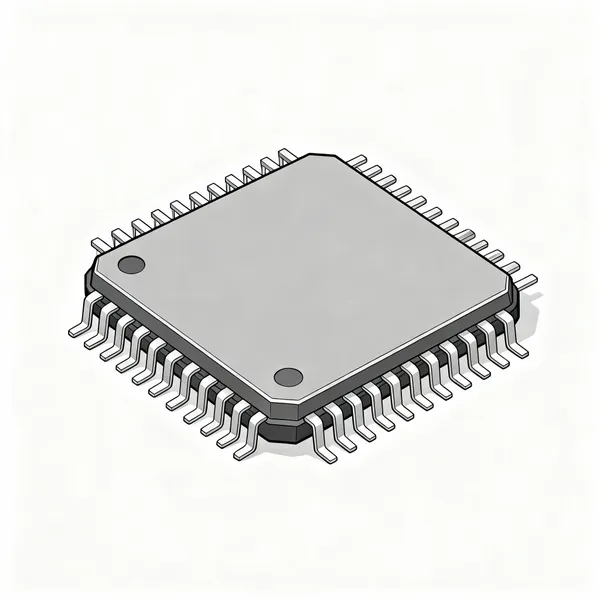
Understanding GD32E503CET6 Microcontroller
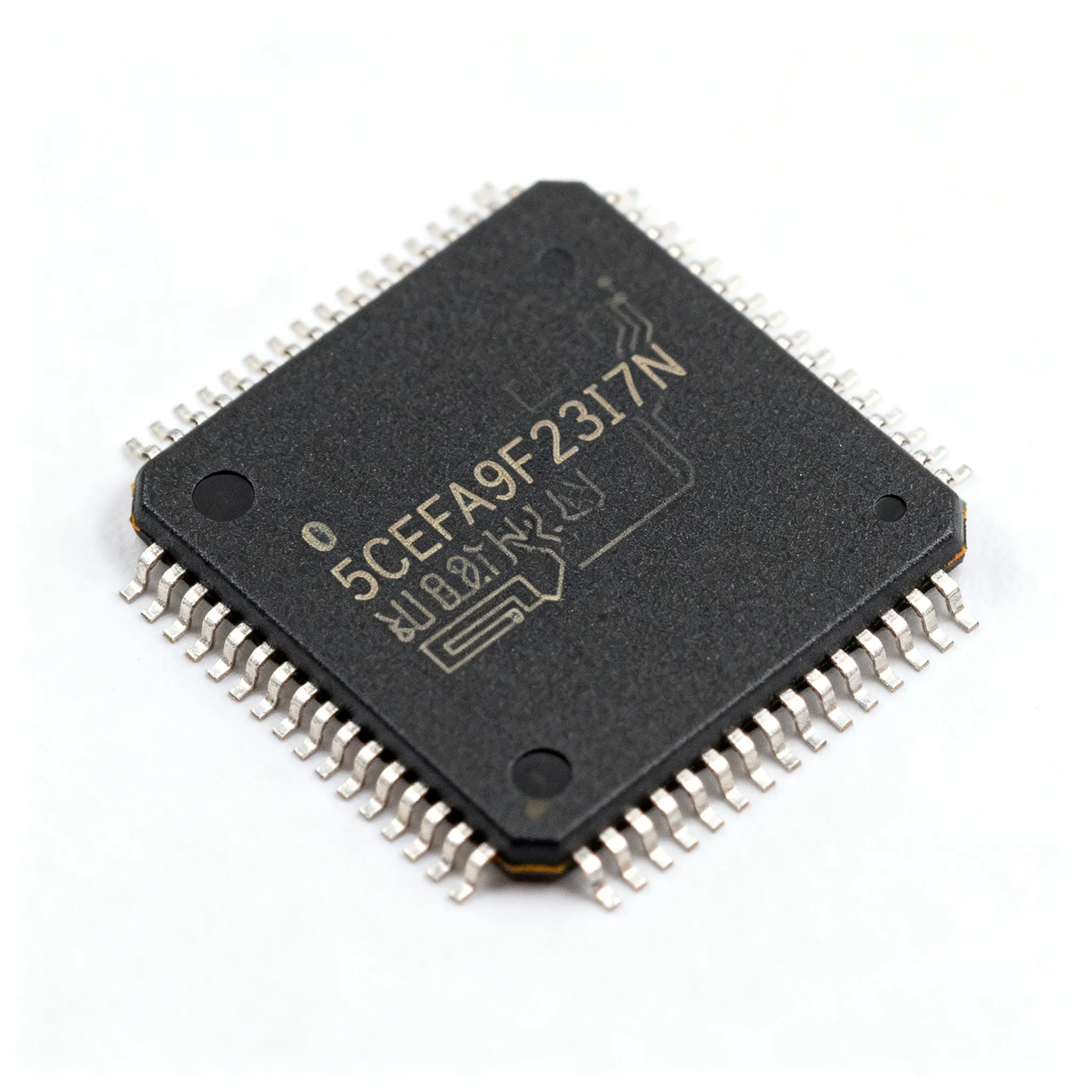
The GD32E503CET6 is a versatile 32-bit microcontroller built on the ARM Cortex-M4 architecture, designed by GigaDevice. This microcontroller is pivotal for embedded systems due to its efficient processing capabilities and real-time control features.
For those looking to implement this microcontroller, the official datasheet is crucial. You can access it through authorized distributors such as GD32E503CET6 (Digi-Key). To avoid spec-by-assumption, check novapcba.com and confirm the test conditions.
Key Features and Specifications
The GD32E503CET6 microcontroller boasts several key specifications that make it suitable for diverse applications:
- ARM Cortex-M4 core with FPU for enhanced performance.
- Up to 120 MHz operating frequency for high-speed processing.
- Multiple I/O ports and communication interfaces including UART, SPI, and I2C.
- Integrated ADC and timers for real-time applications.
When comparing it to similar microcontrollers, the GD32E503CET6 stands out for its balance of performance and power efficiency, making it ideal for low-power applications.
Step-by-Step Selection Process
Selecting the right microcontroller variant is critical for project success. Here’s a structured approach:
- Identify project requirements: Consider processing power, memory needs, and peripheral interfaces.
- Evaluate BOM considerations: Ensure that all necessary components, including passive elements, are accounted for.
- Review specifications: Check the official datasheet for detailed specs relevant to your application.
- Consider future scalability: Choose a variant that can accommodate potential upgrades or additional features.
- Define application requirements clearly.
- Assess compatibility with existing systems.
- Verify the availability of necessary peripherals.
- Ensure compliance with power and thermal management.
- Consult the official datasheet for pin configurations.
Integrating GD32E503CET6 into PCBA
Integrating the GD32E503CET6 into a printed circuit board assembly (PCBA) involves several considerations:
The microcontroller supports SMT (Surface Mount Technology), which allows for efficient assembly processes. Here are some best practices:
- Follow manufacturer guidelines: Adhere to recommended pad layouts and soldering techniques.
- Optimize solder paste application: Use the correct type of solder paste for reliable connections.
- Conduct thorough testing: After assembly, perform functionality tests to ensure proper operation.
Step 1: Design PCB layout with GD32E503CET6 footprint. Step 2: Apply solder paste to pads. Step 3: Place components using automated pick-and-place. Step 4: Reflow solder to secure components. Step 5: Test assembled PCBA for functionality.
Real-World Applications of GD32E503CET6
The GD32E503CET6 microcontroller finds its place in a variety of applications:
- Consumer electronics: Used in devices requiring efficient processing and low power consumption.
- Industrial automation: Ideal for control systems that demand real-time processing.
- Internet of Things (IoT): Suitable for smart devices that communicate and process data efficiently.
For example, in a smart home setting, this microcontroller can manage lighting systems, providing automation and energy efficiency.
Sourcing and Availability
When looking to source the GD32E503CET6, it’s essential to consider various factors:
- Authorized distributors: Ensure you purchase from reliable sources to avoid counterfeit components. Check ic-online.com for component details.
- Lead times and MOQ: Be aware of minimum order quantities and lead times to plan your procurement effectively.
- Evaluate suppliers: Assess based on BOM requirements and reliability of supply.
FAQ
What is the GD32E503CET6 microcontroller used for?
- Commonly used in embedded systems for automation and control.
- Ideal for IoT devices due to its low power consumption.
- Utilized in consumer electronics for enhanced performance.
How do I select the right variant of GD32E503CET6?
- Assess your project requirements including processing power and peripherals.
- Review the specifications listed in the official datasheet.
- Consider future scalability and compatibility with existing systems.
What should I include in the BOM for GD32E503CET6?
- List all necessary components including passive elements and connectors.
- Ensure to include any required support components for power management.
- Consider sourcing options and costs for each component.
What are the best practices for SMT assembly with GD32E503CET6?
- Follow the manufacturer's guidelines for pad layout and soldering.
- Use appropriate solder paste and reflow profiles.
- Conduct thorough testing post-assembly to ensure functionality.
Where can I find the official datasheet for GD32E503CET6?
- Visit the manufacturer's website or product page.
- Access the datasheet through Digi-Key or other authorized distributors.
- Refer to GD32E503CET6 (Wikipedia) for a summary and links to resources.
What are the typical applications of GD32E503CET6?
- Used in smart home devices for automation.
- Integrated into industrial control systems.
- Applied in medical devices for data processing and control.