PCB Assemblers: Roles, Capabilities, and How to Choose the Right Partner for Your Electronics Manufacturing
PCB assemblers build and test the electronic circuits inside your devices. Almost 40% of the global electronics manufacturing market depends on pcb assemblers to deliver reliable products.
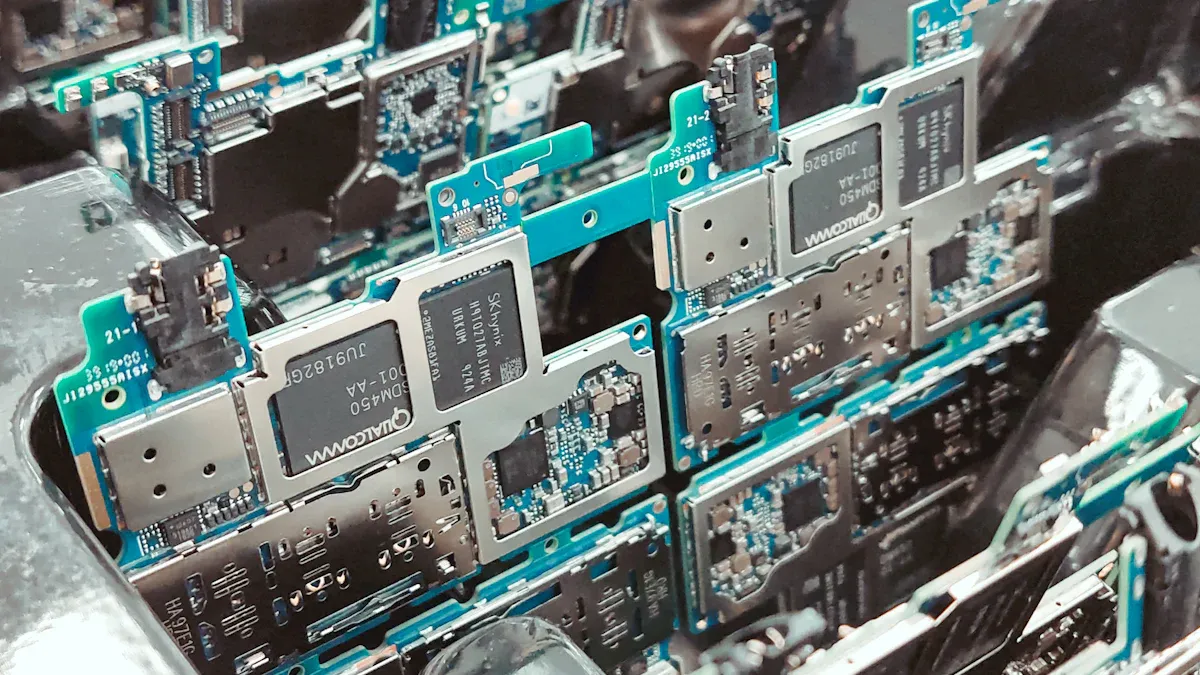
PCB assemblers build and test the electronic circuits inside your devices. Almost 40% of the global electronics manufacturing market depends on pcb assemblers to deliver reliable products. Your choice of assembler shapes both quality and cost. For example, automated testing and strong supplier relationships can lower defect rates and keep expenses down. Picking the right partner gives you an edge in project success.
Key Takeaways
-
PCB assemblers turn your circuit designs into working products by placing and soldering components with care and advanced tools.
-
Choosing the right assembler improves product quality, lowers costs, and speeds up delivery by using strong quality checks and good supply management.
-
The assembly process includes steps like solder paste application, component placement, soldering, inspection, and testing to ensure reliable PCBs.
-
Look for assemblers with strong technical skills, quality certifications, and modern equipment to handle complex designs and maintain high standards.
-
Define your project needs clearly, research suppliers carefully, and choose a partner who offers good communication, reliability, and value for your investment.
PCB Assemblers
What They Do
You rely on pcb assemblers to turn your circuit ideas into working products. These experts follow wiring diagrams and sample boards to guide their work. They select and place electronic components like transistors, capacitors, and integrated circuits onto the pcb. You see them using both hand tools and advanced machines for soldering and assembly. Their tasks include:
-
Preparing assembly equipment and materials for each job
-
Verifying every part against the Bill of Materials (BOM)
-
Programming pick-and-place machines for surface mount technology (SMT)
-
Placing and soldering components onto the pcb, both by hand and with machines
-
Inspecting boards with automated optical inspection (AOI) and X-ray systems
-
Performing rework and repairs if they find defects
-
Managing component sourcing and inventory to keep projects on track
-
Collaborating with design teams to improve manufacturability and quality
A pcb assembly company also handles quality control, using tests like in-circuit testing (ICT) to ensure reliability. Many offer turnkey pcb assembly, which means you get everything from sourcing parts to final testing in one package. Contract pcb assembly services can scale from small prototypes to large production runs.
Why They Matter
Choosing the right pcb assembly company shapes your project's success. You want reliable pcb assembly services because even small mistakes can cause big problems. For example, poor soldering or incorrect component placement can lead to defects or failures in your devices. Supply chain shortages and delays often increase costs and slow down delivery. A skilled pcb assembly company helps you avoid these issues by sourcing high-quality parts and using strict quality checks.
You also face challenges like design flaws, thermal management, and the risk of counterfeit components. The best pcb assemblers work closely with you to solve these problems. They use advanced inspection tools and follow industry standards to catch errors early. With turnkey pcb assembly and contract pcb assembly services, you can focus on design and innovation while experts handle the technical details. This partnership lets you bring reliable products to market faster and with fewer risks.
Roles and Process
Assembly Steps
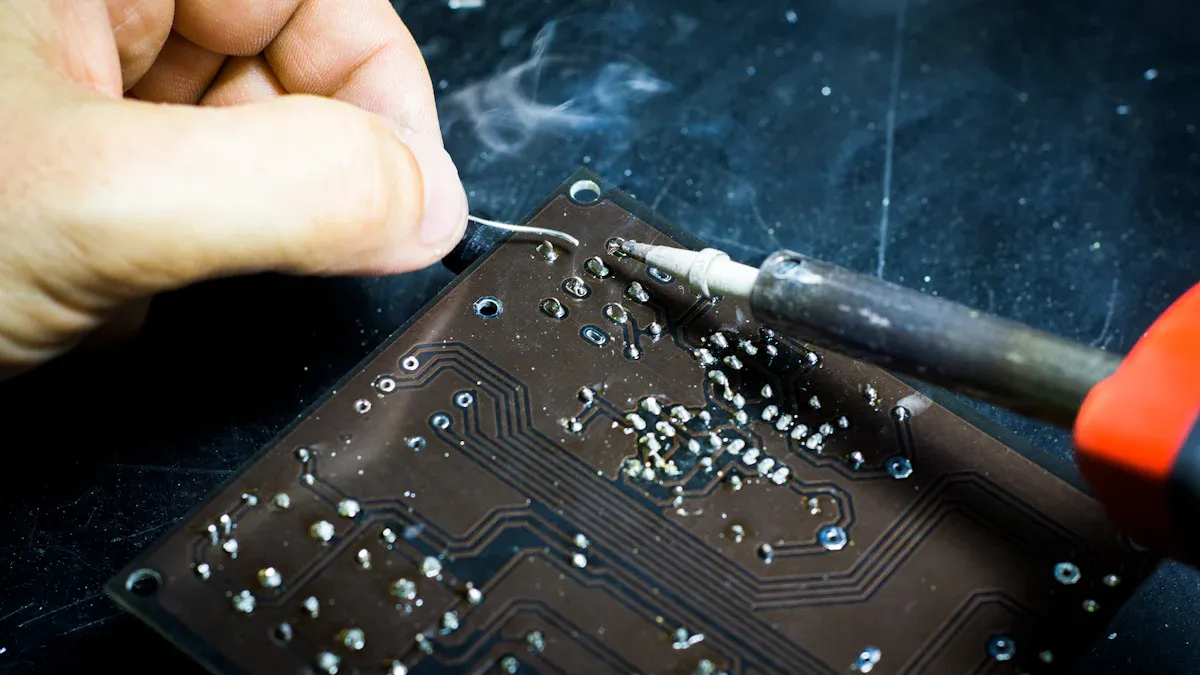
You need to understand each step in the pcb assembly process to see how your ideas become real products. The process starts with careful planning and ends with a finished pcb ready for use. Here is a typical sequence you will find in most manufacturing settings:
-
Design for Assembly (DFA): You check your Gerber files and Bill of Materials to make sure everything is correct and ready for assembly.
-
Solder Paste Application: Machines use stencils to apply solder paste to the pcb pads.
-
Solder Paste Inspection (SPI): You inspect the solder paste with special machines to catch any mistakes early.
-
Pick and Place: Automated machines place surface mount components onto the pcb with great speed and accuracy.
-
Reflow Soldering: The pcb passes through an oven that melts the solder paste and secures the components.
-
Inspection: You use Automated Optical Inspection (AOI) and sometimes X-ray systems to find defects.
-
PTH Component Placement: Workers insert through-hole components into the pcb by hand.
-
Wave Soldering: The pcb moves over a wave of molten solder to attach these components.
-
Cleaning: You wash the pcb to remove any leftover flux or debris.
-
Testing: You run electrical and functional tests to make sure the pcb works as planned.
-
Coating and Packing: You may add a protective coating and then pack the finished pcb for shipping.
Each step in the pcb assembly process helps you avoid errors and improve quality. You can see how careful planning and inspection at every stage support reliable manufacturing.
Technologies Used
Modern pcb assembly uses advanced technologies to boost quality and speed. You will find these tools in leading manufacturing companies:
-
Reflow soldering ovens use thermal profiles and even machine learning to ensure every joint is strong.
-
Solder paste printing machines use AI to apply paste with high precision.
-
Glue dispensing machines help secure parts, especially on double-sided boards.
-
Automated Optical Inspection (AOI) systems use cameras and AI to spot defects quickly.
-
Functional Validation Test (FVT) systems load software onto the pcb to check real-world performance.
Tip: Leading companies like Foxconn and Jabil use automation and AI-driven quality control in their assembly lines. This helps them deliver high-quality products at scale.
You benefit from these technologies because they make the pcb assembly process faster, more accurate, and more reliable. As manufacturing grows more complex, these tools help you keep up with the demands of modern electronics.
Capabilities to Consider
Technical Expertise
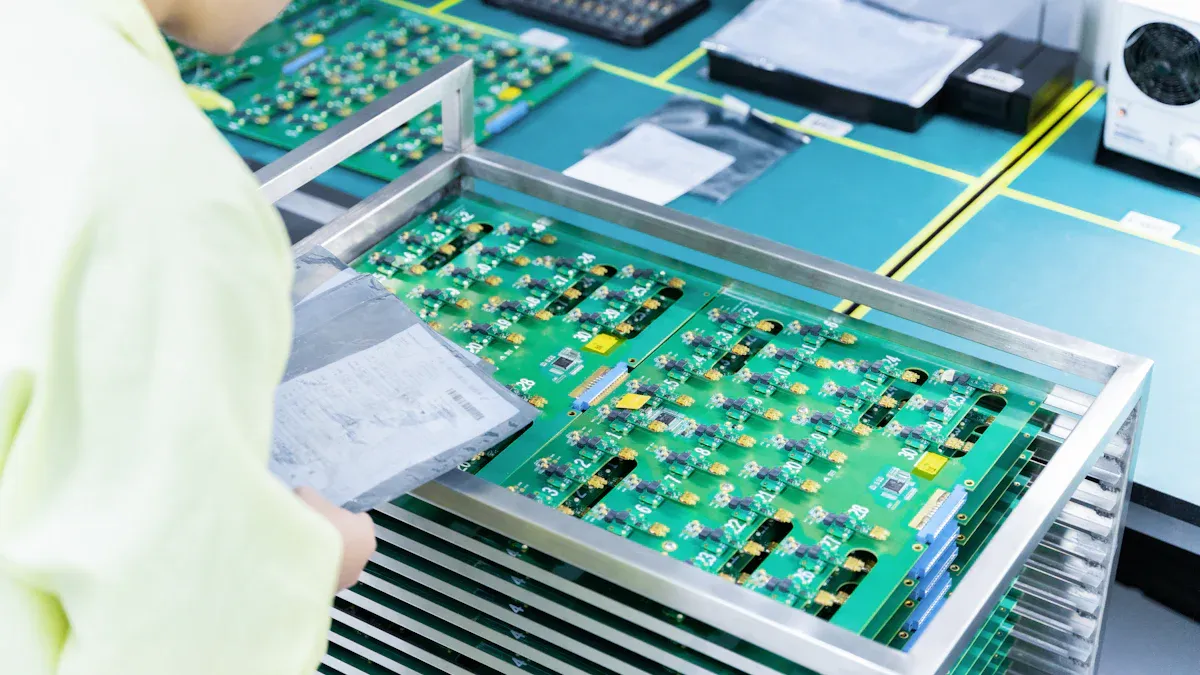
You want a pcb assembler with strong technical expertise. This capability helps you handle complex electronic designs and ensures product quality. Look for teams that understand both surface mount technology (SMT) and through-hole technology (THT). They should know how to use solder paste printing, component mounting, reflow soldering, and wave soldering. You also need experts who can manage signal integrity and power integrity challenges. Good technical expertise includes:
-
Skill with SMT and THT assembly processes
-
Knowledge of solderability testing and welding quality control
-
Understanding of signal and power integrity for high-speed designs
-
Familiarity with electromagnetic compatibility and interference issues
-
Awareness of board materials and manufacturing processes
-
Ability to read schematics and work with complex components
These technical capabilities help you achieve reliable pcb assembly and strong manufacturing capabilities.
Quality Standards
You should always check the quality standards your assembler follows. High standards mean better product quality and fewer problems later. The most common standards include IPC-A-610 for assembly quality, ISO 9001 for quality management, and RoHS for environmental safety. Meeting these standards shows a commitment to quality control processes and safety. Here is a quick overview:
|
Standard |
Focus Area |
Description |
|---|---|---|
|
IPC-A-610 |
Assembly Quality |
Sets rules for soldering and inspection |
|
ISO 9001 |
Quality Management |
Ensures strong quality control processes |
|
RoHS |
Environmental |
Limits hazardous materials for safety |
|
UL |
Product Safety |
Checks for fire and electrical safety |
Certifications
Certifications prove that your assembler meets industry requirements. You should look for IPC, ISO, and UL certifications. These show that the company has the technical capability and quality controls needed for different industries. For example, IPC Class 3 is important for aerospace and military projects. ISO 9001 covers general manufacturing capabilities, while ISO 13485 is for medical devices. UL certifications focus on safety and reliability. Defense projects may need ITAR or MIL standards.
|
Certification Type |
Description |
Importance |
|---|---|---|
|
IPC |
Industry standards for quality and reliability |
Needed for all pcb projects |
|
ISO |
Quality management systems |
Ensures consistent product quality |
|
UL |
Safety and compliance |
Protects against risks |
|
Military/Defense |
ITAR, MIL standards |
Needed for mission-critical uses |
Testing and Inspection
You need strong testing and inspection to maintain high product quality. Quality control processes include visual checks, automated optical inspection (AOI), and X-ray inspection. In-circuit testing (ICT) and functional testing also play key roles. These methods help you find defects early and improve quality controls.
-
Visual inspection checks for scratches, solder joints, and missing parts.
-
AOI uses cameras to spot defects quickly.
-
X-ray inspection finds hidden problems under components.
-
ICT tests electrical connections and component values.
-
Functional testing checks if the pcb works as planned.
With these quality control processes, you can trust the manufacturing capabilities and technical expertise of your pcb assembler.
PCB Assembly Supplier Qualities
In-House vs Outsourced
When you choose a pcb assembly supplier, you must decide between in-house and outsourced assembly. Each option has unique strengths and challenges.
-
In-house assembly gives you full control over every step. You can quickly fix design or manufacturing issues. You also keep your intellectual property safe. However, you need to invest in expensive equipment, hire skilled workers, and manage a complex supply chain. You must also handle inventory, warehousing, and meet strict industry standards.
-
Outsourced assembly lets you work with a pcb assembly company that already has the tools, experts, and systems in place. You gain access to skilled engineers, flexible payment options, and faster time to market. You can focus on your core business while the supplier handles the technical work. Outsourcing can save money and help you scale from prototypes to large production runs. Still, you may lose some control over quality and timelines. You also need to manage communication and protect your designs.
Tip: The perfect pcb assembly supplier balances control, cost, and quality to fit your project needs.
Equipment and Tools
A reliable pcb assembly supplier uses advanced equipment to deliver high-quality results. You should look for a pcb assembly company with:
-
Solder paste printing machines for accurate paste application
-
Glue dispensing equipment for secure component placement
-
Automated pick-and-place machines for fast and precise assembly
-
Reflow ovens and wave soldering machines for strong solder joints
-
Automated Optical Inspection (AOI) systems to catch defects early
-
In-Circuit Testing (ICT) fixtures to check electrical connections
-
Functional Validation Test (FVT) tools to confirm performance
These tools help your supplier maintain high standards and reduce errors during assembly.
Supply Chain Management
Strong supply chain management sets a great pcb assembly supplier apart. Leading suppliers use smart strategies to keep your projects on track and avoid delays. Here are some common practices:
|
Strategy |
Description |
|---|---|
|
Use more than one supplier for key parts to lower risk. |
|
|
Early Procurement Planning |
Order important parts early to avoid shortages. |
|
Strategic Buffer Stocks |
Keep extra stock of critical components. |
|
Lifecycle and Obsolescence Monitoring |
Track parts for end-of-life risks and plan ahead. |
|
Centralized Procurement Oversight |
Manage all buying from one place for better control. |
|
Strong Supplier Relationships |
Build trust with vendors for better support and pricing. |
|
Approved Vendor Lists |
Only buy from trusted manufacturers and distributors. |
|
BOM Management Tools |
Use software to track part availability and lead times. |
|
Diversified Sourcing Regions |
Buy from different regions to avoid disruptions. |
|
Regulatory and Quality Compliance |
Make sure all parts meet safety and quality rules. |
A top pcb assembly company will use these methods to ensure you get the right parts on time. This helps you avoid costly delays and keeps your manufacturing process smooth.
PCB Assembly Manufacturer Factors
Prototyping to Mass Production
You need a pcb assembly manufacturer that can guide you from your first prototype to high-volume production. The process starts with design and prototyping, where you test your pcb layout and make sure it works. Next, the manufacturer fabricates the board, using steps like etching and drilling. After that, they assemble the pcb by mounting components with surface mount or through-hole methods. Testing and quality control follow, checking things like signal strength and power use. Before scaling up, the manufacturer reviews your design to reduce errors and lower costs.
Here is a typical path from prototype to mass production:
-
Create and test your prototype with the manufacturer’s help.
-
Plan for mass production, choosing the right materials and equipment.
-
Run a pilot batch to spot and fix any issues.
-
Review all processes to make sure the manufacturer is ready for high-volume production.
A skilled pcb assembly manufacturer will also help you select the best materials, optimize your design for manufacturability, and keep communication open. This teamwork helps you avoid costly mistakes and ensures your pcb is ready for the market.
Industry Experience
Industry experience sets a great pcb assembly manufacturer apart. When you work with an experienced manufacturer, you get better quality and reliability. For example, top manufacturers control BGA soldering bubble rates to below 3%, much better than the IPC standard of 10%. Lower bubble rates mean stronger, more reliable boards.
|
Benefit |
What You Gain |
|---|---|
|
Quality Control Precision |
Bubble rates below 3% for stronger, more reliable pcbs |
|
Comprehensive Services |
Free DFM checks, component sourcing, assembly, and testing |
|
Supply Chain Optimization |
Lower costs and better reliability through smart material choices |
|
Standards and Certifications |
IPC Class 3, ISO 9001, and IPC-A-610 Class 2/3 for industrial-grade quality |
You also benefit from one-stop services, including design checks, sourcing, and box-build. Experienced manufacturers have handled projects like cloud servers and smart lighting, so they know how to deliver high-quality results for high-volume production.
Environmental Responsibility
You want a pcb assembly manufacturer that cares about the environment and follows strict rules. Manufacturers must meet regulations like RoHS, which limits hazardous materials such as lead and mercury. They also follow REACH rules for chemical safety and WEEE rules for recycling electronic waste. In the US, manufacturers must obey EPA rules for safe pcb waste disposal.
Many manufacturers now use green practices, such as lead-free soldering and halogen-free laminates. They also use eco-friendly finishes and closed-loop water systems to prevent pollution. By choosing a responsible pcb assembly manufacturer, you help protect the environment and ensure safety for workers and users. Meeting these standards also helps you sell your products in global markets and keeps your brand strong.
Choosing a PCB Assembly Partner
Define Your Needs
Before you start choosing a pcb assembly partner, you need to know exactly what your project requires. Clear requirements help you avoid mistakes and make sure your supplier can meet your goals. Here are some important things to define:
-
Make sure all components work together for electrical and mechanical fit.
-
Place parts to reduce signal noise and keep the board working well.
-
Plan for heat by spreading out parts that get hot.
-
Arrange components to keep traces short and signals strong.
-
Think about how machines will place parts to avoid errors.
-
Pick the right soldering method for your board, like reflow or wave soldering.
You should also:
-
Plan how to group boards on a panel for cost savings. Add tooling holes and mouse bites for easy separation.
-
Prepare detailed documents, including a Bill of Materials (BOM), assembly drawings, and test steps with clear pass/fail rules.
-
Know the standard and rush lead times for your supplier. Give enough time for order prep.
-
Check your design for manufacturability early to catch layout problems.
-
Avoid mistakes like missing files or poor documentation, which can cause delays.
Tip: Keep your BOM up to date and choose parts early, especially those with long lead times. This helps your supplier avoid delays and keeps your assembly on schedule.
Research and Compare
Once you know your needs, you can start looking for the right supplier. You want a partner with the right capability, quality, and support. Here are the steps to selecting the right pcb assembly partner:
-
Look for suppliers with experience in your industry. Check how long they have been in business and what types of projects they have completed.
-
Review their certifications, such as ISO 9001, IPC-A-610, and RoHS. These show they follow strict quality rules.
-
Ask about their assembly equipment. Advanced machines mean better quality and fewer mistakes.
-
Check if they offer full testing, like AOI, X-ray, and in-circuit tests.
-
Compare costs, but remember that the lowest price may not give you the best value. Look at what you get for your money.
-
Find out about their supply chain management. Good suppliers have strong vendor networks and can handle inventory and logistics.
-
Ask about lead times. Standard assembly takes 5-7 days, but quick-turn options can be faster for a higher price.
|
Service Type |
Typical Standard Lead Time |
Typical Expedited Lead Time |
|---|---|---|
|
PCB Fabrication |
4-5 days |
1-2 days |
|
PCB Assembly |
5-7 days |
3-5 days |
|
Full Turnkey |
10-15 days |
5-7 days |
You should also compare costs by region. For example, suppliers in China often charge 30% to 50% less than those in the US or Europe, but you may pay more for shipping and communication.
|
Region |
Average Assembly Cost (USD) |
Turnaround Time |
Additional Considerations |
|---|---|---|---|
|
North America |
3 days |
Higher labor costs |
|
|
China |
$545 |
3 days |
Lower labor costs; extra shipping possible |
Note: Fast communication and regular updates set great suppliers apart. Look for responsiveness and clear answers to your questions.
Evaluate and Select
Now you need to choose the best supplier for your project. Use these criteria to make your decision:
-
Experience and Capability: Pick a supplier with a strong track record and the ability to handle your assembly needs, from prototypes to large runs.
-
Quality Framework: Check their quality control systems, certifications, and testing options.
-
Technical Expertise: Make sure they can work with complex designs, like multilayer or flexible boards.
-
Certifications: Confirm they have ISO 9001, IPC-A-610, RoHS, or industry-specific certifications.
-
Cost and Value: Balance price with quality, service, and support.
-
Lead Times: Choose a supplier who can meet your deadlines, with options for standard and expedited service.
-
Customer Support and Responsiveness: Test their communication. Good suppliers answer quickly and solve problems fast.
-
Privacy and Security: Ask how they protect your data and designs. Look for secure file transfers, access controls, and compliance with standards like ISO 27001.
-
Supply Chain Reliability: Make sure they can source parts reliably and prevent counterfeit components.
Callout: Do not rush your decision. Take time to check references, review sample work, and ask about their process controls.
Common mistakes include picking a supplier too quickly, not sharing your goals clearly, or not trusting your partner. Building trust and keeping communication open leads to better results.
Here is a checklist to help you:
-
Define your requirements and goals.
-
Research and compare suppliers based on capability, quality, and cost.
-
Evaluate their certifications, equipment, and support.
-
Ask about privacy, security, and supply chain management.
-
Select the supplier who best matches your needs and values clear, responsive communication.
By following these steps to selecting the right pcb assembly partner, you set your project up for success. You get high-quality products, reliable delivery, and a supplier who supports your growth.
Choosing the right pcb assembly supplier shapes your project’s success. You gain better quality, faster delivery, and strong support when you match your needs with a supplier’s strengths. Build a partnership by focusing on clear goals, open communication, and regular reviews.
-
Work with a pcb assembly supplier that values quality and follows industry standards.
-
Keep communication open with your supplier to solve problems quickly and improve results.
-
Request quotes, schedule consultations, and review your supplier’s processes often.
A reliable supplier helps you grow, adapt, and deliver high-quality products every time.
FAQ
What is the difference between SMT and THT assembly?
Surface Mount Technology (SMT) places parts directly on the board. Through-Hole Technology (THT) puts parts through holes in the board. SMT works best for small parts and fast assembly. THT gives stronger connections for heavy or large parts.
How do you check PCB assembly quality?
You use several methods to check quality:
-
Visual inspection for obvious errors
-
Automated Optical Inspection (AOI) for small defects
-
X-ray for hidden problems
-
Functional tests to make sure the board works
Why do lead times vary between suppliers?
Lead times change because of:
-
Part availability
-
Factory workload
-
Shipping distance
-
Testing needs
Tip: Ask your supplier for a clear timeline before you order.
What documents do you need for PCB assembly?
You need these documents:
-
Bill of Materials (BOM)
-
Gerber files
-
Assembly drawings
-
Testing instructions
These help your assembler build your board correctly.
Can you get help with design problems?
Yes, many PCB assemblers offer design support. You can ask for help with layout, part selection, or manufacturability. This support helps you avoid costly mistakes and improves your final product.