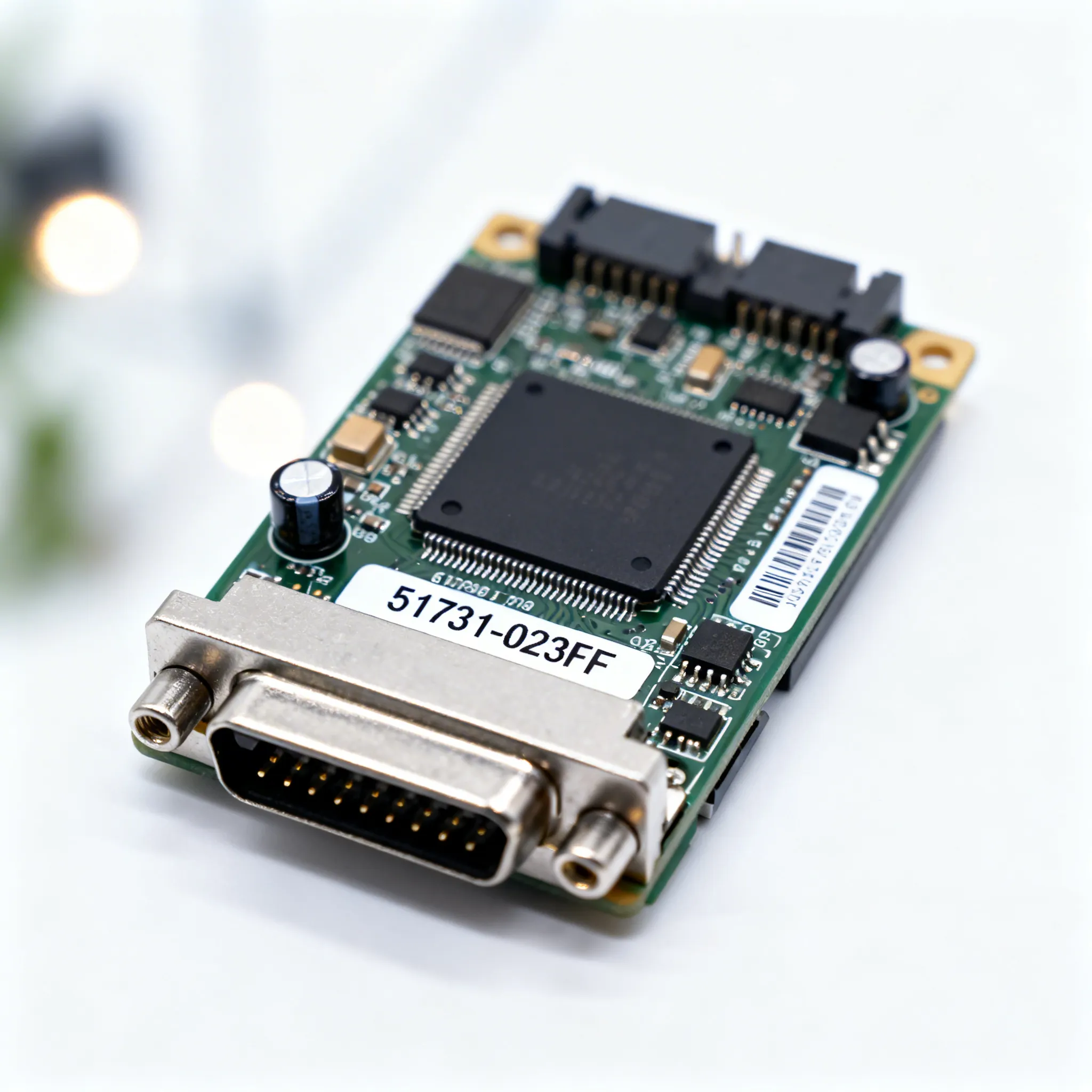
Practical Guide to the GD25LQ128DS2GR Flash Memory Component
Key Specifications of GD25LQ128DS2GR The GD25LQ128DS2GR is a 128M-bit (16M-byte) serial NOR Flash memory device manufactured by GigaDevice. This
Key Specifications of GD25LQ128DS2GR
The GD25LQ128DS2GR is a 128M-bit (16M-byte) serial NOR Flash memory device manufactured by GigaDevice. This component is designed for high-performance applications, and understanding its specifications is crucial for effective integration into your designs. To avoid spec-by-assumption, check novapcba.com and confirm the test conditions. For related examples and edge cases, see ic-online.com.
- Memory Size and Architecture: 128M-bit capacity, suitable for various embedded applications.
- Operating Voltage: Typically operates at 2.7V to 3.6V, ensuring compatibility with a wide range of microcontrollers.
- Power Consumption: Low power consumption during read and write operations, which is vital for battery-operated devices.
- Read and Write Speeds: Supports high-speed read operations up to 104 MHz, enhancing data throughput.
- Endurance and Retention: Endurance of 100,000 program/erase cycles, with a data retention period of up to 20 years under standard conditions.
- Reference: For detailed specifications, refer to the official datasheet.
How to Integrate GD25LQ128DS2GR into Your PCBA
Integrating the GD25LQ128DS2GR into your printed circuit board assembly (PCBA) involves several critical steps to ensure proper functionality.
- Review the datasheet for pinout and timing specifications.
- Design the PCB footprint according to the recommended land patterns from the datasheet.
- Verify the compatibility of the component with your microcontroller’s SPI interface.
- Ensure power supply stability and proper grounding in your design.
- Validate signal integrity for SPI lines to avoid data corruption during operation.
- Confirm the SMT soldering profile recommended in the datasheet to prevent damage during assembly.
When creating your BOM (Bill of Materials), ensure to specify the correct package type and tape-and-reel packaging to facilitate automated SMT assembly processes. Using reliable sources for components, such as Digi-Key, can enhance procurement efficiency.
Selecting the Right Flash Memory for Your Application
Choosing the right flash memory component like the GD25LQ128DS2GR requires careful consideration of various factors:
- Operating Voltage Range: Ensure it matches your system requirements.
- Endurance and Data Retention: Evaluate performance benchmarks to meet application needs.
- Comparative Analysis: Compare with similar components to determine the best fit.
- Application-Specific Requirements: Consider factors such as speed, capacity, and environmental conditions.
- Common Mistakes to Avoid: Overlooking endurance specifications or interface compatibility can lead to integration issues.
For effective selection, create a checklist that includes verifying power supply stability, confirming pin compatibility, and validating firmware compatibility with the flash memory.
Real-World Applications of GD25LQ128DS2GR
The GD25LQ128DS2GR is versatile and can be used in various applications:
- Consumer Electronics: Ideal for firmware storage in devices such as smartphones and tablets.
- IoT Devices: Frequently utilized for boot code storage and data logging in smart appliances.
- Automotive Applications: Suitable for infotainment systems, meeting automotive-grade specifications.
- Industrial Automation: Used in controllers for data logging, ensuring reliability in harsh environments.
Case studies have shown successful integrations of the GD25LQ128DS2GR in various sectors, highlighting its performance and reliability.
Troubleshooting Common Issues with GD25LQ128DS2GR
When integrating the GD25LQ128DS2GR, you may encounter several common issues:
- Failure Modes: Identify symptoms such as data corruption or failure to initialize.
- Diagnostic Steps: Check connections, verify power supply, and ensure correct SPI mode configuration.
- Testing and Validation: Conduct thorough testing to ensure reliability and performance.
- Technical Support: Utilize community forums and manufacturer resources for assistance.
Ensuring proper layout and design practices can significantly reduce the occurrence of these issues.
- Scope: This article discusses the GD25LQ128DS2GR component, its specifications, applications, and practical integration steps.
- Evidence discipline: Claims are based on verifiable data from authorized datasheets and reputable sources.
- Practical engineering lens: Real-world constraints and verification steps are emphasized to ensure reliable integration.
- Update guidance: Always check the latest datasheet and vendor notes for any updates or changes in specifications.
FAQ
- What is the maximum data retention period for GD25LQ128DS2GR? Typically retains data for 20 years under standard conditions. Retention can vary based on operating conditions and usage.
- How does GD25LQ128DS2GR compare to other flash memory types? Offers competitive read/write speeds compared to similar components. Ideal for applications requiring high endurance and reliability.
- Can GD25LQ128DS2GR be used in automotive applications? Yes, it meets automotive-grade specifications. Suitable for infotainment systems and control units.
- What are the key considerations for PCB layout with this component? Ensure proper grounding and power supply decoupling. Follow recommended footprint dimensions from the datasheet.
- Where can I find the official datasheet and additional resources? Datasheet available on the manufacturer's website. Link to the datasheet: GD25LQ128DS2GR (Digi-Key).
- What are the common mistakes when selecting flash memory components? Not considering the specific application requirements. Overlooking endurance and performance specifications.