Select Right PCB Partner for High-Reliability Applications
Quality is crucial when using a printed circuit board in applications where performance matters. Even a single mistake in PCB manufacturing can lead to significant issues.

Quality is crucial when using a printed circuit board in applications where performance matters. Even a single mistake in PCB manufacturing can lead to significant issues. To ensure the highest quality, it’s essential to use strict process controls and thorough inspection methods. When you Select Right PCB Partner, you can meet all your quality requirements. Making the wrong choice can compromise reliability and damage your reputation. By taking the time to Select Right PCB Partner, you protect your product and demonstrate your commitment to quality. Your PCB supplier should prioritize quality at every stage of the process.
Key Takeaways
-
Pick a PCB partner who has important certifications like ISO 9001 and others for your industry. This helps make sure you get good quality and can trust them.
-
Find partners who use strong process controls and do lots of testing. This helps find problems early and gives you boards you can count on.
-
Choose a provider who knows a lot and gives good customer support. They can help fix hard design problems and keep your project moving.
-
Pick PCB materials that can handle heat, stress, and tough places. This helps your boards last a long time.
-
Work with your PCB partner for a long time. This gives you better service, quicker answers, and a stronger supply chain.
High-Reliability Applications
What They Are
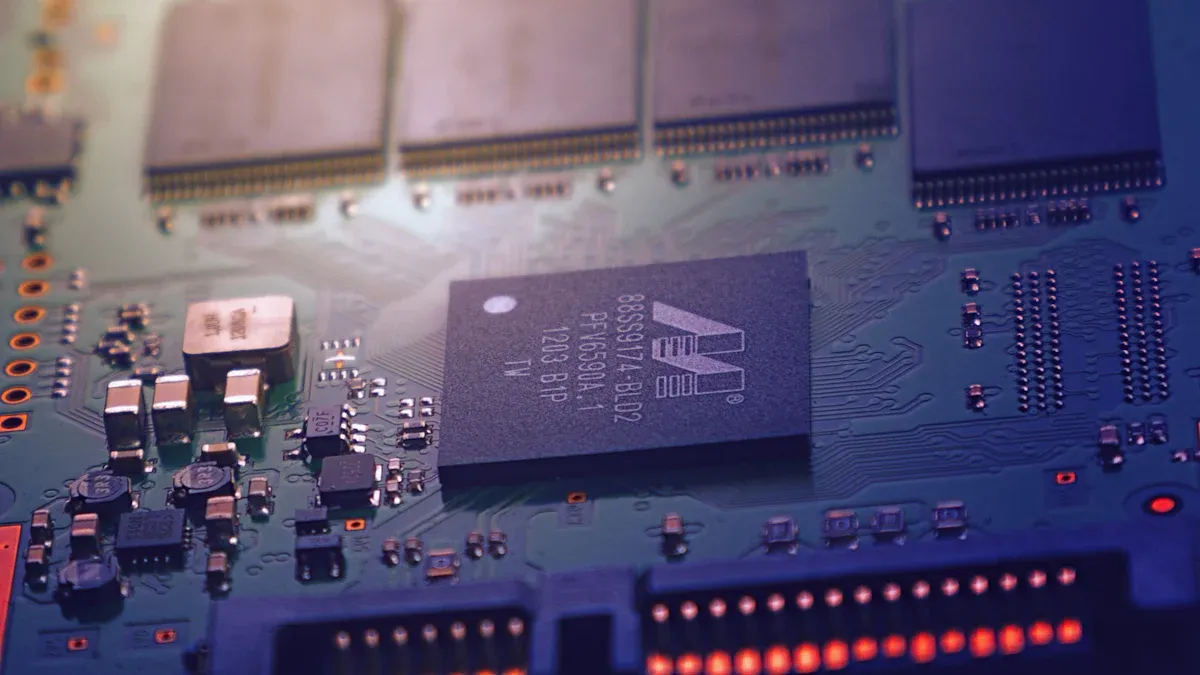
You find high-reliability applications in places where things cannot fail. These are in aerospace, medical devices, automotive safety systems, and military equipment. In these areas, printed circuit boards must work in tough conditions. PCBs might face high heat, shaking, or wetness. The way these boards are made must follow strict rules.
Printed circuit boards for high-reliability applications use special materials and coatings. Some of these PCBs have more layers or thicker copper traces. These things help the board stay strong and work well for a long time.
Tip: Always ask your PCB partner if they know about tough environments. This helps you make sure your product will meet what the industry needs.
Why They Matter
You count on high-reliability applications to keep people safe and things working. If a PCB stops working in a medical device, it could be very dangerous. In aerospace, one problem can ruin a whole mission. You must trust that your printed circuit boards will always work right.
Picking the right PCB partner makes things more reliable and lowers risk. You keep your good name and avoid expensive recalls. When you care about quality, you make products that last.
-
High-reliability applications need:
-
Careful material choice
-
Strong testing
-
Good manufacturing steps
-
You make your products better by putting reliability first.
Select Right PCB Partner
Certifications & Compliance
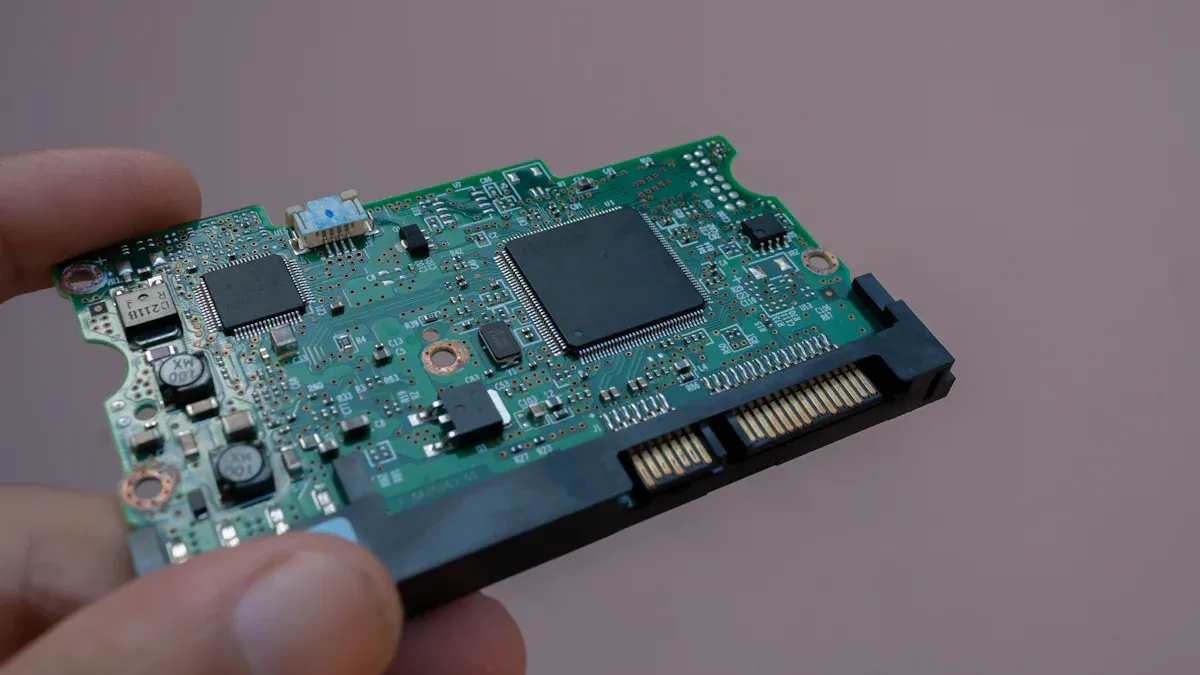
When you select right PCB partner, you need to check their certifications. Certifications like ISO 9001 and IPC Class II or III show they follow strict rules. These certifications mean the provider uses good processes and meets world standards. You should also check if they follow special rules for your industry, like AS9100 for aerospace or ISO 13485 for medical devices. These certifications help you trust the PCB process will give you steady quality. A certified PCB provider lowers your risk and helps you follow the rules you must meet.
Note: Always ask for current certificates and check them with the group that gave them.
Process Controls
Good process controls make the best PCB providers stand out. You want a partner who writes down every step they take. This includes how they handle materials, keep track of parts, and watch each step. Good controls help find mistakes early and stop bad boards from reaching you. When you select right PCB partner, you can trust each board will meet your needs. Strong controls also help if you need to change your design or have supply problems. This keeps your project moving and gives you high-quality PCBs every time.
Inspection & Testing
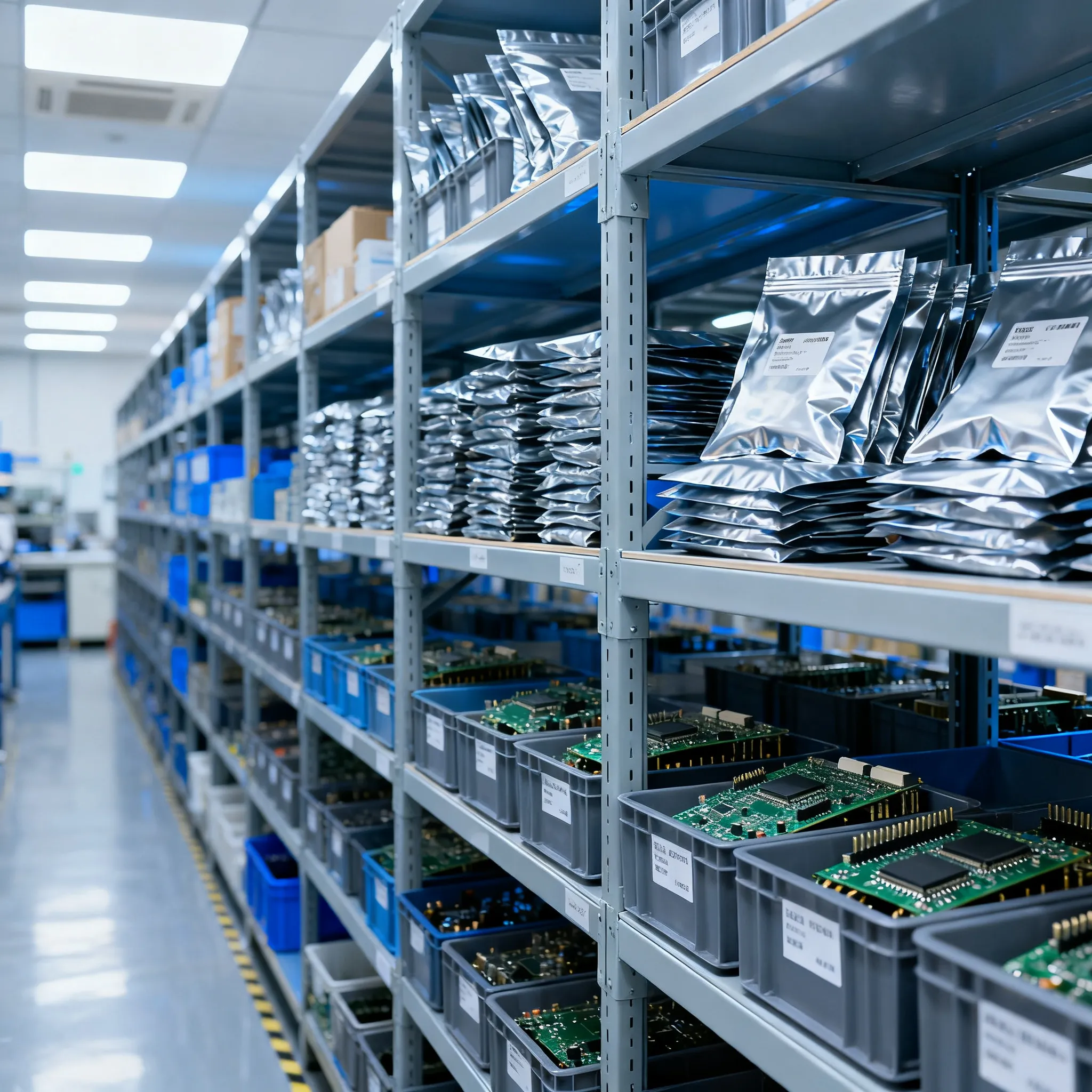
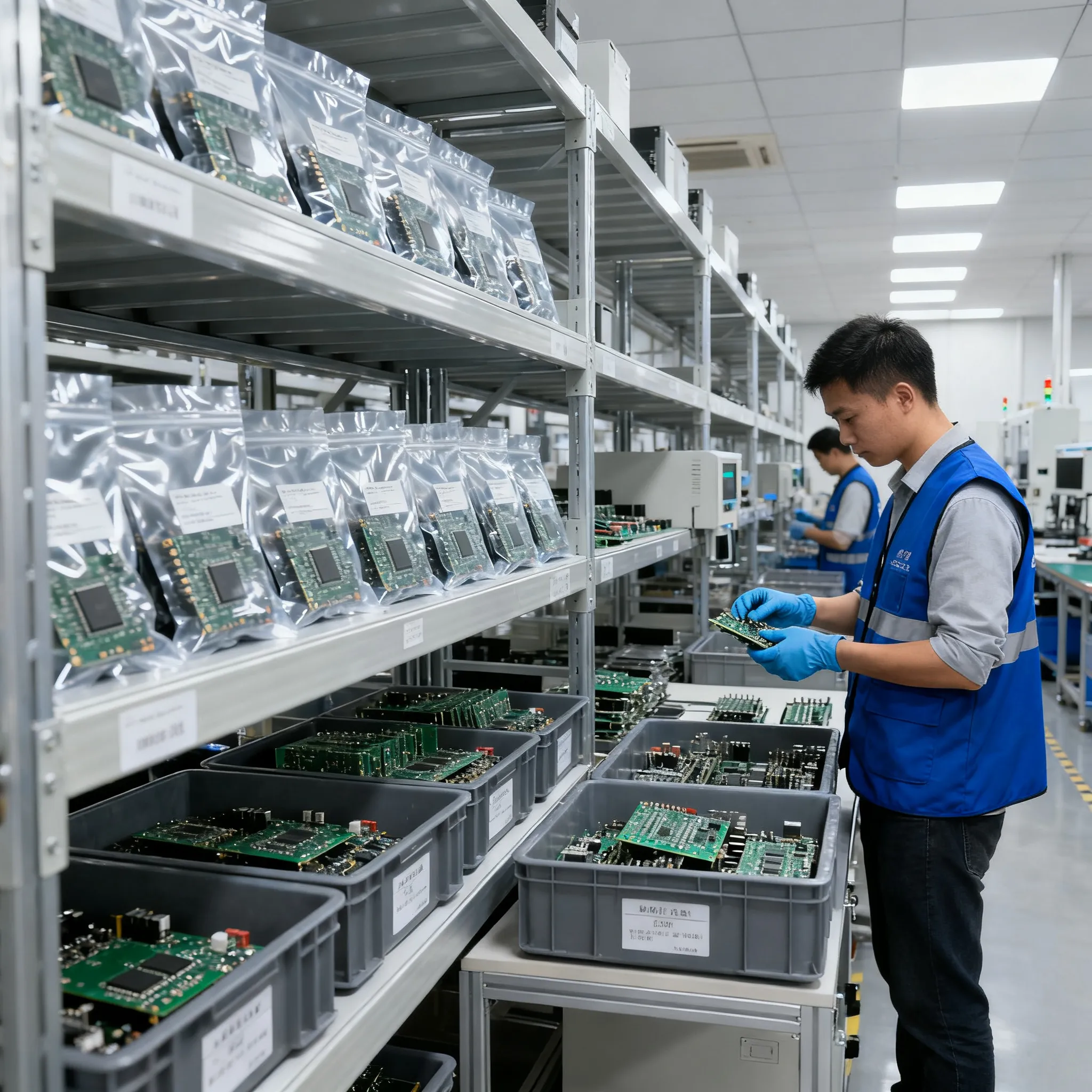
Inspection and testing are very important in high-reliability PCB work. Your PCB provider should use tools like automated optical inspection, X-ray, and electrical testing. These tools find problems like shorts, opens, or parts that do not line up before boards leave the factory. You should expect your partner to test every batch and give you clear reports. When you select right PCB partner, you make sure only boards that meet your high standards reach your line. Good inspection and testing protect your name and stop expensive problems in the field.
Technical Expertise
You need a PCB provider with strong technical expertise. High-reliability jobs often need hard designs, tight spaces, and special materials. Your partner should know the newest ways to make PCBs and fix tough problems. Look for a team with experience in your field, like aerospace, automotive, or medical. When you select right PCB partner, you get their knowledge and avoid common mistakes. Technical expertise also helps you make your design better for building, cost, and long life.
Customer Support
Great customer support helps your project succeed. When you select right PCB partner, you want a team that talks clearly and answers fast. Good support builds trust, especially for big or tricky orders. You also get:
-
Long-term partnerships and repeat orders, which help your supply chain.
-
Good reviews and referrals, which make your reputation better.
-
Clear communication that makes your provider stand out.
-
Trust that your partner can meet tough needs in special markets like medical or aerospace.
Tip: Pick a PCB provider with a strong record of great customer service. This support helps you fix problems fast and keeps your projects on track.
Material Selection
Material selection is key for strong and reliable PCBs. When you pick the right PCB material, you make the board stronger and better at handling heat and electricity. Common materials are FR-4, polyimide, and Rogers laminates. You should look for high glass transition temperature (Tg) materials for better strength in heat and stress. Things like fiberglass or aramid make the board even stronger. For high-power jobs, aluminum-backed PCBs help with heat. The right materials also fight off water, chemicals, and cleaning, which is important in cars and medical tools. Always make sure your PCB provider knows your needs and can suggest the best materials for long-lasting boards.
|
Material Type |
Key Benefit |
Typical Use Case |
|---|---|---|
|
FR-4 |
Good mix of cost and quality |
General electronics |
|
Polyimide |
Handles high heat |
Aerospace, automotive |
|
Rogers |
Great signal quality |
RF, high-frequency |
|
Aluminum-backed |
Very good at moving heat |
Power electronics |
When you select right PCB partner, you get many material choices and expert help. This makes sure your boards meet all rules and work well.
Evaluation Process
Assessing Partners
You need a simple plan to check each pcb provider for high-reliability jobs. First, see if the pcb provider has the right certifications. Look for ISO 9001, IPC-A-600, IPC-6012, and AS9100D. These show the provider follows strict quality rules in pcb manufacturing. Next, check how they inspect and test their boards. Ask if they use visual checks, Automated Optical Inspection, X-ray, In-Circuit Testing, and stress testing. These steps help you trust the quality of every pcb.
You should also check the pcb provider’s past work. Ask for case studies or references from similar jobs. This helps you know if the provider has real experience in high-reliability pcb manufacturing. When you visit their site or do an audit, ask questions like:
-
How do you track materials and steps in manufacturing?
-
What quality management systems do you use?
-
How do you fix problems in pcb manufacturing?
-
What paperwork comes with the finished pcb?
Tip: Always look at process documents and audit reports. These help you see how much the provider cares about quality.
Red Flags
You need to watch out for warning signs when picking a pcb provider. Some common red flags are:
-
Missing or old certifications for pcb manufacturing.
-
Bad communication or slow answers to your questions.
-
Weak inspection or testing skills.
-
No clear process controls in manufacturing.
-
No proof of experience with high-reliability pcb jobs.
-
Missing paperwork or no quality reports.
If you see any of these, you should pick a different pcb provider. High-reliability jobs need strong quality and proven manufacturing skills. You keep your product and name safe by avoiding these risks.
Final Decision
Compare Options
You should look at each provider before picking one. Make a list of what each company does well and what they do not. Check their certifications, process controls, and how they test things. See how they make PCBs and how fast they can send them to you. Some companies work faster because they are close by. This helps you finish your project on time and handle changes.
See how each provider talks with you. Good communication helps fix problems fast and keeps your project moving. Ask if they have experience with high-reliability manufacturing. Companies that follow strict quality standards, like IPC-6012 or IPC-6013, care about quality. Think about how they keep your intellectual property safe and if they can make special PCBs for you.
Tip: Make a simple table to compare things like quality, delivery time, and customer support. This helps you see which provider is best.
Build Relationships
Having a good relationship with your manufacturing partner helps you do well on many projects. Pick a provider who likes to work together and talk openly. When you work closely, you get quick feedback and better ideas for design and making PCBs. Local partners can help you faster and know your needs better.
Long-term partnerships give you more good things. You can use new technology and better testing. Your provider can help you make your design and process better. Strong supply chains and good IP protection keep your projects safe from big problems. Some providers get help from the government, so they can buy better tools and train workers.
-
Here are ways to make a partnership work:
-
Set clear goals for quality and check them often.
-
Talk openly and fix problems together.
-
Support local companies to get better and more reliable service.
-
Keep your designs safe with strong IP rules.
-
Choose partners who buy new tools and train their workers.
-
Trusting your manufacturing partner helps you make better products and do well for a long time.
You keep your products safe and protect your good name by picking a high-reliability pcb partner carefully. Follow these steps:
-
Make sure they have good certifications and strong process controls.
-
Find out if they use advanced testing and have technical know-how.
-
Choose a partner who talks clearly and gives long-term help.
Picking quality and skill is better than saving money for now. Companies that follow rules well have fewer problems and less fixing to do. Partners who use advanced testing and train their workers help you stop delays and big mistakes. You get better results and save more money in the long run.
FAQ
What certifications should you require from a PCB partner?
You need to look for ISO 9001 and IPC Class II or III. You also want industry-specific certifications like AS9100 or ISO 13485.
Tip: Always check certificates with the group that gave them.
How do you know if a PCB provider uses strong process controls?
Ask for their written steps and quality management papers. You can also ask for a process chart or an audit report.
-
Look at their papers before you choose.
Why does material selection matter for high-reliability PCBs?
The material you pick changes heat resistance, strength, and how long it lasts.
:bulb: Polyimide and Rogers materials are good for hard jobs.
What is a red flag when choosing a PCB partner?
Bad communication, no certifications, or weak testing are warning signs.
🚩 If a provider cannot prove quality, pick someone else.