Sensor Flow Meter A Simple Guide to Industrial Efficiency
A sensor flow meter provides accurate flow measurement in an industrial process. This precise measurement delivers key benef
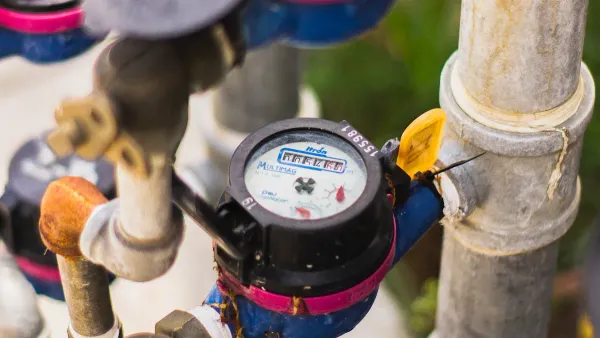
A sensor flow meter provides accurate flow measurement in an industrial process. This precise measurement delivers key benefits for operational efficiency and product quality. The market for flow meters, projected to reach USD 15.17 billion by 2030, highlights their importance for industrial efficiency. These flow meters use a sensor to monitor fluid flow.
Effective flow measurement from flow meter sensors is essential for efficiency. Managing the flow rate and overall flow with these flow meter sensors unlocks further benefits and boosts operational efficiency.
Key Takeaways
- Sensor flow meters measure how much fluid moves in a process. This helps factories work better and make good products.
- Different types of flow meters exist for different jobs. For example, magnetic meters work for liquids that conduct electricity, and ultrasonic meters work for many other liquids.
- Flow meters help factories save money and resources. They also make sure factories follow safety rules and protect the environment.
- Choosing the right flow meter is important. You must think about the liquid, the factory conditions, and how accurate you need the measurement to be.
How a Sensor Flow Meter Works
Flow meters operate on a simple yet powerful premise. They convert the physical movement of a fluid into a measurable electrical signal. This conversion allows industries to quantify and manage fluid flow with high precision. The specific method depends on the type of sensor, but the goal remains the same: turning physical motion into useful data.
Core Principle: Translating Flow to Data
The core function of flow meter sensors is to translate the kinetic energy of fluid flow into electrical data. Different flow meters use various physical principles to achieve this measurement. For example, some magnetic flow meters apply Faraday's Law of Induction. This law states that a voltage is generated when a conductor moves through a magnetic field. In this case, the conductive fluid is the conductor. As the fluid flow passes through a magnetic field inside the pipe, the flow meter sensors detect a voltage directly proportional to the fluid's velocity.
The generated voltage (E) can be expressed with a simple formula:
- E: The voltage generated in the fluid
- k: A constant specific to the meter
- B: The strength of the magnetic field
- V: The velocity of the fluid flow
- D: The distance between the electrodes of the sensor
This principle enables an accurate flow measurement.
From Sensor Signal to Actionable Insight
A raw electrical signal from flow meter sensors is not enough. This initial data must be converted into a format that control systems can understand and use. This is the job of a transmitter, which is the "brain" of the sensor flow meter. The transmitter processes the signal, calculates the flow rate, and communicates this information. Modern smart flow meters excel at this process.
Smart flow meters provide the real-time data necessary for advanced process control and automation. This continuous stream of data empowers operators to make immediate adjustments.
These flow meters send clean, organized data to a central control system. This information supports everything from simple monitoring to complex data analysis. The flow of data from flow meter sensors enables facilities to optimize efficiency, ensure safety, and maintain consistent product quality. The final output is not just a measurement; it is actionable intelligence that drives a smarter operation.
Key Types of Flow Meter Sensors
Selecting the right sensor flow meter depends on the specific industrial process. Different flow meters use unique physical principles to measure flow, making each type suitable for different fluids and conditions. Understanding these types is the first step toward optimizing your operations.
Electromagnetic Flow Meters
Electromagnetic flow meters, often called magmeters, operate based on Faraday's Law of Induction. These devices are ideal for measuring the flow of conductive liquids. They create a magnetic field, and as a conductive fluid flows through it, the fluid generates a voltage. Flow meter sensors detect this voltage, which is directly proportional to the flow velocity. This method provides an unobstructed flow path, preventing pressure drop.
The design of electromagnetic flow meters makes them highly effective in applications where hygiene or fluid characteristics are a concern. They have no moving parts, which reduces maintenance and eliminates potential contamination points. Their utility is prominent across various sectors.
- Water and Wastewater Treatment: Electromagnetic flow meters provide precise measurements for raw water intake, chemical dosing, and monitoring discharge flow.
- Food and Beverage Production: The sanitary design of electromagnetic flow meters is perfect for batching ingredients, product transfer, and verifying clean-in-place (CIP) processes.
In these applications, electromagnetic flow meters help with quality control by ensuring accurate ingredient proportions and assist with inventory control by tracking liquid volumes.
Because they rely on conductivity, electromagnetic flow meters are not suitable for measuring deionized water, hydrocarbons, or most gases. However, for conductive fluid flow applications, electromagnetic flow meters offer exceptional accuracy and reliability.
Ultrasonic Flow Meters
Ultrasonic flow meters measure fluid velocity to calculate the volume flow rate. They use ultrasonic transducers to send and receive sound waves through the fluid. The key advantage of many ultrasonic flow meters is their non-invasive nature. Clamp-on models can be installed on the outside of a pipe, eliminating the need for process shutdowns or pipe cutting. This makes them perfect for retrofit projects and temporary flow monitoring.
These flow meters generally fall into two categories: transit-time and Doppler. The choice depends on the fluid's characteristics.
| Feature | Doppler Ultrasonic Flow Meter | Transit-Time Ultrasonic Flow Meter |
|---|---|---|
| Measurement Principle | Measures the frequency shift of a signal reflected by particles or bubbles. | Measures the time difference between ultrasonic pulses traveling upstream and downstream. |
| Fluid Requirements | Requires suspended particles or bubbles to reflect the signal. | Requires a relatively clean fluid with minimal solids or bubbles. |
| Typical Accuracy | ±1% to ±5% of full scale. | ±0.5% to ±1% of reading. |
| Example Use Cases | Wastewater, slurries, and sludge. | Potable water, chemicals, and oil and gas. |
In the oil and gas industry, non-invasive clamp-on flow meter sensors are invaluable. They offer:
- Enhanced Safety: No pipe cutting means no potential leak points, which is crucial when handling corrosive or toxic media.
- Maximum Uptime: Installation and maintenance do not require shutting down operations.
- No Pressure Loss: Since the sensor does not contact the fluid, it does not obstruct flow or cause a pressure drop.
- Flexibility: Portability allows for system audits and verification testing across various flow applications.
These benefits make ultrasonic flow meters a versatile choice for many challenging flow monitoring scenarios, especially in the oil and gas sector.
Coriolis Mass Flow Meters
Coriolis mass flow meters are renowned for their high accuracy. They are unique because they measure mass flow directly, rather than inferring it from volume. This capability makes them independent of changes in fluid pressure, temperature, or viscosity. The device works by passing fluid through a vibrating tube. The fluid's inertia causes the tube to twist, and flow meter sensors measure this twist, or "phase shift." This phase shift is directly proportional to the mass flow rate.
Simultaneously, the vibration frequency of the tube changes based on the fluid's density. This allows Coriolis flow meters to measure mass flow, density, and temperature with a single instrument. This direct mass measurement is critical in applications where precision is paramount.
- Chemical Processing: Coriolis flow meter sensors accurately handle concentrated acids, polymers, and other reactive chemicals for precise mixing.
- Pharmaceutical Industry: The technology ensures exact dosing of active ingredients, which is vital for producing safe and effective medications.
- Oil and Gas: These flow meters are used for custody transfer of high-value products, where accuracy directly impacts profitability.
For implementing such advanced systems, industries often turn to specialized partners. For example, Nova Technology Company (HK) Limited is a HiSilicon-designated (authorized) solutions partner that helps integrate high-precision technologies into complex industrial processes.
The ability of Coriolis flow meters to quantify the actual mass of a substance elevates process control and reduces costly errors in high-stakes applications.
Vortex Flow Meters
Vortex flow meters operate on the principle of vortex shedding. When a fluid flows past a bluff body (an obstruction) placed in the flow path, it creates alternating vortices downstream. Flow meter sensors detect the frequency of these vortices. This frequency is directly proportional to the fluid's velocity. This simple and robust design makes vortex flow meters a reliable choice for a wide range of applications.
Vortex flow meters are a preferred choice for measuring steam and gas flow in industrial utility lines. Their key advantages include:
- Durability: They have no moving parts, which significantly reduces maintenance needs and eliminates common failure points.
- Wide Application Range: They can handle liquids, gases, and steam, including corrosive fluids at high temperatures and pressures.
- Safety: A gasket-free, sealed meter body prevents leaks, enhancing operational safety.
- High Turndown: They can accurately measure flow over a wide range of rates.
These features make vortex flow meter sensors an economical and dependable solution for general-purpose flow monitoring, especially for steam and compressed air systems.
Thermal Mass Flow Meters
Thermal mass flow meters are designed primarily for measuring the mass flow of clean gases. They operate on the principle of heat transfer. The meter introduces a small, precise amount of heat into the gas stream using a heated sensor. A second sensor measures the gas temperature. As gas flows past the heated sensor, it carries heat away, causing a cooling effect.
The instrument calculates the mass flow based on the amount of energy required to maintain a constant temperature difference between the two flow meter sensors. The more energy needed, the higher the mass flow. This method provides a direct mass flow measurement without needing external pressure or temperature compensation.
Thermal mass flow meters are ideal for specific applications:
- Compressed Air Monitoring: They help facilities track air consumption and detect costly leaks in the system.
- Clean Gas Measurement: They are used for monitoring pure industrial gases like nitrogen, hydrogen, and argon in laboratory and semiconductor production.
- Emissions Monitoring: They are well-suited for measuring stack gas flow for regulatory compliance.
Because they rely on known thermal properties, these flow meters are best for clean, pure gases or predefined gas mixtures. For these applications, they offer an accurate and cost-effective way to measure and control gas flow.
Impact of Flow Meters on Operations
Sensor flow meters are more than just measurement devices; they are foundational tools that drive significant operational improvements. The data they provide empowers industries to enhance process control, boost efficiency, and ensure compliance. Accurate flow measurement creates a direct path to a smarter, safer, and more profitable operation.
Process Control and Automation
Flow meters provide the critical data that connects physical processes to digital intelligence. This connection is the backbone of modern industrial automation. In an automated system, flow meter sensors act as the "eyes" of the process, delivering real-time data to a central controller. This controller then makes automatic adjustments to valves, pumps, and other equipment to maintain the desired flow rate. This continuous feedback loop is essential for precise process control.
The benefits of this level of automation are clear. It removes the potential for human error, streamlines operations, and ensures consistent results. For example, a craft brewery used G2 Series Flow Meters for its automation system. The flow meters accurately measured hot water during mashing and chemicals during cleaning. This precise process control ensured consistent product quality from batch to batch, a key challenge in the brewing industry. Smart flow meters provide the reliable flow data needed to make such advanced automation possible, turning simple monitoring into active process management.
Boosting Resource Efficiency and Sustainability
In today's industry, resource management is a top priority. Flow meters are essential for boosting efficiency and achieving sustainability goals. They enable facilities to track the consumption of water, energy, and raw materials with high accuracy. This detailed monitoring helps identify opportunities to reduce waste and cut costs. Early leak detection is one of the most significant benefits. A sudden, unexplained change in flow can signal a leak, allowing operators to fix the problem before it leads to significant material loss or environmental damage.
Modern smart flow meters and digital applications take this efficiency to the next level. They offer tools for comprehensive data analysis and resource management.
- Digital platforms like Dhaara Live enable real-time data visualization for quick operational decisions.
- These systems facilitate detailed water audits, assessing usage patterns in manufacturing, cooling, and other applications.
- Specialized applications help businesses evaluate water risks and digitally manage their water footprint.
Furthermore, flow meters are crucial for Environmental, Social, and Governance (ESG) reporting. Thermal mass flow meters, for instance, provide the consistent and reliable data required to track greenhouse gas (GHG) emissions. This allows companies to report on their progress toward sustainability targets, demonstrating their commitment to reducing their environmental impact. The precise flow data from flow meter sensors provides the verifiable metrics needed for credible ESG reports, enhancing corporate reputation. This focus on efficiency delivers both economic and environmental benefits.
Ensuring Safety and Regulatory Compliance
Maintaining a safe working environment and adhering to government regulations are non-negotiable aspects of industrial operations. Flow meters play a vital role in both areas. They help prevent dangerous situations like over-pressurization or the uncontrolled release of hazardous materials by ensuring flow rates stay within safe limits. The ability to perform remote monitoring of flow in hazardous areas also keeps personnel out of harm's way.
Government bodies often mandate the use of flow meters for regulatory compliance. The U.S. Environmental Protection Agency (EPA), for example, requires flow measurement for GHG emissions reporting under regulation 40 CFR part 98. Flow meter sensors provide the auditable data needed to meet these legal requirements. The EPA clarifies the acceptability of specific technologies for these applications.
Q: Does EPA accept thermal flow meters for measuring volumetric flow rate of LFGs? A: Thermal mass flow meters may be used to comply with the monitoring requirements of the rule provided they meet the accuracy requirements under section 98.3(i). Calibration should be done as specified by the manufacturers if none of the methods listed in section 98.344(b) or (c) are applicable.
This shows that as long as flow meters meet specified accuracy and calibration standards, they are acceptable for compliance. The detailed event logs and historical data from advanced flow meter sensors provide a traceable record, which is invaluable during audits. This makes flow meters a critical tool for risk management and regulatory adherence in any industrial process.
Selecting the Right Flow Meter
Choosing the correct sensor flow meter is critical for optimizing any industrial process. The decision depends on a careful evaluation of the fluid, the operating environment, and the performance requirements of the application. A systematic approach ensures the selected technology delivers reliable and accurate flow measurement for years to come.
Analyzing Fluid Properties
The first step is to understand the fluid itself. Properties like viscosity, conductivity, and corrosiveness directly influence which flow meters will function correctly. For example, electromagnetic flow meters are excellent for conductive liquids like water or slurries but cannot measure non-conductive fluids such as hydrocarbons.
- Conductivity: Magnetic flow meters require a minimum fluid conductivity, typically above 5 µS/cm.
- Viscosity: For high-viscosity fluids, positive displacement (PD) or Coriolis flow meters are suitable choices. Standard ultrasonic flow meters work well for fluids with viscosities up to 300 cP.
- Corrosiveness: For corrosive chemicals, operators should select flow meters with resistant materials. Options include magnetic flow meters with PTFE liners or non-intrusive ultrasonic flow meter sensors that never contact the fluid.
Evaluating Process Conditions
Process conditions, including temperature, pressure, and flow rate, are equally important. Extreme temperatures or pressures can affect fluid density and even damage the flow meter sensors. High pressure can distort a meter’s internal components, while very low pressure might lead to cavitation, both of which compromise measurement accuracy and performance.
The expected flow rate also narrows down the options. Each meter is designed for a specific range of flow applications, often tied to the pipe size. For instance, a 4-inch pipe might handle an average flow of 320 GPM, while a larger 8-inch pipe could manage over 1,200 GPM under similar pressure. Matching the meter to the pipe size and expected flow is essential for optimal performance.
Defining Accuracy and Performance Needs
Different applications demand different levels of precision. It is important to distinguish between accuracy and repeatability.
Accuracy is how close a measurement is to the true value. Repeatability is the ability of a meter to provide the same reading for the same flow consistently. A meter can be repeatable without being accurate, but it cannot be accurate without being repeatable.
For custody transfer or precise chemical dosing, high accuracy is paramount. Coriolis flow meters, with accuracy up to 0.1%, are often the best choice for these critical applications. For process control where consistency is key, a vortex meter with 1-2% accuracy may be sufficient. Understanding the required performance helps balance cost and functionality.
Considering Installation and Maintenance
Finally, consider the total cost of ownership, which includes installation and ongoing maintenance. Some flow meters, like clamp-on ultrasonic models, offer simple, non-invasive installation with no process downtime. Others may require cutting pipes and extended shutdowns.
Maintenance requirements also vary. Flow meters with no moving parts, such as magnetic or vortex meters, generally require less attention than those with mechanical components. However, all flow meters need periodic calibration to ensure their accuracy over time. A typical calibration schedule is annual, but this can change based on the industry, the criticality of the measurement, and the manufacturer's recommendations. Regular checks maintain the long-term performance and reliability of the flow measurement system.
Navigating these factors can be complex. Partnering with an expert can simplify the selection process. For example, Nova Technology Company (HK) Limited, a HiSilicon-designated solutions partner, has the expertise to help industries choose and integrate the ideal flow technology for their specific needs.
A sensor flow meter is more than a measurement tool; it is a vital component for modern, data-driven industrial management. The benefits of using flow meters include significant cost reduction, improved product quality, and enhanced safety. The data from flow meter sensors drives operational efficiency. Future flow meters will offer even greater benefits for efficiency through advanced data analysis.
- Real-Time Monitoring: IoT-enabled flow meters provide continuous flow data for immediate decisions.
- Predictive Maintenance: The sensor can analyze flow data to predict failures, boosting operational efficiency.
Choosing the right flow meter is a strategic investment in operational excellence and resource management.
FAQ
What is the difference between mass flow and volumetric flow?
Volumetric flow measures the space a fluid occupies as it passes a point. Mass flow measures the actual mass of the fluid. Mass flow measurement is independent of changes in fluid temperature, pressure, or density. This makes it more accurate for many chemical and custody transfer applications.
How often should a flow meter be calibrated?
Operators should calibrate flow meters based on manufacturer recommendations and industry standards. A typical schedule is annual. Critical applications may require more frequent calibration to ensure consistent accuracy. Regular checks maintain the reliability of the flow measurement system and prevent costly errors.
Can one flow meter measure all types of fluids?
No single flow meter works for all fluids. Fluid properties like conductivity, viscosity, and composition determine the correct meter type. For example, electromagnetic meters require conductive liquids. Ultrasonic meters work well for non-conductive fluids like oil. Proper selection is key to accurate measurement.
What does "turndown ratio" mean for a flow meter?
The turndown ratio indicates the range over which a flow meter can accurately measure flow. A meter with a 100:1 turndown ratio can accurately measure flow from 1% to 100% of its maximum capacity. A higher ratio means greater flexibility for varying flow rates.