Testing Camshaft Position Sensor Issues in 2026
You turn your key, but the engine will not start. Maybe the check engine light just came on, or your car stalls at
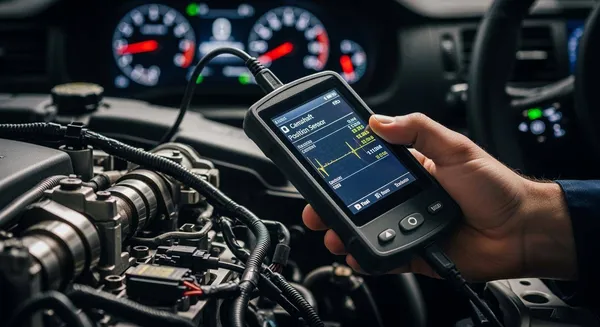
You turn your key, but the engine will not start. Maybe the check engine light just came on, or your car stalls at a stoplight. These issues often point to a faulty camshaft position sensor. You may notice rough idling, engine stalling, or trouble starting your vehicle. If you want to know how to check if camshaft position sensor is bad, you can follow simple steps to test and reset it yourself.
Key Takeaways
- Watch for symptoms like rough idling, difficulty starting, and engine stalling. These signs often indicate a faulty camshaft position sensor.
- Use a digital multimeter to test the sensor's resistance. Most sensors should read between 200 and 1000 ohms. Readings outside this range suggest a problem.
- Reset the camshaft position sensor using an OBD-II scanner or by disconnecting the battery. This helps the engine control module recognize the sensor's position.
- Inspect wiring and connections before replacing the sensor. Loose or damaged wires can cause similar symptoms and fault codes.
- If the sensor passes tests but issues persist, check related components like the crankshaft position sensor and the engine control unit for faults.
How to Check if Camshaft Position Sensor is Bad
Key Symptoms to Watch For
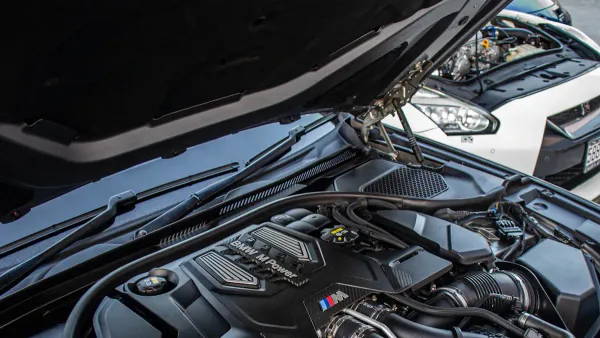
You can spot a bad camshaft position sensor by paying attention to several clear signs. If you want to know how to check if camshaft position sensor is bad, start by observing your vehicle’s behavior. The engine may idle roughly, causing vibrations and fluctuating RPMs. Sometimes, the engine stalls when you stop at a red light or while idling in traffic. You might notice difficulty starting the engine. The sensor can send weak or incorrect signals, making the engine crank for a long time or fail to start at all. Jerking or stalling while driving is another warning. Inconsistent signals from the sensor can cause sudden power loss, hesitation during acceleration, or even complete stalling.
Here is a table that summarizes the most common symptoms:
| Symptom | Description |
|---|---|
| Rough Idling | Engine struggles to maintain a stable idle, leading to vibrations and fluctuating RPMs. |
| Difficulty Starting the Engine | Engine cranks for an extended period or fails to start due to weak or incorrect sensor signals. |
| Jerking or Stalling While Driving | Sudden power loss, hesitation, or complete stalling, especially during acceleration. |
You may also notice engine misfires and poor fuel economy. These issues often appear with camshaft position sensor problems. Crankshaft position sensor failures can cause similar symptoms, such as hard starts, random stalls, and erratic RPMs. However, camshaft sensor issues usually lead to misfires, rough idle, and hard starting.
Tip: Environmental factors like extreme temperatures and high humidity can damage the sensor. Rapid temperature changes may cause condensation inside the sensor, leading to short circuits. Dirt and debris can also block the sensor, reducing its accuracy and lifespan.
If you see these symptoms, you should learn how to check if camshaft position sensor is bad before replacing any parts. Many drivers overlook intermittent issues. These problems may not show up during testing but can still affect performance. Improper installation or handling can cause premature sensor failure or inaccurate readings. Overtightening the sensor may crack its housing, while loose installation can lead to excessive vibration.
Common Fault Codes
When you check your vehicle with an OBD-II scanner, you may find specific fault codes linked to camshaft position sensor issues. If you want to know how to check if camshaft position sensor is bad, look for these codes:
- P0340 – Camshaft Position Sensor “A” Circuit
- P0341 – Camshaft Position Sensor “A” Circuit Range/Performance
- P0342 – Camshaft Position Sensor “A” Circuit Low
- P0343 – Camshaft Position Sensor “A” Circuit High
- P0344 – Camshaft Position Sensor “A” Circuit Intermittent
- P0345 – Camshaft Position Sensor “A” Circuit
- P0346 – Camshaft Position Sensor “A” Circuit Range/Performance
- P0347 – Camshaft Position Sensor “A” Circuit Low
- P0348 – Camshaft Position Sensor “A” Circuit High
- P0349 – Camshaft Position Sensor “A” Circuit Intermittent
Code P0340 often points to a malfunction in the camshaft position sensor circuit. This code can result from a faulty sensor, wiring issues, or loose connections. Many drivers replace the sensor without checking the wiring or circuit, which can also trigger the P0340 code.
Note: Always inspect the wiring and connectors before replacing the sensor. Loose or corroded connections can cause the same fault codes and symptoms.
If you see these codes and symptoms, you have a strong reason to test the sensor. Learning how to check if camshaft position sensor is bad helps you avoid unnecessary repairs and ensures your vehicle runs smoothly.
Testing the Sensor
Nova Technology Company (HK) Limited stands out as a HiSilicon-designated solutions partner. The company specializes in chip-level solutions, advanced system integration, and application scenarios such as automotive electronics, industrial automation, and smart devices. Their expertise in semiconductor and IC design ensures reliable sensor diagnostics and integration for modern vehicles.
Multimeter Resistance Test
You can use a digital multimeter to check the resistance of your camshaft position sensor. This method works best for magnetic reluctance sensors. First, disconnect the sensor from the wiring harness. Set your multimeter to the resistance (ohms) setting. Touch the probes to the sensor’s terminals. Compare the reading to your vehicle’s service manual. Most sensors should show a resistance between 200 and 1000 ohms. If the reading falls outside this range, the sensor may be faulty.
Note: The multimeter resistance test helps you diagnose magnetic sensors, but it does not work for Hall-effect sensors. Hall-effect sensors do not have measurable resistance. For a complete diagnosis, you may need to use other tools, such as an oscilloscope, which can visualize the sensor’s signal waveform.
False positives can occur during testing. Common causes include contamination from oil leaks or metal shavings, mechanical wear, and improper installation. These factors can interfere with sensor accuracy and lead to misleading results.
Digital Signal Backprobe
If your sensor uses a digital signal, you can backprobe the signal wire. Reconnect the sensor and turn the ignition on. Set your multimeter to the voltage setting. Insert the probe into the signal wire at the connector. You should see voltage readings change as the engine turns.
| Condition | Voltage Reading |
|---|---|
| Metal close | Almost 0 volts |
| Metal away | 4.8 to 5 volts |
For two-wire sensors, measure resistance between the terminals. For three-wire sensors, identify the signal wire and measure voltage while the engine cranks. If you want to know how to check if camshaft position sensor is bad, use both resistance and voltage tests to confirm sensor health.
Automotive technicians recommend several tools for sensor testing:
| Tool | Function |
|---|---|
| Digital Multimeter (DMM) | Measures voltage, resistance, and continuity in the sensor’s circuit. |
| Oscilloscope | Visualizes the sensor’s signal waveform for performance insights. |
| Scan Tool | Reads diagnostic trouble codes (DTCs) and live data from the ECU. |
| Service Manual | Provides specific testing procedures and wiring diagrams for the sensor. |
If you want to know how to check if camshaft position sensor is bad, always compare your readings to the manufacturer’s specifications. This approach helps you avoid unnecessary sensor replacements and ensures accurate diagnostics.
Resetting the Sensor
Resetting your camshaft position sensor helps your engine control module (ECM) recognize the sensor’s new position after replacement or repair. You can use an OBD-II scanner or try manual reset steps. Both methods aim to clear fault codes and restore optimal engine performance.
Using an OBD-II Scanner
You can reset the camshaft position sensor quickly with an OBD-II scanner. Modern scanners, such as the VDIAGTOOL VD70S, offer dedicated camshaft relearning functions. These tools work well for vehicles manufactured after 2020 and support advanced protocols like CAN FD, DOIP, and FCA.
- The VDIAGTOOL VD70S provides professional automotive diagnostics and camshaft relearning.
- You can use this scanner with over 10,000 vehicle models, making it versatile for most modern cars.
- Camshaft relearning ensures your ECM accurately recognizes the camshaft’s position after sensor replacement.
- Resetting the sensor with a scanner restores engine performance and prevents misfires or stalling.
Tip: Always follow the scanner’s instructions for camshaft relearning. This process usually takes only a few minutes and helps avoid unnecessary engine issues.
Manual Reset Steps
If you do not have access to an OBD-II scanner, you can try manual reset steps. Start by disconnecting the battery for about 15 minutes. Reconnect the battery and turn the ignition key to the “on” position without starting the engine. Wait for the dashboard lights to cycle off. Start the engine and let it idle for several minutes. This process may clear some fault codes and help the ECM relearn the sensor’s position.
Performing a manual reset without professional tools can lead to engine performance issues, such as misfires and stalling, especially if the sensor is faulty. Incorrect reset procedures may fail to address the underlying problem, resulting in further complications during diagnostics. You should use a scanner whenever possible for reliable results.
Note: Manual resets may not work for all vehicles, especially newer models with advanced ECMs. Always check your vehicle’s service manual for specific instructions.
| Method | Pros | Cons |
|---|---|---|
| OBD-II Scanner | Fast, reliable, supports many models | Requires scanner, may cost more |
| Manual Reset | Simple, no tools needed | Less reliable, may not clear all codes |
Troubleshooting and Next Steps
If the Sensor Passes Tests
If your camshaft position sensor passes all tests but your engine still acts up, you should not stop there. Many automotive experts recommend checking other related components. Problems can hide in places you might not expect. Here are some steps you can take:
- Inspect the crankshaft position sensor. This sensor works closely with the camshaft sensor. If it fails, you may see similar symptoms.
- Examine the wiring harness for any signs of damage, corrosion, or loose connections. Even a small break or frayed wire can cause trouble.
- Verify the ECU (engine control unit) for faults. Sometimes, the ECU fails to process signals correctly.
- Clear all stored diagnostic trouble codes using a professional scanner. This step helps you see if the problem returns.
- Perform the Cam/Crank Relearn Procedure. This process ensures your engine’s computer synchronizes both sensors for accurate timing.
Tip: Use an oscilloscope to compare the camshaft and crankshaft sensor signals. Erratic patterns may point to timing issues or faulty components.
You can also follow these troubleshooting tips for persistent problems:
- Visual Inspection: Look for physical damage, corrosion, or loose connectors.
- Check Power Supply: Make sure the sensor receives the correct voltage from the ECU.
- Measure Signal Output: Confirm the sensor sends accurate data while the engine runs.
- Resistance Testing: For some sensors, measure resistance to spot faults.
- Oscilloscope Testing: Analyze the sensor’s performance in detail.
When to Replace the Sensor
You should replace the camshaft position sensor if it fails any diagnostic test or shows incorrect readings. If you install a new sensor and still see trouble codes, the issue may involve your engine’s timing components. Always check for erratic oscilloscope readings and confirm that you performed the ECU learning and reset procedures.
Certified technicians use diagnostic tools to measure live sensor signals. They confirm if the problem is electrical, mechanical, or both before recommending replacement. You can follow their lead by:
- Checking for OBD-II codes with a scanner.
- Inspecting the wiring for damage or poor connections.
- Testing the sensor’s voltage output and resistance.
If you follow these steps, you can confidently decide when to replace the sensor and restore your engine’s performance. 🛠️
You can spot and fix camshaft position sensor issues by following these steps:
- Watch for warning signs like a check engine light, rough idle, or trouble starting.
- Test the sensor with a multimeter or OBD-II scanner.
- Reset the sensor using a scanner or by disconnecting the battery.
Ignoring these problems can lead to engine misfires, poor fuel economy, and costly repairs. Take action early. You have the tools and knowledge to handle basic sensor diagnostics with confidence. 🚗
FAQ
What happens if I ignore a bad camshaft position sensor?
You risk engine misfires, poor fuel economy, and sudden stalling. Your car may not start at all. Address sensor issues early to avoid expensive repairs.
Can I drive with a faulty camshaft position sensor?
You can drive for a short distance, but you should not ignore the problem. The engine may stall or lose power unexpectedly. Get the sensor checked as soon as possible.
How often should I replace the camshaft position sensor?
Most sensors last over 100,000 miles. Replace the sensor only if you notice symptoms or get a fault code. Always follow your vehicle’s maintenance schedule.
Will disconnecting the battery reset the sensor?
Disconnecting the battery may clear some codes, but it does not fix the underlying issue. Use an OBD-II scanner for a proper reset and diagnosis.
Do aftermarket sensors work as well as OEM parts?
Aftermarket sensors can work, but quality varies. OEM sensors usually offer better reliability and compatibility. Always check reviews and specifications before buying.