What to Look for When Choosing an Electronic Assembly PCB Partner in 2025
The electronics industry changes very fast, so you need to pick an electronic assembly pcb partner who can keep up with your needs. The printed circuit board market may reach $85.4 billion in 2025.

The electronics industry changes very fast, so you need to pick an electronic assembly pcb partner who can keep up with your needs. The printed circuit board market may reach $85.4 billion in 2025. This growth is because of AI servers and electric vehicles. You need a partner who does well in every area. Look for these things:
-
Technical capabilities
-
Certifications and compliance
-
Proven experience with printed circuit board projects
-
Customization options
-
Cost and overall value
-
Supply chain strength and reliable component sourcing
-
Clear communication and support
-
Strategic location, fast timelines, and strict quality control
-
Strong privacy and security measures
Match your partner’s strengths with your project needs. This will help you stay ahead in the changing electronic assembly world.
Key Takeaways
-
Pick a PCB partner who has good technical skills. They should use new equipment. This helps make boards that work well and last long.
-
Look for important certifications like ISO 9001, IPC-A-610, and RoHS. These show the partner cares about quality and safety. They also help the environment.
-
Think about your project size and how much you can spend. Choose a partner who can handle your order well. They should give you good value for your money.
-
Find a partner who talks clearly and answers fast. This helps you know what is happening. It also helps fix problems quickly during your project.
-
Keep your designs safe by picking partners who follow privacy rules. They should use safe ways to protect your ideas.
Project Needs
Technical Requirements
You need to know your technical needs before you pick a pcb assembly company. Every project is different, so you should find a partner who matches your needs. In 2025, common technical needs for pcb projects include eco-friendly processes, advanced pcb fabrication, and careful assembly. Look at the table below to see the main technical needs and why they matter:
|
Technical Requirement |
Description and Importance |
|---|---|
|
RoHS Compliance and IPC-A-610 |
Makes sure the process is eco-friendly and lead-free. It also keeps assembly quality high. |
|
Advanced PCB Fabrication (HDI, Microvias) |
Helps make small and dense designs for 5G, cars, and medical devices. |
|
Precise Solder Paste Application |
Stops problems in tiny parts, which is important for good quality. |
|
Automated Pick and Place Machines |
Places parts very accurately, which is needed for big orders. |
|
Reflow Soldering with Lead-Free Solder |
Makes strong joints and follows RoHS rules. |
|
Inspection Methods (AOI, X-ray) |
Finds problems on the surface and inside, which is important for multilayer pcb. |
|
AI-Driven Inspection Technologies |
Finds more problems and saves money on checking. |
|
Design for Manufacturability (DFM) |
Makes the layout better and lowers mistakes during pcb assembly. |
|
Industry-Specific Materials |
Meets special needs for medical, car, and telecom uses. |
|
Eco-Friendly and Industry 4.0 Trends |
Uses materials that can be recycled and smart equipment for better work. |
You should check if your pcb assembly company can do these things. This helps your pcb assembly project meet the right standards and quality.
Volume and Budget
How many pcbs you need and your budget will affect your choice. Big orders or mass production work best with automated pcb assembly and pcb fabrication. This makes each unit cheaper and faster to make. For small orders or test runs, manual or through-hole assembly might be better, even if it costs more per unit. You should also think about these things:
-
Bigger orders make each part cheaper because setup costs are shared.
-
Using standard parts makes it easier to buy and control costs.
-
Design for manufacturability helps lower costs and mistakes.
-
Good supplier relationships can get you better prices.
-
Balancing cost and quality stops costly mistakes.
A good pcb assembly company will help you save money, no matter if you need a lot or just a few.
Customization
Your project might need special changes. Many companies want unique ways to put parts together, like SMT, through-hole, or advanced methods such as chip-on-board. You may need to use special parts, flexible circuits, or materials that can handle heat. Some projects need tough tests, like environmental or EMC testing, to meet rules. Fast work for test runs and small orders is also common. A good pcb assembly company gives you:
-
Help with special materials and layouts
-
Careful testing and checking for good quality
-
Quick answers when your needs change
Pick a pcb assembly company that can change with your needs, help with your design, and give you good results for both big and small projects.
Electronic Assembly PCB Partner Evaluation
Experience and Expertise
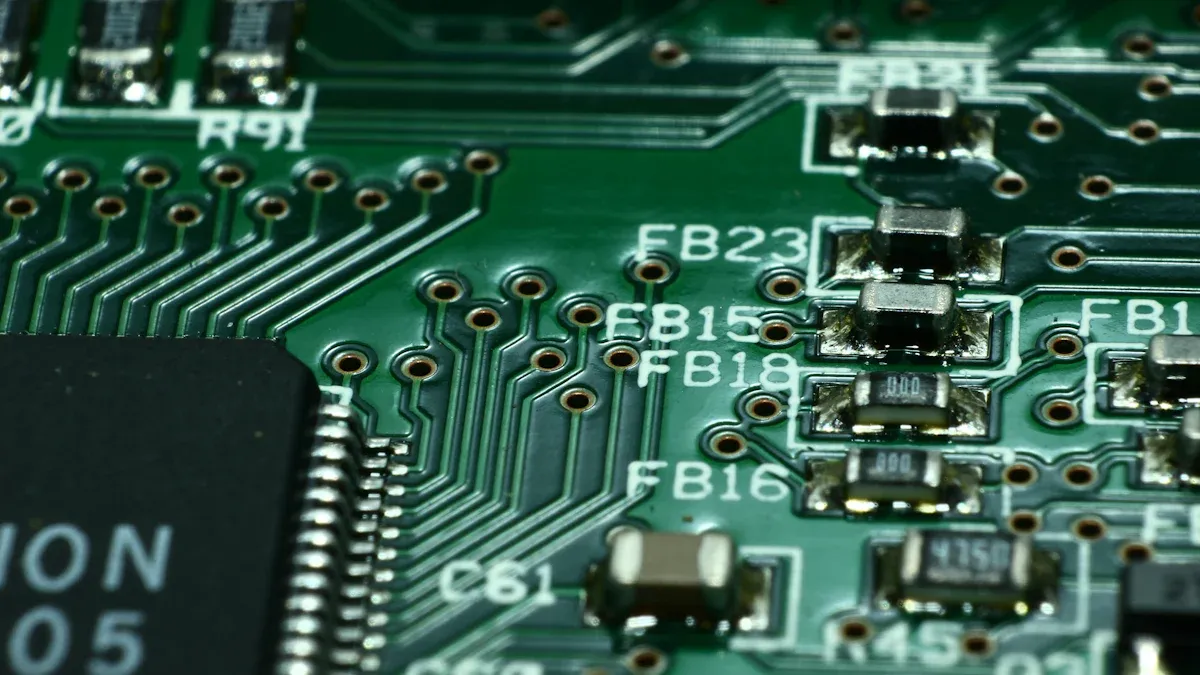
You want a pcb partner who has real experience. Many years in the field means they can solve hard problems. Pick a company that has done projects like yours before. A good partner has worked with HDI, rigid-flex, and SMT. They should have made both big orders and test runs.
Tip: Ask for customer stories and examples. These show how the company fixed problems and gave good results.
Here is a table to help you find signs of experience:
|
Key Indicator |
Explanation |
|---|---|
|
New, accurate machines and well-kept tools help make good boards. |
|
|
Certifications and Quality Systems |
ISO 9001, AS9100, IATF 16949, ISO 13485, UL, RoHS/REACH show they follow rules. |
|
Production Capacity and Scalability |
Can they handle your order size now and later? This stops delays and extra costs. |
You should also look for these things:
-
Use of new SMT machines, reflow ovens, AOI, and X-ray checks.
-
Good ways to check boards and always trying to get better.
-
Strong ways to get parts and manage supplies.
-
Early help with DFM/DFT and engineering support.
Be careful if they give unclear answers about old jobs, have no references, or use old machines. These are warning signs for your pcb assembly.
Certifications and Compliance
Certifications are important when picking a pcb company. They show your partner follows strict rules. Your pcb partner should have up-to-date certifications. These prove they care about quality, safety, and the environment.
|
Certification |
Importance for PCB Assembly Partners in 2025 |
|---|---|
|
Sets good ways to build pcbs and shows they use new tech and quality checks. |
|
|
ISO Quality Management |
Makes sure work is done the same way every time and keeps customers happy. |
|
RoHS Compliance |
Stops the use of bad chemicals and helps the planet. |
|
UL Listing |
Makes sure boards are safe from fire and shock, needed for many jobs. |
|
ITAR |
Keeps important tech safe and stops fake parts. |
|
MIL Standards |
Sets tough rules for how boards work, even for normal projects. |
A certified pcb company will make your process better, lower costs, and give you better boards. Watch out if they have no certifications, old papers, or do not want to share records. These can hurt your project.
Technical Capabilities
Your pcb partner must have strong technical skills. This makes sure your project meets all needs, from start to finish. The best pcb companies use new tech like fast SMT lines, AOI, X-ray checks, and smart software.
-
They should know SMT, through-hole, mixed tech, and multi-layer boards.
-
Look for skills like micro BGA, double-sided SMT, and high-density boards.
-
Your partner should check your design to make it easier to build.
-
They should test boards in-house with FCT, ICT, AOI, and stress tests.
-
A good supply chain and part buying plan stops delays and keeps quality high.
|
Technical Capability Aspect |
Impact on Project Outcomes and Product Reliability |
|---|---|
|
Up-to-date Technology (machinery & software) |
Makes work faster and more reliable, with fewer mistakes. |
|
Comprehensive Service Coverage |
Easy move from test boards to big orders, no need for many suppliers. |
|
Ability to Handle Various PCB Types |
Gives you the right solution for your needs. |
|
Quality Assurance Processes |
Fewer bad boards and returns, better lasting products. |
|
Knows how to handle hard jobs and new tech. |
A good pcb company will help with engineering, fast samples, and big orders. Watch out for weak skills, no in-house tests, or bad answers about what they can do. These can cause mistakes and missed deadlines.
Quality Assurance
Quality Control
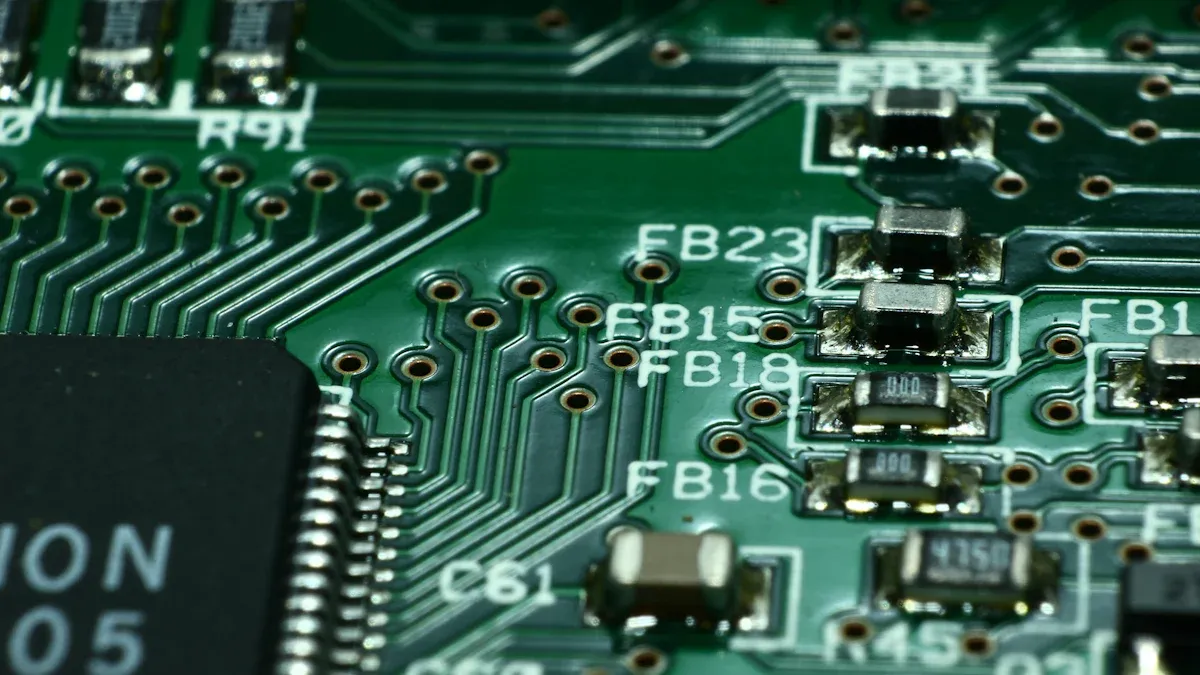
You need strong quality control to make sure every pcb is good. The best pcb assembly partners use many ways to keep quality high.
-
Design for Manufacturability (DFM) rules help stop mistakes. They do this by making parts and lines fit better.
-
Automated Optical Inspection (AOI) machines find missing parts and bad solder early.
-
Statistical Process Control (SPC) watches data to find problems fast.
-
Testing at many steps finds bad boards before you get them.
-
Supplier quality checks and tracking make sure only real parts are used.
-
Training workers often keeps their skills sharp and work good.
-
Writing down quality data helps find and fix problems that happen a lot.
You should check if your partner uses these controls. This helps you get good boards and meet tough quality rules.
Testing and Inspection
Testing and inspection are very important in pcb assembly. You want your partner to use both people and machines to check quality at every step. Here is a table with common ways to test:
|
Testing/Inspection Method |
Description |
Purpose/Application |
|---|---|---|
|
Workers look for problems you can see |
Make sure boards match the design |
|
|
Automated Optical Inspection (AOI) |
Cameras look for surface mistakes and bad assembly |
Find problems early |
|
X-ray Inspection |
Looks inside to find hidden solder problems |
Find things you cannot see with eyes |
|
In-Circuit Testing (ICT) |
Probes check wires and parts |
Make sure the circuit works right |
|
Flying Probe Testing |
Moving probes check for shorts and open spots |
Good for testing small orders |
|
Pretends to use the board like in real life |
Checks if the pcb works as it should |
You should ask about these tests when checking quality. Good partners use many tests to give you the same good results every time.
Continuous Improvement
Continuous improvement helps your pcb assembly process get better all the time. The best partners use the PDCA (Plan-Do-Check-Act) cycle.
-
Plan: Find problems with real data and set goals.
-
Do: Try fixes on a small scale and see what happens.
-
Check: Look at the results and learn from them.
-
Act: Make changes and keep checking for new problems.
You win when your partner reviews work, listens to feedback, and updates how they do things. This way, you get fewer mistakes and better boards over time.
Supply Chain and Communication
Location and Logistics
Where your pcb partner is located is important. If they are close, shipping is cheaper and faster. Shorter trips mean fewer problems with transport. You also have less chance of customs delays. Being nearby helps you get answers quickly. You do not have to worry about time zones. But do not pick a partner just because they are close. Always make sure their work is good. Local rules can sometimes slow things down. Check if these rules will affect your project. Work with logistics partners who know the best ways to ship. They should have backup plans if something goes wrong.
Tip: Pick a pcb partner near your customers to save time and money.
Lead Times and Timelines
How long pcb assembly takes can change. It depends on how hard the design is and if parts are easy to get. Rigid-flex pcbs take longer because they need special parts and more steps. Here is a table with average times for 2025:
|
PCB Type |
Average Lead Time (2025) |
|---|---|
|
Prototype boards |
1–3 days |
|
Standard PCBs |
5–7 days |
|
Advanced boards with assembly |
10–20 days |
Problems in the supply chain can cause delays. This can happen if parts run out or many people want the same thing. Good partners find parts from different places. They keep enough parts in stock. This helps your project stay on time. They also talk to all teams to stop mistakes and keep things moving.
Communication and Support
Good pcb partners talk to you often and help you. You need to know how your order is going. You want updates about parts and any delays. Telling you too much is better than not enough. This builds trust, especially if there are problems. Good partners explain hard things in simple ways. They help you understand each step. They answer your questions fast. They tell you what to expect and listen to you. Talking both ways helps you get the help you need, from start to finish.
Note: Pick a partner who is honest and gives great service during your pcb assembly project.
Choose a Partner: Security and Value
Privacy and IP Protection
When you pick a pcb assembly partner, you need to keep your ideas safe. Intellectual property protection uses legal steps. Patents protect new designs. Copyrights protect schematics. Trademarks protect logos. These steps help you stay ahead of others. You should also keep your data safe. Encrypt your design files. Only trusted staff should see them. Use secure file transfers and check for leaks often. Some companies use circuit obfuscation and design watermarking. These stop people from copying your work. You can ask everyone to sign NDAs and confidentiality agreements. Register your pcb designs and control who gets them. Good partners use safe buildings and careful delivery. They may use cloud manufacturing with strong security. Remember, IP risks can happen at any time. You lower these risks by picking a trusted pcb partner and using strict rules.
Cost and Value
Knowing costs helps you make good choices. The main pcb assembly costs are materials, labor, and overhead. Materials cost the most. This means the pcb base, copper, solder, and all parts. Labor costs pay for skilled workers, engineers, and inspectors. Overhead covers equipment, software, rent, and insurance. Design complexity, order size, and testing needs can change these costs. To save money, work with a partner who explains each cost. Ask for a breakdown so you know where your money goes. You can save by using standard parts and planning for manufacturability. A good partner helps you balance cost and value. This way, you get reliable pcbs without spending too much.
Single vs Multiple Subcontractors
You need to choose one pcb partner or several. Each choice has good and bad points.
|
Aspect |
Single PCB Partner (Turnkey) – Pros |
Single PCB Partner (Turnkey) – Cons |
Multiple Partners – Pros |
Multiple Partners – Cons |
|---|---|---|---|---|
|
Communication |
One contact, easy updates |
Less control, less visibility |
More control, more checks |
Hard to manage, mixed info |
|
Logistics |
Simple shipping, fewer delays |
Risk if one provider fails |
Backup options |
Complex shipping |
|
Problem Resolution |
Fast fixes, all steps in one place |
Hard to switch suppliers |
Flexible, can swap tasks |
Slow fixes, blame game |
|
Quality Ownership |
Clear responsibility |
May lack some expertise |
Pick best for each step |
Mixed quality, no owner |
|
Overhead and Cost |
Lower overhead, possible savings |
May cost more for one-stop service |
Can shop for best price |
Higher management costs |
|
Flexibility |
Fast time to market |
Not best at every process |
Specialized skills |
Slower, more complex |
If you want simple management and clear quality, pick one partner. If you need special skills or backup, use more than one. Always think about the costs and benefits before you choose a pcb partner.
Picking the right electronic assembly partner is very important. It can help your project do well. You should look at their technical skills and how they check quality. Make sure they have a strong supply chain and talk clearly with you. Here is a checklist to help you choose:
-
Look at their certifications and how they keep quality high.
-
See what equipment and technology they use.
-
Check how they get parts and test their boards.
-
Make sure they have good experience and help customers.
-
Compare how much it costs and how long it takes.
Working with a partner for a long time helps your business grow. It can make your boards better and get them to you faster. Use these steps to start and build a strong business.
FAQ
What certifications should you require from a PCB assembly partner?
You should ask for ISO 9001, IPC-A-610, and RoHS compliance. These show the partner follows important safety and quality rules. Always ask to see proof of these certifications before starting your project.
How do you protect your intellectual property with a PCB partner?
Always sign a non-disclosure agreement (NDA) before you share files. Use safe ways to send files and let only a few people see your designs. Pick partners who have strong rules to keep your data safe.
What is the typical lead time for PCB assembly in 2025?
Most partners can finish prototypes in 1 to 3 days. Standard orders usually take about 5 to 7 days. Advanced boards with assembly might need 10 to 20 days. Ask your partner for a clear schedule before you order.
How can you check a partner’s technical capabilities?
-
Ask for a list of their machines and software.
-
Request stories or feedback from other customers.
-
Visit their building if you can.
These steps help you know if they can do your project.
Should you choose one partner or multiple for PCB assembly?
One partner makes things simple and keeps quality clear. More partners give you backup and special skills. Think about your project, budget, and risks before you choose.