Why SMD Electrolytic Capacitors Are Ideal for Compact Devices
You often need to fit more features into smaller electronic devices. SMD electrolytic capacitors help you do this. These cap
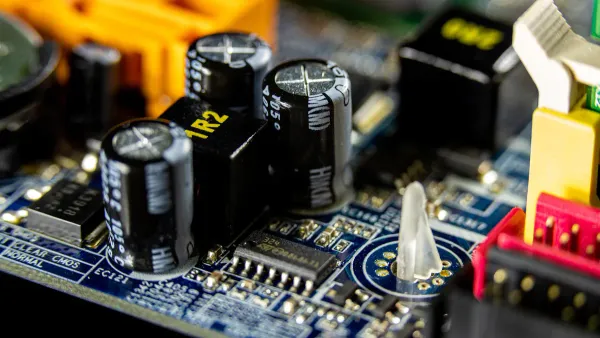
You often need to fit more features into smaller electronic devices. SMD electrolytic capacitors help you do this. These capacitors offer a high capacitance-to-size ratio and strong reliability. You save space on your printed circuit boards because SMD capacitors take up less room. Manufacturers keep making them smaller but still pack in high capacitance. With higher capacitance values, you use fewer capacitors. This makes your surface mount device designs more efficient and cost-effective. SMD capacitors also perform well in high-frequency and demanding voltage conditions. You can trust them in your electronics, from integrated circuits to advanced electronic systems. Automated assembly becomes easier when you use SMD capacitors.
- SMD electrolytic capacitors take up less space on PCBs, leading to compact electronic designs.
- Smaller sizes and higher capacitance values mean you use fewer capacitors.
- SMD capacitors support modern electronics with efficient assembly and strong performance.
Key Takeaways
- SMD electrolytic capacitors save space on printed circuit boards, allowing for more compact electronic designs.
- These capacitors provide a high capacitance-to-size ratio, enabling the use of fewer components and simplifying designs.
- SMD capacitors support efficient automated assembly, reducing production time and costs significantly.
- They perform reliably in a wide temperature range, making them suitable for various demanding applications.
- Choosing the right SMD capacitors involves considering size, voltage rating, and capacitance to ensure optimal performance in your devices.
Advantages of SMD Capacitors
Space-Saving Design
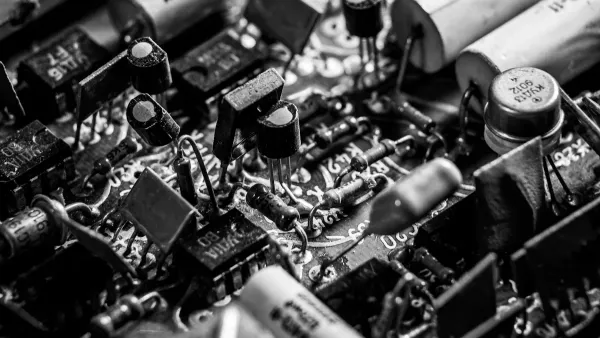
You want your electronic devices to be smaller and lighter. SMD capacitors help you reach this goal. These capacitors have a compact size, which makes them perfect for space-constrained designs. You can fit more components onto your printed circuit boards when you use smd capacitors. This is important for smartphones, tablets, and other portable electronics.
Tip: SMD electrolytic capacitors give you high capacitance without taking up much space. This helps you design smaller and more efficient devices.
Here is a quick comparison of capacitor footprints:
| Capacitor Type | Footprint Size Comparison |
|---|---|
| SMD Electrolytic Capacitors | Compact and efficient |
| PTH Radial and Axial Capacitors | Less miniaturization |
| SMT Case Electrolytic Capacitors | Similar to 0805 resistors |
You see that smd capacitors offer a much smaller footprint than traditional through-hole capacitors. This allows you to maximize the use of your board space. SMD capacitors also have lower inductance, which improves performance in high-frequency applications.
You can mount smd capacitors quickly and accurately with automated machines. This makes the assembly process faster and more cost-effective. SMD assembly can be up to five times faster than through-hole assembly. You save time and reduce production costs.
- SMD capacitors:
- Compact size
- High capacitance per unit volume
- Suitable for space-constrained designs
- Enable faster automated assembly
High Capacitance Ratio
You need capacitors that store a lot of charge in a small space. SMD capacitors give you a high capacitance-to-footprint ratio. This means you can use fewer capacitors to achieve the same result. Your designs become simpler and more reliable.
SMD electrolytic capacitors stand out because they provide high capacitance values in a small package. This is important for power filtering and energy storage in integrated circuits. You can trust these capacitors in demanding applications, such as power supplies and signal processing.
Many types of smd capacitors exist, but electrolytic smd capacitors are popular for their high capacitance and reliability. You see them in many electronics, from computers to medical devices. These surface-mount capacitors help you meet the needs of modern electronic applications.
You also benefit from cost efficiency. SMD capacitors reduce the number of components you need. This lowers your material costs and simplifies your assembly process. You can respond quickly to changing market demands and new technology trends.
Note: Manufacturers face challenges like intense competition and rapidly evolving technology. SMD capacitors help you stay ahead by making your designs more flexible and efficient.
The advantages of smd capacitors make them a top choice for compact devices. You get better performance, easier assembly, and lower costs. You can use them in many applications of smd capacitors, including power filtering, signal coupling, and energy storage in integrated circuits.
SMD Electrolytic Capacitor Performance
Ripple Current Handling
You need reliable capacitors in your electronic designs. SMD capacitors handle ripple current well, which is important for power filtering in compact devices. Ripple current is the small, rapid change in current that flows through a capacitor. If a capacitor cannot handle this, it may overheat or fail. SMD electrolytic capacitors offer high capacitance values, so they store more energy and smooth out voltage changes in your circuits. This makes them a strong choice for power supply circuits and other demanding applications.
SMD capacitors also have low Equivalent Series Resistance (ESR). Low ESR means less power loss and better energy efficiency in your electronics. You get stable performance even when your device runs at high frequencies. SMD capacitors work well in many types of electronics, from smartphones to industrial equipment. You can use them in applications that need strong ripple current handling, such as switching power supplies and signal processing.
Tip: SMD capacitors help you design energy-efficient devices by minimizing power losses and supporting high-frequency operation.
Temperature Tolerance
You want your electronic devices to work in many environments. SMD capacitors give you a wide operating temperature range. Most SMD electrolytic capacitors work from -55 °C to +105 °C. This means your devices can handle both cold and hot conditions without losing performance. You can trust these capacitors in outdoor electronics, automotive systems, and other tough environments.
SMD capacitors stay reliable in demanding voltage scenarios. They are especially useful in applications that need high capacitance, like power supply circuits. While SMD electrolytic capacitors are larger than ceramic capacitors, they still fit well in compact designs. You can use them in many types of SMD capacitors for different electronic applications.
- SMD capacitors:
- Work in a wide temperature range
- Support high capacitance needs
- Improve reliability in compact electronic devices
You see SMD capacitors in many surface mount device applications. They help you build efficient, reliable, and compact electronics.
Reliability in Compact Devices

Long-Term Stability
You want your compact electronics to last a long time. SMD capacitors help you reach this goal. These capacitors offer strong reliability, but you should know how they compare to other types. The table below shows how different capacitors perform over time:
| Capacitor Type | Aging Behavior | Reliability Over Time |
|---|---|---|
| SMD Electrolytic | Evaporation of electrolyte leads to wear out failures | Defined 'end of life' due to wear out failures |
| Ceramic | Logarithmic aging effect | Maintains stability over longer periods |
| Film | Minimal changes under normal conditions | Maintains stability over longer periods |
SMD electrolytic capacitors have a defined end of life. You may see wear-out failures as the electrolyte evaporates. Ceramic and film capacitors often last longer, but SMD electrolytic capacitors still give you reliable performance for most surface mount device applications. You can trust them in power supplies, signal filtering, and many other electronic circuits.
You should watch for common failure signs in SMD capacitors. These include a swollen or deformed case, cracks, open vents, heat, liquid leakage, strange noises, or odors. If you notice these, replace the capacitor to keep your electronics safe.
Tip: Manufacturers use strict quality control and advanced sealing to make sure SMD capacitors last as long as possible in your devices.
Maintenance Reduction
You want to spend less time and money on repairs. SMD capacitors help you do this. Manufacturers use advanced materials and careful sealing to prevent leaks and defects. They test each capacitor for capacitance, leakage current, and other properties. This ensures that every batch meets high standards for electronics.
SMD electrolytic capacitor designs reduce the chance of failure in demanding environments. You see fewer breakdowns and lower maintenance costs in your electronic systems. High-quality SMD capacitors mean you replace parts less often, which saves you time and money.
- SMD capacitors help you:
- Lower maintenance and replacement costs
- Improve reliability in compact electronic applications
- Meet industry standards like EIA 198, MIL-C-55681, and AEC-Q200
Manufacturers also follow international standards such as ISO 9001 and RoHS. These standards make sure your capacitors are safe, consistent, and environmentally friendly. You get dependable performance in all your compact electronics.
Selecting SMD Capacitors
Selection Tips
You want to choose the right smd capacitors for your compact electronic designs. Start by looking at the size of each component. Smaller capacitors fit better in tight spaces, but you must check if they meet your power and voltage needs. Cost matters too. You can save money by picking capacitors that balance price and performance.
Reliability is important. Larger components often last longer, but they may not fit your surface mount device. You should also think about thermal properties. Some capacitors handle heat better than others. If you need to change or repair your design, pick capacitors that are easy to handle.
Sometimes, you face parts shortages. Choose capacitors that are easy to find. Performance variables like ESR (Equivalent Series Resistance) and current rating affect how well your smd electrolytic capacitor works in your circuit.
Tip: Always select a capacitor with a voltage rating higher than your circuit’s maximum voltage. This helps prevent failure and keeps your electronics safe.
Consider these points when picking smd capacitors:
- Capacitance: Match the value to your circuit’s needs. Use smaller values for high-frequency applications. Use larger values for energy storage and filtering.
- Voltage rating: Pick a rating above your circuit’s highest voltage.
- Tolerance: Tight tolerance gives you stable performance.
- Temperature management: Good heat handling keeps your device reliable.
- Parasitic minimization: Lower parasitic effects for better high-frequency operation.
- Noise mitigation: Use extra components to reduce noise.
Application Examples
You see smd capacitors in many electronic applications. In power supply circuits, they filter and smooth voltage changes. Their compact size lets you fit more parts on your PCB, which is key for small devices.
Here are common uses for smd electrolytic capacitors:
- Power supply filtering: High capacitance values help keep voltage stable.
- Noise filtering: They block unwanted signals and improve reliability.
- Decoupling: They separate circuit sections to prevent interference.
Wearable technology and IoT devices need small, lightweight parts. SMD capacitors make these designs possible. You get high performance in a tiny package. Consumer demand for portable electronics drives the need for miniaturization, and smd capacitors help you meet this challenge.
Note: SMD capacitors support many surface mount device applications, from smartphones to medical electronics. You can rely on them for stable, efficient, and compact designs.
You gain many benefits when you choose SMD electrolytic capacitors for compact electronic devices.
- Small size
- High performance
- No leads
- Low cost
- Easy placement with modern machines
These features help you build efficient and reliable circuits. The market for these capacitors keeps growing as more people want smaller and smarter devices. New designs now offer higher capacitance and lower resistance, making your projects even better.
The future will bring more sustainable materials and advanced packaging, helping you create powerful and eco-friendly electronics.
FAQ
What is an SMD electrolytic capacitor?
An SMD electrolytic capacitor is a small electronic part. You use it to store and release electrical energy in circuits. It mounts directly onto the surface of a printed circuit board.
Why should you use SMD capacitors in compact devices?
You save space with SMD capacitors. They fit well in small devices like smartphones and tablets. You also get high performance and easy assembly for your electronic projects.
How do SMD electrolytic capacitors help with power supply circuits?
You use SMD electrolytic capacitors to smooth out voltage changes. They filter noise and keep your power supply stable. This helps your device run better and last longer.
Can SMD electrolytic capacitors handle high temperatures?
Yes, you can use them in hot or cold environments. Most SMD electrolytic capacitors work from -55 °C to +105 °C. You get reliable performance in many conditions.
What should you check before choosing an SMD capacitor?
You should check the capacitance, voltage rating, and size. Make sure the capacitor fits your circuit’s needs. Always pick a voltage rating higher than your circuit’s maximum voltage.