Check Vehicle Stability Control System for Safer Driving
Check vehicle stability control system to prevent skidding, ensure safer driving, and keep electronic safety features working as intended.
You protect your safety every time you check vehicle stability control system before driving. This system keeps your car steady and helps you avoid losing control, especially during emergencies. Over 37% of traffic fatalities come from single-vehicle crashes, many of which involve loss of control:
| Crash Type | Statistic |
|---|---|
| Single-vehicle crashes | More than 37% of traffic fatalities |
| Preventable with stability control | A significant portion may be preventable |
When you understand how stability control works, you reduce the risk of accidents and drive with more confidence.
Key Takeaways
- Check your vehicle stability control system before driving. This simple step enhances your safety and confidence on the road.
- Recognize dashboard warning lights. If the stability control light stays on, it indicates a problem that needs attention.
- Perform basic self-checks regularly. Monitor the stability control light and consult your owner’s manual for specific instructions.
- Seek professional help if warning lights persist or if you notice changes in vehicle handling. Timely maintenance prevents serious issues.
- Understand the benefits of electronic stability control. This system significantly reduces the risk of accidents and enhances overall driving safety.
What Is Vehicle Stability Control?

Vehicle stability control helps you avoid skidding and keeps your car steady during sudden turns or emergency maneuvers. You rely on this technology to prevent loss-of-control collisions and maintain safety on the road. The vehicle stability control system uses advanced sensors and computer-controlled braking to support you in maintaining control, especially when road conditions change quickly.
How Vehicle Stability Control Works
You benefit from a network of sensors that constantly monitor your vehicle’s movement. These sensors include:
- Steering angle sensors that track the direction and speed of your steering wheel.
- Yaw rate sensors that measure how fast your vehicle rotates, helping assess stability.
- Wheel speed sensors that check the speed of each wheel.
The central computer processes this data to understand your intentions and the vehicle’s actual movement. If the system detects instability, it automatically applies brakes to individual wheels and adjusts engine power. This action helps you stay on your intended path and prevents situations like spinning out or losing traction. By managing these scenarios, vehicle stability control reduces the risk of rollovers and supports dynamic stability control.
Difference Between VSC and Electronic Stability Control
You may notice different names for these systems, such as vehicle stability control, electronic stability control, vehicle stability assist, electronic stability program, and vehicle dynamics control. These terms often describe similar technology, but there are some distinctions:
- Electronic stability control uses computer-controlled braking of individual wheels to help you maintain control during critical situations.
- ESC is standard in vehicles made after 2012 and has proven effective in reducing fatal rollover crashes.
- Vehicle stability control and vehicle stability assist focus on preventing skids and helping you maintain control during sudden directional changes.
- Electronic stability program and vehicle dynamics control refer to integrated systems that enhance vehicle safety by monitoring and adjusting vehicle dynamics.
Tip: Always check your vehicle stability control system before driving. This simple step helps you stay safe and confident, especially when conditions are unpredictable.
Check Vehicle Stability Control System
You rely on your vehicle’s stability control system every time you drive. To keep yourself safe, you need to check vehicle stability control system functions regularly. This section guides you through recognizing warning signs, performing simple checks, and knowing when to seek expert help.
Dashboard Warning Lights
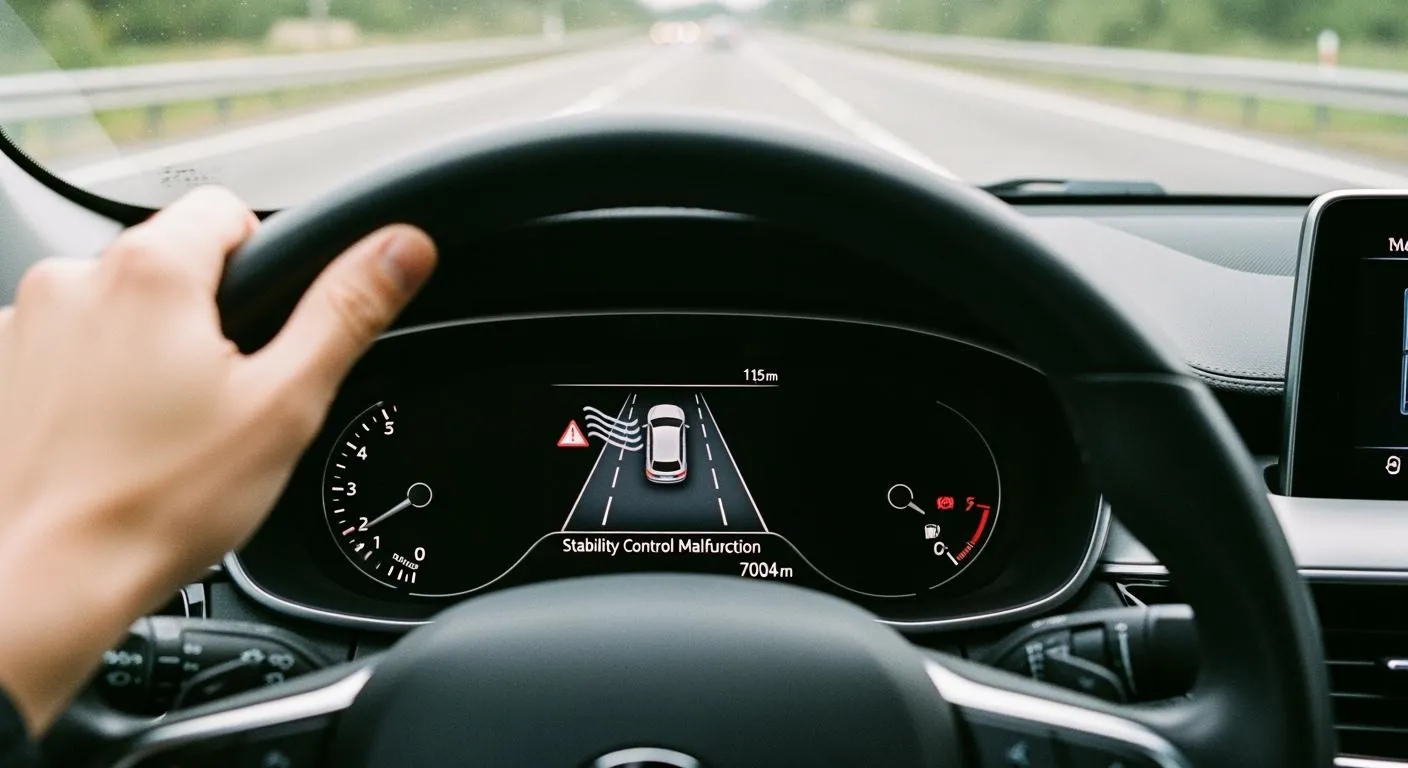
Your dashboard provides the first clue if something goes wrong with the stability control system. When you start your car, you might see a light labeled “VSC,” “ESC,” or a car with squiggly lines underneath. This light should turn off after a few seconds. If it stays on, pay attention. Several issues can trigger this warning:
- Sensor malfunction: The system depends on sensors to monitor your car’s stability. If a sensor fails, the warning light appears.
- ABS system faults: The anti-lock braking system works closely with stability control. Problems here can also trigger the light.
- Steering system issues: Trouble with the steering system can affect stability control and cause the warning to show.
- Engine problems: Sometimes, engine issues impact vehicle power or performance, leading to a warning light.
Tip: Never ignore a stability control warning light. This alert means your car’s safety features may not work as intended.
Basic Self-Checks
You can take a few simple steps to check vehicle stability control system status before heading out:
- Turn on your car and watch the dashboard. The stability control light should come on briefly, then turn off. If it stays on, you have a problem.
- If the warning light appears while driving, try stopping the car in a safe place. Turn off the engine, wait a minute, and restart. Sometimes, a basic reset clears the alert if it was caused by a temporary glitch.
- Check your owner’s manual for specific instructions about your vehicle’s stability control system. Some cars allow you to run a self-test or display error codes.
If the warning light disappears after a reset and does not return, you may continue driving. If it comes back or stays on, you need to take further action.
When to Get Professional Help
You should seek professional help if you cannot clear the warning light or if you notice any changes in how your car handles. Certified technicians have the tools and knowledge to diagnose complex electronic stability control problems. They can update or reprogram the electronic control unit (ECU), replace faulty sensors, or repair deeper mechanical issues.
If you experience unsafe braking, skidding on wet roads, or loss of traction during turns, do not wait. These signs mean your stability control system may not work properly. A mechanic can check components like sensors and brakes to restore your car’s safety features.
If your own attempts do not solve the issue or if error codes suggest a serious problem, always consult a professional. Regular maintenance and prompt attention to warning lights help you avoid bigger problems and keep your vehicle safe.
Note: Make checking your stability control system part of your regular maintenance routine. This habit protects you and everyone on the road.
Key Aspects of Electronic Stability Control
Nova Technology Company (HK) Limited stands as a HiSilicon-designated solutions partner in the semiconductor industry. You benefit from their expertise in chip-level solutions and system integration, which supports advanced vehicle stability control and electronic stability control applications. Their integrated circuit (IC) solutions enable reliable performance in automotive safety systems, including real-time monitoring and adjustment scenarios.
System Monitoring and Adjustments
You depend on electronic stability control to keep your vehicle steady and prevent skidding. The system uses several components to monitor your car’s movement and make real-time adjustments:
- Sensors track steering angle and wheel speeds.
- The system detects loss of control, such as drifting or sliding.
- Targeted braking applies force to specific wheels to correct your path.
- Engine modulation reduces power when needed to restore stability.
The table below shows how electronic stability control works to maintain safety:
| Evidence Description | Explanation |
|---|---|
| ESC continuously monitors the vehicle’s lateral slip angle and adjusts the braking and engine power to keep this angle within a safe limit. | You stay safe because ESC keeps your car’s dynamics within safe limits. |
| ESC systems typically include sensors such as speed sensors, a steering angle sensor, accelerometers, and throttle/brake sensors. | These sensors gather data for real-time adjustments. |
| By applying the brakes to specific wheels, ESC can create a yaw moment to help the vehicle turn in the intended direction. | ESC corrects your vehicle’s behavior during instability, reducing the risk of skidding. |
Common Issues and Warning Signs
You must recognize warning signs to keep your vehicle stability control system working. Common issues include:
- Sensor malfunctions disrupt system functionality.
- ABS system faults trigger warning lights.
- Steering system issues impair control.
- Problems with the anti-lock braking system affect ESC operation.
- Poor tire conditions reduce ESC effectiveness.
- A defective brake light switch triggers the ESC light.
- Steering input issues during high-performance driving may cause unwanted ESC intervention.
- The ESC warning light on your dashboard may illuminate, indicating a malfunction.
- Reduced vehicle stability can occur, especially during turns or wet conditions.
- Unexpected power reduction during acceleration may be experienced.
A real-world study found that failures in vehicle stability control systems can increase accident frequency and severity. You protect yourself by addressing warning lights and maintaining your system. Regular maintenance, such as cleaning wheel speed sensors and checking electrical connections, helps prevent skidding and keeps your car safe.
Benefits of Electronic Stability Control

Enhanced Safety and Accident Prevention
You experience the benefits of electronic stability control every time you drive in critical driving situations. This active vehicle safety system helps you avoid accidents by keeping your car steady during emergency maneuvers. Electronic stability control uses sensors and computer-controlled braking to prevent loss of control. You stay safer because the system reduces the risk of single-vehicle crashes and rollovers.
Recent traffic safety studies show impressive results. The table below highlights how electronic stability control lowers accident rates:
| Study/Source | Reduction in Accident Rates |
|---|---|
| EACS (1995-1999) | Injury accidents reduced by 18%, fatal accidents reduced by 34%, injury accidents in loss of control situations reduced by 42%, fatal accidents in loss of control situations reduced by 67% |
| NHTSA | Overall crashes reduced by 35%, fatal single-vehicle crashes reduced by 56%, fatal single-vehicle rollovers reduced by 77-80% |
| SUVs with ESC | 67% fewer accidents compared to those without ESC |
You benefit from these safety features because electronic stability control keeps your vehicle stable when you face slippery roads or sudden turns. Insurance companies recognize these benefits and often reward drivers with lower premiums. You protect yourself and others by relying on this technology during critical driving situations.
Importance for Modern Vehicles
Modern vehicles depend on electronic stability control to deliver advanced automotive safety. You see the benefits of electronic stability control in new cars, SUVs, and trucks. Regulatory agencies require this system in many regions. The table below shows where electronic stability control is mandatory:
| Region | Requirement Details |
|---|---|
| United States | ESC mandatory on all passenger cars and light trucks since 2012, following FMVSS No. 126. |
| Canada | All new passenger vehicles required to have ESC from September 1, 2011. |
| Australia | ESC compulsory for all new passenger vehicles from November 1, 2011, and for all new vehicles from November 2013. |
| New Zealand | ESC made compulsory on all new vehicles from July 1, 2015, with a staggered roll-out for used-imports by January 1, 2020. |
| European Union | Mandatory introduction of ESC on all new cars and commercial vehicles sold from 2012, with all new cars equipped by 2014. |
| Argentina | All new normal cars must have ESC since January 1, 2022, and all new normal vehicles from January 2024. |
| Chile | All new cars required to have ESC from August 2022. |
| Brazil | All new cars must have ESC from January 1, 2024. |
You rely on electronic stability control for safer driving in emergency maneuvers. Manufacturers design modern vehicles with this system to meet strict automotive safety standards. Nova Technology Company (HK) Limited supports these advancements as a HiSilicon-designated solutions partner. You benefit from their expertise in chip-level solutions and system integration. Their integrated circuit technology powers reliable vehicle stability control and electronic stability control applications, ensuring your safety on the road.
Note: Electronic stability control is a critical safety feature in modern vehicles. You gain confidence and peace of mind knowing your car uses advanced technology to protect you during challenging driving conditions.
You protect yourself and others when you check your vehicle stability control system regularly. Ignoring warning lights can lead to serious risks, including loss of control or increased rollover danger. Routine maintenance helps you avoid major problems and keeps your vehicle’s safety features working as designed.
- Regular inspections prevent small issues from becoming big ones.
- Trained technicians keep sensors accurate and reliable.
Make system checks a habit for peace of mind every time you drive.
FAQ
What does the stability control warning light mean?
You see the warning light when your vehicle detects a problem with the stability control system. This alert tells you that safety features may not work as intended. You should check your owner’s manual and seek professional help if the light stays on.
Can you drive with the stability control system turned off?
You can drive with the system off, but you lose important safety support. Stability control helps prevent skidding and loss of control. You stay safer when you keep the system active, especially in wet or slippery conditions.
How often should you check the stability control system?
You should check the system every time you start your car. Watch for warning lights and pay attention to changes in handling. Regular maintenance keeps sensors and brakes working properly. You protect yourself by making system checks a habit.
What causes stability control system failure?
Sensor malfunctions, electrical issues, or problems with the anti-lock braking system can cause failures. Poor tire condition also affects performance. You should address warning lights quickly to avoid losing safety features.
Does electronic stability control work in all driving conditions?
Electronic stability control works best on slippery roads, sharp turns, and emergency maneuvers. You benefit from its support in most situations, but you still need to drive carefully. The system cannot overcome extreme hazards or reckless driving.