Microcontroller vs Microprocessor: Key Differences and Applications in Modern Electronics
Expert guide on Microcontroller vs Microprocessor: Key Differences and Applications in Modern Electronics. Technical specs, applications, sourcing tips for engineers and buyers.
Challenges in Choosing Between Microcontrollers and Microprocessors
In the world of electronics, selecting the right component for a specific application can be a daunting task. Engineers and procurement buyers often face challenges when deciding between microcontrollers (MCUs) and microprocessors (MPUs). The primary friction points include understanding the distinct roles each plays, evaluating performance and power requirements, and navigating supply chain complexities.
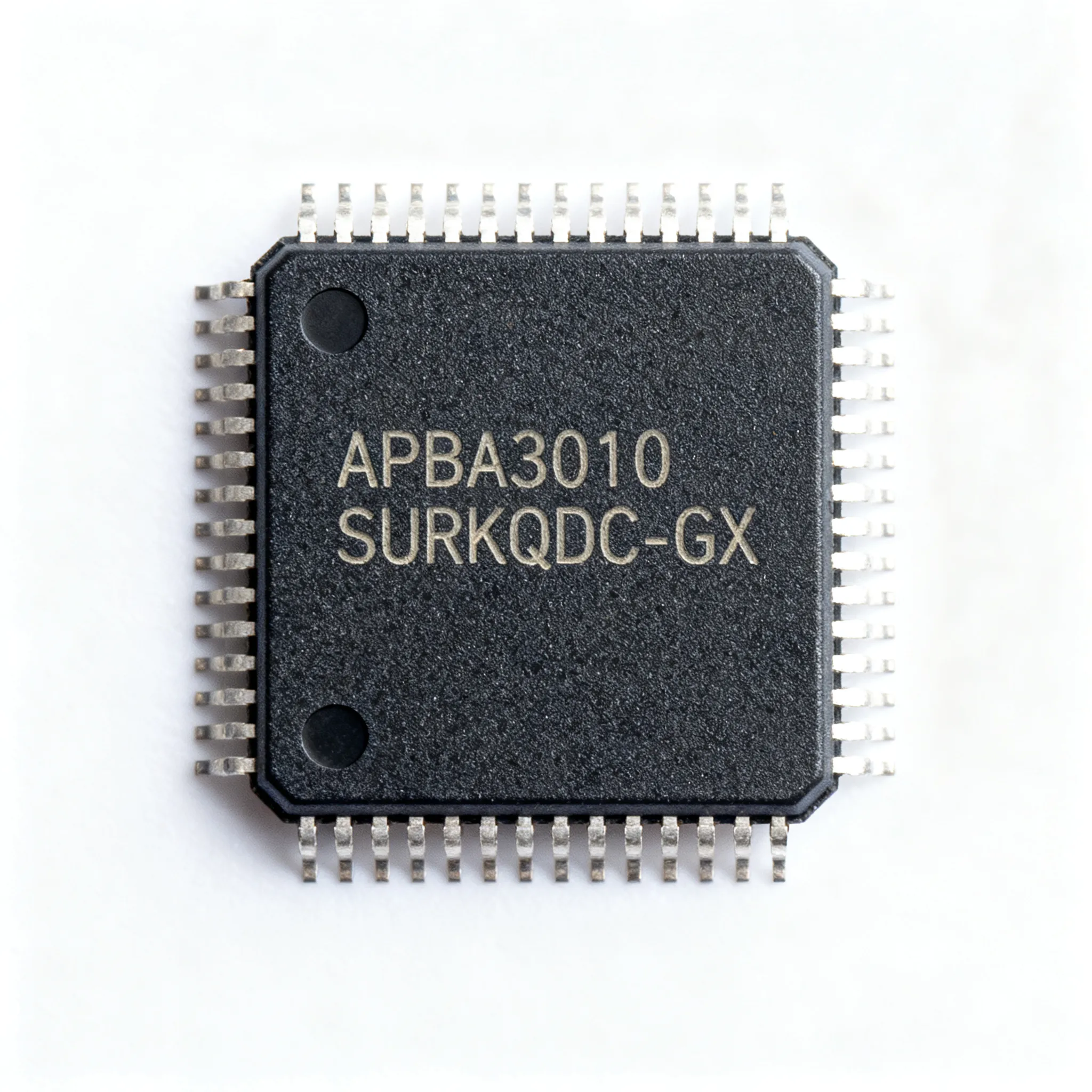
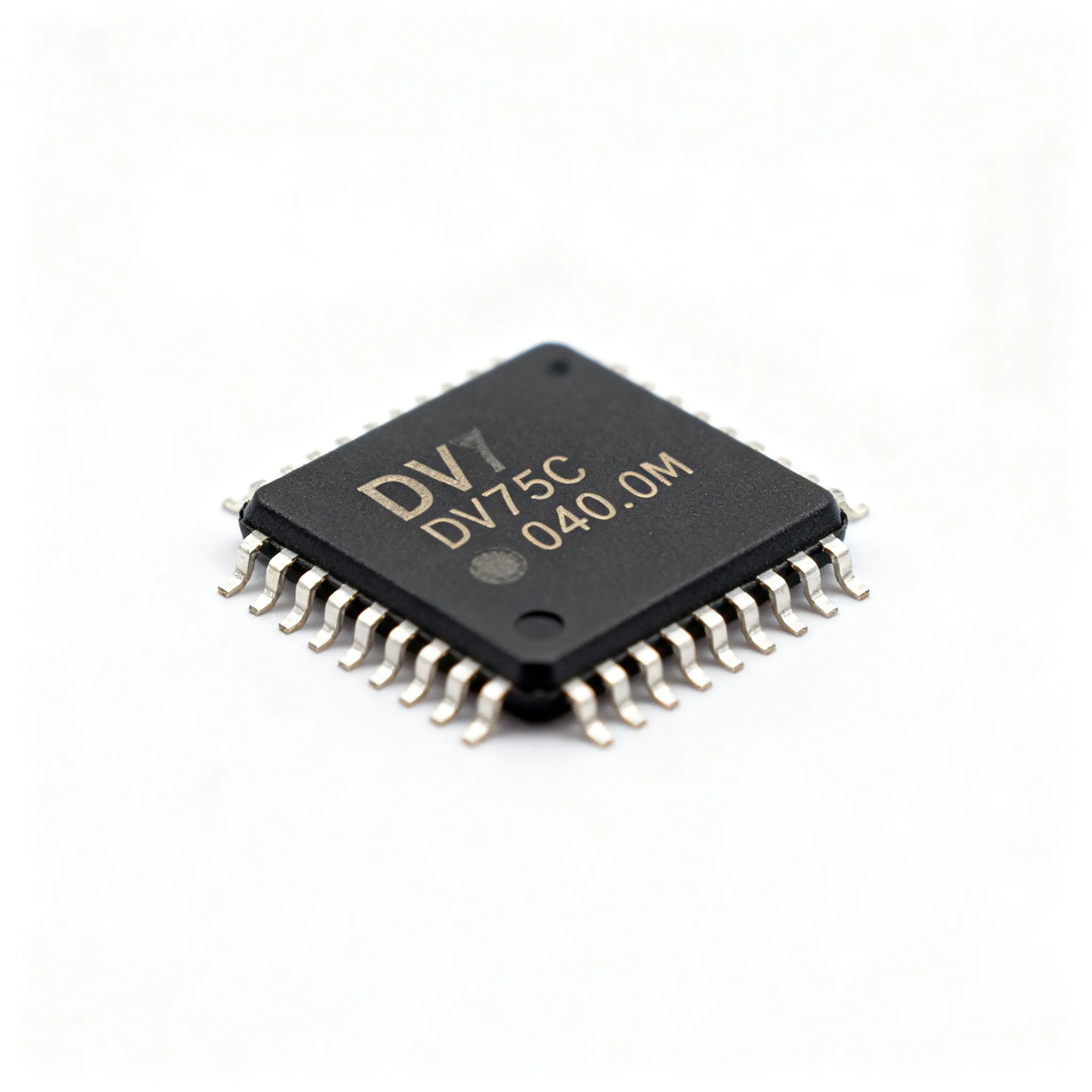
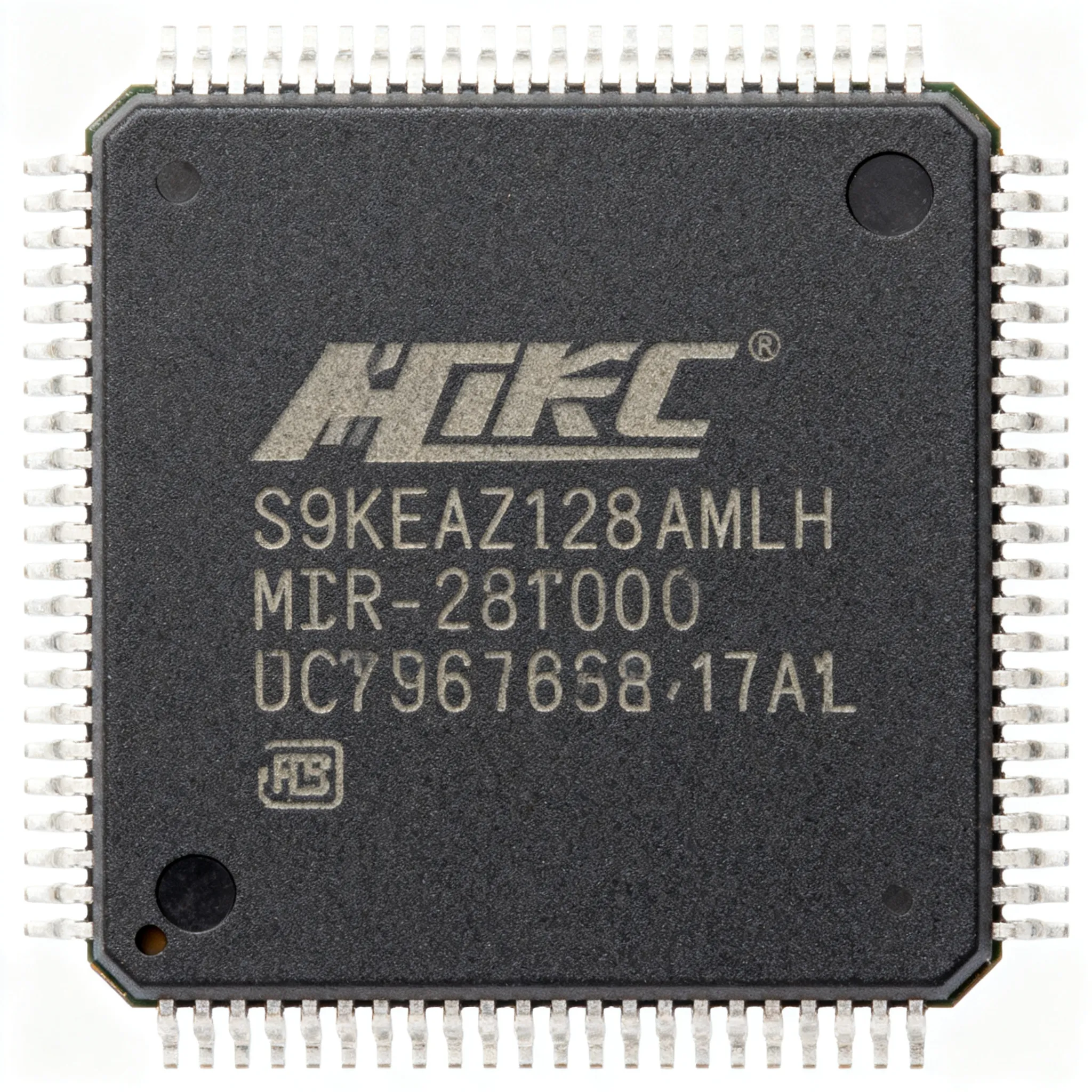
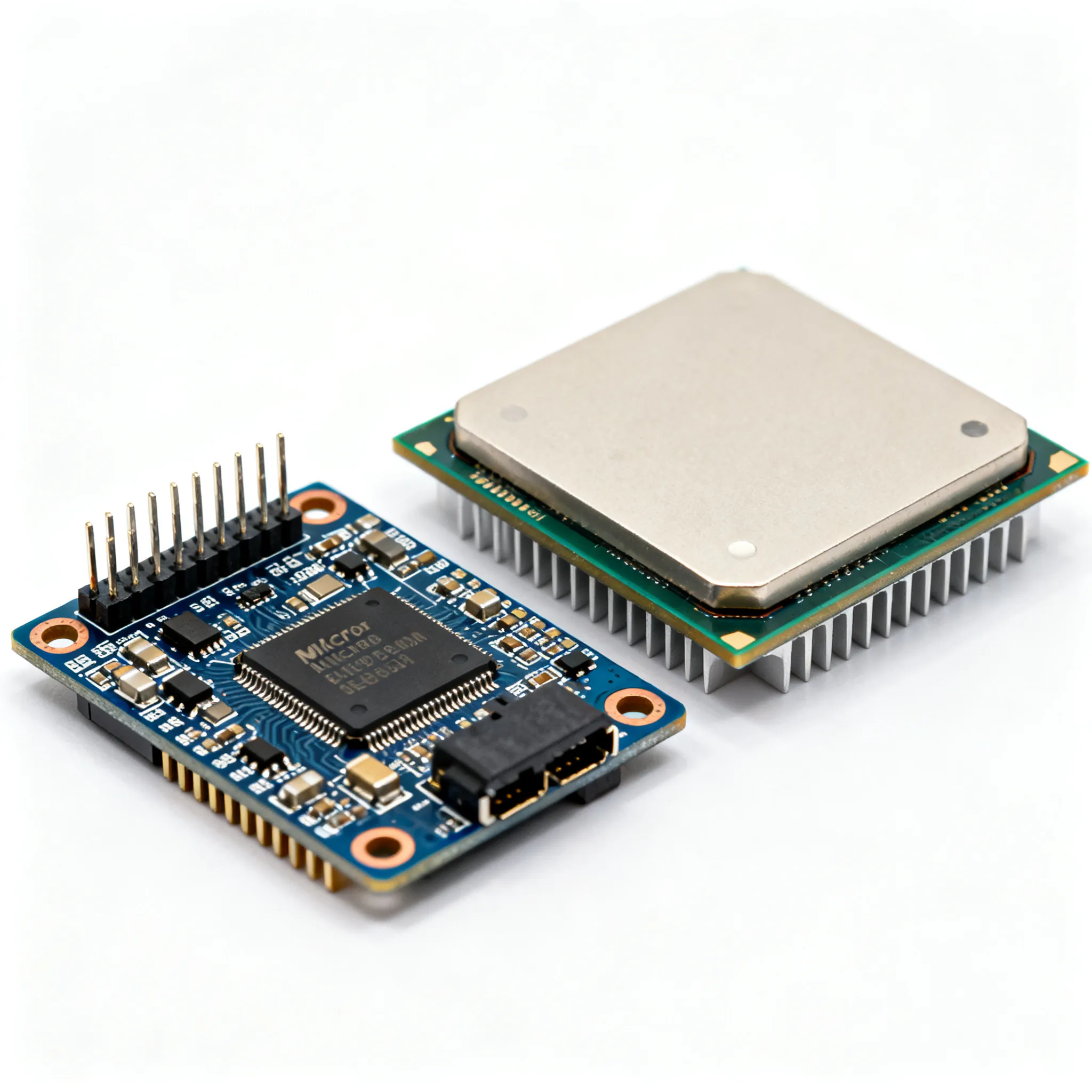
Microcontrollers are designed to handle specific tasks within embedded systems, integrating a processor, memory, and peripherals on a single chip. This integration often results in lower power consumption and cost, making MCUs ideal for applications like home appliances and automotive controls [ERSA Electronics]. Conversely, microprocessors are more suited for general-purpose computing tasks, requiring external components for memory and I/O operations [Gennex].
Recent supply chain events have further complicated decisions. For instance, the semiconductor shortage has impacted the availability of both MCUs and MPUs, leading to increased lead times and fluctuating prices. Engineers must consider these factors while also keeping an eye on technological advancements that might influence the choice between these two options. As noted by AJProTech, understanding the real differences between MCUs and MPUs is crucial for making informed decisions.
Underlying Principles: How Microcontrollers and Microprocessors Function
The fundamental difference between microcontrollers and microprocessors lies in their architecture and intended applications. Microcontrollers are essentially self-contained systems with a processor, memory, and peripherals integrated on a single chip. This design makes them highly efficient for controlling specific functions within an embedded system. In contrast, microprocessors are designed to execute complex computational tasks, relying on external components for memory and peripheral interfaces.
| Parameter | Microcontroller | Microprocessor | Notes |
|---|---|---|---|
| Architecture | Integrated | Modular | MCUs have integrated components, while MPUs require external parts |
| Power Consumption | Low | High | MCUs are optimized for energy efficiency |
| Processing Power | Limited | High | MPUs offer superior processing capabilities |
| Cost | Lower | Higher | MCUs are generally more cost-effective |
| Application Type | Embedded Systems | General Computing | MCUs are used in specific tasks, MPUs handle diverse applications |
| Memory | On-chip | External | MCUs have internal memory; MPUs depend on external memory |
| Peripheral Integration | High | Low | MCUs integrate peripherals directly |
| Operating System | Not Required | Required | MPUs usually need an OS for operation |
Key Takeaways
Microcontrollers are ideal for applications where low power consumption, cost efficiency, and integration are paramount. They are commonly used in embedded systems, such as washing machines, thermostats, and automotive controls, where specific tasks need to be managed efficiently. On the other hand, microprocessors are better suited for applications requiring high processing power and flexibility, such as personal computers and servers.
Design Considerations
When designing systems, engineers must consider the specific requirements of their application. For instance, if the application demands high performance and flexibility, an MPU would be more appropriate. However, if the focus is on power efficiency and cost, an MCU would be the better choice. Additionally, the choice between MCUs and MPUs may impact the system's complexity, with MCUs generally resulting in simpler designs due to their integrated nature.
Side-by-Side Analysis: Microcontroller and Microprocessor Characteristics
| Comparison Metric | Microcontroller | Microprocessor | Selection Criteria & Failure Boundary |
|---|---|---|---|
| Integration Level | High | Low | Choose MCUs for compact designs; MPUs for flexible, scalable systems |
| Power Efficiency | Excellent | Poor | MCUs are preferred in battery-operated devices |
| Processing Speed | Moderate | High | MPUs are necessary for high-speed computations |
| Cost Efficiency | High | Moderate | MCUs reduce overall system costs |
| Application Scope | Specific | General | MCUs for dedicated tasks; MPUs for diverse applications |
Practical Implications
The choice between microcontrollers and microprocessors significantly impacts the design and functionality of electronic systems. For applications where space and power are limited, such as in portable medical devices or IoT sensors, microcontrollers offer a distinct advantage. Conversely, in scenarios where computational power is crucial, such as in data centers or high-performance computing, microprocessors are indispensable.
Navigating Standards: Best Practices in Microcontroller and Microprocessor Integration
Compliance with industry standards is essential when integrating microcontrollers and microprocessors into electronic systems. Standards such as IPC-A-610 and JEDEC provide guidelines that ensure quality and reliability in electronic assemblies. Adhering to these standards helps mitigate risks associated with component failures and supply chain disruptions.
| Compliance Standard | Applies To | Guidance |
|---|---|---|
| IPC-A-610 | Electronics Assemblies | Ensures the quality of soldered assemblies |
| JEDEC | Semiconductor Devices | Standardizes device quality and reliability |
| AEC-Q100 | Automotive MCUs | Qualification requirements for automotive-grade MCUs |
| ERAI Traceability | Supply Chain | Ensures component provenance and authenticity |
| ISO 9001 | Quality Management | Framework for consistent quality assurance |
Design Considerations
To ensure compliance and reliability, engineers should incorporate industry standards into their design processes from the outset. This involves selecting components that meet the necessary certifications and conducting regular audits to verify adherence to these standards. By doing so, organizations can reduce the risk of component failures and enhance the overall integrity of their electronic systems.
Critical Considerations for Selecting Microcontrollers vs Microprocessors
- Q: What are the key factors to consider when choosing between a microcontroller and a microprocessor?
A: Key factors include power requirements, processing capabilities, integration level, and specific application needs. MCUs are ideal for low-power, cost-effective solutions, whereas MPUs are suited for high-performance applications. - Q: How do the memory architectures of microcontrollers and microprocessors differ?
A: Microcontrollers usually have integrated memory, allowing for compact designs and lower power consumption. In contrast, microprocessors rely on external memory components, offering greater flexibility and scalability. - Q: In what types of applications are microcontrollers typically preferred over microprocessors?
A: Microcontrollers are preferred in embedded systems and devices requiring lower power consumption and cost efficiency, such as home appliances, automotive controls, and IoT devices. - Q: What are the common failure cases associated with microcontroller and microprocessor supply chains?
A: Supply chain disruptions can occur due to component shortages or changing market demands affecting availability. These issues can lead to increased lead times and higher costs. - Q: How can engineers ensure compliance with industry standards when using microcontrollers?
A: Engineers can ensure compliance by adhering to relevant guidelines, selecting certified components, and conducting regular audits to verify compatibility and performance integrity.
References & Further Reading
- Microcontrollers VS Processors: Key Differences and Applications - ERSA Electronics
- Microcontrollers vs. Microprocessors - Microchip USA
- Microcontroller vs Microprocessor: Key Differences and Design Tradeoffs - AJProTech
- Microcontroller vs Microprocessor: What's the Difference? - IBM
- Microcontrollers vs Microprocessors: Key Differences - Gennex
- Microcontroller vs Microprocessor - AWS
- Microprocessor vs Microcontroller - Symmetry Electronics
- Microcontroller - Wikipedia
For further reading on the integration and selection of microcontrollers and microprocessors, visit IC-Online for resources on mixed BOM and flexible MOQ solutions.