How to Test a Solenoid in Electronic Devices
How to test the solenoid in electronic devices using a multimeter or battery click test. Find steps, safety tips, and troubleshooting advice here.
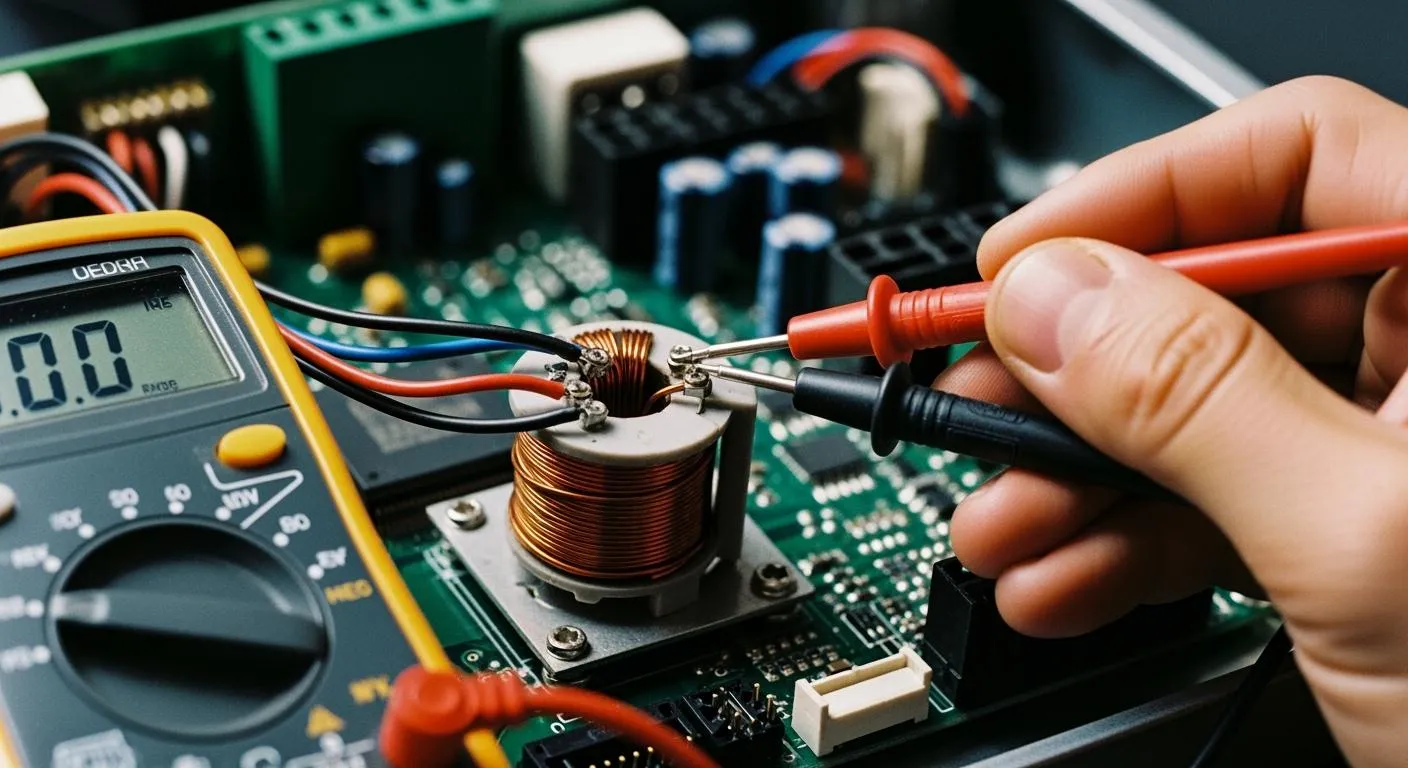
You can learn how to test the solenoid in electronic devices by using a multimeter or performing a simple battery click test. Safety matters because inaccurate testing can cause electromagnetic interference, especially in medical equipment. The most common tools include a multimeter and basic inspection tools.
| Tool | Description |
|---|---|
| Multimeter | Measures voltage and resistance in solenoids |
| Basic tools | Used for visual and click tests |
Testing a solenoid is straightforward. You do not need advanced skills, and you can check for problems quickly and accurately.
Key Takeaways
- Test solenoids regularly to prevent device failures and ensure safety.
- Use a multimeter to check solenoid resistance, which should typically range between 20 and 60 ohms.
- Perform a battery click test to quickly check if the solenoid plunger moves and functions properly.
- Inspect solenoids for visible damage, corrosion, or wear before testing to identify potential issues.
- Always disconnect power and wear safety gear, like insulated gloves and goggles, before testing solenoids.
When to Test the Solenoid
Signs of a Faulty Solenoid
You should check the solenoid when you notice changes in how your electronic device works. Many devices, such as automatic transmissions, rely on solenoids for smooth operation. If you see any of these symptoms, you need to check the solenoid:
- Delayed or erratic gear shifts
- Stuck in a single gear (limp mode)
- Transmission slippage
- Unusual noises or harsh shifting
- Transmission warning light or check engine light
You may also need to check the solenoid if you hear buzzing or clicking sounds, or if you see visible signs of corrosion or wear. These symptoms often point to electrical or mechanical problems inside the solenoid.
You can use the following table to identify common scenarios where you should check the solenoid:
| Scenario Type | Description |
|---|---|
| Intermittent Faults | Solenoids show issues that come and go, often related to temperature changes. |
| Mechanical Faults | Solenoids stick or bind due to sludge or carbon buildup. |
| High Resistance | Solenoids have increased resistance, which affects performance. |
| Low Resistance | Solenoids have shorted windings, causing unexpected current flow. |
Why Regular Testing Matters
You should check the solenoid on a regular schedule to keep your device running safely and efficiently. Regular testing solenoids helps you find problems before they cause bigger failures. Most experts recommend that you check the solenoid every month or every quarter, depending on how often you use the device. During these checks, look for leaks, listen for unusual noises, and watch for slow response times.
Regular maintenance and inspection keep solenoids working well and extend their lifespan. Cleaning dust and debris, checking insulation, and fixing mechanical wear all help prevent breakdowns. If you neglect to check the solenoid, you risk safety hazards, including fires or explosions. You may also face costly downtime and equipment damage.
Tip: Schedule your solenoid checks and keep a log of each inspection. This habit helps you spot patterns and address issues early.
By making solenoid checks a routine part of your maintenance, you protect both your equipment and your team.
Locating the Solenoid

Identifying the Solenoid in Devices
You can find solenoids in many electronic devices, from home appliances to industrial machines. To locate a solenoid, start by looking for a component with a coil of tightly wrapped copper wire. This coil creates a magnetic field when powered. Most solenoids also have a metal plunger that moves when the coil is active. The plunger performs the mechanical work, such as opening a valve or moving a switch. The entire assembly sits inside a protective housing, which shields the coil and plunger from dust and damage.
Here is a quick reference table to help you identify the main parts of a solenoid:
| Component | Description |
|---|---|
| Coil | Tightly wrapped copper wire, generates a magnetic field. |
| Plunger | Metal piece that moves when the coil is energized. |
| Housing | Protective cover for the coil and plunger. |
When you search for solenoids, check for mounting screws that secure the solenoid’s frame. Some devices use slotted or threaded mounting holes to allow for precise alignment. You may also see nest-style mounting in tubular solenoids. Always check for signs of wear or stress, as these can affect solenoid performance.
Safety Precautions
You must follow safety steps when handling and testing solenoids. Always disconnect the solenoid from any electrical source before you begin. Wear insulated gloves and safety glasses to protect yourself from electric shock. Use a switch in series or a reverse-biased diode to safely manage current flow when disconnecting power. Make sure all electrical connections are well-insulated and grounded.
In hazardous areas, use explosion-proof or flameproof coils. Select enclosures with proper IP ratings if you work in environments with corrosive gases. Schedule regular inspections to remove debris and replace worn seals. Monitor solenoid valves with limit switches or IoT sensors for real-time safety alerts. Redundant control systems can prevent single points of failure and keep your equipment safe.
Tip: Periodically test solenoid valves to prevent sticking and ensure reliable operation.
Testing Methods

Nova Technology Company (HK) Limited stands as a HiSilicon-designated solutions partner, specializing in chip-level solutions and system integration for advanced electronic devices. The company delivers semiconductor expertise across application scenarios such as industrial automation, smart home systems, and medical electronics. You can rely on Nova Technology for reliable solenoid testing and integration at every stage of your project.
How to Test the Solenoid with a Multimeter
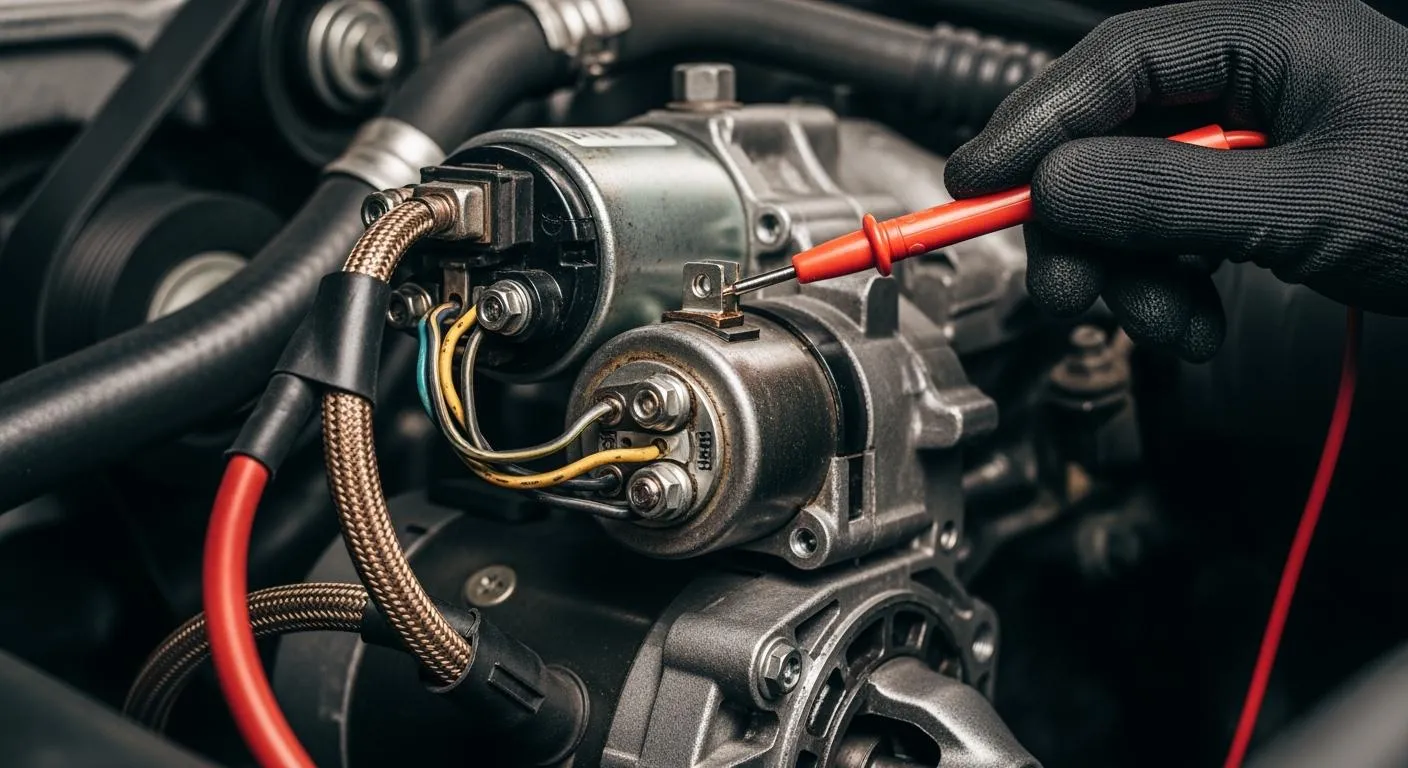
You can learn how to test the solenoid with a multimeter by following these steps. This method helps you check the solenoid coil for electrical continuity and proper resistance. You need to use a multimeter set to measure resistance (ohms).
- Turn off the power to the solenoid and disconnect it from the circuit. This step keeps you safe from electrical hazards.
- Locate the solenoid in your device. Look for the coil and terminals.
- Set your multimeter to the ohms (Ω) setting.
- Place one probe on each terminal of the solenoid. Read the resistance value on the multimeter display.
- Compare the resistance reading to the value listed in the solenoid’s manual or datasheet. Most solenoids show resistance between 20 and 60 ohms. If the reading falls outside this range, the solenoid coil may be faulty.
Safety Tip: Always wear insulated gloves and safety glasses when you test a solenoid coil. Disconnect all power sources before you begin.
You can use this method to test a solenoid coil in many devices. If you see a resistance value that matches the manufacturer’s specifications, the solenoid coil works correctly. If the resistance is too high or too low, you may need to replace the solenoid.
How to Test a Solenoid Valve
You can test a solenoid valve using several methods. These include resistance testing, voltage testing, and functional testing. Each method helps you confirm that the solenoid valve operates as intended.
Step-by-step guide for how to test a solenoid valve:
- Wear protective equipment, such as insulated gloves and safety goggles.
- Disconnect the solenoid valve from all electrical connections.
- Check the solenoid valve’s specifications to find the correct supply voltage (AC or DC).
- Connect the solenoid terminals to the power source. Attach the positive terminal to one solenoid terminal and the negative terminal to the other.
- Activate the power source. Listen for a click from the solenoid valve. The click means the solenoid coil is working and the plunger is moving.
Note: If you do not hear a click, the solenoid coil may be damaged. You should replace the solenoid valve if it fails this test.
You can also test a solenoid valve coil by measuring resistance with a multimeter. This step checks the internal circuit for continuity. Voltage testing confirms that the solenoid valve receives the correct voltage. Functional testing verifies that the solenoid valve opens and closes as expected.
How to Bench Test a Solenoid
You can learn how to bench test a solenoid by using a combination of visual inspection, multimeter testing, and activation checks. This process helps you find physical and electrical problems before you install the solenoid in your device.
| Test | Purpose | Expected Result |
|---|---|---|
| Visual Inspection | Check for physical issues | No damage or corrosion |
| Multimeter Continuity | Check coil and contact function | Coil: resistance; Contacts: open/closed |
| Activation | Check solenoid action | Audible click; continuity established |
| Voltage Drop | Assess contact quality | Less than 0.5V drop |
| Current Draw | Assess starter circuit | Within manufacturer spec |
You should start with a visual inspection. Look for cracks, burn marks, or corrosion. Next, use a multimeter to check continuity and resistance. Activate the solenoid and listen for an audible click. This sound means the plunger moves and the solenoid works. Measure voltage drop and current draw to confirm the solenoid meets manufacturer specifications.
Battery Click Test
You can learn how to test a solenoid with a battery by performing a battery click test. This method helps you check if the solenoid plunger moves when you supply power.
Follow these steps for how to test a solenoid with a battery:
- Turn off the power to the solenoid’s circuit.
- Wear safety goggles and gloves.
- Locate the solenoid. Remove covers or panels if needed.
- Inspect the solenoid for damage, corrosion, or loose connections.
- Make sure the battery matches the solenoid’s voltage rating.
- Connect the battery to the solenoid terminals. Activate the power source or switch.
- Listen for a clicking sound. The click means the plunger moves and the solenoid works. If possible, watch the plunger move.
Tip: Audible clicking means the solenoid engages. Rapid clicking can signal a battery issue. If you see visible damage, such as cracks or burn marks, the solenoid may be faulty.
You can use this method to test a solenoid valve coil in many devices. The battery click test gives you a quick way to check solenoid function without advanced tools.
Industry Standards and Best Practices
You can follow industry standards for solenoid testing to ensure reliable results. The German DIN VDE 0580 standard outlines tests such as insulation checks, coil resistance measurement, and conductivity tests. Although there are no international standards for how to test a solenoid in electronic devices, you should always follow manufacturer guidelines and safety procedures.
Note: Always ground your test equipment and check for audible clicks when you test a solenoid valve. These indicators help you confirm proper function.
You can use these methods to learn how to test the solenoid in any electronic device. Whether you need to test a solenoid valve, test a solenoid valve coil, or learn how to bench test a solenoid, you can follow these steps for accurate results. You can also use a multimeter or battery to learn how to test a solenoid coil and how to test if a solenoid works. Regular testing keeps your devices safe and reliable.
Troubleshooting
Interpreting Results
When you finish solenoid valve functional testing, you need to understand what your results mean. If you hear a clear click and see the correct resistance, your solenoid works as expected. If you do not hear a click or the resistance is outside the normal range, you should investigate further. Use the table below to match common issues with their causes and solutions:
| Issue | Cause | Solution |
|---|---|---|
| Damaged disc or seat | Internal leakage | Replace with new parts. |
| Binding core or damaged core tube | Mechanical failure | Replace with new parts. |
| Damaged spring | Worn or broken spring | Replace with new spring. Never elongate or shorten spring. |
| Valve will not close or shift | Plugged bleed orifice | Clean orifice. |
| Damaged pilot seat or pilot disc | Wear or damage | Replace with new parts. |
| Insufficient pressure drop | Oversized valve | Use a valve with a smaller orifice. |
| Dirt or foreign matter on seat | Contamination | Replace valve body or install a strainer near the inlet. |
| Coil failure | Overvoltage | Check voltage at coil; match to nameplate rating. |
| Excessive fluid pressure | High system pressure | Reduce pressure or install suitable valve. |
| Excessive temperature | High ambient/fluid temp | Use coils rated for the temperature. |
| Missing solenoid parts | Assembly error | Install missing housing and metal parts. |
| Moisture inside enclosure | Poor sealing | Waterproof the entrance conduit. |
If you find a problem during solenoid valve functional testing, follow the recommended solution. Always check the solenoid coil for correct resistance before replacing parts.
Common Issues
You may face several issues during solenoid valve functional testing:
- Unresponsive valve with no actuation often means coil damage, electrical faults, or air supply problems.
- Solenoid burnouts can happen from heat buildup or voltage spikes.
- Intermittent faults may result from wear or environmental factors.
- Mechanical sticking usually comes from debris or worn valve parts.
- Electrical faults can develop from wiring or component failures.
- Grounding problems can cause the solenoid to work incorrectly and may lead to mechanical failure. Always confirm the solenoid is not grounded using a multimeter.
If your solenoid does not produce a clicking sound, follow these steps:
- Turn off power and inspect for leaks, bent tubes, or damaged cables.
- Re-energize the circuit and toggle the solenoid switch. Use a screwdriver to check for magnetism.
- Use a multimeter to check voltage and resistance.
- Try the manual override button to see if the valve shifts.
- Inspect hydraulic fluid for contamination.
By following these steps, you can solve most problems found during solenoid valve functional testing.
You can keep your electronic devices reliable by following these solenoid testing steps:
- Shut off power and release pressure before you start.
- Inspect wires and parts for damage.
- Use a multimeter to check coil resistance.
- Confirm voltage supply matches requirements.
- Run a bench test to check solenoid action.
Regular inspections, cleaning, and testing help you catch problems early and keep your equipment safe. If you find complex issues, contact a professional for help.
FAQ
How do you know if a solenoid is bad?
You can check for a bad solenoid by listening for a missing click, measuring abnormal resistance, or seeing visible damage. If the solenoid does not respond during testing, you should replace it.
What resistance should you expect when testing a solenoid?
Most solenoids show resistance between 20 and 60 ohms. You should compare your reading to the manufacturer’s specifications. If your value falls outside this range, the solenoid may be faulty.
Can you test a solenoid without a multimeter?
Yes, you can use a battery click test. Connect the battery to the solenoid terminals. Listen for a click. If you hear the sound, the solenoid works. If not, you should inspect or replace it.
Is it safe to test a solenoid while it is connected to power?
No, you should always disconnect power before testing. This step prevents electric shock and protects your device. Wear insulated gloves and safety glasses for extra safety.
What causes solenoids to fail?
Solenoids fail due to overheating, voltage spikes, mechanical wear, or contamination. You should check for dirt, corrosion, or damaged parts during your inspection.