Efficient Inbound Inspection Strategies Amid Global Raw Material Price Increases
Understanding Raw Material Price Trends In recent years, the electronics industry has seen significant fluctuations in global raw material prices
Understanding Raw Material Price Trends
In recent years, the electronics industry has seen significant fluctuations in global raw material prices. These fluctuations can be attributed to various factors, including geopolitical tensions, natural disasters, and changes in demand and supply dynamics. Understanding these trends is crucial for companies looking to manage their supply chains effectively. If you’re sourcing parts, you can optionally check current availability on ic-online.com. If you’re sourcing parts, you can optionally check current availability on Infineon. When you’re ready to purchase, STMicroelectronics is an optional checkpoint for pricing/stock.
Geopolitical events can cause sudden spikes in material costs, affecting everything from sourcing to production. Companies must stay informed about these trends to make strategic decisions regarding their BOM (Bill of Materials) and supplier negotiations. For accurate pricing insights, organizations like NIST and IPC provide valuable data that can help businesses navigate these challenges.
Impact on BOM and Supply Chain Management
A BOM is critical for tracking components and their associated costs. As raw material prices rise, companies may find it necessary to adjust their BOMs to maintain profitability. This adjustment could involve substituting components or renegotiating terms with suppliers.
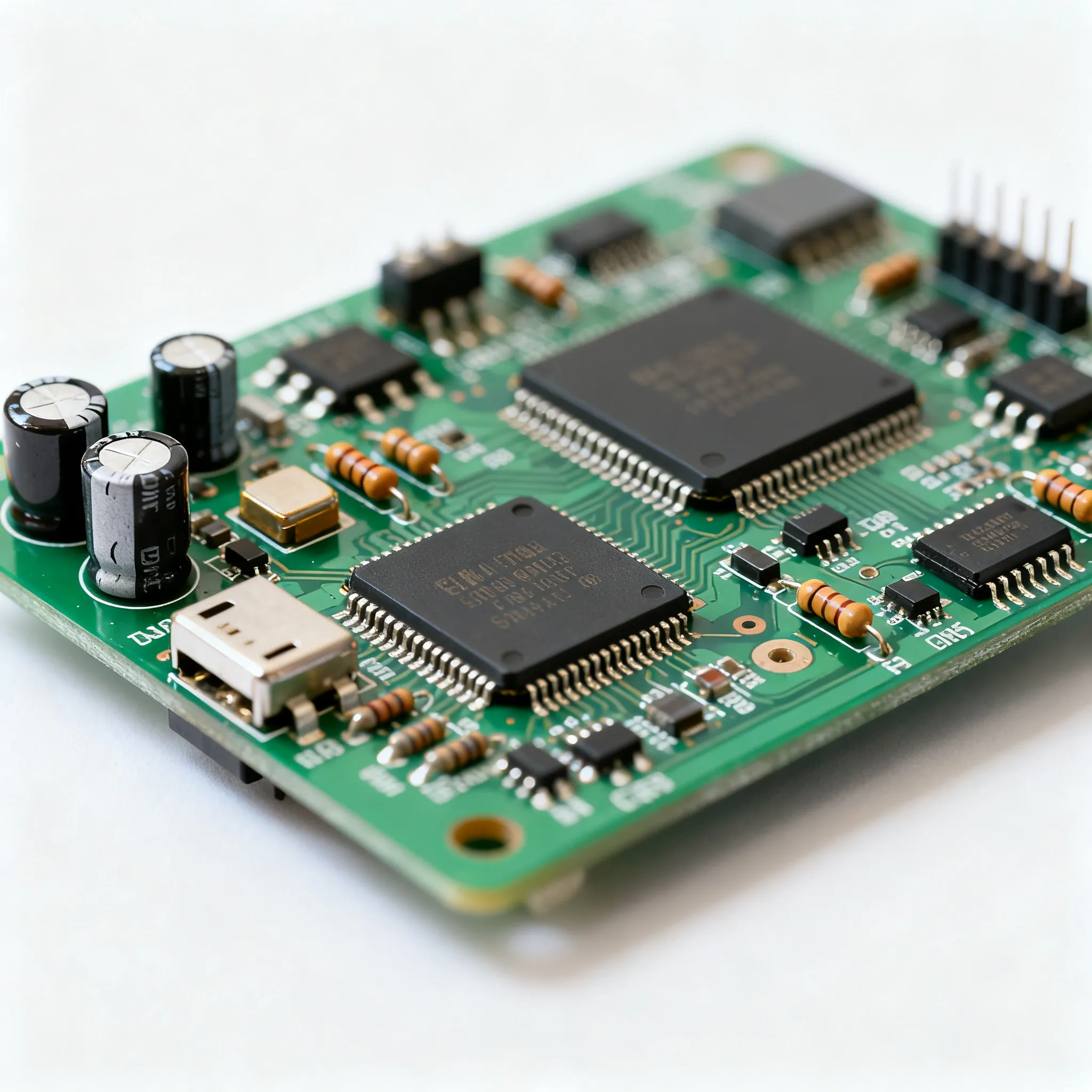
For instance, if a particular SMT (Surface Mount Technology) component's price increases significantly, engineers may need to evaluate alternative parts that offer similar functionality at a lower cost. This requires a thorough understanding of both the technical specifications and the market landscape to ensure that the BOM remains viable.
Negotiation Strategies with Suppliers
Effective negotiation with suppliers is essential during periods of rising material prices. Companies should prepare by gathering data on market trends and potential cost impacts to strengthen their negotiation position.
- Gather relevant market data on price trends and forecasts.
- Establish clear communication channels with suppliers.
- Discuss flexible MOQs and lead times to align supply with production needs.
- Be open to exploring alternative purchasing strategies, such as bulk buying.
- Document all agreements and follow up on commitments.
These steps can help organizations mitigate risks associated with price volatility while maintaining strong supplier relationships.
Selecting Components for PCBA and SMT Processes
When selecting components for PCBA, understanding the role of each component in the assembly process is crucial. Factors such as availability, cost, and performance specifications should be carefully considered. For example, authorized distributors like Texas Instruments and Analog Devices provide official datasheets that are essential for accurate component selection.
Utilizing platforms such as Octopart can streamline the BOM management process by consolidating supplier data and providing access to real-time pricing and availability information.
Evaluating Supplier Performance and Reliability
Supplier reliability is paramount, especially during price increases. Companies should establish metrics to evaluate supplier performance, including on-time delivery rates and quality control metrics. Maintaining a collaborative relationship with authorized suppliers can enhance access to necessary documentation, such as Certificates of Conformance and lot traceability records.
This documentation is critical for quality assurance and compliance, especially in industries with stringent regulatory requirements.
Real-World Applications and Case Studies
Many companies have successfully navigated raw material price hikes by adjusting their BOMs and renegotiating supplier contracts. For example, a consumer electronics manufacturer faced a significant increase in the cost of a key component and opted to source an alternative part that met the same specifications at a lower price. This strategic decision not only reduced costs but also maintained production timelines.
Case studies from industry reports, such as those published by IEEE, illustrate how proactive supply chain management can lead to substantial cost savings even in volatile market conditions.
- Scope: This article discusses strategies for negotiating supplier orders amid rising raw material prices without making specific product claims.
- Evidence discipline: All sourcing claims are based on authoritative industry standards and practices.
- Practical engineering lens: The article emphasizes real-world constraints and verification steps for effective supply chain management.
- Update guidance: Readers are encouraged to check the latest datasheets and vendor notes for the most current information.
| Supplier | Best for | Traceability/Authenticity | MOQ/Lead Time |
|---|---|---|---|
| Texas Instruments | High-performance components | Certificates of Conformance available | Flexible MOQ options |
| Analog Devices | Analog signal processing | Lot traceability provided | Standard lead times |
| Infineon | Power management solutions | Quality certifications included | Minimum order quantities apply |
FAQ
- What factors influence global raw material prices?
Geopolitical events and trade policies, supply and demand dynamics, economic indicators and inflation rates. - How can I effectively negotiate with suppliers?
Prepare detailed data on market trends and cost impacts, establish clear communication and set realistic expectations, be open to alternative solutions such as bulk purchasing or long-term contracts. - What is the significance of BOM in cost management?
BOM helps track component costs and availability, facilitates budgeting and financial forecasting, essential for identifying potential areas for cost reduction. - How do I select components for PCBA and SMT?
Consider availability, cost, and performance specifications, use reliable sources like Octopart for component comparisons, consult manufacturer datasheets for detailed information. - What metrics should I use to evaluate supplier performance?
On-time delivery rates and quality control metrics, cost competitiveness and responsiveness, long-term relationship stability and trustworthiness. - Where can I find updated information on raw material prices?
Industry reports from organizations like IPC and NIST, online resources and databases like IC-Online, manufacturer websites for specific component pricing.