Electronic Integrated Circuits: Essential Components for Next-Generation Smart Devices
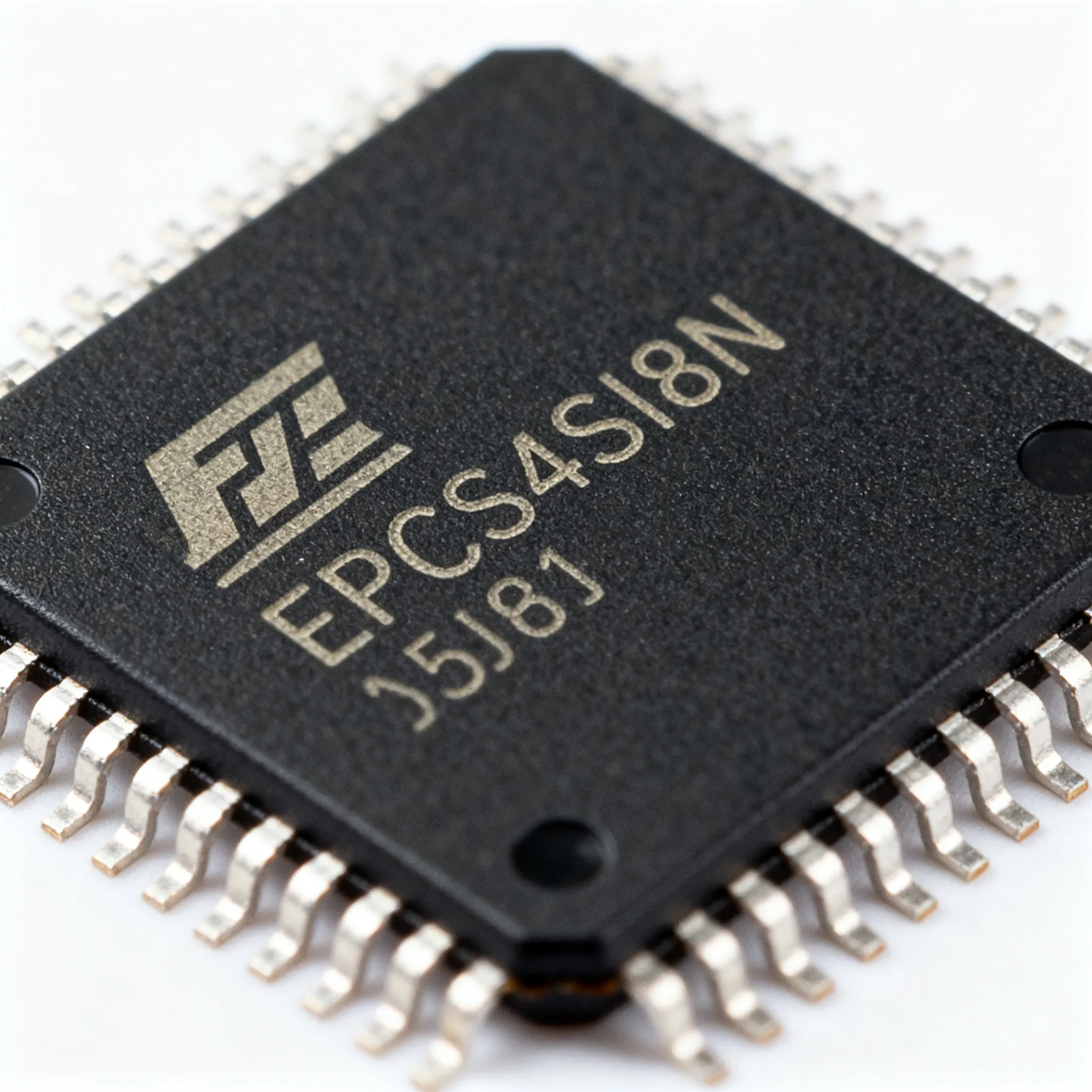
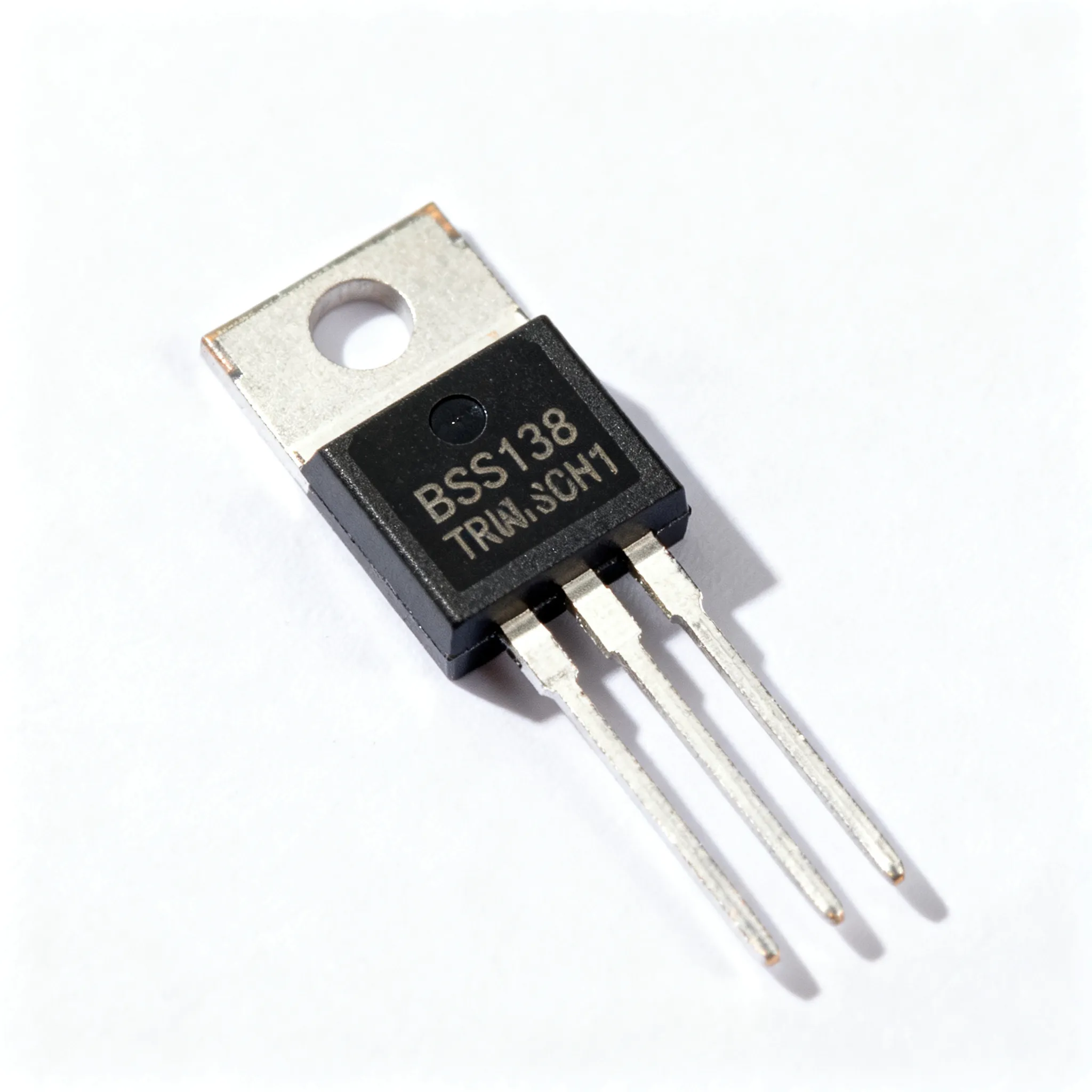
Electronic integrated circuits are key parts of modern electronics. They help smart devices work and make daily tasks easier. These small but strong parts let devices do hard jobs quickly. The global market for these circuits is growing fast.
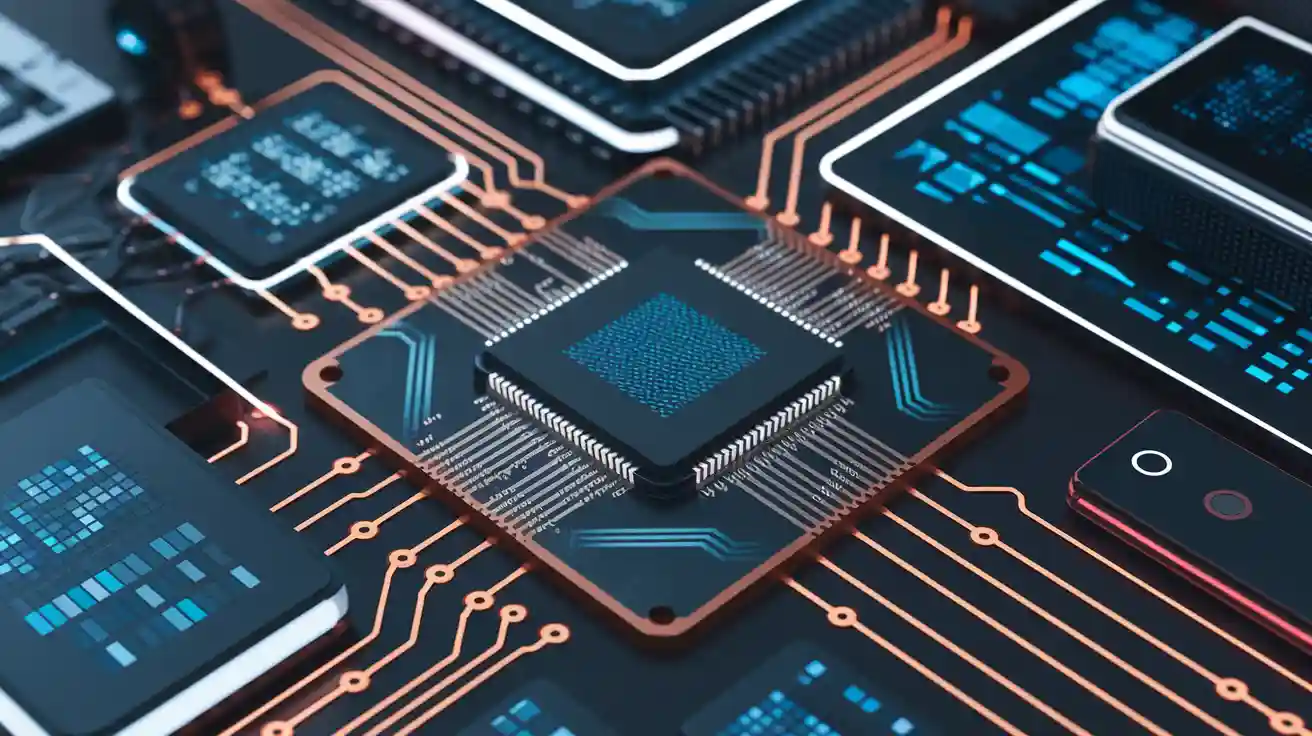
Electronic integrated circuits are key parts of modern electronics. They help smart devices work and make daily tasks easier. These small but strong parts let devices do hard jobs quickly. The global market for these circuits is growing fast. This is because people want smaller, faster, and energy-saving devices. With new tech like IoT, 5G, and AI, circuits are improving. They are made to fit the needs of future electronics. Circuits connect and control smart devices in many areas. These include healthcare and smart homes, showing how important they are.
Key Takeaways
-
Integrated circuits (ICs) help smart devices connect using Bluetooth or Wi-Fi.
-
ICs make devices smarter by processing data fast and saving energy.
-
Smaller circuits create quicker, stronger gadgets that fit into daily tools.
-
New materials like gallium carbide make circuits work better and save power.
-
Solving problems like safety and eco-friendliness is key for future ICs.
The Role of Electronic Integrated Circuits in Smart Devices
Enabling Connectivity and IoT Integration
Electronic integrated circuits help smart devices connect to the world. They let devices talk to each other and link to the Internet of Things (IoT). These circuits make sure your gadgets can share information, whether through wires or wireless signals.
Tip: Technologies like Bluetooth, Wi-Fi, and NFC work because of integrated circuits. They let you connect devices without needing cables.
Here’s how integrated circuits support device connections:
|
Communication Type |
What It Does |
|---|---|
|
Serial Communication |
Sends one bit at a time, good for slow data (e.g., UART, SPI). |
|
Parallel Communication |
Sends many bits at once, faster but needs more wires (e.g., printers). |
|
Wireless Communication |
Connects without wires using Bluetooth, Wi-Fi, or NFC. |
Integrated circuits also improve IoT by making sensors more accurate. For instance, special sensors in IoT devices can find harmful metals like lead and mercury. These sensors work well in ranges from 1 µM to 100 µM, helping with tasks like checking water quality.
Supporting Automation and AI Functionality
Automation and artificial intelligence (AI) are changing how devices work, and integrated circuits are key to this change. These circuits help devices handle data, react to changes, and connect with others, making automation and AI possible.
Integrated circuits boost automation and AI in these ways:
-
Connectivity: They improve how devices share data and work together.
-
Intelligence: They process data fast, helping AI make smart choices.
-
Energy Efficiency: Power-saving circuits use less energy, keeping devices running longer.
For example, advanced circuits in AI can quickly analyze large amounts of data. This helps devices like smart speakers and self-driving cars do hard tasks. Companies like HiSilicon are creating powerful parts for AI and IoT. Check out their work here.
Enhancing Energy Efficiency and Performance
Saving energy is important for modern devices, especially for longer battery life. Integrated circuits are made to use less power while working better. This keeps devices cool and avoids wasting energy.
New microelectronics designs help circuits use less energy but still perform well. This means devices can last longer and cost less to run. For example:
-
Better circuits stop energy waste, keeping devices from overheating.
-
Energy-saving designs let devices do the same tasks with less power.
Integrated circuits also improve sensors, which are key in IoT gadgets. By making sensors better, these circuits collect accurate data while using little energy. Whether it’s a fitness tracker or a smart thermostat, integrated circuits make devices smarter and more efficient.
Key Trends in Next-Generation Integrated Circuits
Miniaturization and Increased Processing Power
Making circuits smaller has changed how gadgets work. Tiny circuits let devices be faster and more powerful. They also fit easily in your pocket. This follows Moore’s Law, which says chips double their transistors every two years. But new studies show transistor growth is now more complex.
|
Evidence Type |
What It Explains |
|---|---|
|
Transistor Density Dynamics |
Shows how transistor growth is changing over time. |
|
Bi-logistic Model |
Gives better details than Moore’s Law about chip changes. |
|
Multilogistic Model |
Explains miniaturization with fewer errors in predictions. |
Smaller circuits also make processors stronger. Tiny microchips now do jobs that needed big machines before. This makes gadgets smarter, whether for streaming or using AI apps.
Innovative Materials in Semiconductor Technology
New materials are improving how chips are made for future devices. Silicon is still used, but new materials like gallium carbide (GaC) and 2D materials are better. These materials save energy and work faster.
-
Gallium carbide (GaC): Works well for high-power tasks and blocks UV light better.
-
Two-dimensional materials: Materials like MoS2 and WSe2 help make smaller, better chips.
-
Single-walled carbon nanotubes (SWCNTs): These are now easier to use for building 3D chips.
Better silicon designs, like low-k and high-k dielectrics, also make chips smaller and stronger. These changes keep chips leading in modern tech.
Note: The US is spending $52 billion on chip-making through the CHIPS Act. Companies like Intel are growing to meet this demand.
Integration with IoT and AI Applications
Integrated circuits are key for IoT and AI. They help devices collect and process data quickly. This makes smart gadgets work better and make smarter choices.
|
Metric |
What It Does |
|---|---|
|
Enhanced Data Analysis |
AI studies IoT data to make better decisions. |
|
Predictive Maintenance |
AI finds problems early to stop system failures. |
|
Urban Management Improvement |
Helps cities save resources and stay eco-friendly. |
|
AI Integration in Smart Cities |
For example, AI-powered IoT devices can check air quality or save energy in homes. These tools make life easier and help protect the planet.
Challenges in Developing Next-Generation Integrated Circuits
Sustainability and Environmental Considerations
Making advanced circuits creates environmental problems. It uses many resources and adds pollution. For example:
|
Statistic |
Description |
|---|---|
|
CO2 Emissions |
TSMC released 15 million tons of CO2 in 2020. |
|
Water Usage |
Intel used 927 million gallons of water in three months. |
|
E-Waste |
Over 20 million tons of e-waste were thrown away this year. |
The chip industry has a big carbon footprint. About 75% of a phone’s carbon footprint comes from making it, with half from chips. By 2040, chip-making could cause 3% of global emissions. You can help by recycling old devices and picking energy-saving gadgets.
Addressing Security Concerns in Smart Devices
Smart devices with circuits have security risks. These circuits connect devices but also make them easier to hack. IoT gadgets work in many places, which makes them vulnerable.
|
Aspect |
Description |
|---|---|
|
Vulnerabilities |
|
|
Attack Paths |
Hackers use many ways to break into IoT devices. |
|
Security Measures |
Old security methods don’t work well for IoT. |
|
Complexity of Environment |
IoT’s changing environments make security harder to manage. |
To fix this, new security methods are needed for IoT. These include encryption, secure boot systems, and AI tools to find threats. Better security keeps data safe and devices reliable.
Balancing Cost, Performance, and Scalability
It’s hard to balance cost, speed, and growth in circuit design. New tech like FinFETs and Moore’s Law has made chips faster and cheaper.
More transistors mean lower costs per chip. But making scalable circuits needs precise manufacturing and new materials like graphene. Quantum effects also create problems, needing new ideas like quantum and photonic chips.
3D integration helps circuits connect better and grow. These improvements keep circuits affordable and fast, helping smart devices improve in the future.
The Future of Next-Generation Integrated Circuits
Emerging Applications in Wearable Technology
Wearable tech is changing how people use gadgets daily. Small circuits make these devices work better and save energy. Fitness trackers and smartwatches use these circuits to stay compact and powerful. The wearable tech market is growing fast. It could jump from $854.53 million in 2022 to $6675.99 million by 2030. This growth rate is about 29.3% each year. The market for wearable device circuits may grow from $18.2 billion in 2024 to $38.5 billion by 2033.
These circuits help wearables track health, like heart rate and oxygen levels. They also support new tech like AR glasses, which improve daily life. As wearable gadgets improve, circuits will keep making them smarter and more useful.
Advancements in Quantum Computing and Edge Devices
Quantum computing is changing how circuits are designed. These circuits handle the tough tasks of quantum computers. Quantum benchmarks test how well systems work from start to finish. They check parts like qubits and compilers for smooth operation. Diagnostic tests measure the full system’s performance to ensure it works well.
Edge devices also use better circuits to process data faster. These gadgets work locally, cutting delays and improving quick decisions. Smart home assistants and self-driving cars depend on edge computing. Circuits boost their speed and reliability for better results.
Transformative Impact on Smart Cities and Beyond
Smart cities rely on circuits to manage resources and improve urban life. These circuits power tools that track traffic, save energy, and keep people safe. About 30% of smart city devices now use AI, which needs advanced circuits to study data and make choices.
The market for new circuits is growing quickly. By 2034, it might reach $6.45 billion, growing about 15.3% each year. This shows the rising need for circuits in smart city tech. As circuits get better, they’ll help build greener and more connected cities.
Electronic integrated circuits are key to improving future smart devices. They help make gadgets connect better, work automatically, and save energy. This makes devices smarter and more dependable.
-
The global market for ICs was worth $439.8 billion in 2023. It may grow to $875.6 billion by 2032 due to demand for IoT and electronics.
-
ICs improve safety and performance in electric cars, enabling features like ADAS (advanced driver-assistance systems).
To use ICs fully, we must solve problems like security and sustainability. As ICs improve, they will change industries and lead to amazing new ideas.
FAQ
What are electronic integrated circuits?
Electronic integrated circuits are small chips with many parts inside. These parts, like transistors and resistors, help gadgets work better. They process data, connect to the internet, and save power. You can find them in phones, watches, and even cars.
How do integrated circuits improve smart devices?
Integrated circuits make gadgets quicker, smarter, and use less energy. They allow features like AI, IoT, and energy-saving modes. For instance, they help smart thermostats change the temperature based on your needs.
Are integrated circuits environmentally friendly?
Not completely. Making circuits uses a lot of water and energy. This can harm the environment. Recycling old gadgets and picking energy-saving ones can help reduce this harm.
Can integrated circuits make devices more secure?
Yes, they can. Integrated circuits use encryption and secure systems to protect data. They also work with AI to find and stop cyberattacks. This makes your gadgets safer to use.
What’s the future of integrated circuits?
Integrated circuits will support new tech like quantum computers and smart cities. They’ll make wearables smaller and smarter. They’ll also help cities save resources and work better. You’ll see them in self-driving cars and AI helpers.