HiSilicon AI SoCs Challenge How We See Video Analysis
HiSilicon AI SoCs speed up video analytics by using a dedicated Neural Processing Unit (NPU). This specialized chip is built
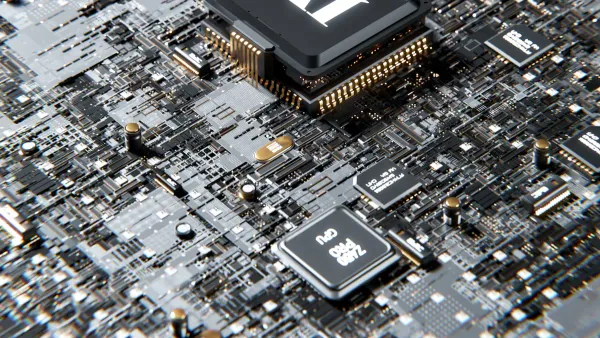
HiSilicon AI SoCs speed up video analytics by using a dedicated Neural Processing Unit (NPU). This specialized chip is built for artificial intelligence, bringing powerful AI capabilities directly to edge computing devices for better AI performance. The NPU handles complex AI tasks like object detection much faster than a standard CPU, enabling effective real-time processing.
This on-device artificial intelligence is crucial for edge AI, where immediate data analysis is necessary for successful edge computing. The performance gains are significant, as shown in image processing tests.
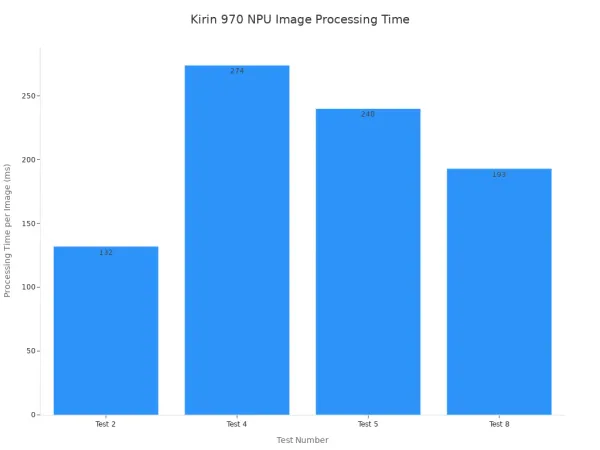
This approach to edge computing ensures rapid video analytics and supports demanding real-time processing of complex AI models.
Key Takeaways
- HiSilicon AI SoCs use special chips called NPUs. These NPUs make AI tasks like video analysis much faster on devices.
- These chips have a special design. This design helps them process many tasks at once. This makes real-time video analysis smooth and quick.
- The chips prepare video data before AI sees it. This makes AI analysis more accurate. They also handle video compression efficiently.
- HiSilicon SoCs use shared memory. This helps data move quickly between different parts of the chip. This makes AI applications run very fast.
- These chips help devices make smart decisions instantly. This is important for things like self-driving cars. They also keep your data safe and private.
HOW HISILICON AI SOCS ACCELERATE AI:
HiSilicon AI SoCs use specialized hardware to speed up artificial intelligence tasks. This design is key for effective edge computing. The chips perform complex calculations for video analytics much faster than general-purpose processors. This capability enables powerful real-time processing directly on devices.
THE POWER OF THE NPU:
The Neural Processing Unit (NPU) is the brain behind the AI acceleration. It acts as a dedicated AI accelerator chip. HiSilicon AI SoCs integrate powerful AI core chips known as Da Vinci AI Cores. These cores are the foundation of the NPU's performance in AI processing. They are essential for applications ranging from smartphones to the next generation of AI automotive processor technology for autonomous vehicles.
- Da Vinci AI Cores: These units contain a scalar component for simple tasks and a large vector unit for complex AI math. They support various data types for flexible AI model execution.
- 3D Cube Engine: This engine excels at matrix math, which is fundamental to artificial intelligence. It can perform thousands of operations every clock cycle, enabling rapid AI model inference.
This specialized hardware makes the NPU extremely efficient for AI workloads. It allows devices to run sophisticated AI without relying on the cloud.
MASSIVE PARALLEL PROCESSING:
The architecture of these SoCs supports massive parallel processing. This means the chip can handle many tasks at the same time. A high-speed Mesh Network-on-Chip (NoC) connects all the Da Vinci AI cores. This network allows data to move quickly between the cores and memory.
Note: This parallel structure is crucial for real-time processing in video analytics. It allows an autonomous system to analyze multiple video streams or complex scenes simultaneously, making edge computing more powerful and responsive.
This design minimizes bottlenecks and ensures the AI cores are always fed with data. The result is smooth, continuous performance for demanding AI applications. This makes autonomous operations in edge computing environments a practical reality.
ARCHITECTURE BUILT FOR SPEED:
A powerful NPU needs a support system that moves data quickly and efficiently. HiSilicon SoCs achieve this speed through a tightly integrated architecture. Each component works together to eliminate bottlenecks, a design crucial for demanding ai tasks in edge computing. This system approach ensures smooth, fast performance for real-time processing.
INTEGRATED ISP FOR IMAGE PRE-PROCESSING:
Before the NPU can analyze an image, the raw data from a camera sensor needs preparation. This is the job of the integrated Image Signal Processor (ISP). The ISP acts like a digital darkroom, cleaning and enhancing the video stream before it reaches the ai core. This step is vital for accurate ai analysis.
The Hi-ISP video processing engine handles several key tasks to create a clean data stream for the NPU:
- Wide Dynamic Range (WDR): It balances very bright and very dark areas in a scene, ensuring no details are lost in shadows or highlights.
- Noise Reduction: The engine removes visual noise, especially in low-light conditions, which can confuse ai models.
- Image Correction: It can correct for lens distortions like the fisheye effect or remove environmental haze with its de-fog feature.
Tip: Optimizing the ISP's functions can dramatically improve ai performance. Studies show that proper ISP tuning can increase object detection accuracy by up to 30%. Simply enabling a feature like tone mapping can boost model accuracy by 5.8%.
This pre-processing feeds the NPU a high-quality, optimized image. The NPU then works with clear data, leading to more reliable and precise ai outcomes.
DEDICATED VIDEO ENGINE:
Video data is large and requires significant processing power to compress (encode) and decompress (decode). HiSilicon SoCs offload this heavy task to a dedicated video engine. This specialized hardware handles video compression and decompression, freeing the CPU and NPU to concentrate on their primary functions. This division of labor is essential for effective real-time processing in edge computing environments.
The engine supports the latest video standards, allowing it to manage high-resolution streams efficiently. This capability ensures that devices can handle modern video formats without performance loss.
| Function | Supported Standards | Max Resolution/FPS |
|---|---|---|
| Video Decoding | AVS3, AVS2/HEVC/AV1 | 8K@120 fps |
| Video Decoding | VP9/AVC | 8K@60 fps |
| Video Encoding | H.265/H.264 | 4K@60 fps |
By dedicating hardware to this task, the SoC ensures that complex ai analytics can run alongside high-quality video encoding and decoding without competing for resources.
UNIFIED MEMORY FOR LOW LATENCY:
Speed is not just about processing power; it is also about how quickly data moves between components. HiSilicon SoCs use a unified memory architecture to achieve extremely low latency. In traditional systems, the CPU, GPU, and NPU have separate pools of memory. Moving data between them is slow and inefficient.
Unified memory solves this problem. It creates a single, shared pool of high-speed memory (like LPDDR5) that all processors on the chip can access directly.
- No Data Copying: The ISP, NPU, and CPU can all work on the same data without making slow copies.
- Shorter Pathways: Integrating memory on the chip shortens the physical distance data must travel, reducing delays.
- Higher Bandwidth: This design allows for wider and faster pathways for data, increasing overall throughput.
This architecture is a game-changer for edge computing. It eliminates the data transfer bottlenecks that can slow down complex workflows. The result is a highly responsive system capable of handling the intense data demands of modern ai applications.
REAL-WORLD IMPACT AT THE EDGE:

The architectural speed of HiSilicon SoCs creates significant real-world benefits for edge computing. These chips bring powerful artificial intelligence directly to devices. This capability transforms industries that rely on instant data analysis, especially for autonomous vehicles. The ai can make decisions without cloud delays.
REAL-TIME OBJECT DETECTION:
Fast real-time processing is critical for safety in autonomous systems. HiSilicon SoCs enable autonomous vehicles to instantly identify objects. The ai uses data from multiple sensors to see pedestrians, other cars, and road signs. This immediate recognition allows the autonomous vehicle to react quickly. This level of performance in edge computing is essential for safe ai self-driving. The ai in autonomous vehicles processes this information for immediate action. The autonomous vehicle depends on its sensors. The autonomous vehicle needs this speed.
COMPLEX ON-DEVICE BEHAVIOR ANALYSIS:
These SoCs do more than just detect objects. They support complex ai models for behavior analysis right on the device. An autonomous vehicle can predict the intentions of a pedestrian. The artificial intelligence determines if a person might step into the road. This predictive power is a major leap for autonomous technology and ai self-driving. It makes vehicular edge computing safer and more reliable. The autonomous vehicle uses its sensors to gather data. The autonomous vehicle then analyzes it. This advanced ai helps autonomous vehicles navigate complex urban environments.
This on-device analysis allows an autonomous system to understand context. The ai can differentiate between a child chasing a ball and an adult waiting to cross, making autonomous vehicles smarter.
ENHANCED SECURITY AND PRIVACY:
On-device processing offers major security and privacy advantages for edge computing. The SoC architecture handles video analytics locally. This design keeps sensitive data away from the cloud. It helps organizations comply with data privacy rules like GDPR. The system uses hardware-level security for data protection. This local processing ensures real-time processing of threats without external connections.
HiSilicon is a key player in the on-device edge ai security market. Its chips provide a secure foundation for ai applications. This approach is vital for sectors handling sensitive information, from autonomous vehicles to smart city sensors. This makes edge computing a more secure choice for video analytics.
HiSilicon AI SoCs combine a powerful NPU, specialized hardware assists, and a unified memory architecture. This integrated system delivers the speed and power efficiency for complex video analytics in edge computing. The ai design focuses on performance for real-time processing. This approach creates efficient artificial intelligence for edge computing, as seen in the manufacturing process.
| SoC | Manufacturing Process | Power Efficiency Cores |
|---|---|---|
| HiSilicon Kirin 810 | 7nm (TSMC) | 4x ARM Cortex-A55 |
| HiSilicon Kirin 820e | 7nm (TSMC) | 4x ARM Cortex-A55 |
| Qualcomm Snapdragon 780G 5G | 5nm (Samsung 5LPE with EUV) | 4x ARM Cortex-A55 |
This makes HiSilicon AI SoCs a game-changer for ai. The ai enables powerful artificial intelligence for video analytics. This ai is crucial for modern ai applications and the future of edge computing. The ai drives innovation.
FAQ
What makes an NPU different from a CPU?
A Neural Processing Unit (NPU) is a specialized processor. It handles artificial intelligence tasks very quickly. A CPU is a general processor for many jobs. The NPU gives an autonomous system its fast AI power, making the autonomous device smart and responsive.
Why is on-device processing important?
On-device processing provides speed and privacy. Data analysis happens directly on the device. This allows an autonomous system to make instant decisions. It also keeps sensitive information secure by not sending it to the cloud. This is crucial for any autonomous operation.
How do these chips help autonomous vehicles?
These SoCs give autonomous vehicles the ability to see and think. The chip processes sensor data for the autonomous system. This allows for quick object detection. The autonomous vehicle can then make safe, autonomous driving decisions in real time. This autonomous capability is essential.
What do the ISP and video engine do?
The Image Signal Processor (ISP) and video engine support the NPU. The ISP cleans up raw video, giving the autonomous system a clear view. The video engine manages video compression. These parts help the main autonomous processor work more efficiently.