How Do Integrated Circuits Optimize IoT Device Performance
Integrated circuits are very important for how IoT devices work. They help save energy, boost processing power, and grow with more devices.
Integrated circuits are very important for how IoT devices work. They help save energy, boost processing power, and grow with more devices. This makes IoT devices work well in many places. For example, the JEERA algorithm uses smart circuit designs to save 33% more energy than other algorithms when running over 30 devices. The energy savings get even better as more devices are added. This makes integrated circuits a must-have for the growing Internet of Things.
Integrated circuits also make devices process faster. For instance, systems can now check a casting in 2.3 seconds. They can handle 26 castings every minute. These improvements let IoT devices do big tasks quickly and reliably. From smart homes to factories, integrated circuits power the cool technology behind modern IoT devices.
Key Takeaways
-
Integrated circuits (ICs) are key parts of IoT devices. They help save energy and work faster.
-
Using very low-power ICs can make batteries last longer. This makes devices easier to use and more dependable.
-
Special ICs, called ASICs, are made for certain jobs. They save energy and take up less space.
-
ICs help devices connect better with advanced wireless tech. This makes sharing data between devices easier.
-
Smaller ICs allow for tiny, efficient IoT devices. This helps create new and exciting uses for them.
The Role of Integrated Circuits in IoT Devices
Core Functions of Integrated Circuits in IoT
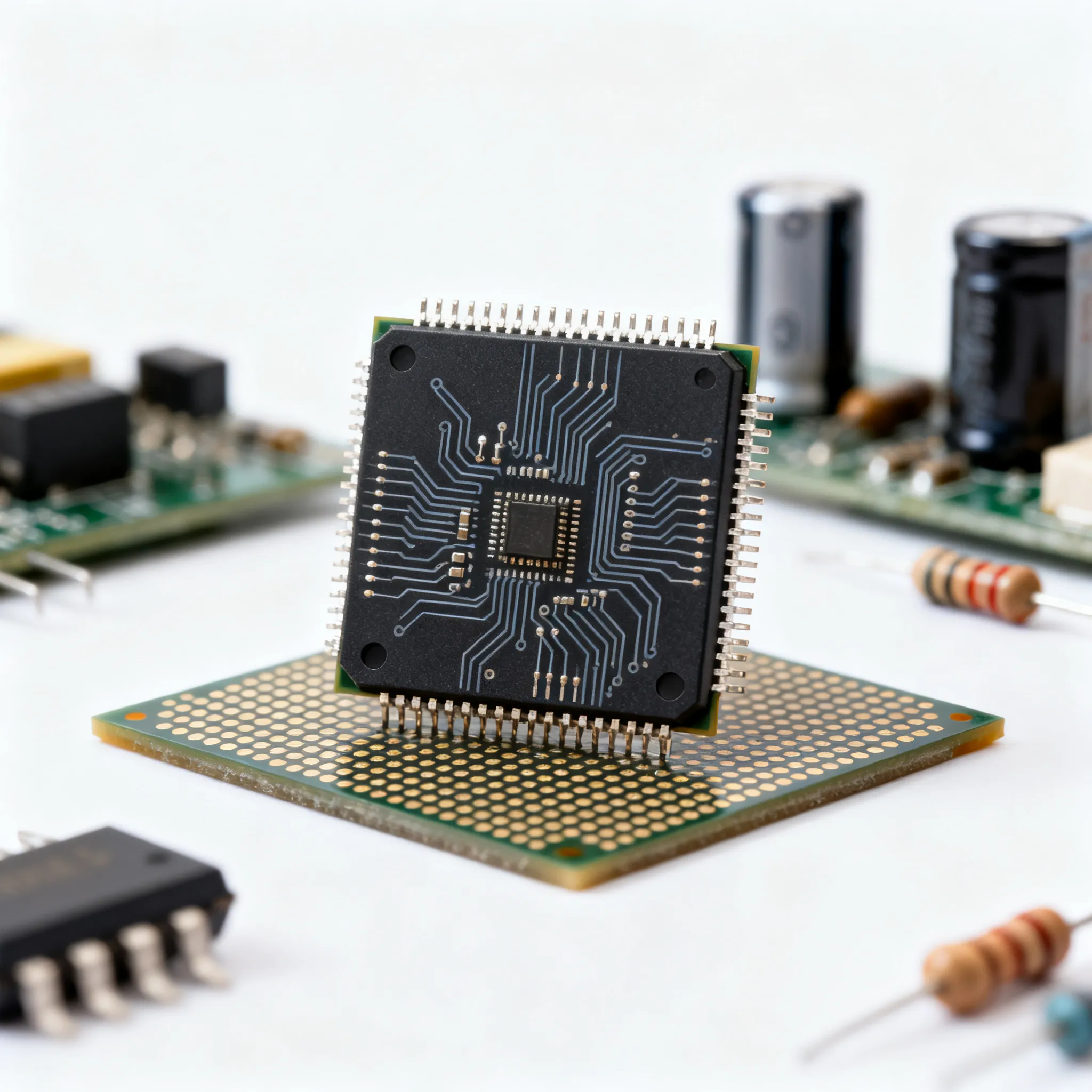
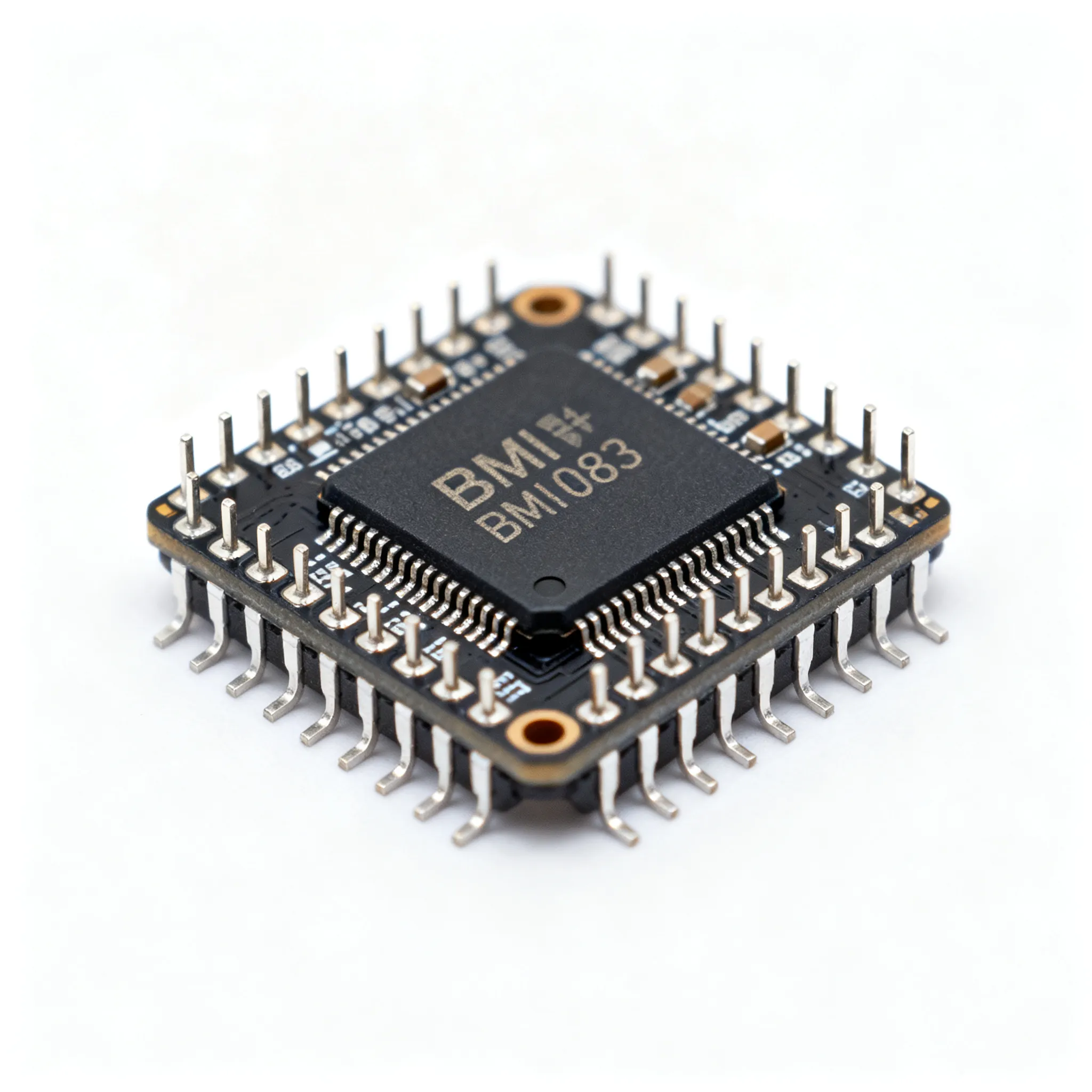
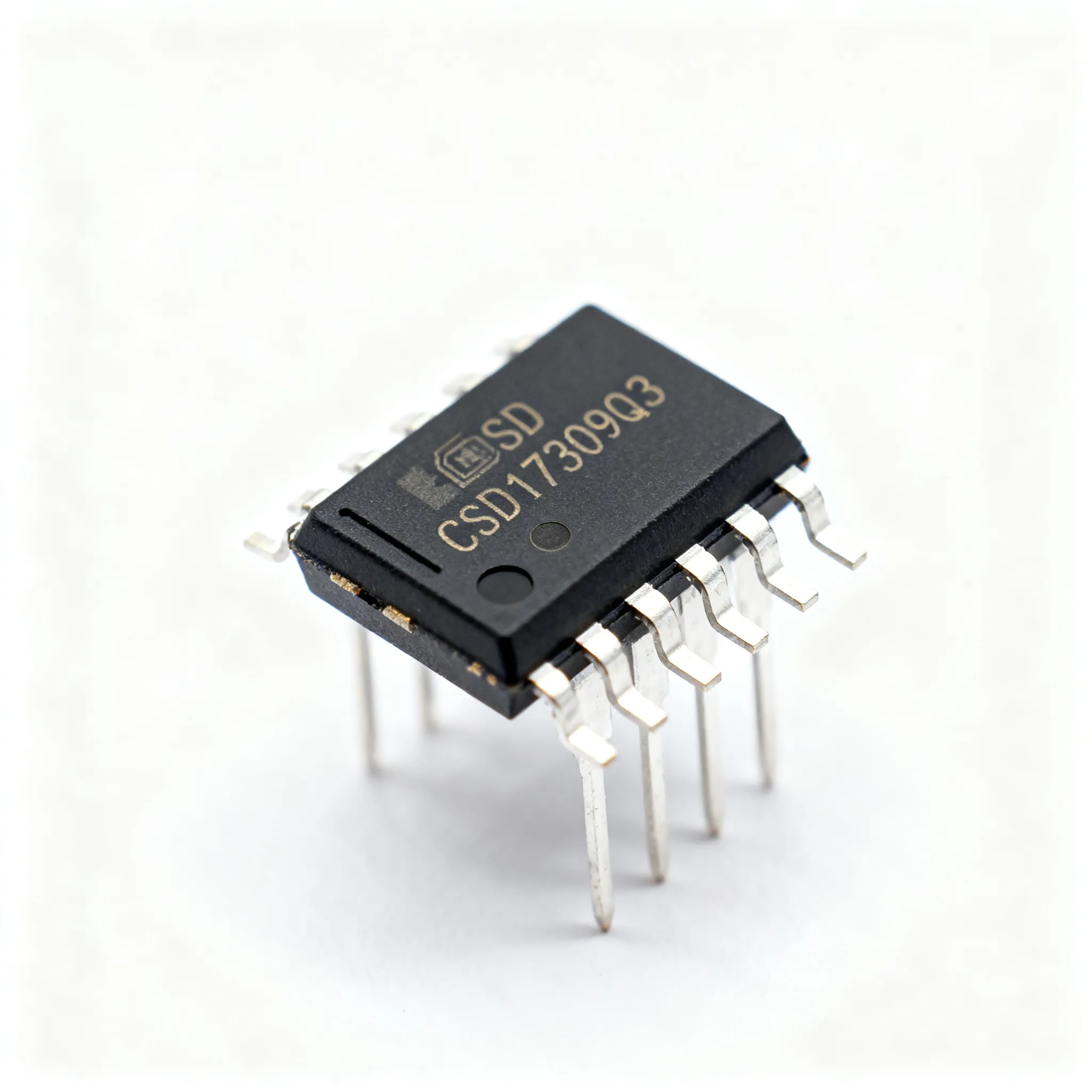
Integrated circuits are very important for IoT devices. They help these devices work well and stay reliable. Think of ICs as the "brains" of IoT systems. They handle tasks like processing data, connecting devices, and keeping them secure.
Here are some main jobs ICs do in IoT:
-
Connectivity: ICs help devices connect using Wi-Fi, Bluetooth, Zigbee, or cellular. This keeps devices linked and sharing data instantly.
-
Sensors: ICs use sensors to gather data like temperature or motion. This helps devices react to changes around them.
-
Microcontrollers: Microcontrollers in ICs run commands and control how devices work.
-
Security: ICs have tools like encryption to keep data safe from hackers.
Studies show ICs have improved a lot in power and speed. For example, power use got 400% better, and performance doubled. These upgrades make ICs essential for IoT devices.
|
Metric |
Improvement |
|---|---|
|
Power improvement |
400% |
|
Performance improvement |
100% |
|
Accuracy on unseen designs |
15-35% better |
|
Efficiency for high-speed ICs |
30% jump |
Integration of Sensors and Controllers in IoT Devices
Sensors and controllers in ICs make IoT devices work better. Sensors check things like temperature or pressure. Controllers use this data to make smart decisions.
Some key benefits of this setup are:
-
Battery life: Better power use means devices last longer.
-
Signal strength: Stronger signals mean fewer errors and better connections.
-
CPU usage: Smarter resource use avoids wasting power or space.
-
Storage capacity: Enough storage stops data loss and keeps things running.
-
Transmission latency: Faster data travel improves user experience.
With these features, ICs help IoT devices work smoothly in many areas. For example, in farming, sensors check soil moisture, and controllers adjust watering. This saves energy and boosts efficiency.
Application-Specific Integrated Circuits (ASICs) in IoT
Application-Specific Integrated Circuits (ASICs) are special ICs made for certain tasks. They are great for IoT because they offer many benefits.
|
Advantage |
Description |
|---|---|
|
Efficiency |
Designed for specific tasks, making them fast and efficient. |
|
Low Power Consumption |
Use less power, which is great for battery devices. |
|
Small Form Factor |
Small size fits in tiny devices, saving space. |
|
Integration of Multiple Functions |
Combines many features into one chip, cutting costs and complexity. |
ASICs are useful in areas needing fast and reliable communication, like electronics or telecom. With IoT devices growing from 15.9 billion in 2023 to 32.1 billion by 2030, ASICs will be key to meeting demand.
Using ASICs makes IoT devices faster and saves energy. For example, health trackers use ASICs to process data quickly. They stay small and easy to wear, making them user-friendly.
Power Management and Energy Efficiency in IoT

Ultra-Low-Power Integrated Circuits for IoT Devices
Saving energy is very important for IoT devices. This is especially true for devices using batteries or working far from people. Ultra-low-power integrated circuits (ICs) help these devices use less energy while still working well. These ICs are made to use very little power when not active and work efficiently when needed.
For example, microcontrollers like ESP32 and STM32L are great at saving energy. The ESP32 uses only 0.25 mA in standby mode. The STM32L series uses as little as 20-100 nanoamps in shutdown mode. These designs help IoT devices last longer without needing new batteries often.
Also, technologies like Zigbee and LoRa help save energy by sending data with low power. These systems let IoT devices talk to each other while using less energy. They are perfect for things like smart farms and checking the environment.
Tip: Choose IoT devices with ultra-low-power ICs to save energy and make batteries last longer.
Enhancing Battery Life with Advanced IC Design
Battery life is a big problem for IoT devices. This is especially true when recharging often is hard to do. Advanced IC designs solve this by managing power better and wasting less energy.
Modern ICs have modes that use less power depending on the task. For example, microcontrollers can go into deep sleep mode when not working. In this mode, they use only a few nanoamperes of energy. This helps batteries last much longer.
Other features also improve battery life. These include operating currents between 1 µA and 2 µA and leakage currents below 10 nA. ICs also protect batteries from overcharging or draining too much. This keeps devices safe and working well.
|
Feature |
Value |
|---|---|
|
Operating Mode Current |
1 µA - 2 µA |
|
Leakage Current (Device Off) |
< 10 nA |
|
Battery Protection Mechanism |
Overcharge/Overdischarge Protection |
These improvements make IoT devices cheaper and easier to maintain. They also reduce how often batteries need replacing.
Real-World Examples of Energy-Efficient IoT Applications
Energy-saving IoT devices powered by integrated circuits are changing industries everywhere. From smart buildings to water systems, these devices show how ICs can save energy and work better.
For example, green buildings in Chicago use IoT to cut energy use by 20%. They also save 15% on water use. These buildings use ICs to control heating, cooling, and lights. This helps them work well while saving resources.
In the UK, IoT lighting systems use daylight and motion sensors to save energy. ICs process sensor data to adjust lights automatically. This reduces the need for artificial lighting.
|
Case Study Location |
Application |
Energy Savings |
Water Savings |
Description |
|---|---|---|---|---|
|
Chicago, USA |
IoT-integrated green building |
20% reduction |
15% reduction |
Retrofitted with IoT for HVAC and lighting management, improving energy efficiency and indoor environmental quality. |
|
UK |
IoT-based lighting systems |
N/A |
N/A |
Integrated daylight harvesting and occupancy sensors to reduce artificial lighting energy use. |
|
Australia |
Water sensors and control devices |
N/A |
Substantial savings |
Real-time tracking of water usage and leak detection to optimize water management. |
These examples show how integrated circuits help IoT devices save energy. They are important for making industries more eco-friendly.
Processing and Connectivity in IoT Devices
Faster Data Processing with Integrated Circuits
Integrated circuits help IoT devices process data much faster. They include advanced parts like multi-core processors and AI-friendly designs. These features let devices handle tough tasks easily. New memory types like MRAM and RRAM are also used. These memories speed up processing and save energy, making them perfect for IoT.
The table below shows how ICs improve data processing:
|
How It Helps IoT Devices |
|
|---|---|
|
Central Processing Unit (CPU) |
Multi-core processors and AI designs handle complex tasks better. |
|
Memory (RAM and ROM) |
MRAM and RRAM make data processing faster and use less energy. |
|
Wireless Communication Modules |
Wi-Fi, Bluetooth, and 5G allow quick and smooth data sharing. |
|
Power Management Circuits |
Smart circuits save energy and extend battery life. |
These improvements let IoT devices work faster and use less power. This ensures they perform well in real-world situations.
Reliable Connectivity Enabled by ICs
Integrated circuits also make IoT devices connect better. They include wireless tools like Wi-Fi, Bluetooth, and 5G for fast data sharing. Tools like XJTAG’s Connection Test find problems like broken or stuck circuits. This keeps devices working and connected.
ICs also create test patterns that adjust to design changes. This helps improve connectivity over time. High-precision tools give detailed fault reports, making it easier to fix issues and keep connections strong.
|
Evidence Description |
Key Points |
|---|---|
|
Fault Detection |
XJTAG tests find broken or stuck circuits, improving reliability. |
|
Dynamic Test Pattern Generation |
Test patterns adjust quickly to design updates, boosting connectivity. |
|
High Precision Diagnostics |
Detailed fault info helps fix problems and improve circuits. |
With these features, ICs ensure IoT devices stay connected and work well, even in tough conditions.
Examples of High-Performance IoT Devices Using ICs
IoT devices with advanced ICs are changing industries. These devices include AI features, LCD drivers, and smart power management. For example, factory systems use ICs for real-time monitoring and fixing problems before they happen.
The table below lists features of a high-performance IoT device:
|
Feature |
Specification |
|---|---|
|
Flash Memory |
|
|
RAM |
512 kB |
|
Core |
80MHz Cortex-M33 Core |
|
GPIO |
64 GPIOs + 4 analog-only pins |
|
Integrated LCD Driver |
Supports up to 288 segments |
|
AI/ML Capabilities |
Special processor for AI tasks |
|
Applications |
Factory automation, problem fixing, home systems |
These examples show how ICs make IoT devices faster, more reliable, and energy-efficient. They are key to modern technology.
Miniaturization and Scalability in IoT
Small IoT Devices Made Possible by ICs
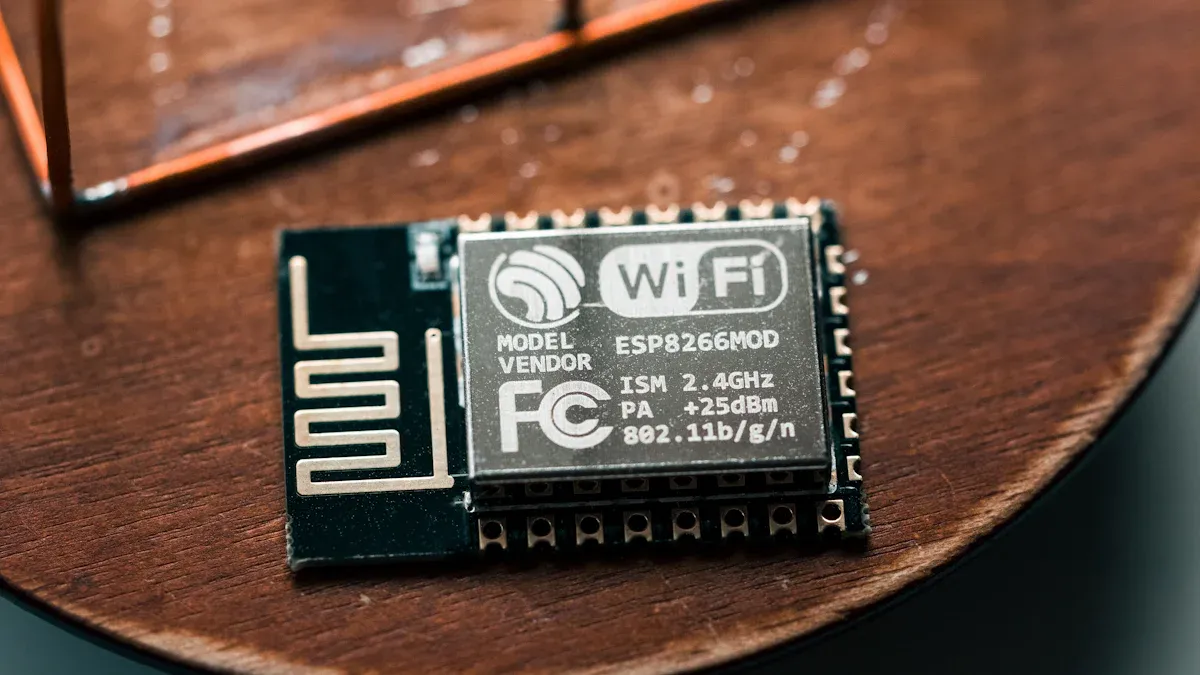
Integrated circuits help make IoT devices smaller and better. They combine many functions into one chip, reducing size and complexity. This lets us use tiny gadgets like fitness trackers, smartwatches, and medical implants. In 1958, the first wearable pacemaker showed how ICs could create life-saving portable devices. Two years later, a fully implantable pacemaker proved ICs could shrink healthcare tools even more.
Today’s ICs use silicon chips that need very little power, between 1.2 and 3.3 volts. This makes them perfect for IoT devices where battery life matters. Printed digital circuits also help by cutting down on contact pads, lowering costs, and adding more features. But making small devices takes teamwork with vendors to solve design and energy challenges.
Growing IoT Networks with Integrated Circuits
As IoT networks expand, they need to handle more devices. Integrated circuits make this possible without slowing down performance. For example, eSIM technology allows devices to join networks remotely. ICs also help manage devices to avoid overcrowding and keep everything running smoothly.
ICs save energy, letting networks grow while staying reliable. This is important for big IoT setups like smart cities, where thousands of sensors must work together.
|
Feature |
Benefit |
|---|---|
|
Network Growth |
|
|
eSIM Technology |
Adds devices remotely, making networks flexible and scalable. |
|
Device Management |
Prevents overcrowding and keeps performance steady as networks grow. |
Real-Life Examples of Scalable IoT Systems
Scalable IoT systems powered by ICs are changing industries. In farming, IoT devices check soil and adjust watering automatically. These systems can grow to cover huge farms, saving water and energy. Smart grids use ICs to manage city energy needs, adapting to changes without problems.
In healthcare, devices like brain stimulators show how ICs scale well. These tools combine many features into small designs, helping more patients while staying effective.
Integrated circuits make IoT devices smaller and networks bigger. They keep devices efficient, reliable, and ready for future demands.
Integrated circuits are key to improving IoT devices. They help save energy, process data faster, and handle more devices. This makes them essential for today’s technology. ICs allow smaller designs and strong connections, helping industries improve their work. These upgrades keep IoT devices efficient and ready for the future. As tech advances, integrated circuits will keep making smarter and more connected tools for many uses.
FAQ
What are integrated circuits, and why do IoT devices need them?
Integrated circuits (ICs) are small chips with many electronic parts. They handle data, control power, and help devices connect. For IoT devices, ICs are crucial because they boost performance, save energy, and make communication easier.
How do integrated circuits help IoT devices use less energy?
ICs have smart designs like low-power modes and efficient power systems. These features cut energy use, make batteries last longer, and support eco-friendly devices. For instance, ICs in smart sensors save power when not in use.
Can integrated circuits make IoT devices smaller?
Yes, they can! ICs combine many functions into one chip, shrinking device size. This allows for small gadgets like fitness bands and medical implants. Smaller devices are handy, portable, and perfect for daily use.
How do ICs improve how IoT devices connect?
ICs have wireless tools like Wi-Fi, Bluetooth, and 5G built in. These tools allow fast and steady data sharing between devices. ICs also fix connection problems, keeping IoT systems reliable and smooth.
Can integrated circuits be made for specific IoT tasks?
Yes, they can! Special ICs called ASICs are built for certain jobs. They work faster, use less power, and meet specific needs. For example, ASICs in health devices quickly process body data while staying small.